What do patients feel is MOST valuable when receiving pain education? 🤔
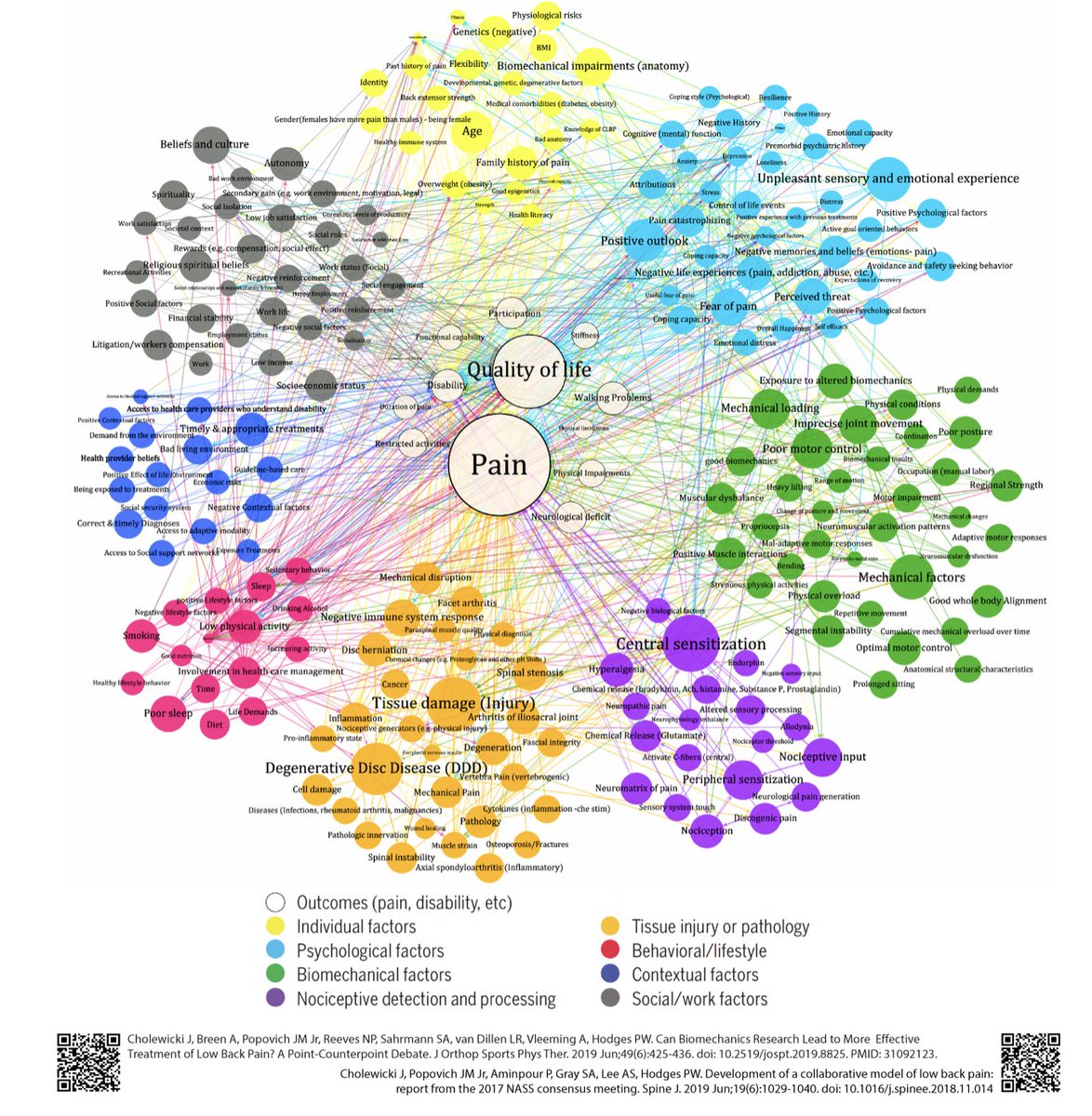
1️⃣ Emotions, thoughts, experiences influence pain.
2️⃣ Pain is multifactorial experience
3️⃣ Pain can be heightened protective response that can be positively influenced
https://t.co/ls4PBdNahM
👀 People are relatively willing to accommodate pain to continue a cherished activity, even if it causes harm
@DellMedSchool@DrDavidRing#OrthoTwitter
https://t.co/i96wv9qece
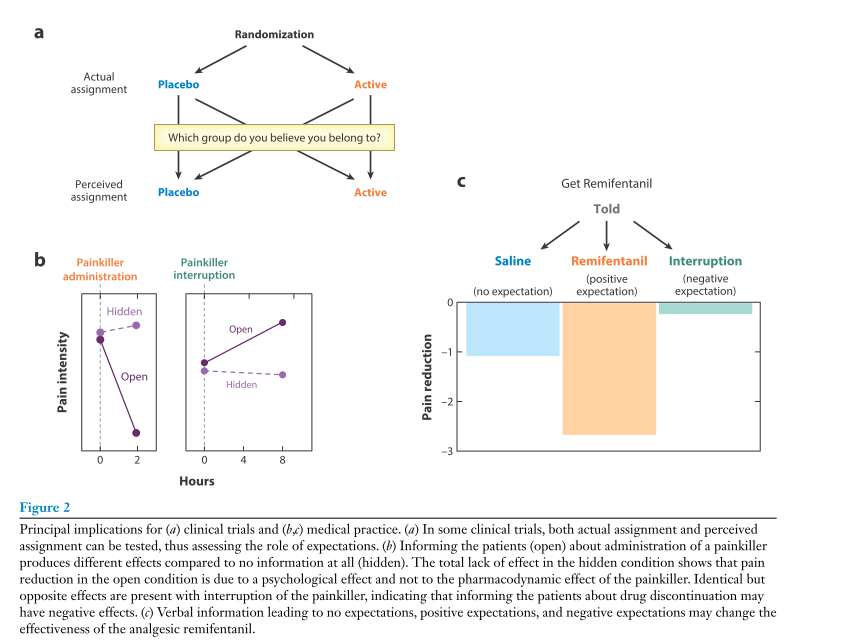
Thirty Years of Neuroscientific Investigation of Placebo and Nocebo: The Interesting, the Good, and the Bad
👀👀👇👇
"Unfortunately, this new knowledge regarding
placebos has the potential of being dangerously exploited by pseudoscience."
https://t.co/xxRw4lQ4zZ
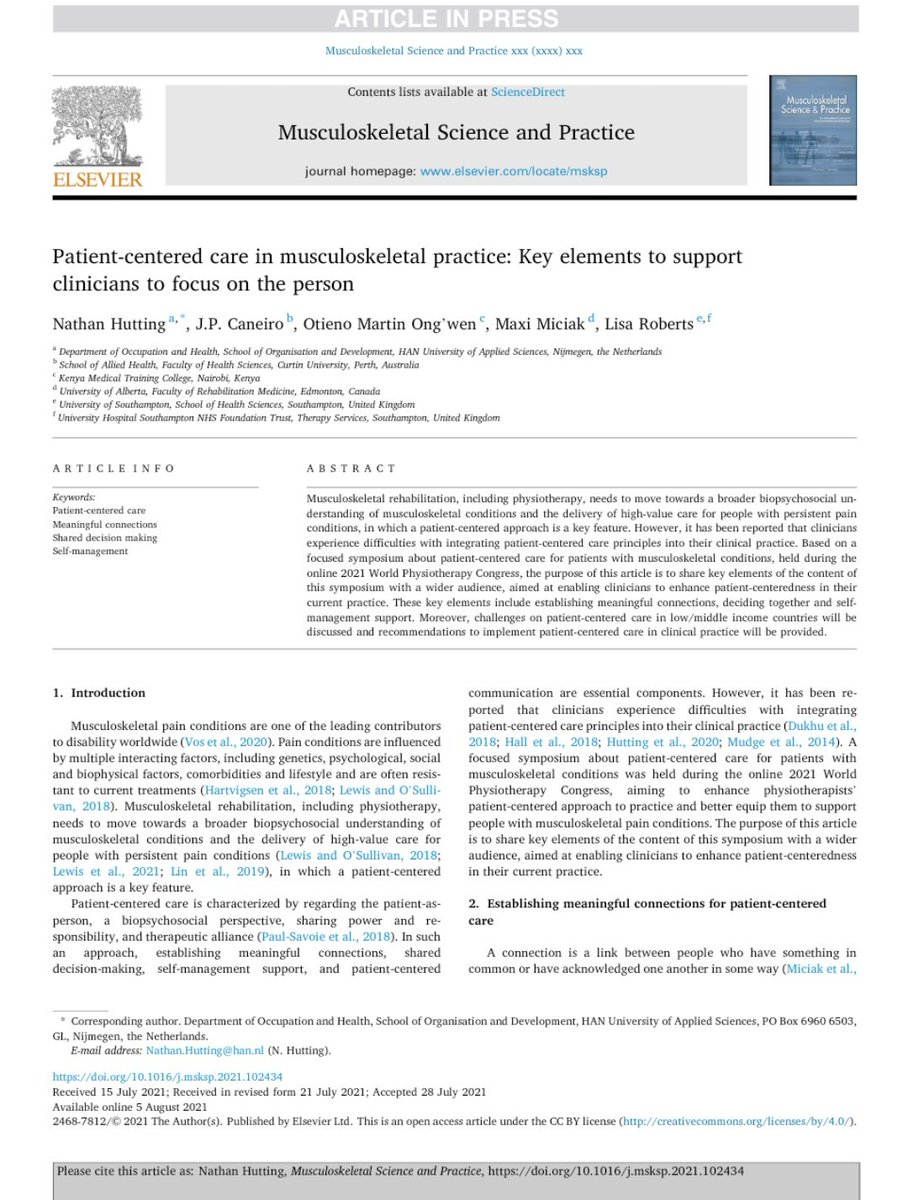
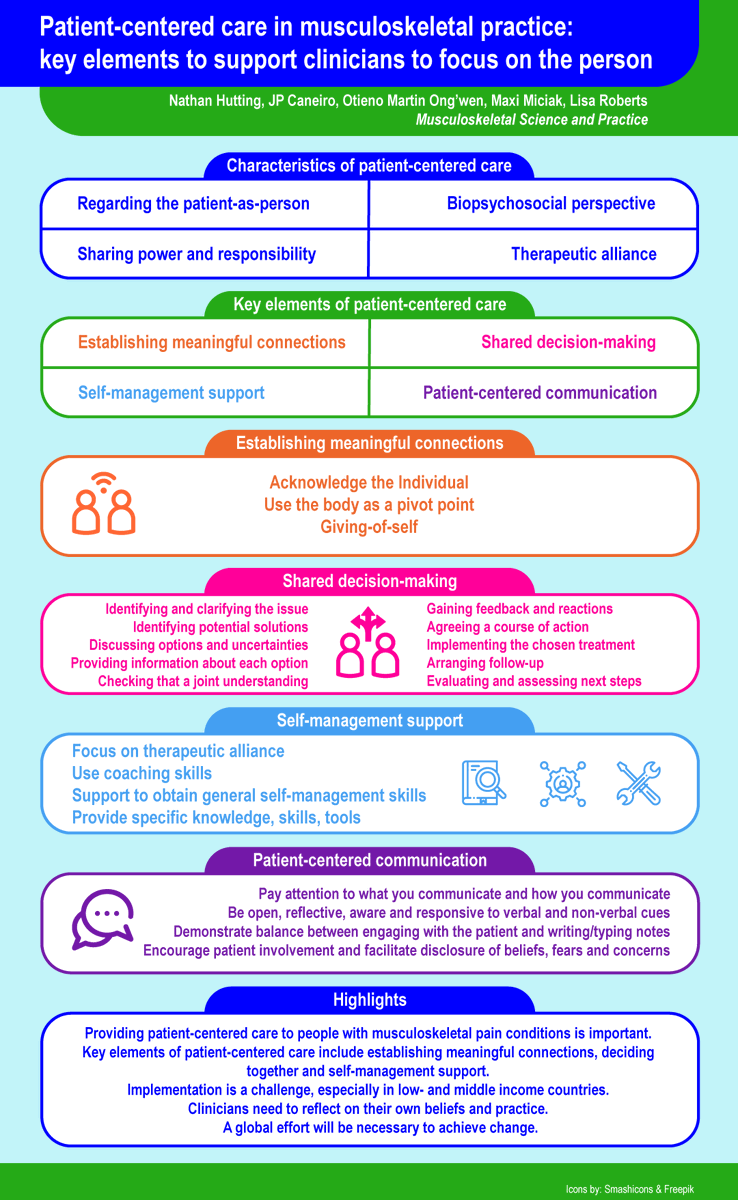
5 practices that have the potential to enhance the healthcare professional's presence and connection with patients...
https://t.co/EDuLQSbc8u
FreePDF: https://t.co/w7kTprrxC2
"Perceptual illusions show us in a clear and unambiguous way that we don't directly perceive the world around us. Perceptual experience is a simulation—a mental model—that doesn't always correspond to the reality it aims to depict." https://t.co/4E8xM71g5p
Abnormal findings in 97% of MRIs of knees in asymptomatic adults. Even bucket handles. “Treat the patient not the MR image”. Not new but salient. @brucebforster https://t.co/6Utu6SAIDk
🎬 In this first episode, Josef M. Andersen will interview Kiran Satpute. We hope you enjoy this interview and this project! We aim to actively contribute for bridging the gap between research-based knowledge and clinical practice!
https://t.co/m075dP953a
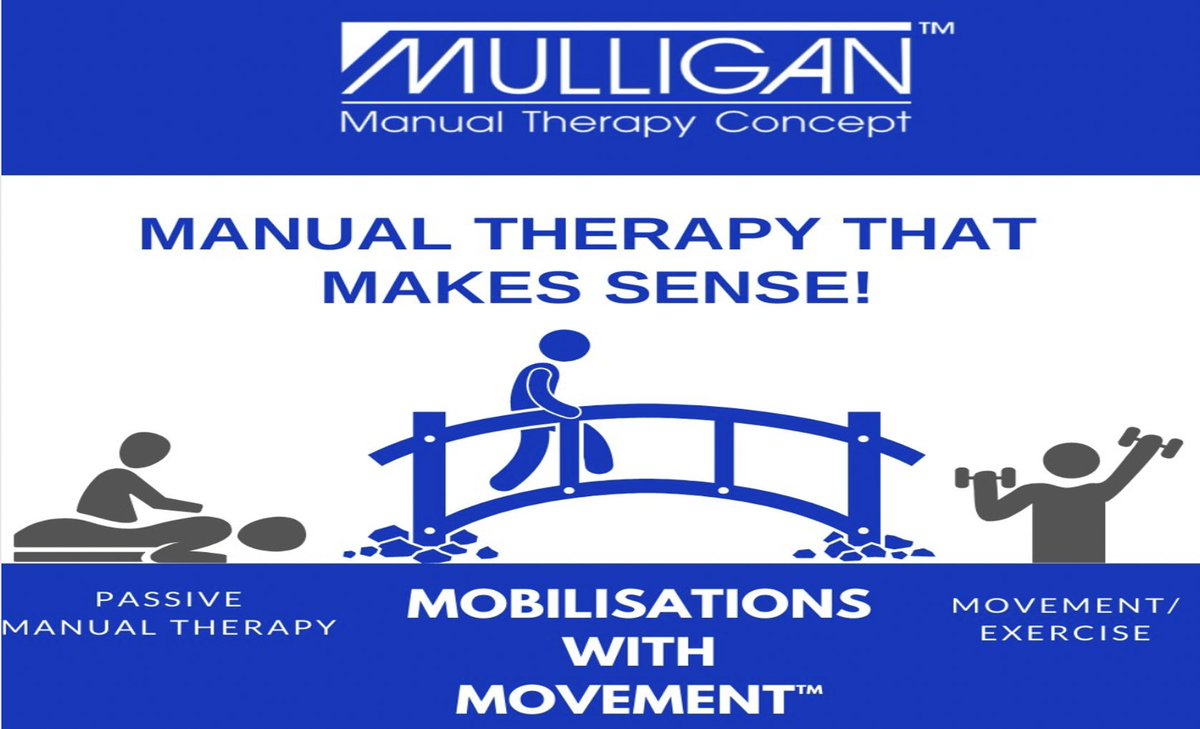
#mulliganconcept
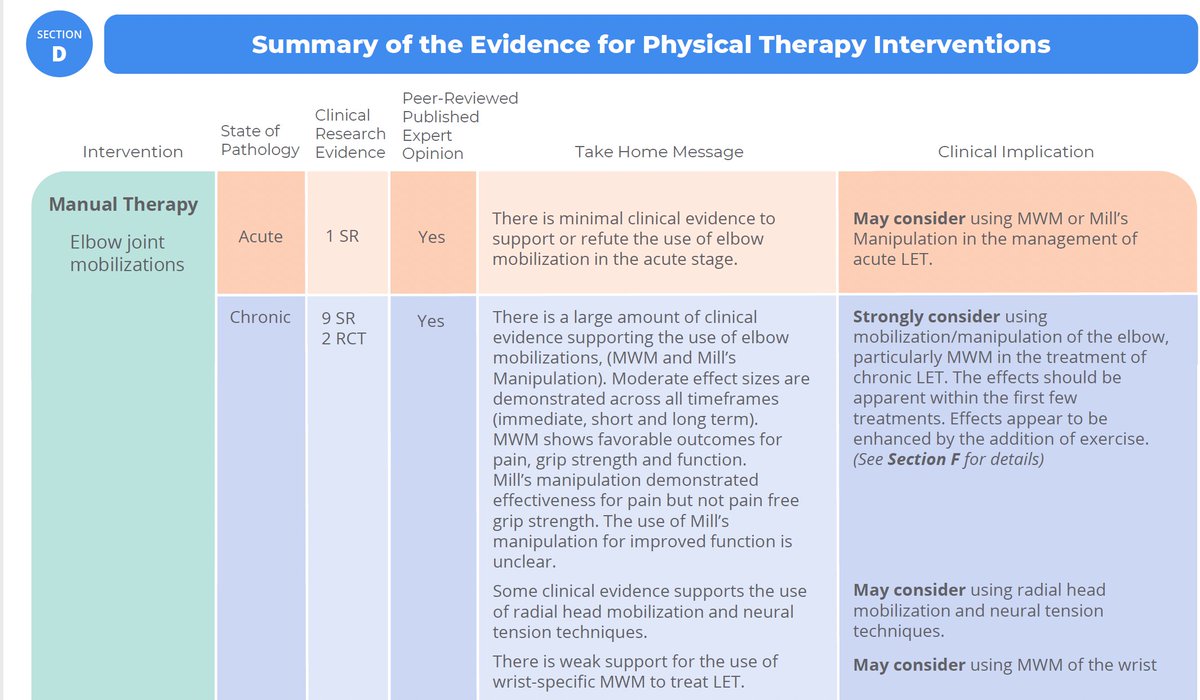
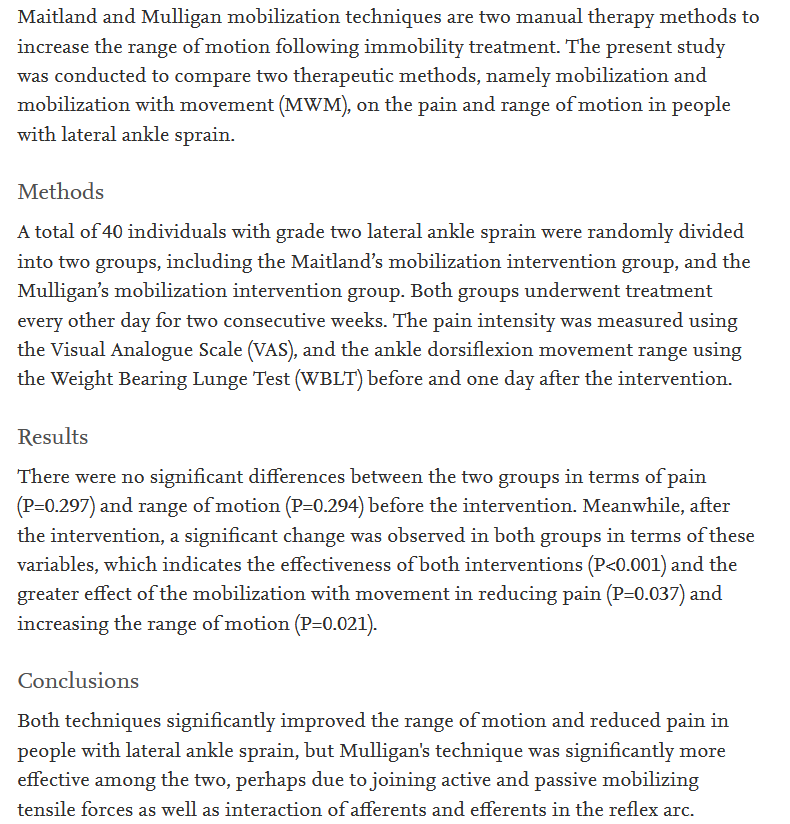
A comparison of mobilization and mobilization with movement on pain and range of motion in people with lateral ankle sprain: A randomized clinical trial
👀👀👇👇
https://t.co/97J4RJOVEx