I have been asked about my approach to placing stop-loss orders, so I have created an annotated chart to illustrate my thought process.
I consider three options for stop-loss placement:
Option 1: Being the less "risky" option, but with a higher chance of getting randomly stopped out.
Option 2: This option is based on my own risk tolerance. It can be used as an alternative to option 1, especially if I haven't entered the trade with a larger position size. The stop-loss level is determined by my personal comfort level with potential losses, while carrying less likelihood of getting randomly stopped.
Option 3: In this option, I focus on the structure of the stock. It is the most effective stop-loss placement method, but it may not be applicable in all situations. This option works best when the price chart forms a base that is relatively narrow, typically less than 5-8% wide. When such a base is present, I always prefer using this option as it takes advantage of the stock's technical pattern.
These three options provide me with flexibility in adjusting my stop-loss placement based on different factors such as risk tolerance, market conditions, and the specific characteristics of the stock I am trading.
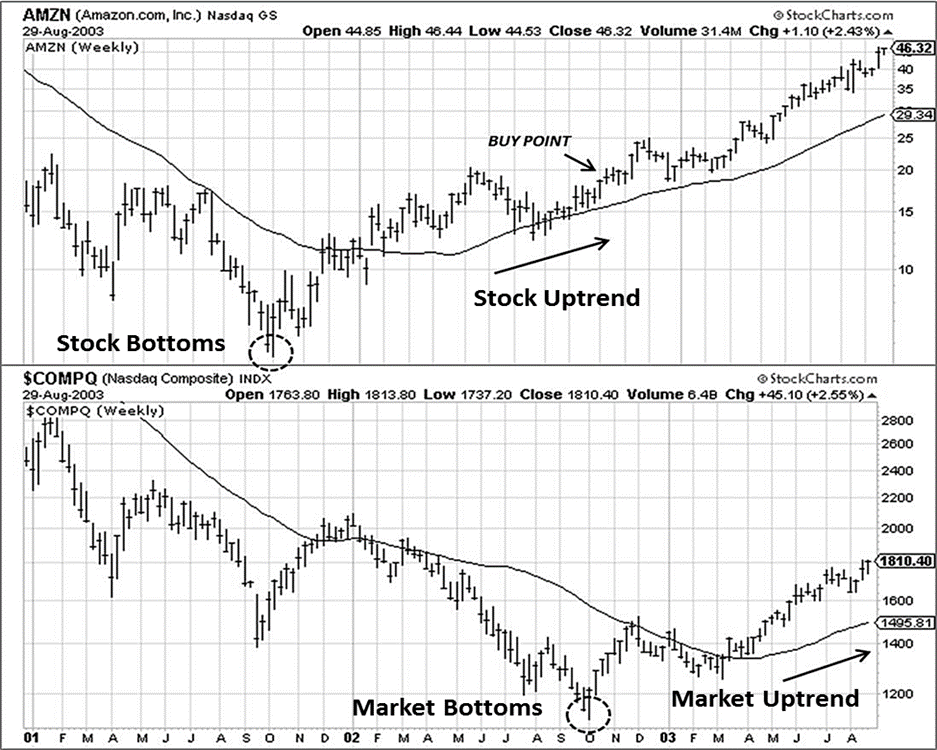
If you are worried about making a mistake buying a potential leading stock too early, THAT'S WHAT STOPS ARE FOR! But if you wait for confirmation from the "market"... by default , you NEVER buy and enjoy the power of a true market leader. Because LEADERS LEAD!
Next time your cousin who has settled in the US says he makes Rs 80 Lac a year, tell him you only need Rs 23 Lac to match his lifestyle in India.
This is how #PurchasingPowerParity (PPP) works.