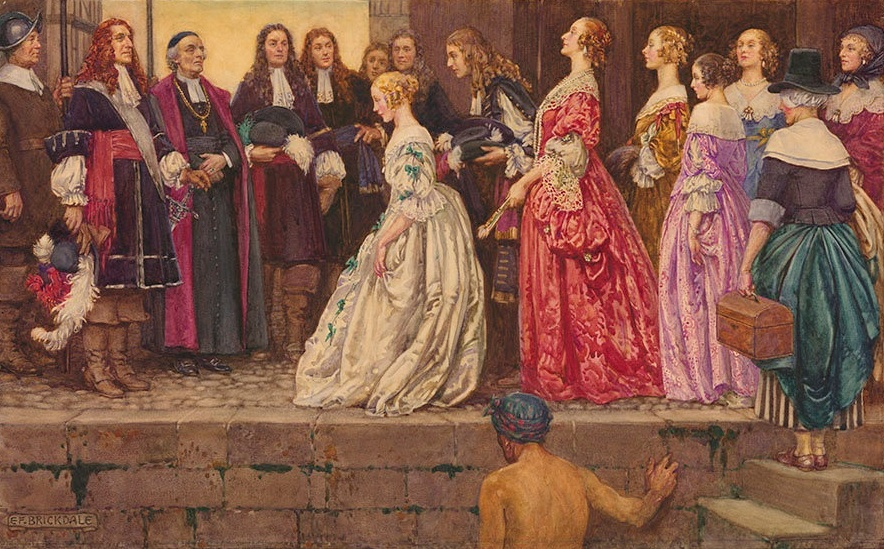
In 1719, France offered prisoners in Paris their freedom if they agreed to marry and relocate to the Louisiana colony. The policy was part of a broader push to populate the region, which struggled to attract settlers, especially women.
Many of the women involved were labeled “prostitutes” or “correction girls,” though that description often oversimplified their situations, as they were typically women facing imprisonment or social hardship. By pairing them with male prisoners and sending both to Louisiana, French authorities hoped to strengthen and expand the colony through forced settlement and marriage.
Community Foundations of Canada has officially opened applications for Free to Play, a landmark $32M initiative designed to build a movement of outdoor play for children across the country.
https://t.co/PDGWOUzxb0
Over 1000 families in Houston will now enjoy the Thanksgiving Dinner they deserve special thanks to my @gunityfoundation
@gunitybusinesslab and my partners
@houstonrockets@specs1962@krogerco
This year, DoorDash marked 135 million meals delivered from food banks and other nonprofits to people in need through Project DASH.
Project DASH delivers boxes of nutritious food from food banks and other nonprofits to the doorsteps of people in need -- the elderly, the sick, and families working hard to get by.
These deliveries are just like any other delivery through DoorDash. And that's the beauty of it.
Follow me to learn more about DoorDash’s fight against hunger.
In 1663, King Louis XIV sent roughly 800 women to Quebec to marry settlers and expand the colony’s population. The initiative proved highly successful—today, about two-thirds of French Canadians can trace their lineage back to these women.