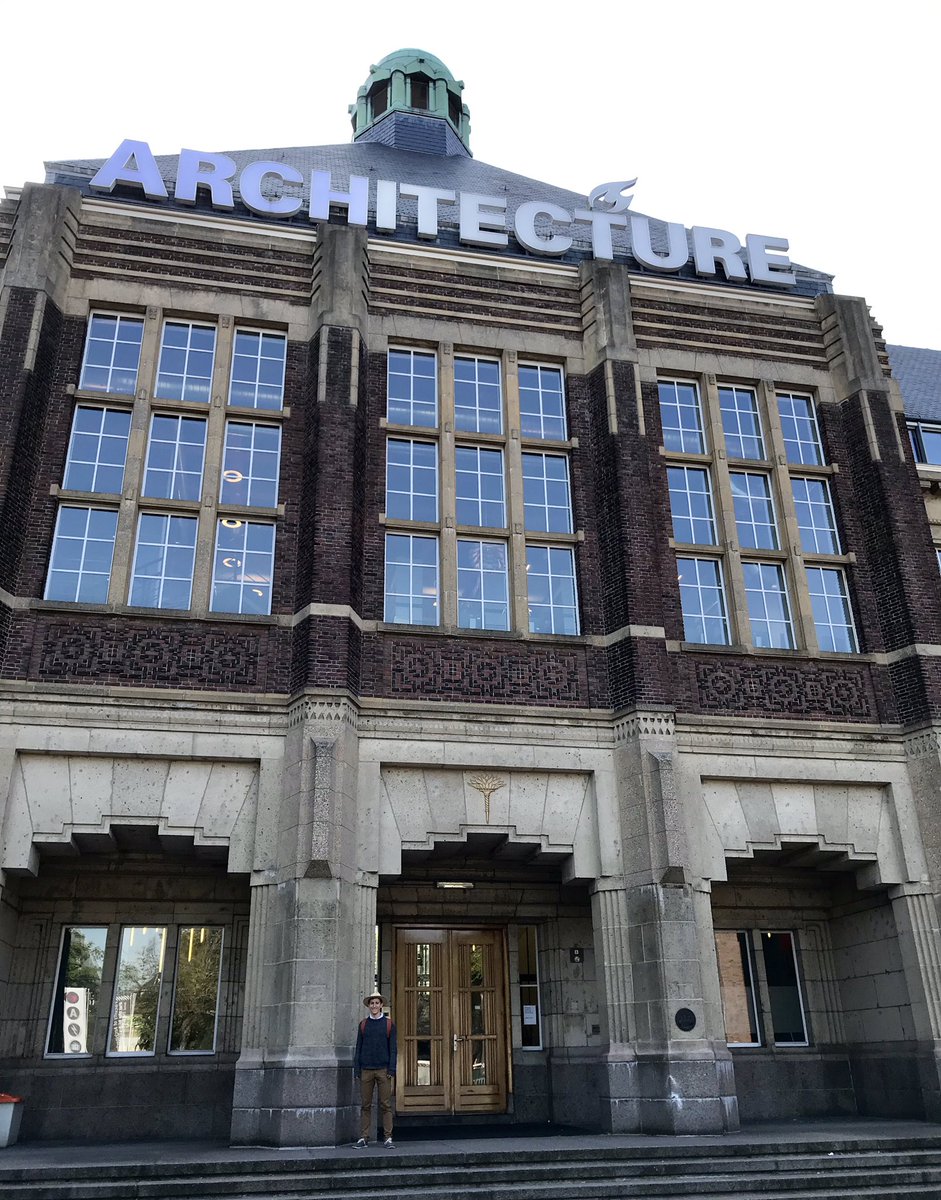
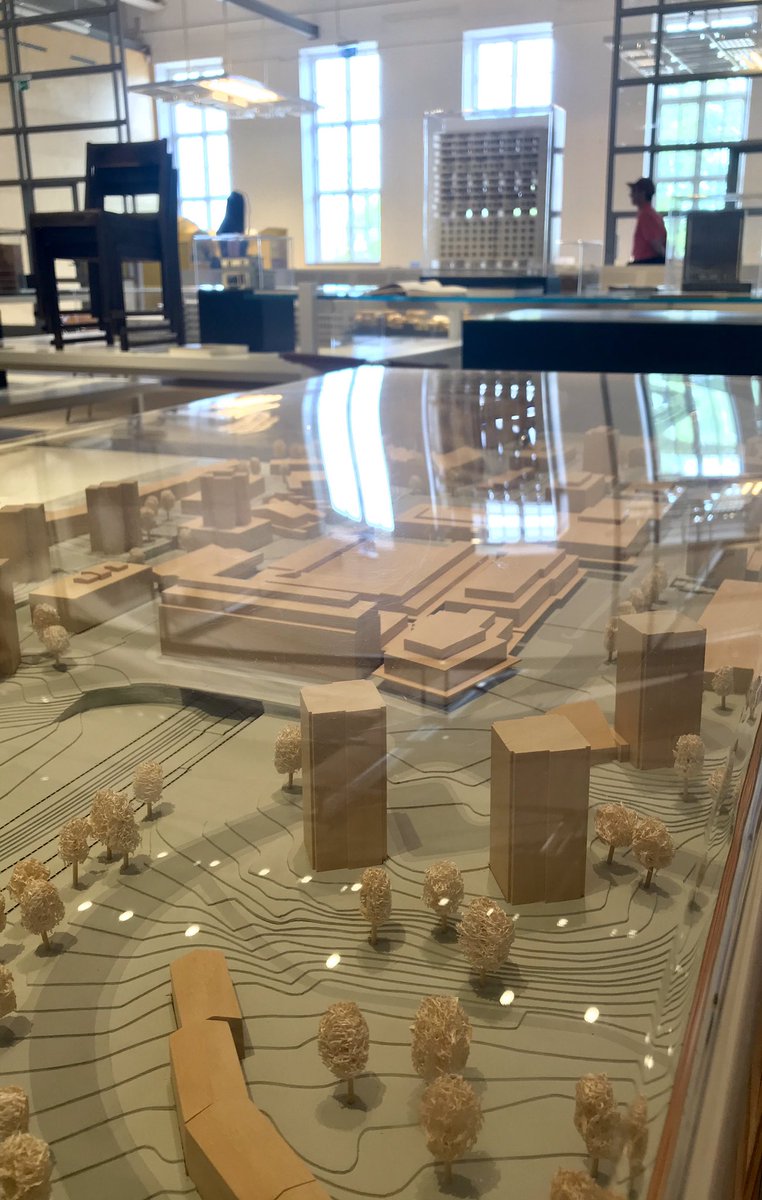
Leaving Amsterdam with some questions answered, but even more to explore in NYC with my students. I really appreciate @AcademyforTeach for giving me the opportunity to study abroad this summer through The Don Quixote “Follow Your Dream” Fellowship (https://t.co/M28mka5LRe)!
Thinking critically about access and explicit vs. implicit rules of navigating the street, as well as the “walkable city”. Many communities in Amsterdam are “walkable”: you can access school, groceries, public transit from home in 5 mins. Is everyone’s community walkable in US?
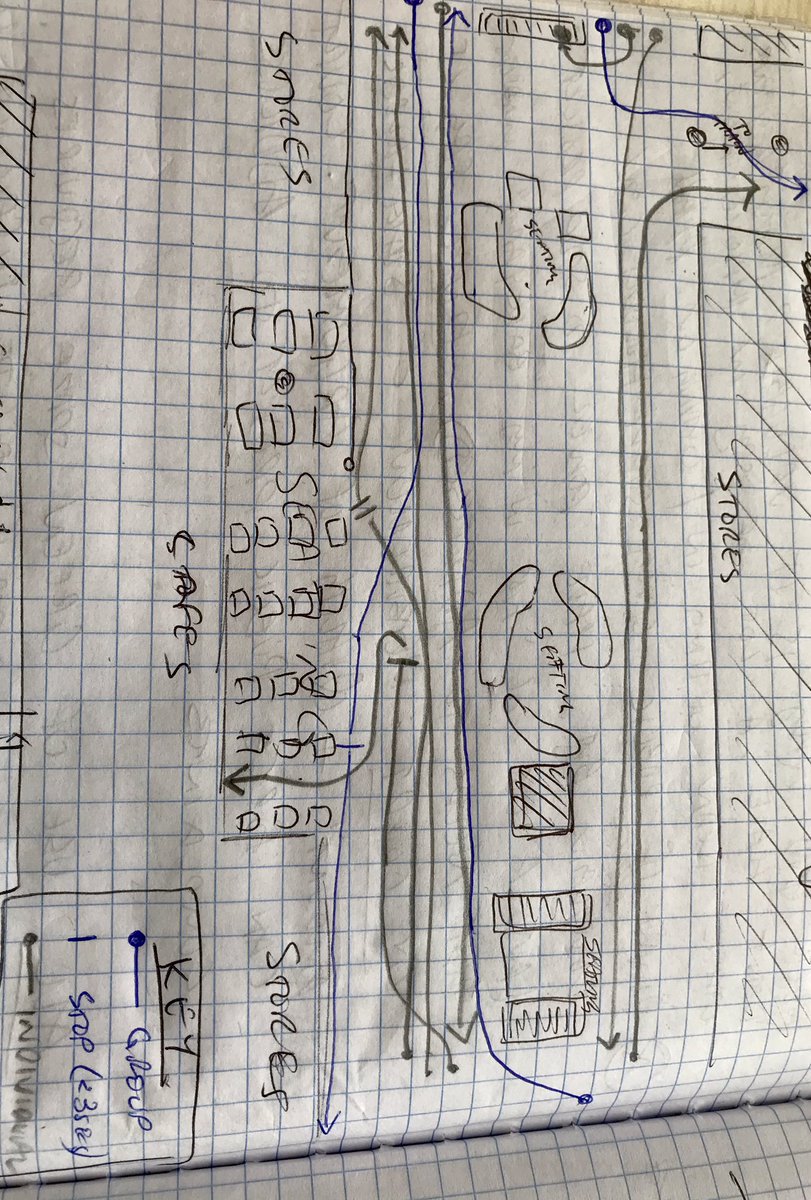
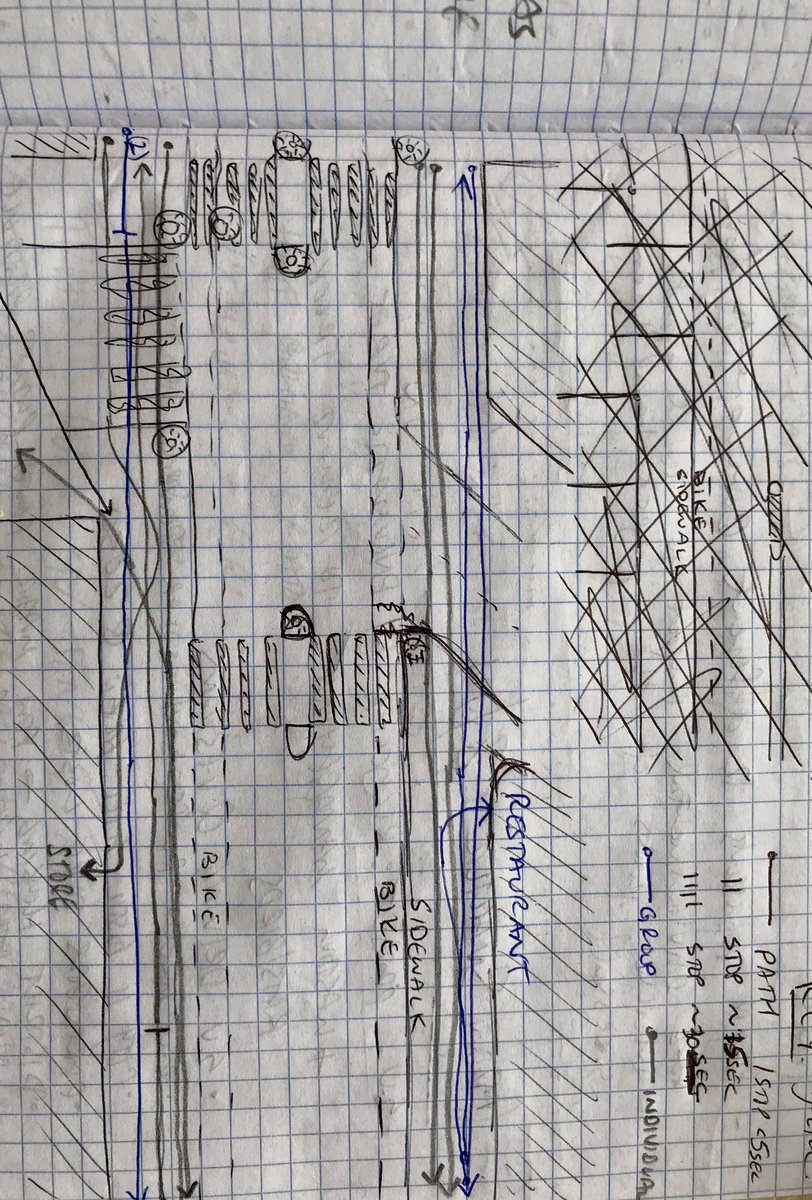
Following the conversation at TUDelft, I tracked ped and bike interactions to see how we could use maps of current traffic flow to make improvements to busy intersections. Noteably, many intersections had no stoplights or signage, despite heavy bike, car, ped, and tram traffic!
Spoke with faculty at TUDelft Department of Urbanism who’re thinking about how to convert streets back from mobility corridors (bikes,cars,etc) to communal spaces. When parking is on the streets and traffic signs are everywhere, the street is predesignated for mobility.
But, if you find ways to reduce parking and designate traffic flow on the pavement instead of at eye level, you change the visual layout of the street. Dutch designers build streets like this to prioritize bikes over cars in order to slow down the street - huge avg speed drop!
We also spoke about tracking cyclists interactions and paths of travel through intersections, then using those paths to rebuild intersections to actually support paths that cyclists are using!
“What happens if you turn off the traffic lights?” Went to a talk by @dutch_ish about how she studied effects of shutting off traffic lights on bike commuters, then used that data to restructure the intersection w/o lights and double bike flow! https://t.co/WagR3MouBA
Met with faculty at the Human Geography Department of the University of Copenhagen. Professor Winther stressed the importance of local engagement and input in creating workable urban planning solutions to many of the urban challenges we’re facing today (like affordable housing).
Collecting data and diagramming pedestrian interaction on car-less and car-a-plenty streets in Copenhagen (even in streets with cars, the ratio of cars to bikers is ~1:3.5, yet car traffic still takes up more of the streets) @AcademyforTeach
Copenhagen has a whole research institute for Happiness! Their architects design public space to promote a sense of togetherness, health, and trust - even their swings and libraries have space for multiple people to collaborate! @AcademyforTeach
Goodbye Stockholm, hello Copenhagen! Really appreciating @AcademyforTeach for giving me this opportunity to study sustainability and happiness in urban centers! Pictured: much of the infrastructure is built exclusively for bike/ped. Cars take x2 or x3 longer to travel with!
In Stockholm, transportation planning is flipped on its head. Bikes and pedestrians are at the top of the city planning hierarchy. New developments and urban renewal projects plan for < 0.3 cars per apartment, but at least 2.5 bikes per apartment. @AcademyforTeach@TransAlt
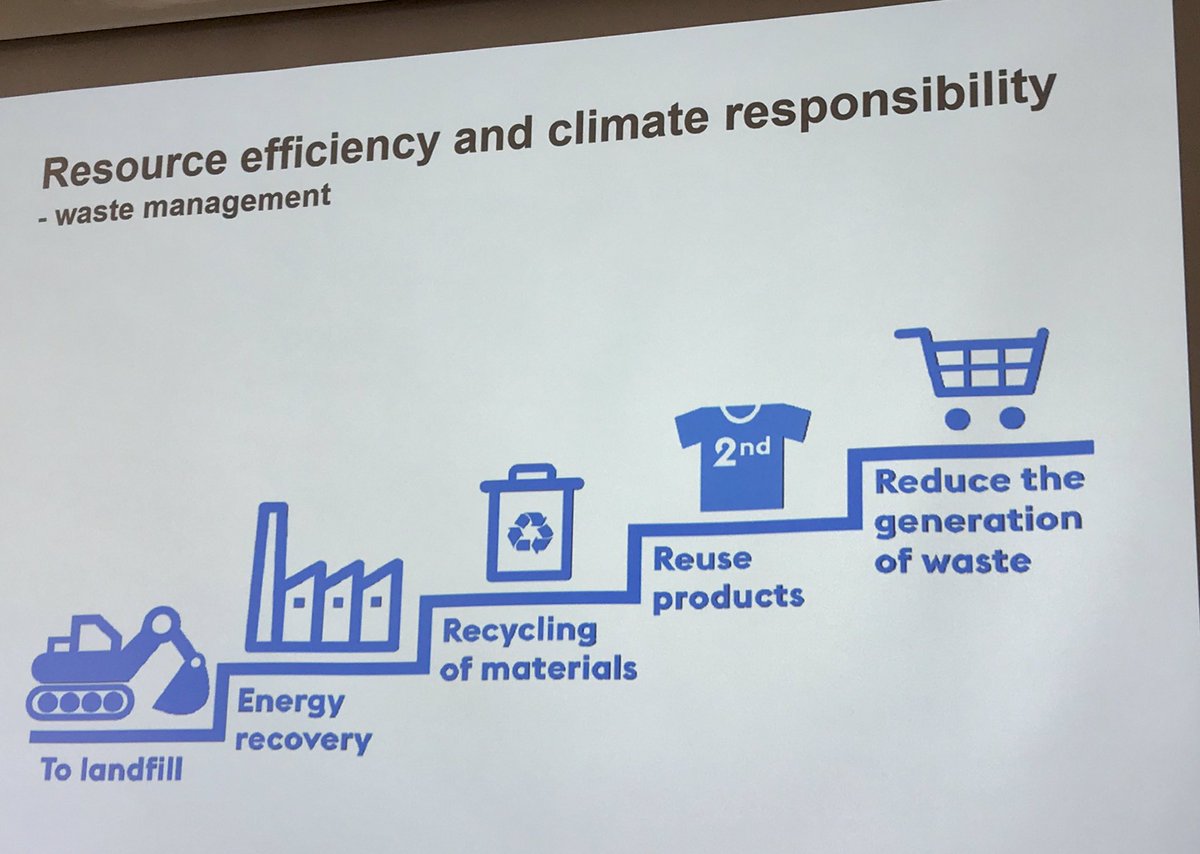
Meeting with city planners in Stockholm. Stockholm has 2% of its waste go to landfill (the rest is repurposed in some way). They even have systems to support businesses in energy and heat recycling! @AcademyforTeach
In Sweden, urban planners and architects are thinking about how to create hyperdense living to reach carbon neutrality by 2050. Who can name the 16 year old Swedish climate activist who is shifting the conversation worldwide? @AcademyforTeach
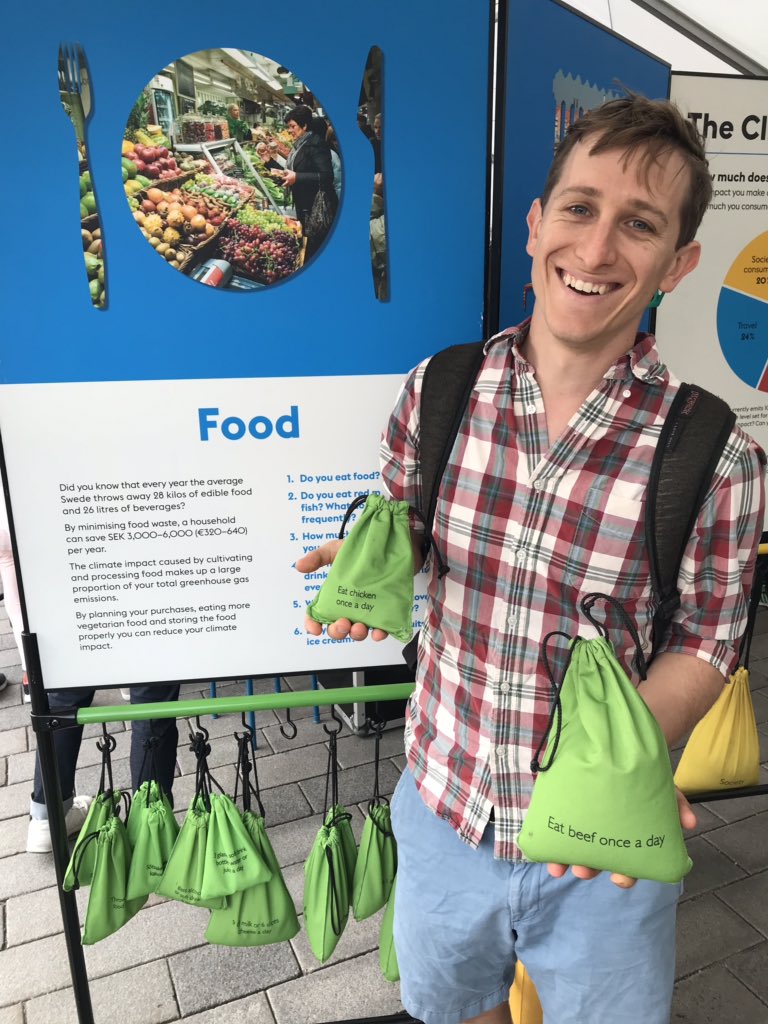
Talking with educators about how to help Ss connect our actions to carbon emissions. Pictured: the judgement I received when I told the attendant working the station that I flew to Europe this year (hint: my final outcome pushed me out of avg Swede territory) @AcademyforTeach