Renuevan el 99% de los socios a pesar del lamentable final de temporada y sin ningún fichaje hasta la fecha.
Honor a la afición de Osasuna. Nunca fallan.
Your Netflix "4K" stream and a 4K disc put the same number of pixels on your screen. But the disc version of a two-hour movie is about 70 gigabytes. The stream is about 14. Same pixels, roughly five times less data filling them.
You see it first in dark scenes. The stream doesn't have enough data to tell dark grey from black, so your TV just mashes it all into chunky blocks. Then you notice sunsets looking like a paint-by-numbers, with visible stripes where smooth color should be. Film grain is probably the biggest casualty. Directors add that slightly textured look on purpose to make movies feel cinematic. Streaming compression reads it as noise and wipes it. That's where the weirdly plastic, waxy look on a good OLED comes from.
One comparison I can't stop thinking about. A regular 1080p Blu-ray (the older HD format, not even 4K) pushes about 40 megabits of data per second to fill 2 million pixels. A 4K stream pushes 15-25 to fill 8 million pixels. Four times the pixels. Less data. A plain HD disc from 2008 can look sharper than a brand new 4K stream.
Sound is worse. Netflix sends "Dolby Atmos" audio at about 768 kilobits per second, compressed, with parts of the original permanently deleted. A disc sends TrueHD Atmos at up to 18,000, lossless, nothing removed. Up to 23x more sound data. If dialogue sounds flat when you're streaming, that's not your speakers.
Netflix is getting better at this. As of late 2025, 30% of their streaming runs on a newer compression method called AV1, the same picture at a third less data. They also strip film grain out before compressing, then rebuild it on your TV during playback. Saves over a third on file size for most content, and up to two-thirds for really grainy movies. The rebuilt grain looks solid.
The tradeoff won't go away, though. Netflix has to deliver a file that works over spotty rural Wi-Fi and gigabit fiber, adjusting quality frame by frame to whatever your connection can handle. A disc reads plastic. Same quality every time.
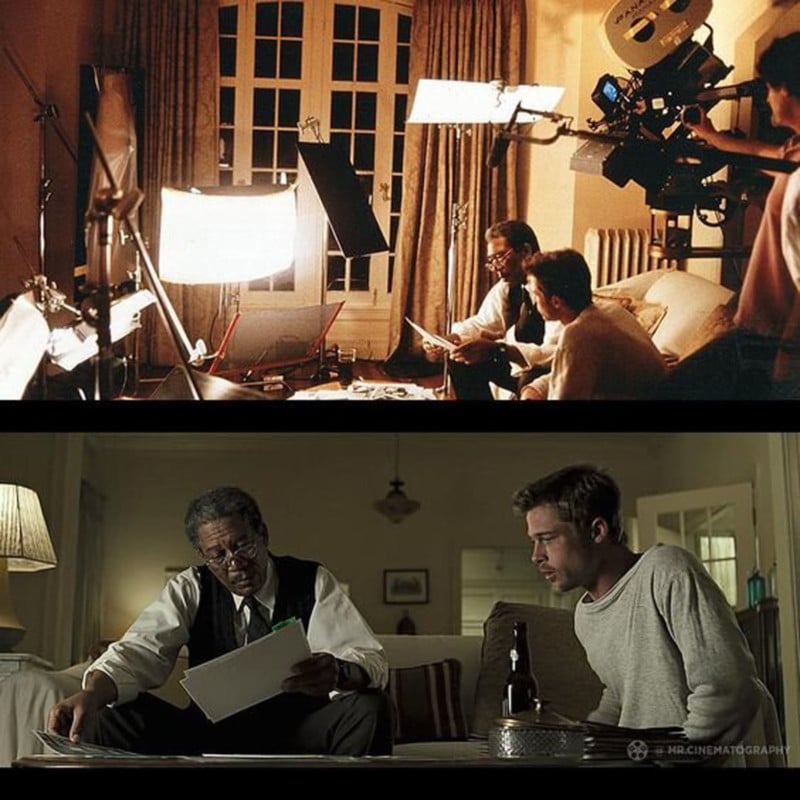
No amount of knob turning on DaVinci Resolve will turn the thing on the left into the thing on the right.
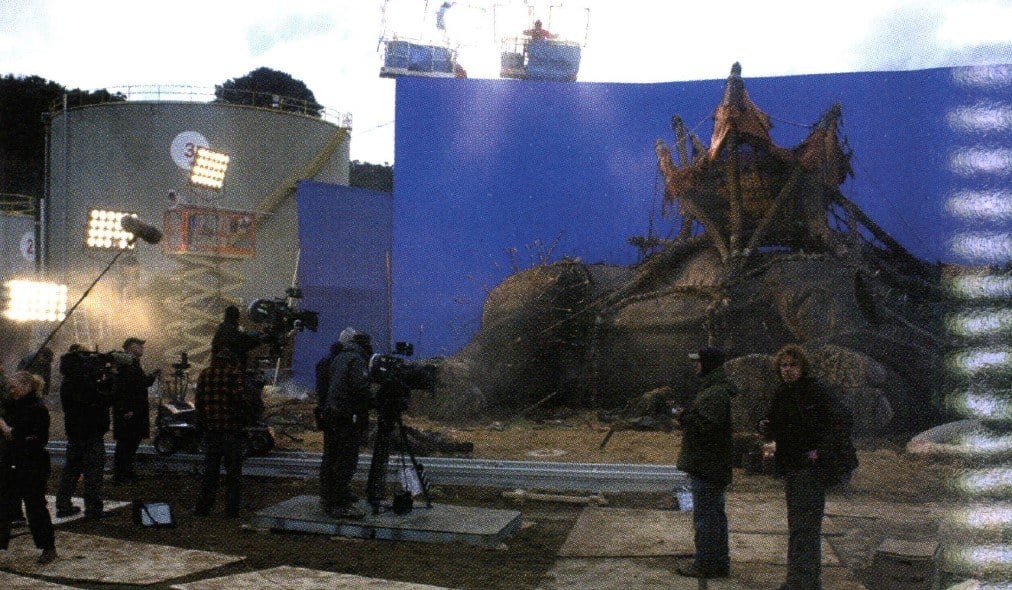
The reason it used to look good is not the grading, but the actual work that the cinematgrapher is supposed to do, which is placing lights on the scene.
The "cinematic" look of that era came from what was directly captured on film.
The set had sophisticated light placement to be able to impress on film but also because each shot had to look pretty and clear.
They don't do this in series and large productions because they can just add fake lights on post and they don't care, cause people are gonna watch it anyway with HDR on and all that crap.
Your movie will never look good if you don't craft lighting like an artist on set
I often see people claim Denis Villeneuve is shying away from the 'weirdness' of Dune and I think that sentiment misunderstands the first novel.
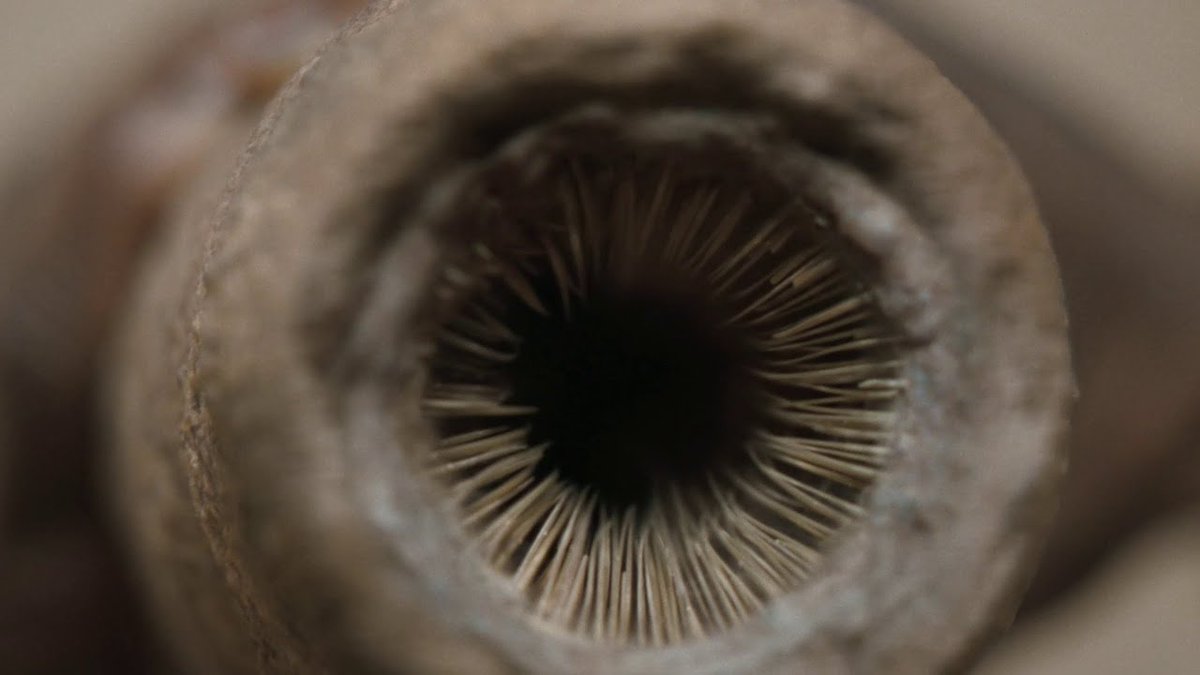
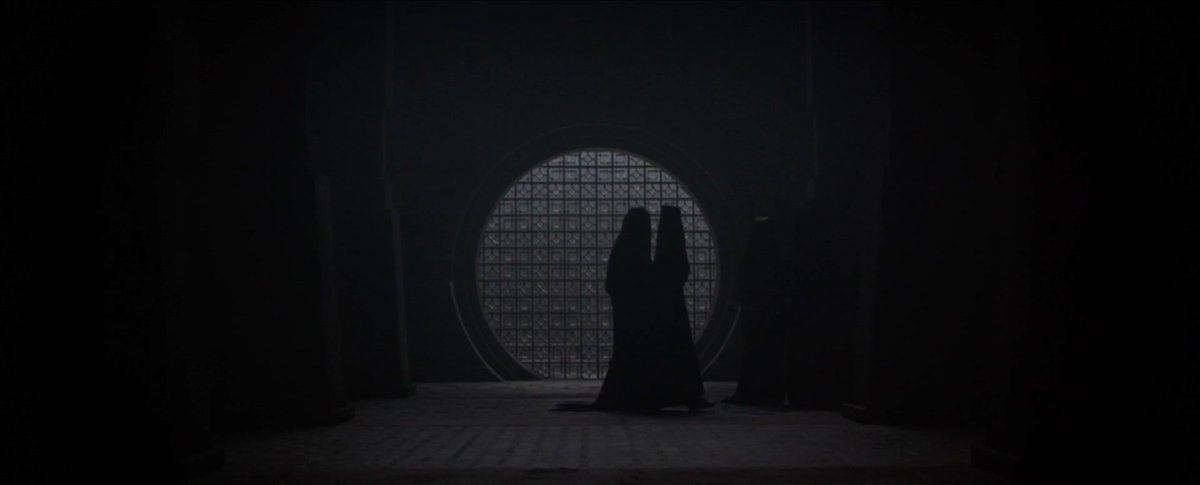
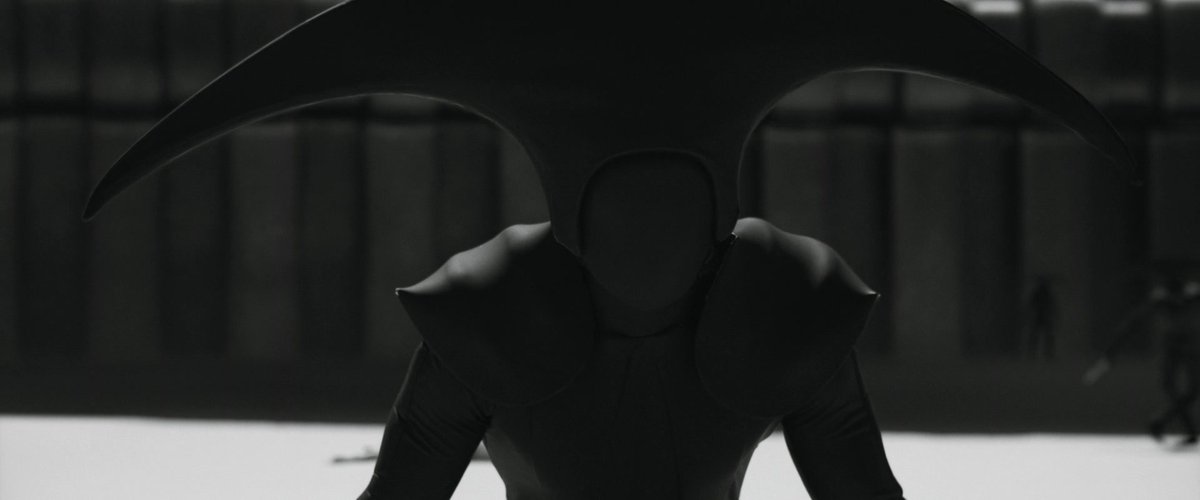
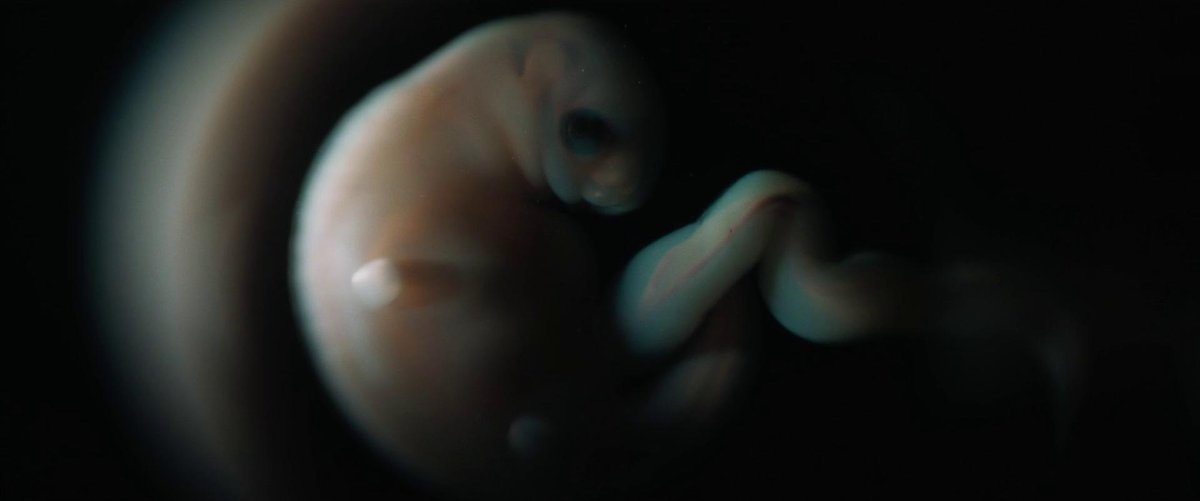
Alia the talking fetus, the Harkonnen spider creature and everything happening on Giedi Prime - a monochrome planet rooted in BDSM culture - Paul's visions - way trippier than in the book - the constant, ominous vibes of the Bene Gesserit and even a baby sandworm. Denis Villeneuve's Dune IS strange and weird and in some ways, I would argue it actually goes beyond Herbert's work in that regard.
Dune (1965) is a fairly straightforward work of science-fiction that remains mostly practical and grounded. Herbert was focused on Imperial Politics and Space Imperialism, Religion and Ecology and the concept of power. It wasn't his goal to create a grotesquely strange world and he never really did. Some people simply seem to have warped memories of the first novel due to Jodorowsky and Lynch. The book is not a constantly psychedelic, absurdist story; the drug plays a role, but I feel some people oversimplify the story and claim everyone is constantly and completely high.
Dune (1965) isn't filled with the plethora of strange concepts you see in the later books. Shape-shifting Tleilaxu Face-Dancers, Gholas, a human-worm hybrid creature, Chairdogs. It doesn't have a guild navigator show up every two pages. They are mentioned, but neither described nor shown until Messiah so it makes sense we haven't seen them yet.
I have complete faith that he will capture the weirder lore aspects and characters of Dune: Messiah brilliantly in Dune: Part Three.