Una vez, un R4 me castigó un mes, entraba a las 5am y me dejaba salir hasta las 12 de la noche. Yo aguanté el castigo todo el mes (el único en la residencia que tuve y el único R pasadísimo de verga), el último día del castigo me dijo:
Ya cumpliste, no lloraste, estudiante e hiciste lo que se te pedía de los pendientes, ahora solo tráenos la cena y te vas.
Yo le contesté - estás pero bien pendejo, pinche miserable, no voy a traer nada y si no te parece vamos para afuera y lo arreglamos.
El wey obviamente se pandeó y jamás me volvió a molestar.
A lo que voy, es que aveces hacen falta dos, uno que quiera y otro que se deje.
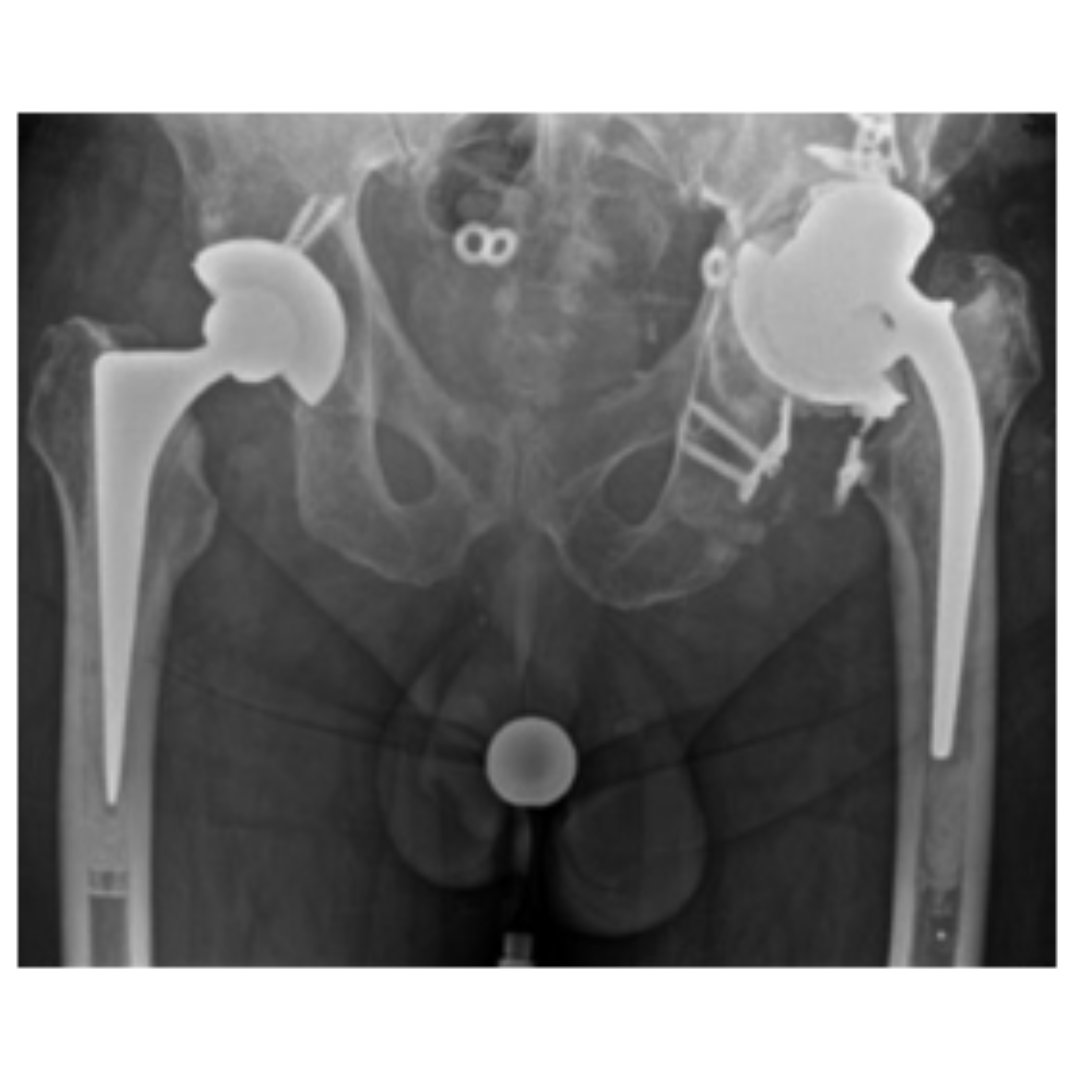
This annotation provides an overview of the evolution of augments, their function, and the outcomes of their use in complex primary and revision THA.
#BJJ#TotalHipArthroplasty#Surgeons@sahilsanghavi
https://t.co/Z8tfCU9UGs
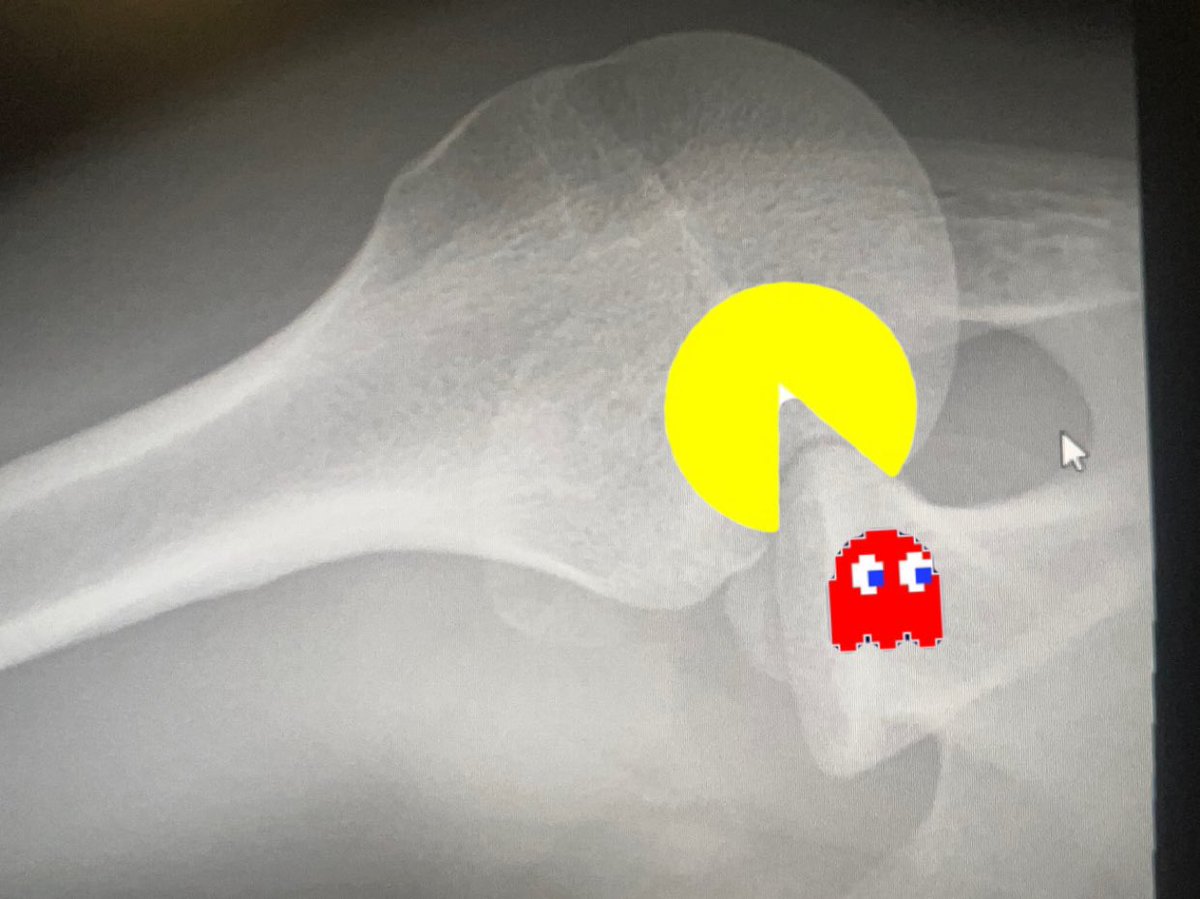
I recently read this article published in @ArthroscopyJ and I find it extremely useful. This example shows how the “perfect circle” better fits the typical native glenoid morphology once the AP diameter is calculated using the 2/3 of glenoid CC diameter.
https://t.co/fAHWJxiCyc
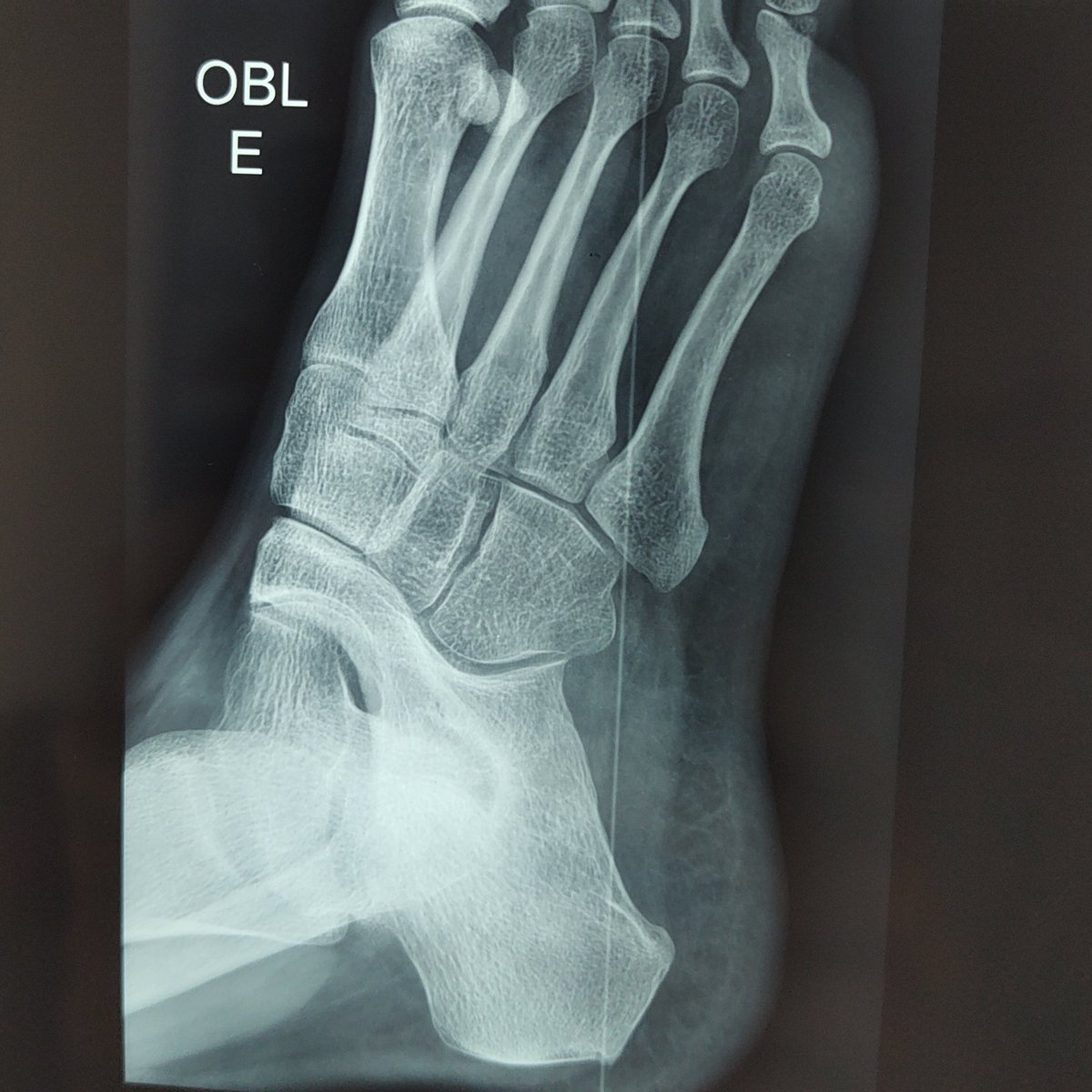
SCAPHOID main blood supply comes from Dorsal Carpal Branch of Radial Artery, which needs to do a U-turn (arch back on itself) to provide what is called "retrograde blood flow".
The front of the bone become deprived of the blood when a Fx happens in middle of the bone(waist Fx)
Common types of rotator cuff lesions👍
It is worthy of noting that for specific Types of Rotator Cuff Tears, there are different classifications such as Snyder Classification, Ellman Classification, ...
From: Radiology Key
Bitácora del R3: salí positivo a covid en mi última guardia de R2, me incapacitaron hasta la primera postguardia del R3, ya no aguanto la espalda y la perra tos
“J sign” de maltracking rotuliano. La “quilla” de la rótula se medializa al entrar en el surco rotuliano con la flexión, y se lateraliza en los últimos grados de extensión.
SLAP Classification
I
Labral and biceps fraying, anchor intact (11% of cases)
II
Labral fraying with detached biceps tendon anchor (41% of cases)
III
Bucket handle tear, intact biceps tendon anchor (33% of cases)
(Biceps separates from bucket handle tear)
IV
Bucket handle tear with detached biceps tendon anchor (15% of cases)
(Biceps remains attached to bucket handle tear)
V
Type II + anteroinferior labral extension (Bankart lesion)
VI
Type II + unstable flap
VII
Type II + MGHL injury
VIII
Type II + posterior extension
IX
Circumferential
X
Type II + posteroinferior extension (reverse Bankart)