Avoiding Pile-Ups
One of the reasons we work in six week cycles, is that it gives us a different definition of later.
When you work on really long projects — say 3, 6, 9 month projects — or projects that don’t have any end in sight, “we can do that later” typically means you’ll get to it eventually, as part of the current project.
But long time frames simply give you invisible space to pack away unrealistic amounts of work. Since later is so far away, there’s no harm in kicking the can down the line. In other words, later makes a pile at the end.
Gnarly problem you can’t figure out how to solve yet? Punt it into the later pile. Design not coming together quite right? Toss it in the later pile. Taking on lots of technical debt as you go? Push it into the later pile.
But then as you near the end, you run into this big pile of stuff you said you’d eventually deal with, fix, redesign, tighten up, etc. But there rarely seems to be enough time at the end, so you either end up guiltily ignoring it entirely, or hastily patching it together with duct tape. And when you hastily patch, you often end up creating another fix-it-up project later.
But, when you work in six week cycles, or relatively short time frames, later means something else entirely. There’s no time for later. It’s now or not. Later doesn’t mean we’ll get to it at the end of this cycle. It means we’ll drop it. Later means another time, not this time.
With this approach. later isn’t an obligation, it’s a maybe. Later isn’t a cage, it’s freedom. It’s not a debt to pay off, it’s an asset. There’s no pile of pile ups, there’s no guilt, there’s no feeling of late nights and crunch time ahead.
Later simply means not now, not soon, and not for sure.
That’s the kind of later we like.
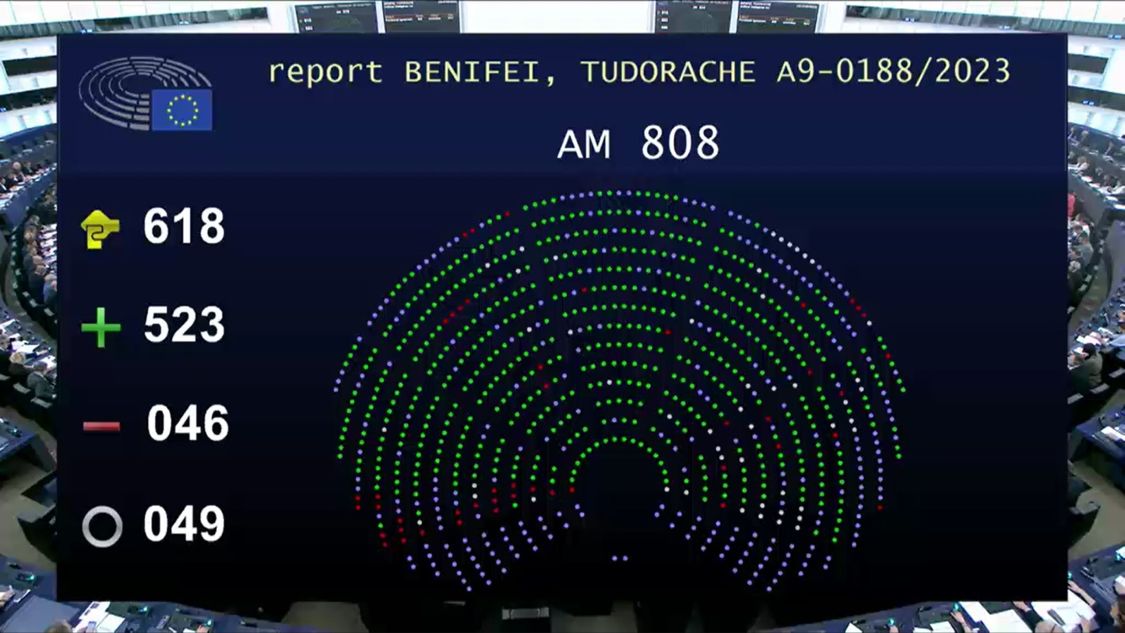
🚨BREAKING: The European Parliament has just APPROVED the AI Act. What everyone should know:
➵ The AI Act follows a risk-based approach. Some AI systems are banned, such as those involving:
- Cognitive behavioral manipulation of people or specific vulnerable groups;
- Social scoring: classifying people based on behavior, socioeconomic status, or personal characteristics;
- Biometric identification and categorization of people;
- Real-time and remote biometric identification systems, such as facial recognition.
➵ Some AI systems fall in the "high-risk" category, such as those involving:
- Critical infrastructures (e.g. transport) that could put the life and health of citizens at risk;
- Educational or vocational training that may determine the access to education and professional course of someone’s life (e.g. scoring of exams);
- Safety components of products (e.g. AI application in robot-assisted surgery);
- Employment, management of workers, and access to self-employment (e.g. CV-sorting software for recruitment procedures);
- Essential private and public services (e.g. credit scoring denying citizens opportunity to obtain a loan);
law enforcement that may interfere with people’s fundamental rights (e.g. evaluation of the reliability of evidence);
- Migration, asylum, and border control management (e.g. automated examination of visa applications);
- Administration of justice and democratic processes (e.g. AI solutions to search for court rulings).
➵ High-risk AI systems will be assessed before being put on the market and also throughout their lifecycle. People will have the right to file complaints about AI systems to designated national authorities.
➵ Generative AI, like ChatGPT, will not be classified as high-risk but will have to comply with transparency requirements and EU copyright law. Some of the obligations are:
- Disclosing that the content was generated by AI;
- Designing the model to prevent it from generating illegal content;
- Publishing summaries of copyrighted data used for training.
➵ The AI Act is expected to officially become law by May or June, and its provisions will start taking effect in stages:
- 6 months later: countries will be required to ban prohibited AI systems;
- 1 year later: rules for general-purpose AI systems will start applying;
- 2 years later: the whole AI Act will be enforceable.
➵ Fines for non-compliance can be up to 35 million Euros or 7% of worldwide annual turnover.
➵ If you want to learn more about the AI Act, including challenges, opportunities, and practical insights, join my live session with @BertuzLuca, @JcMalgieri & @RistoUuk on April 4th (register using the link below).
Patrick Collison, Stripe CEO, on why quality matters:
"If Stripe is a monstrously successful business but what we make isn't beautiful and Stripe doesn't embody a culture of incredibly exacting craftsmanship, I'll be much less happy.
My intuition is that more of Stripe's success than one would think is downstream of the fact that people like beautiful things.
Because what does a beautiful thing tell you?
Well, it tells you the person who made it really cared."
I returned to NYC from my house on Cape Cod less than a week after 9/11. The first thing I did when I got home was race downtown to see the fallen towers. Many of you know this story, but when I got there and raised my camera to my eyes, a police officer approached me, whapped me on my arm, and said, "No photos. It's a crime scene." I realized then that we'd have no historical record of this horrific event if pictures weren't allowed. I had studied a few historical archives at the Library of Congress in D.C., and I knew I had to be the one to create an archive of this seminal moment in my city's - our global - history. Over the next 9 months, I returned to Ground Zero, a.k.a, The Pile, daily (with a few travel exceptions), to photograph the wreckage, light, architecture, and the incredible group of people who were there to excavate, clean up, rake for remains, and help in any way possible. It was a community of remarkable people - a brother and sisterhood - of ironworkers, NYPD, FDNY, Captains, Chaplains, security workers, and politicians. I snuck in daily to photograph and got kicked out daily. It wasn't until I quite literally stumbled into a group of men from the Arson and Explosion Squad, who asked what an older guy like me with a big old camera was doing down there, that I found my way in without fear of being evicted. They all quickly believed in the importance of the photographic record I was attempting to make. They gave me their phone numbers and said to call them if I had any trouble, and they'd bring me back to the site. Eventually, I got an official mayoral badge that granted me easier access to the Pile. In the end, I made over 8,500 pictures. My focus was never on human remains. I wanted to capture the place, the light, the people. I owe so much of this experience and access to my band of brothers from the Arson and Explosion Squad. Here is merely a tiny selection of some of the pictures. Many can be seen, however, at the Museum of the City of N.Y., World Trade Center Memorial Museum, Smithsonian Museum of American History, Library of Congress, and about 500 in my book, Aftermath: World Trade Center Archive.
1. A Worker in a Raking Field searching for human remains, 2002
@GergelyOrosz Large companies (think ones that operate in over 50+ countries) are highly complex. SAP reflects that business complexity. We have started off SAP projects with best intentions to keep it simple but ppl keep adding “local” reqs because they don’t want to change how they work 🤷🏻♀️
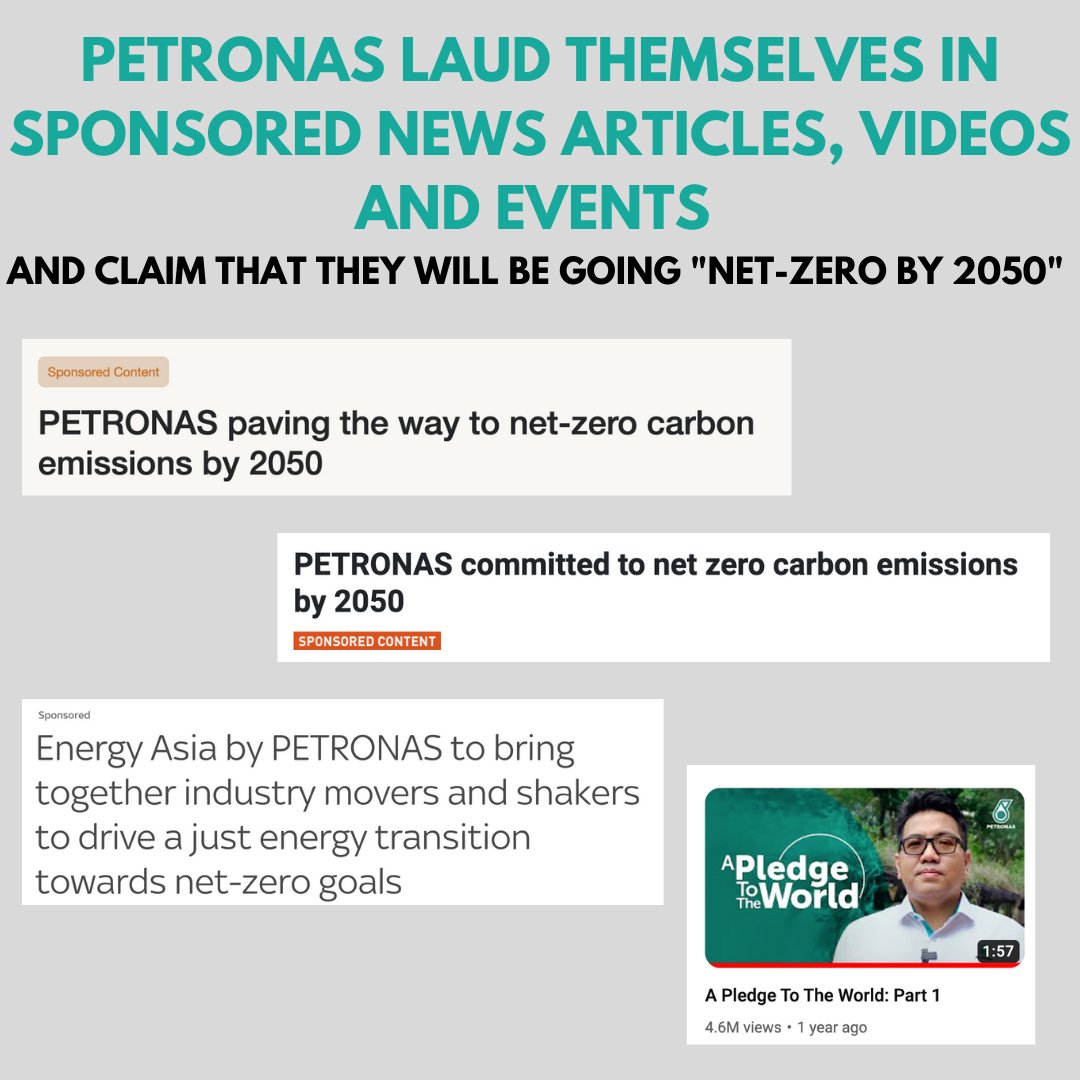
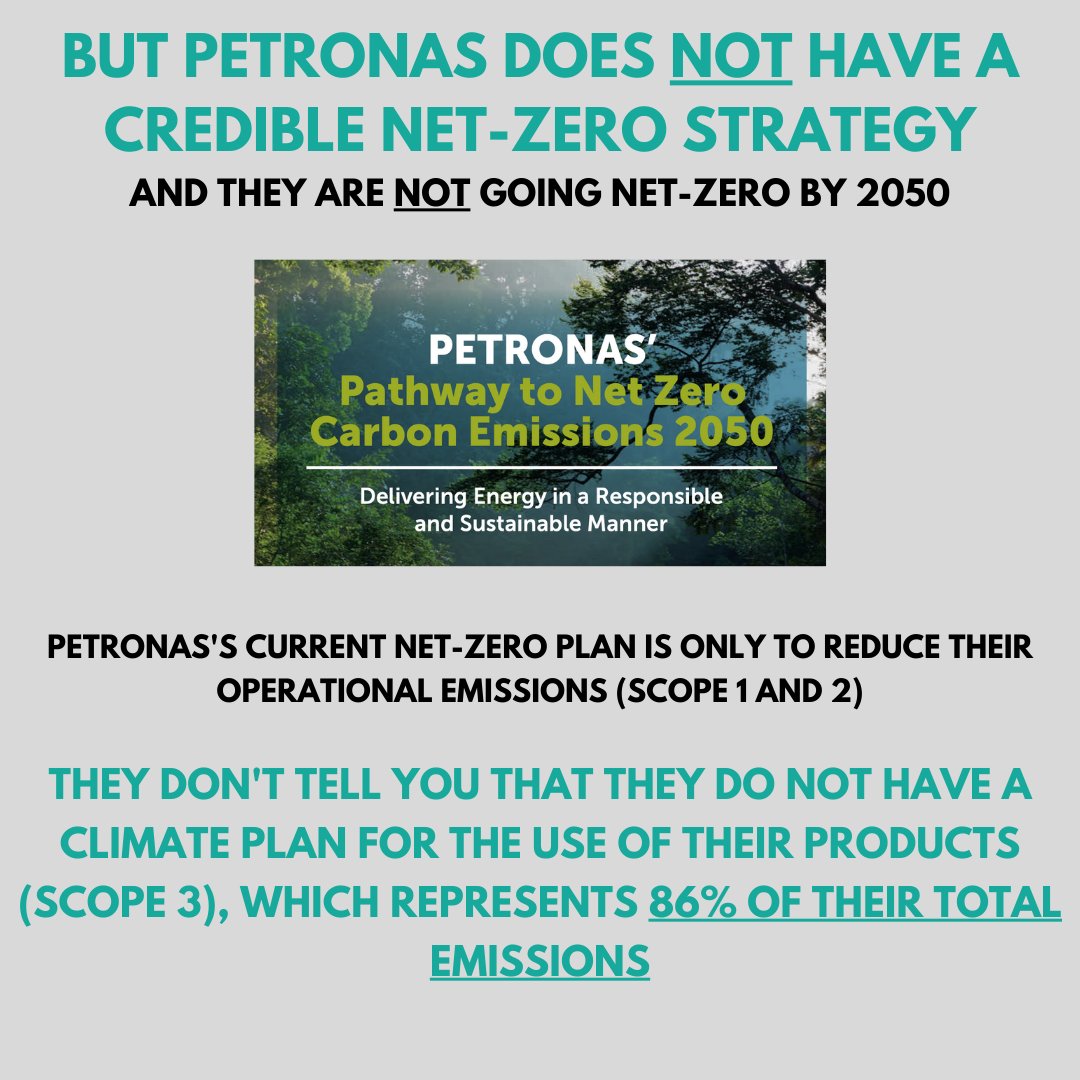
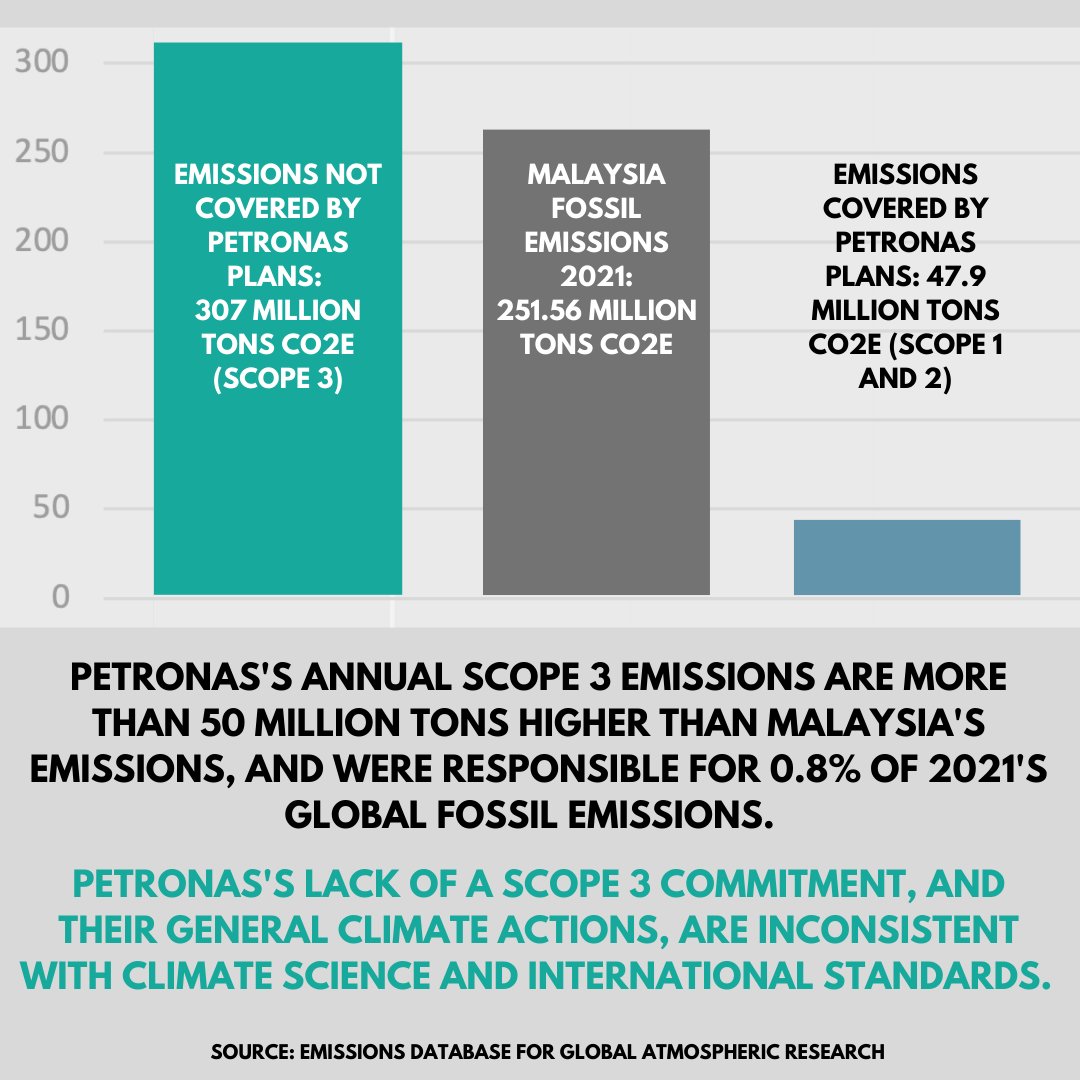
RimbaWatch is shocked by news of Petronas's fossil fuel discoveries and we're disappointed by the inadequacy of their net-zero plans (NZCE 2050), including the exclusion of Scope 3 emissions from their strategy and the extent of greenwashing conducted by them.
.@Instagram just dropped an Easter egg for Threads, their Twitter competitor:
- Type in “Threads” on IG Search
- click the little ticket
- you’ll get this card
Why is it important you disagree with senior leaders?
Because senior folk recognize how rare it is. I noticed fewer disagreements as I became more senior in my roles. This was a particular problem when I stated an opinion, and they took it as fact.
https://t.co/F0UD5V4iEK
Walkable places make us happier:
"Living in a walkable neighborhood was directly linked to the happiness of people aged 36-45 and, to a lesser extent, those aged 18-35. For older adults, we found that walkable places mattered [indirectly]." @kleyden7
https://t.co/4AGUpTQgN1
What you build is more important than how you build it.
"We might be going the wrong way, but at least we're making great time!"
It's a horrible waste of time to build the wrong thing well. The manager needs to focus on ensuring their team is building the right thing.











![DavidZipper's tweet photo. Walkable places make us happier:
"Living in a walkable neighborhood was directly linked to the happiness of people aged 36-45 and, to a lesser extent, those aged 18-35. For older adults, we found that walkable places mattered [indirectly]." @kleyden7
https://t.co/4AGUpTQgN1 https://t.co/N8SABZtjbD](https://pbs.twimg.com/media/Ftl8wNhWYAAM3sz.jpg)