There are over 33,000 Japanese companies with histories of 100 years or more. These long-standing firms are known as 'shinise'. They are governed by a management philosophy that prioritizes long-term continuity and generational succession over short-term profits.
Japan is home to an extraordinary number of long-lived businesses, often referred to as shinise (老舗). Many are small, family-run enterprises that have survived wars, economic upheaval, and technological change by focusing on stewardship rather than expansion.
At the heart of shinise culture is a different idea of success. Instead of maximizing short-term profit, these businesses prioritize generational succession, reputation, and stability. Leadership is often passed down, or even adopted into, families to ensure continuity. In fact, Japan has a long tradition of adult adoption (mukoyōshi), where capable successors are brought into the family to carry the business forward.
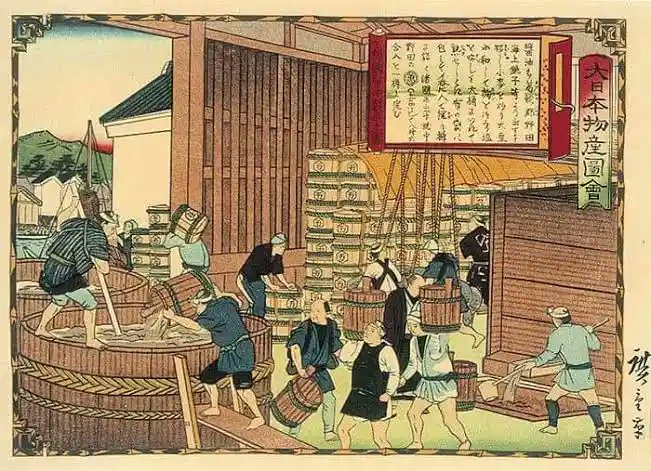
Some companies have operated for centuries. The construction firm Kongō Gumi lasted over 1,400 years before being absorbed in 2006. Others, like traditional inns, tea houses, and sake breweries, have quietly persisted for 200–300 years or more.
This long-view mindset reflects a broader cultural principle: a business is not just an asset to be optimized, but a legacy to be preserved.
Japan accounts for over 40% of the world’s companies older than 100 years, more than any other country by a wide margin.
#drthehistories
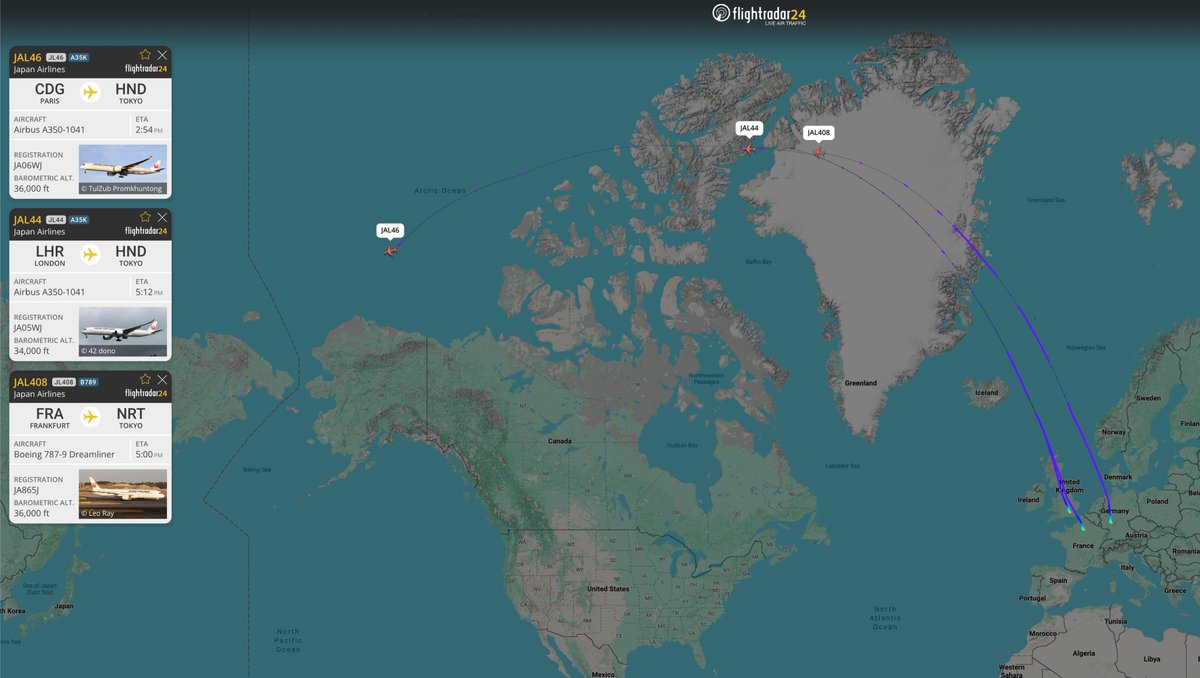
Japan Airlines flights from Europe to Tokyo are taking the westbound path today. Since the closure of Russian airspace in 2022, flights have generally flown east through Turkey and Central Asia to take advantage of tail winds. https://t.co/C9VPDVVNOf
G7 Unemployment Rates
1️⃣ Japan – 2.3% (July)
2️⃣ U.S. – 4.3%
3️⃣ U.K. – 4.7% (Q2)
4️⃣ Italy – 6.0% (July)
5️⃣ Germany – 6.3%
6️⃣ Canada – 7.1%
7️⃣ France – 7.5% (Q2)
🇨🇦 now has the 2nd-highest jobless rate in the G7, only behind 🇫🇷.
Hard to sell food when people don’t have jobs.
MRI machines per 1 million people / OECD nations:
1. Japan 57.4
2. USA 38
3. Greece 37.2
4. South Korea 35.5
5.Germany 35.2
6T. Italy 33.2
6T. Finland 33.2
8. Norway 31.3
9. Austria 26.6
10. Spain 20.4
OECD Average - 19.4
29. Canada 10.8
29th of 33 countries.
An MRI machine costs all-in around $3M (CDN $)
Canada has 432 MRI machines for the WHOLE nation.
Our federal government spends $500 million when it twitches. We could increase our capacity to 600 MRI machines w/ that spend.
Our shit health care outcomes are truly a choice.
Greg Abel said they will hold the five Japanese trading houses (Mitsubishi, Marubeni, Mitsui, Itochu, Sumitomo) for 50 years or forever.
Warren said it’s “the perfect relationship” and that they would love to have 100 billion i/o ~20 billion they currently have.
Long Japan 🇯🇵 !
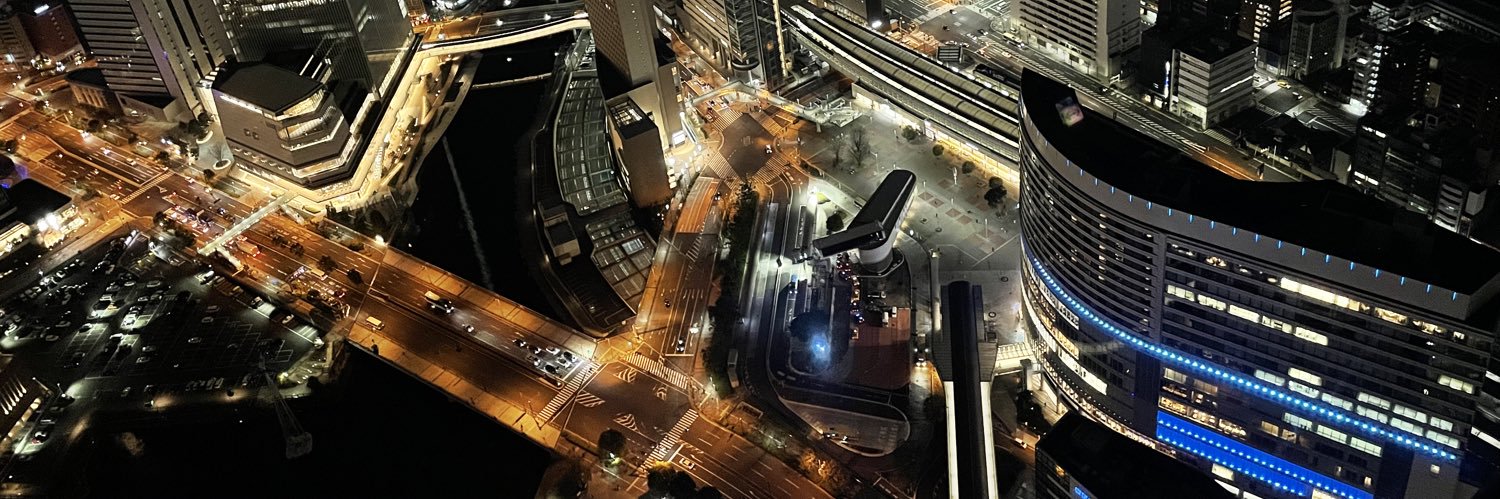
Japan is the hot place to move. Japanese cities put many other cities in the world to shame with their affordability, safety and top class infrastructure.
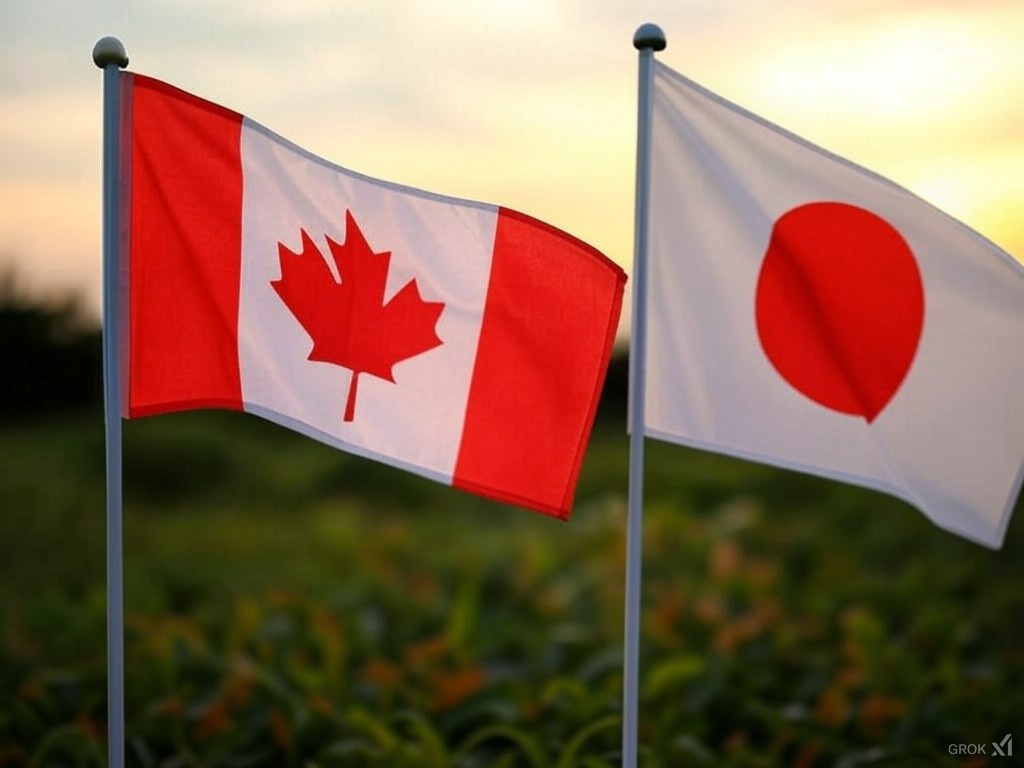
I love Canada but there's so much about it that's been frustrating lately. I just went to Japan for the first time and it really highlighted just how bad things have gotten here. Rather than wallowing in self-pity, I've decided to share my top 5 things we can learn from Japan. 👇