Thank you @APApsychiatric for highlighting our work in a press release at the APA Annual Meeting, and thank you to @afspnational for supporting this research. Grateful to our @Stanford team, especially co-first author Jason Tucciarone, mentor Alan Schatzberg, and collaborators
Low-dose buprenorphine significantly enhanced the antisuicidal effects of a single infusion of ketamine in patients with suicidal ideation and major depressive disorder, a randomized trial showed. @jaytucc@APApsychiatric#APAAM26
https://t.co/LX8lYjAWae
New publication! 🧠
Excited to share our latest paper, for which I am co-first author. This randomized controlled trial provides the first evidence that #buprenorphine can prolong and augment #ketamine’s antisuicidal effects in depression.
https://t.co/kxDE7cdg2R
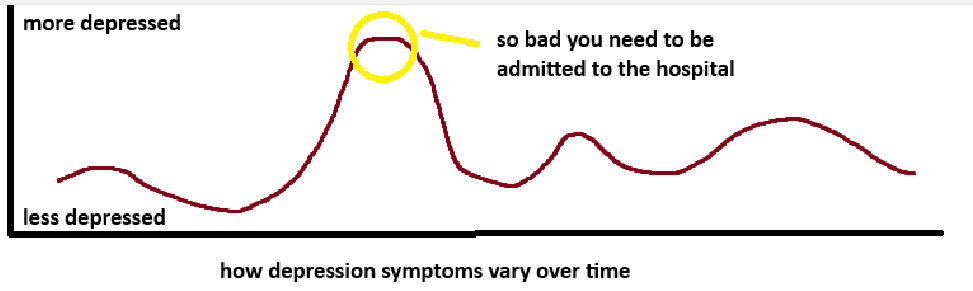
Showing once again that drug effects are absolutely dwarfed by context in MDD trials. These patients were recruited bc they were in crisis requiring hospitalization. Gradual return to baseline in a stable inpatient setting. How much more could ketamine have even added?
New Research: Opioidergic tuning of social attachment: reciprocal relationship between social deprivation and opioid abuse https://t.co/EaJqoYi8ek #FrontiersIn#Neuroanatomy
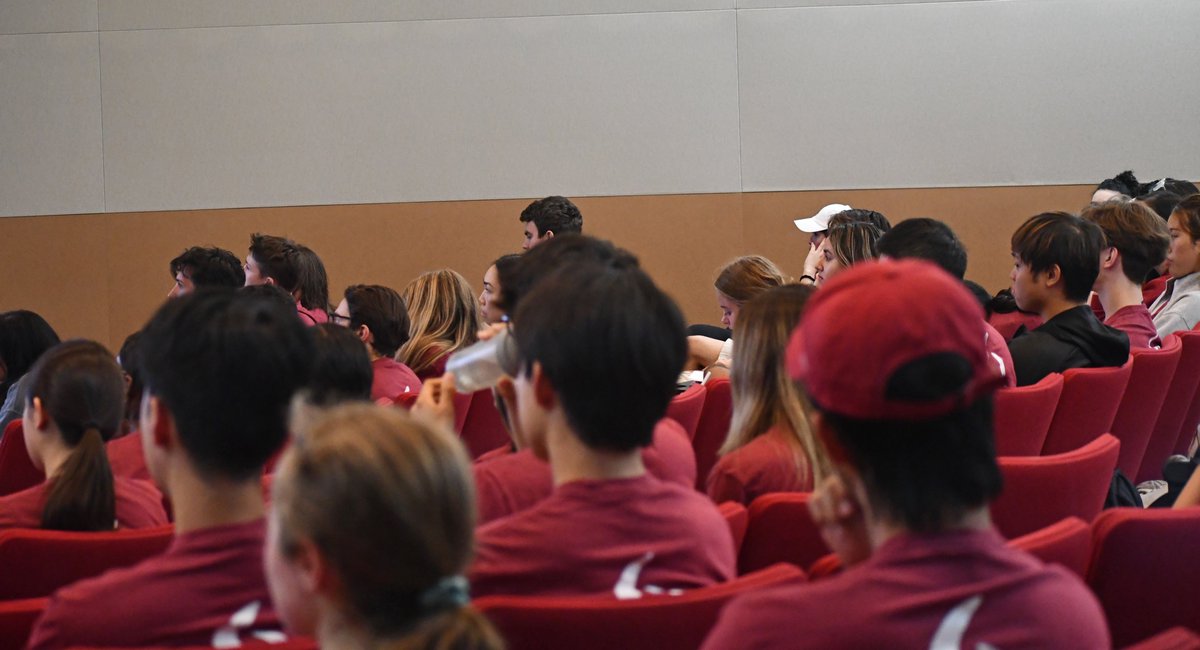
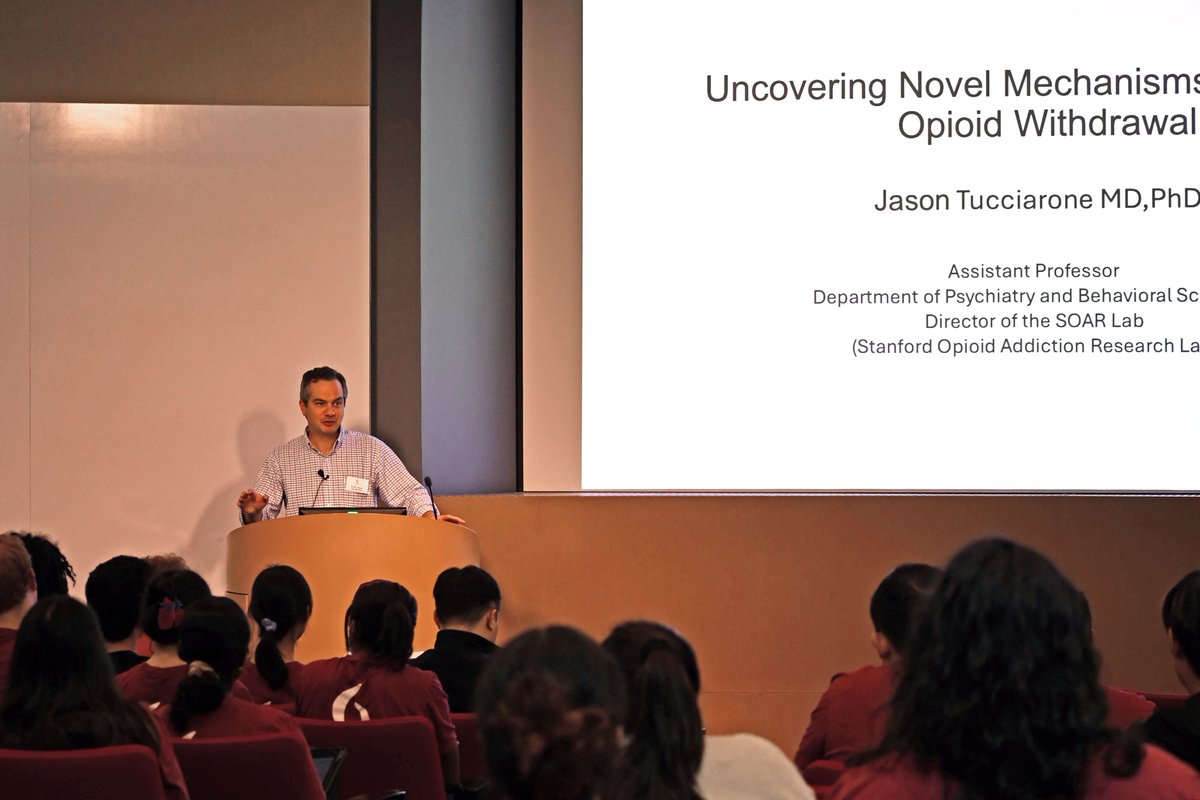
This week, the Stanford Bio-X Undergraduate Summer Research Program featured 3 more amazing faculty talks, from Dr. Helen Blau, Dr. Jason Tucciarone, and Dr. Vivek Buch ( @VivekBuchMD )!
Thrilled to be apart of this fundamental work by the Eshel Lab combining dopamine sensing and behavioral economic analysis of demand!
https://t.co/r9Mfd0d1R1
This is just a bit too close to "The Fly" (1958 version), in which a tiny human-headed fly was trapped in a spiderweb, desperately screaming https://t.co/F1jFw6Wr3f
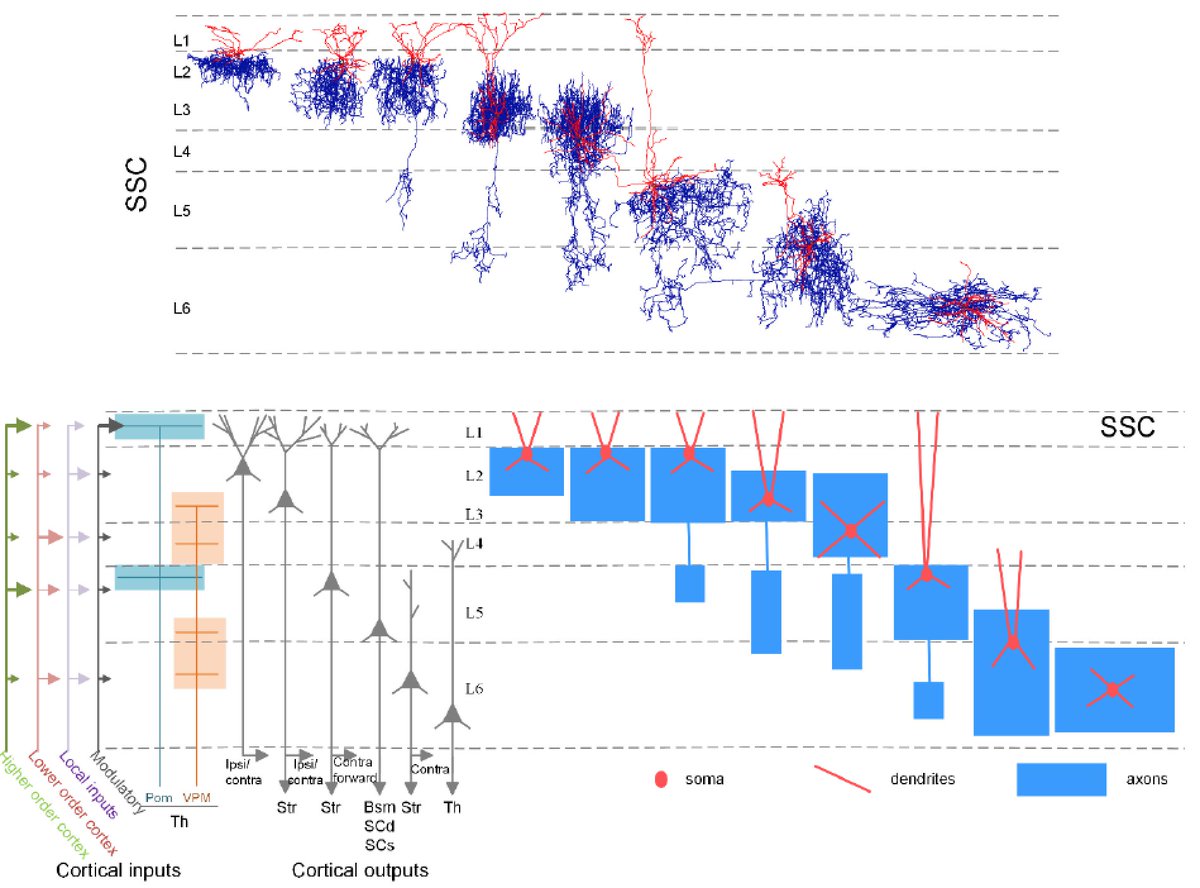
@K_dele@csaviochan@kwanalexc Its interesting, ChCs often have "axonal tails" that extend below the cartridge plexus, so the answer is still out there...