A “digital crack” designed to trap teenagers in mental prisons.
That’s how TikTok is described in a complaint filed by 16 French families over the platform’s allegedly addictive features.
#EuropeToday’s @JanasReportsEU takes a closer look in this #EuropeTodayExplains.
Social media platform X is in breach of the Digital Services Act (DSA) in areas linked to dark patterns, advertising transparency and data access for researchers, the European Commission said.
https://t.co/HAepcM8Ntv
A new briefing today examines right-wing extremism data in our sample of over 4000 items of hate speech from social media posted between October 2023 & February 2024. We discuss one example of antisemitic incitement to violence in detail. https://t.co/tpwHybPpd1 #antisemitism
🚀📚 Exciting news! My latest article, 'Legislative Strategies to Tackle Misinformation and Disinformation,' is now LIVE! Explore strategies to combat misinformation in this insightful read. Dive in here: https://t.co/Ym8SICNcti #Misinformation#Disinformation#CyberLaw 📖✨
A new EU regulation on electronic evidence represents a major milestone in overcoming the limitations of the traditional Mutual Legal Assistance Treaties. Interested in learning more? Read here: https://t.co/NfzcPABIfw
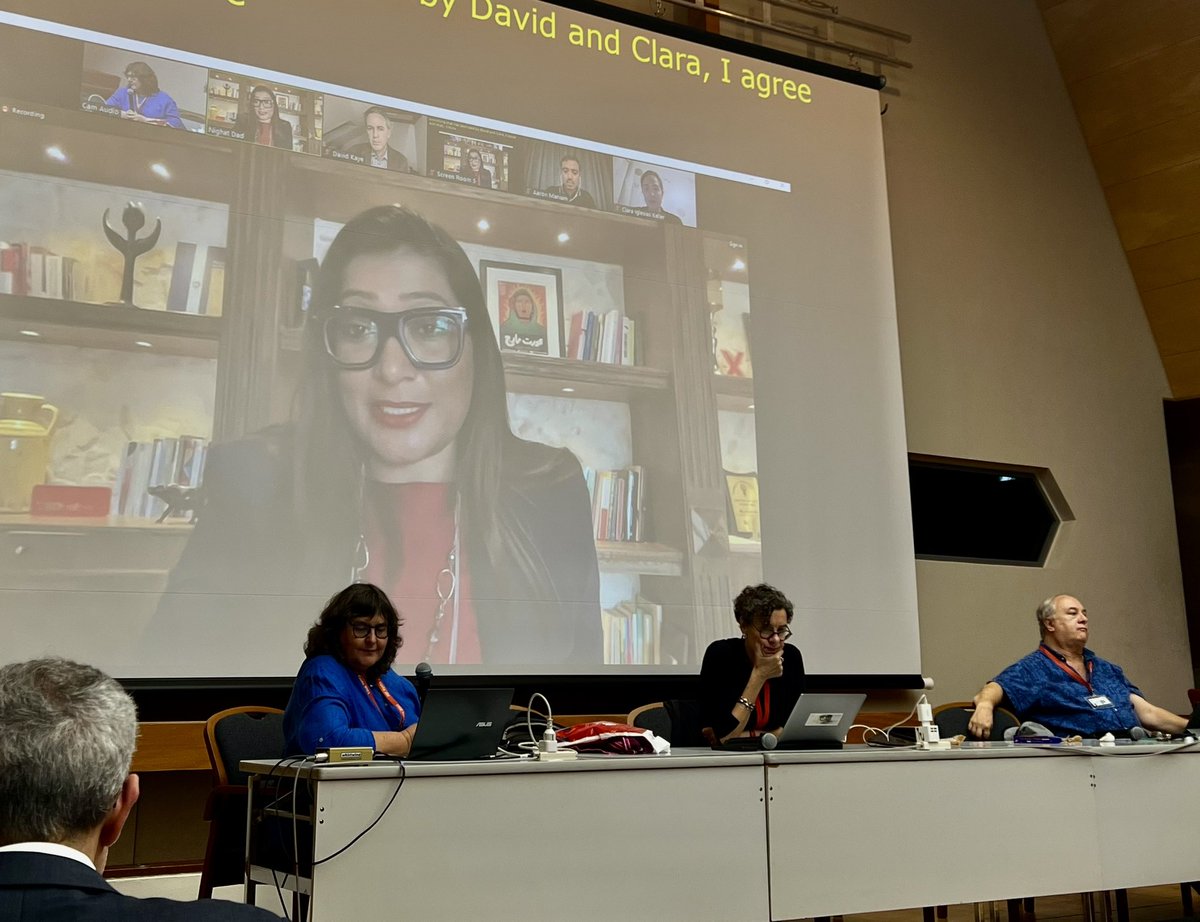
.@nighatdad at #IGF2023 making case that before governments regulate around dis/misinformation, common definitions are needed and harms defined. Platforms, regulators and stakeholders should look at how governance models like the @OversightBoard can address the issue globally.
📱Every time we scroll TikTok, shopping sites or even add a like to an Instagram post, our data is being collected.😳
Here's an explainer on the dangers of this, and how the EU is trying to regulate the issue. ⤵️
https://t.co/olC8YgXrQp
All major social media platforms will have to comply with the EU's Digital Services Act expected to come into full effect in 2024 — including Elon Musk's Twitter. https://t.co/3l7sZnIfLz
⚡️Russia blocks Instagram.
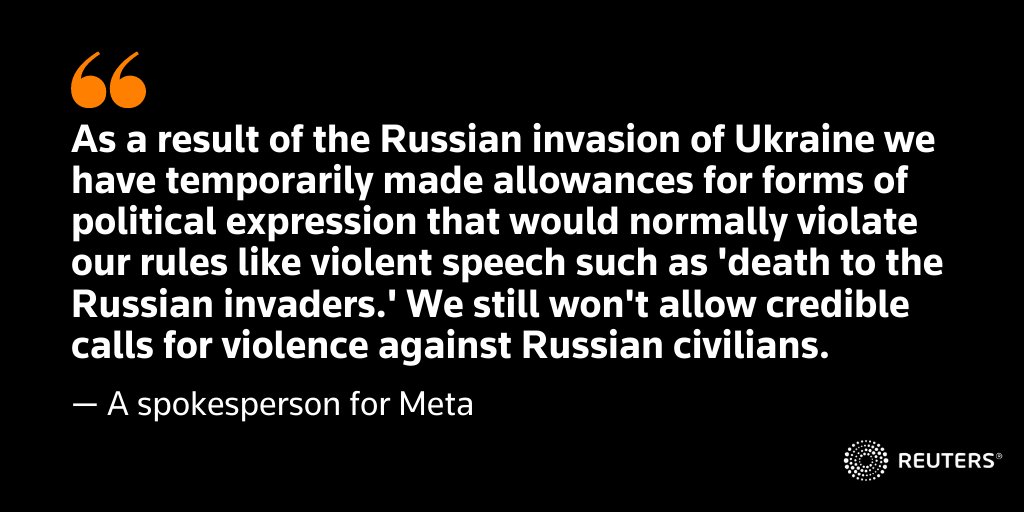
Russia has blocked the social network after its parent company, Meta, said it would relax its hate speech policy, allowing calls for violence against Russian President Vladimir Putin and Russian troops fighting in Ukraine.
In a statement, Meta addressed its temporary change in hate speech policy, which allows Facebook and Instagram users in some countries to call for violence against Russians and Russian soldiers in the context of the Ukraine invasion https://t.co/Gh2wKFAUcg