@ndtvindia आप के दो महिला और एक पुरुष तीनो न्युज एन्कर को बोलिए की थोडा बेलेन्स करे, बीजेपी के फेवरमां ज्यादा हायपर हो रहे है
हायपर होना ही है तो स्क्रीन पर हाथापाइ पे उतर आइए वाइरल हो जाएगे आप
बिना चिल्लंचिल्ली भी न्युझ डिलिवर हो शकते है
लग रहा है आप लोग भी कोम्प्रोमाइज हो चूके है
There are moments in sport when the scoreboard becomes irrelevant, when what unfolds in front of us feels less like competition and more like history. Under the lights of Rod Laver Arena tonight, Novak Djokovic @DjokerNole stood across the net from time itself—and refused to step aside.
He didn’t win the historic 11th Australian Open title. And yet, what Novak produced felt even more improbable than just another record. At the age of 38, he played on equal terms with Carlos Alcaraz @carlosalcaraz, the best player in the world today—a player who was just ONE year old when Novak played his first Australian Open.
Let that sink in.
This wasn’t a symbolic appearance or a nostalgic echo of former greatness. This was Novak Djokovic competing, suffering, adapting, and believing at the highest possible level—against youth, speed, and the new era embodied in Alcaraz. Nobody in tennis has ever managed anything remotely close to this. Not across eras. Not across generations. Not with this level of relevance.
What we saw in Australia was courage in its purest form. The courage to step onto the biggest stage knowing that time, physics, and history are stacked against you—and conquering it anyway.
Novak’s greatness has never been only about his innumerable titles—it is about his character. About standing alone. About enduring doubt, pressure, and expectation, and still showing up with the same fire.
That is why he belongs in the company of figures larger than sport itself. Like Muhammad Ali, he carried conviction and fought battles far beyond the scoreboard. And he will continue doing so.
Novak Djokovic didn’t lose in Melbourne tonight. He showed us what timeless greatness looks like.
There are moments in sport when the scoreboard becomes irrelevant, when what unfolds in front of us feels less like competition and more like history. Under the lights of Rod Laver Arena tonight, Novak Djokovic @DjokerNole stood across the net from time itself—and refused to step aside.
He didn’t win the historic 11th Australian Open title. And yet, what Novak produced felt even more improbable than just another record. At the age of 38, he played on equal terms with Carlos Alcaraz @carlosalcaraz, the best player in the world today—a player who was just ONE year old when Novak played his first Australian Open.
Let that sink in.
This wasn’t a symbolic appearance or a nostalgic echo of former greatness. This was Novak Djokovic competing, suffering, adapting, and believing at the highest possible level—against youth, speed, and the new era embodied in Alcaraz. Nobody in tennis has ever managed anything remotely close to this. Not across eras. Not across generations. Not with this level of relevance.
What we saw in Australia was courage in its purest form. The courage to step onto the biggest stage knowing that time, physics, and history are stacked against you—and conquering it anyway.
Novak’s greatness has never been only about his innumerable titles—it is about his character. About standing alone. About enduring doubt, pressure, and expectation, and still showing up with the same fire.
That is why he belongs in the company of figures larger than sport itself. Like Muhammad Ali, he carried conviction and fought battles far beyond the scoreboard. And he will continue doing so.
Novak Djokovic didn’t lose in Melbourne tonight. He showed us what timeless greatness looks like.
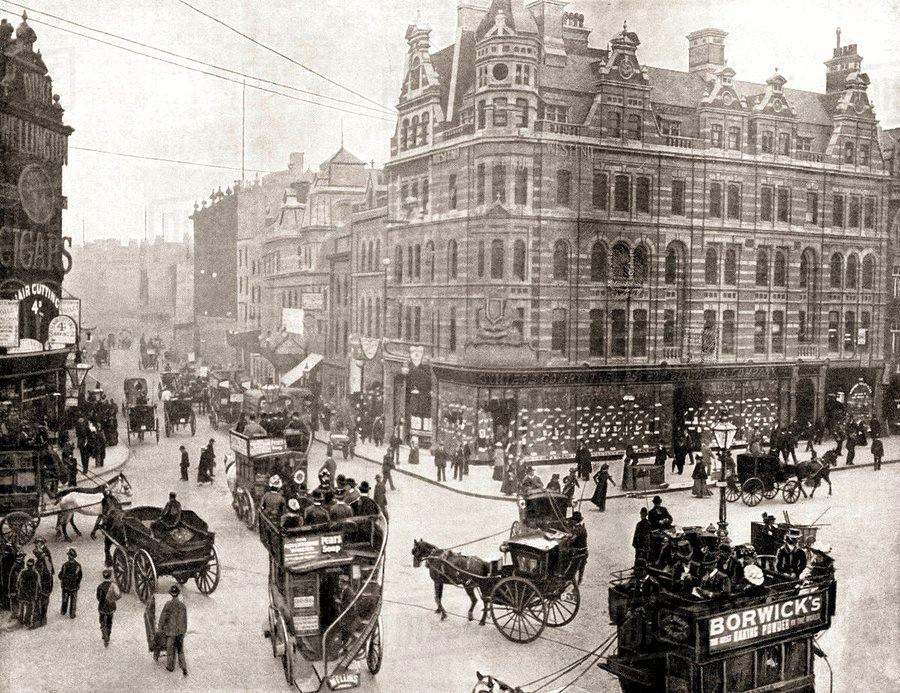
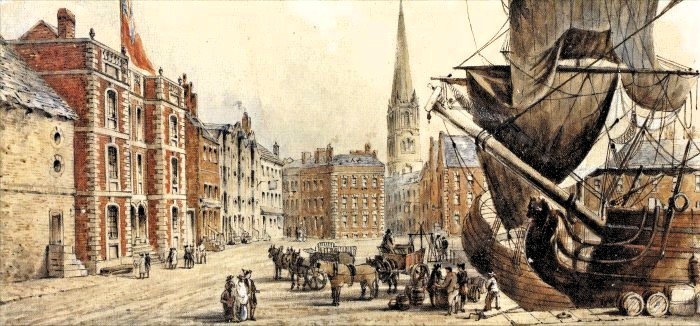
A GUJARATI WAS THE FIRST INDIAN TO GO TO ENGLAND:
The first Indian to go to England was a Parsi named Navrozji Rustamji from Surat, Gujarat. He visited England in 1723 AD to plead his legal claims. Early Gujarati travellers to England: Parsi Faramji Dadabhai in 1807, Parsi Kekhusru Faramji in 1832, Parsi Dinshaw Fardunji in 1833, Parsi Mankji in 1838 AD.
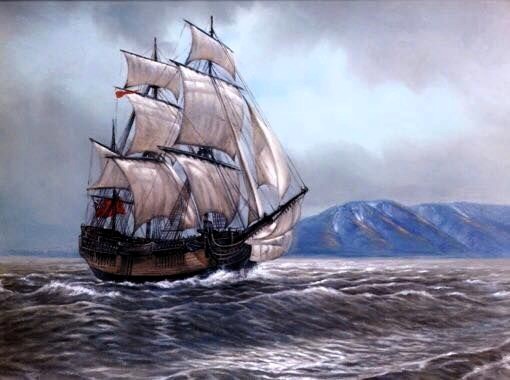
The first Indian ship to visit England was from Gujarat. It was built in the shipyard of Mandvi, Kutch. It sailed in 1780 AD, manned by a Kutchi crew & after completing its voyage returned to back home port, Mandvi, safely. Mandvi Shipyard was famous for shipbuilding in the Middle Ages.
The first Indian business establishment in England was founded 170 years ago by Gujarati Parsi Sheth Kamajivala in 1855 AD.162 years ago, there were 18 Indian Hindus, some Gujarati Khoja Muslims and 65 Gujarati Parsis in England in 1863 AD.
195 years ago, Shamaldas Desai of Nadiad in Gujarat visited England in 1830 AD. He went there for work related to his native town, Nadiad, in the East India Company head office in London in England.
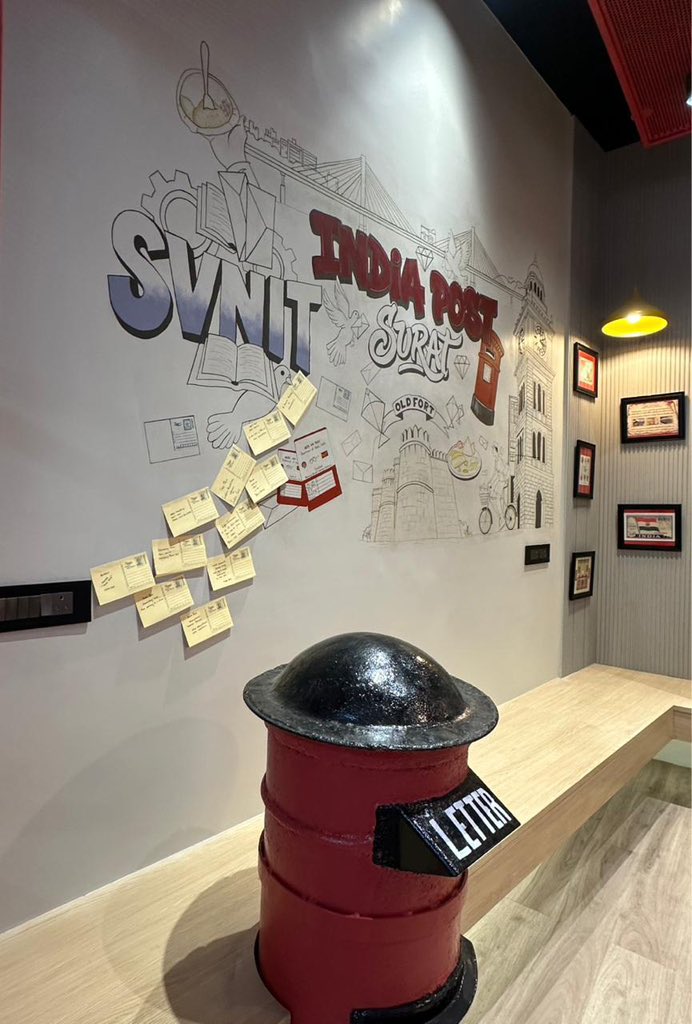
Not your usual post office… @IndiaPostOffice has levelled up.
SVNIT Surat now hosts the city’s FIRST Next-Gen Post Office, a revamped, student-friendly space with modern services and room to ideate.
This is how we connect with the new generation their way, while staying rooted in our age-old trust and ethos of #DakSewaJanSewa.
Pleased to meet & interact with a media delegation from Gujarat visiting Nagaland under an initiative of @PIB_India Ministry of Info. & Broadcasting. Such engagements help highlight the State’s dev. initiatives & rich cultural heritage. I welcome them & wish them a pleasant stay.
#WATCH | Mumbai: Truck-mounted water sprinkler sprays tiny droplets of water to mitigate the effects of air pollution
(Visuals from Cooperage Ground area in Nariman Point)