¡Aprende Algoritmos y Estructuras de Datos en Programación con este recurso gratuito!
✓ En Español
✓ JavaScript, Python, Java, C++ y Rust
✓ Explicaciones visuales y pasos interactivos
Y de código abierto → https://t.co/oOO8csJArm
«Cuando la verdad de una proposición parece evidente por sí misma y, sin embargo, tu interlocutor se niega a verla, es demasiado fácil creer que debe estar mintiendo, o que es obtuso, o moralmente corrupto. Pero si tu única explicación para sus creencias es que está loco o es peligroso, el problema está en ti. Debemos dejar de atribuir instintivamente motivos oscuros a aquellos con quienes discrepamos. Tus oponentes —más a menudo de lo que crees, y al igual que tú— son sinceros en sus convicciones. Liberales y conservadores, creyentes e incrédulos, capitalistas y socialistas, tradicionales y progresistas, defensores de la libertad y luchadores por la igualdad sostienen, en su mayoría, sus opiniones de buena fe. Ellos, como tú, simplemente intentan explicarse el mundo a sí mismos. Ellos, como tú, intentan razonar hacia una sociedad mejor. Asumir lo contrario es una forma de paranoia.»
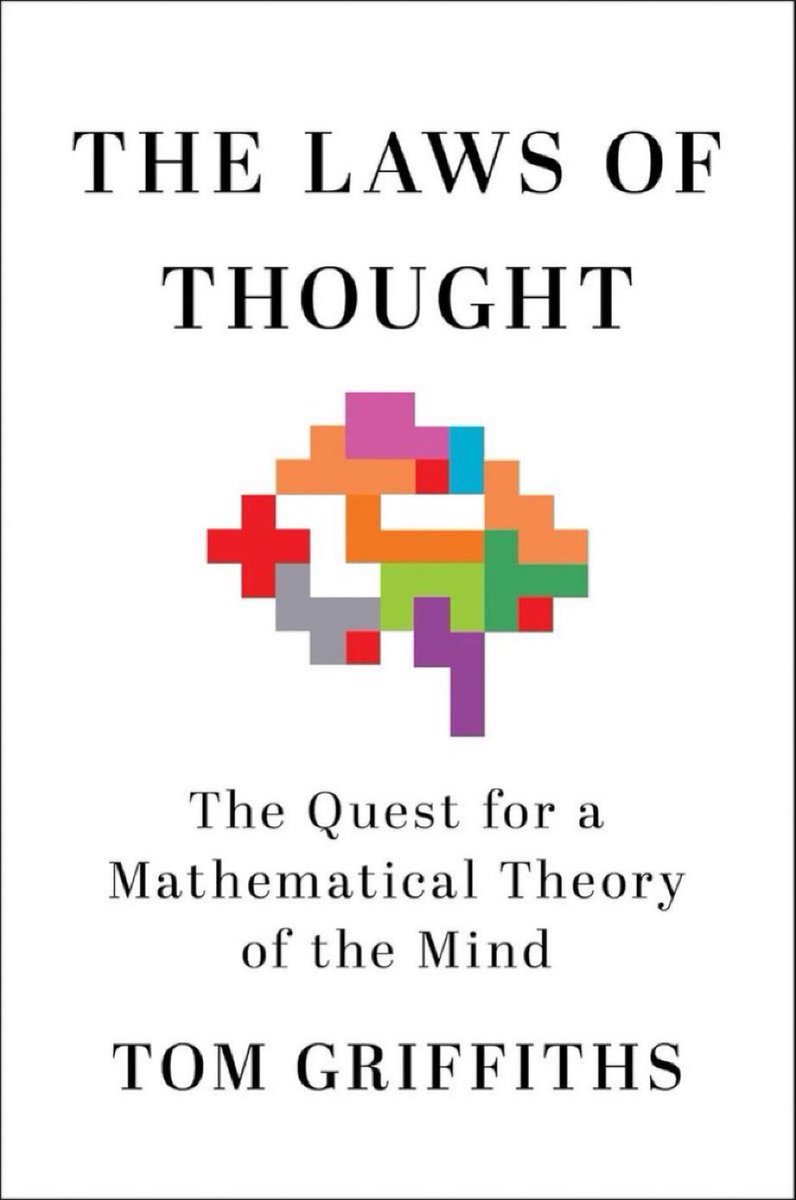
"The Laws of Thought: The Quest for a Mathematical Theory of the Mind" - explores the quest to use mathematics to describe the ways we think, the ideas behind modern AI systems, and the ways in which they still differ from human minds.
Get it at https://t.co/fb3AXBVvZ0
Writing clean code helps you build scalable, maintainable software applications.
And in this handbook, @shahancd explains what clean code is and why it's important.
He also walks you through some helpful coding patterns & discusses comments, naming conventions, functions, project structure, and lots more.
https://t.co/zxU0Iu6jdR
The Quick Python Book, by Naomi Ceder, from @ManningBooks (4th Edition) at https://t.co/bkcFfYf31Q
⚛️⚛️⚛️
Fast-paced #Python introduction covers:
✴️Python syntax, data structures, best practices
✴️Python as an object oriented language
✴️Common Python libraries
✴️Basic data handling with Python
✴️Using AI code generation tools with Python
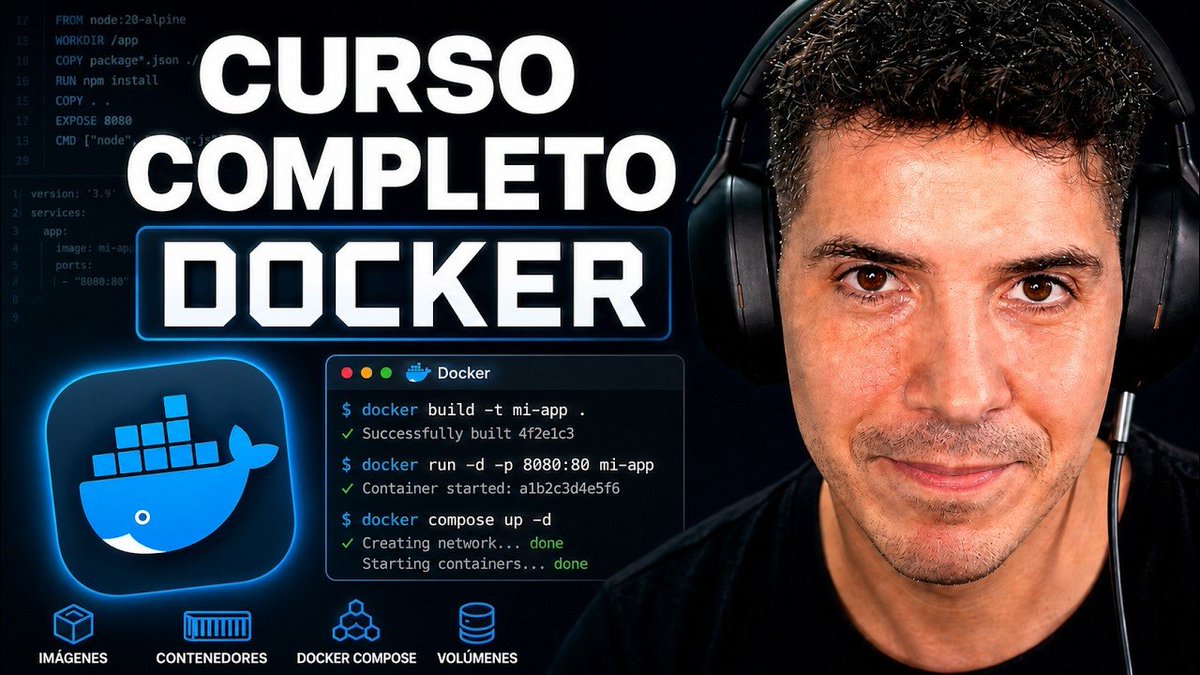
¡He creado un CURSO de DOCKER desde cero!
✓ Aprende a "dockerizar" tus apps
✓ Entiende imágenes y contenedores
✓ Montar tu propia IA local
✓ Publicar imágenes en Docker Hub
✓ Desplegar a producción en Vercel
→ https://t.co/l4tgvvKiMr
Need a refresher or a career rebuilder? Check out the “Practically Cheating Calculus Handbook” https://t.co/u93dsBjb3S
...
By the author of “The Practically Cheating Statistics Handbook” https://t.co/Aq2zxD0PIZ
If You’re Learning Spark in 2026, Read This First 🧑🏻💻
Spark is hard because it’s a distributed system pretending to be a Python library
Most people learn Spark like this:
-> Here’s read.parquet()
-> Here’s groupBy()
-> Here’s join()
-> Here’s write.format("delta")
And then the first time their job runs for 3 hours, they stare at the Spark UI like it’s a cockpit.
Here’s the thing: Spark isn’t hard because the API is hard.
Spark is hard because it’s a distributed system that pretends to be a Python library.
So instead of starting with APIs, let’s build the mental model that makes Spark feel obvious. Today we’ll nail 5 ideas:
1. DAG
2. Shuffle
3. Partitioning
4. Catalyst
5. Memory
I have written a detailed newsletter on this topic; you can read it here ⬇️