"Progress across STEM learning constructs is attributed to authentic research experiences, students’ connections to STEM professionals, direct hands-on participation in projects, and group work." https://t.co/EJXJ6BsBLy
A sobering but important read, complete with amazing graphics & animations.
'As insects disappear, “we’re losing the limbs and the twigs of the tree of life. We’re tearing it apart. And we’re leaving behind a very simplified and ugly tree.”'
https://t.co/wtD3RbW51c
Professor knows equity in the classroom and equity in the country are intertwined — that’s why he’s changing education | FIU News - Florida International University https://t.co/TgsRSyfJrj
⏰ It’s finally time! We are accepting applications for @Grist’s six (paid, remote) climate reporting fellowships (due by December 19), and we’ve made some important changes y’all should know about.
A thread 🧵
Thrilled to share the result of a massive effort conducted by more than 40 colleagues on the Brazilian ant fauna! 🇧🇷🐜
Ants of Brazil: an overview based on 50 years of diversity studies https://t.co/fXP4bQEFRa
From our archives: Humans have altered about 70 percent of the Earth’s land surface and ocean.
Wetlands have lost 85 percent of their area. Kelp forests, 40 percent. Seagrass meadows are disappearing at a rate of 1 percent per year.
https://t.co/rrG16oyJFU
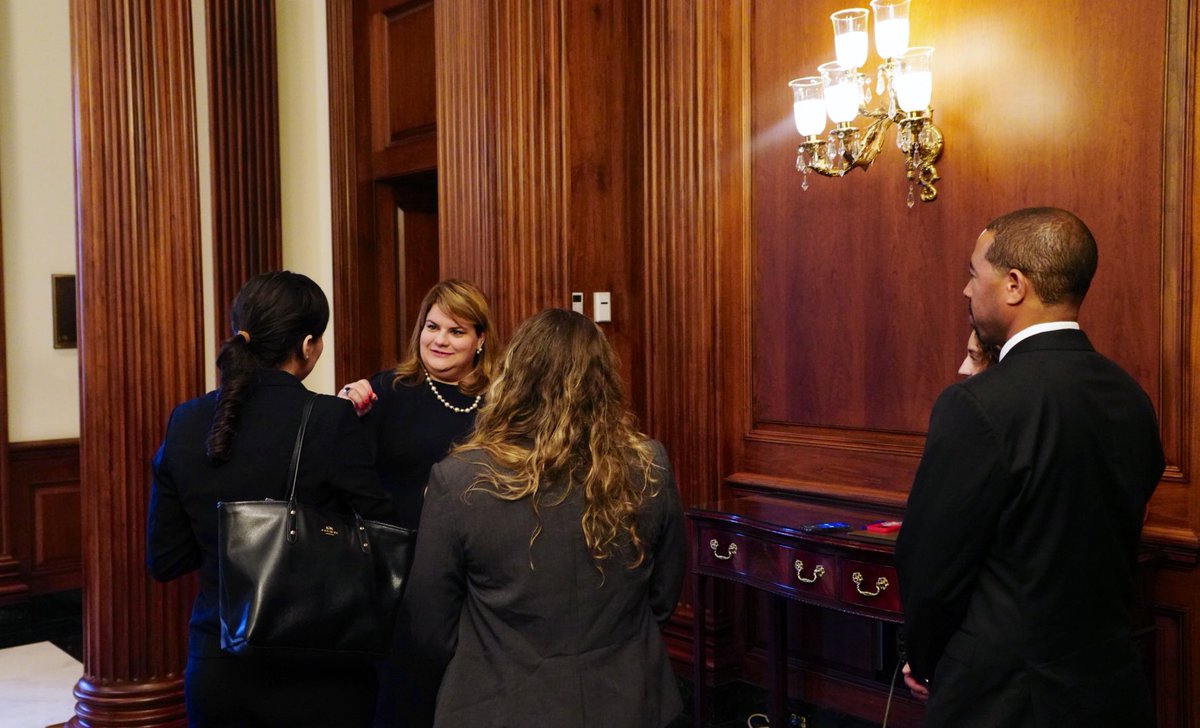
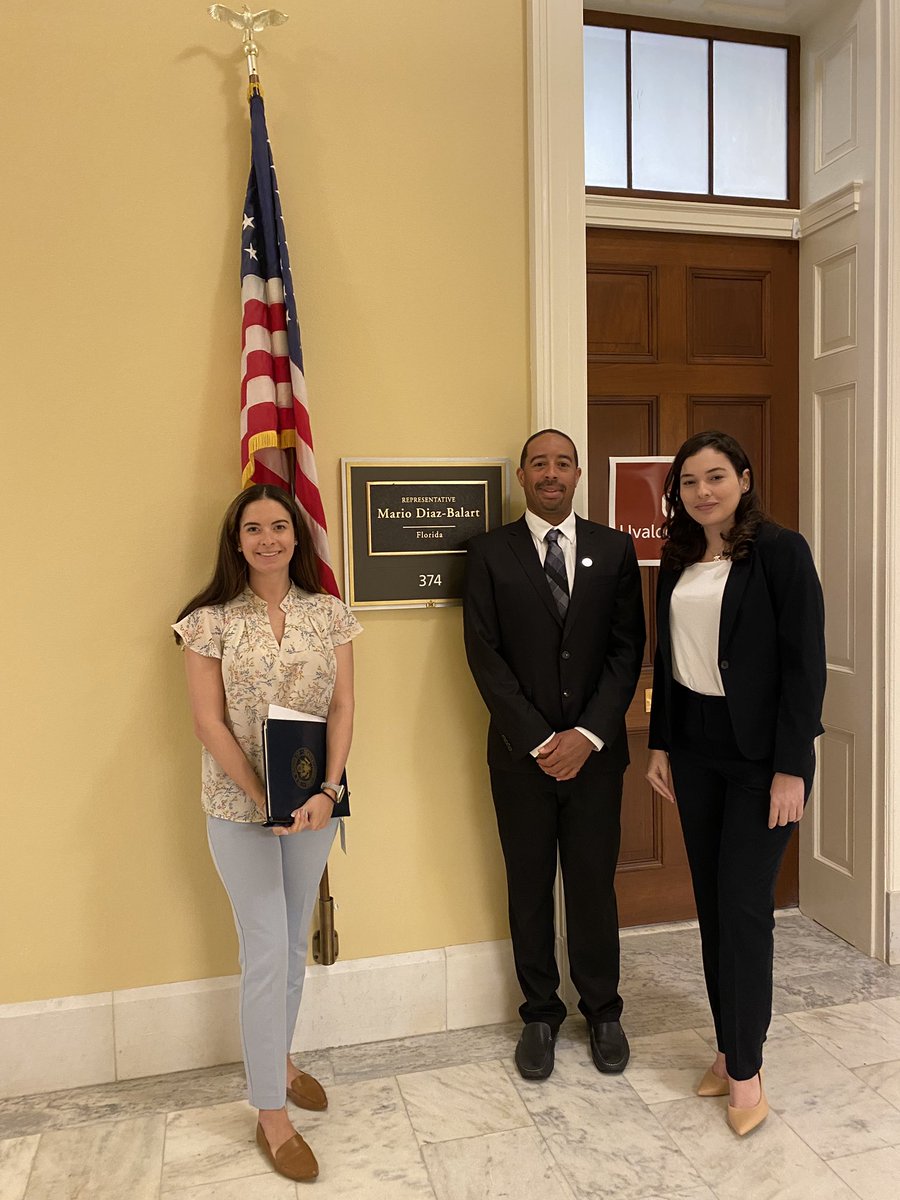
Great meeting with Science Policy Fellows from the Entomological Society of America (@EntsocAmerica) to discuss ways in which we can support research and other policy priorities for their organization.
The fish were tasked to “drive” the vehicle towards a visual target in the terrestrial environment, which was observable through the walls of the tank. Indeed, the goldfish were able to explore the terrestrial environment, all while avoiding dead-ends and correcting inaccuracies.
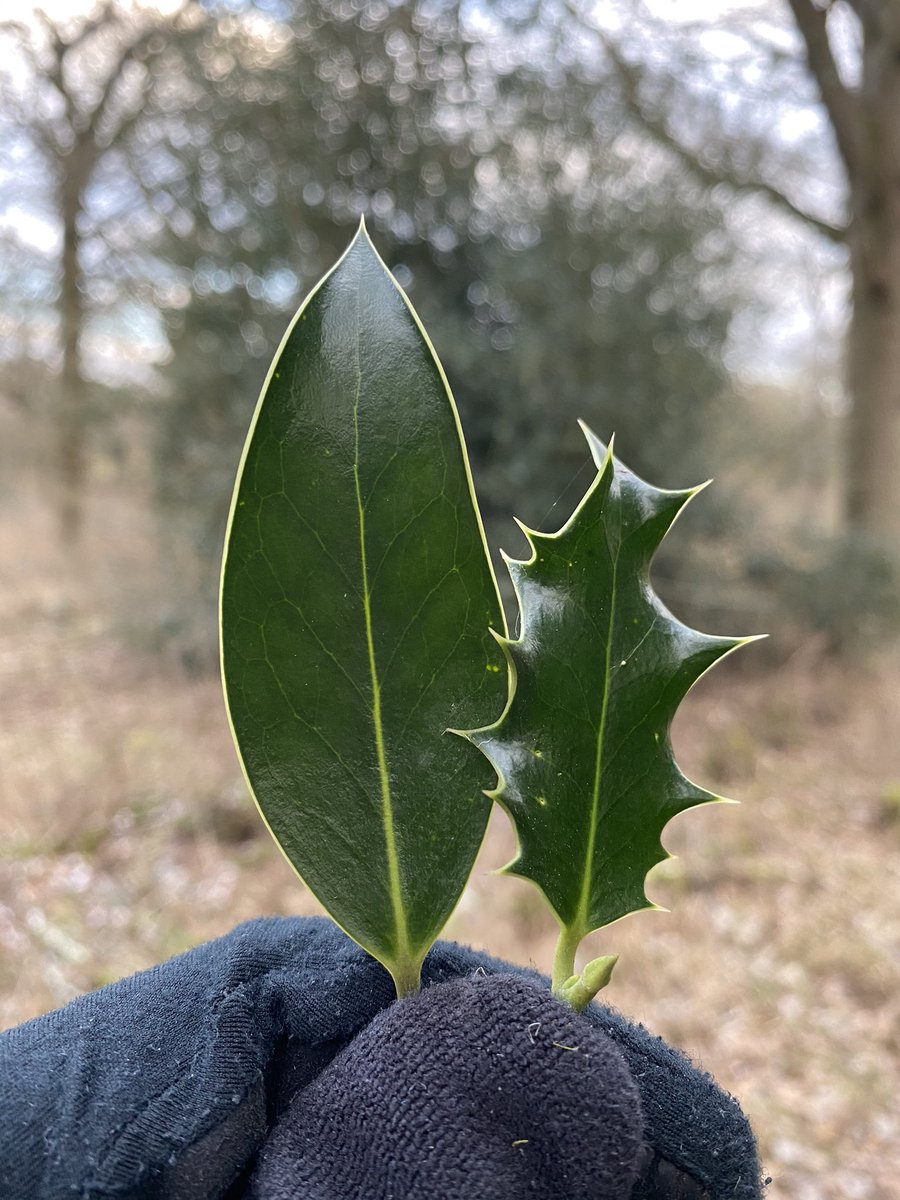
If Holly (Ilex aquifolium) finds its leaves are being nibbled by deer, it switches genes on to make them spiky when they regrow. So on taller Holly trees, the upper leaves (which are out of reach) have smooth edges, while the lower leaves are prickly 🤙
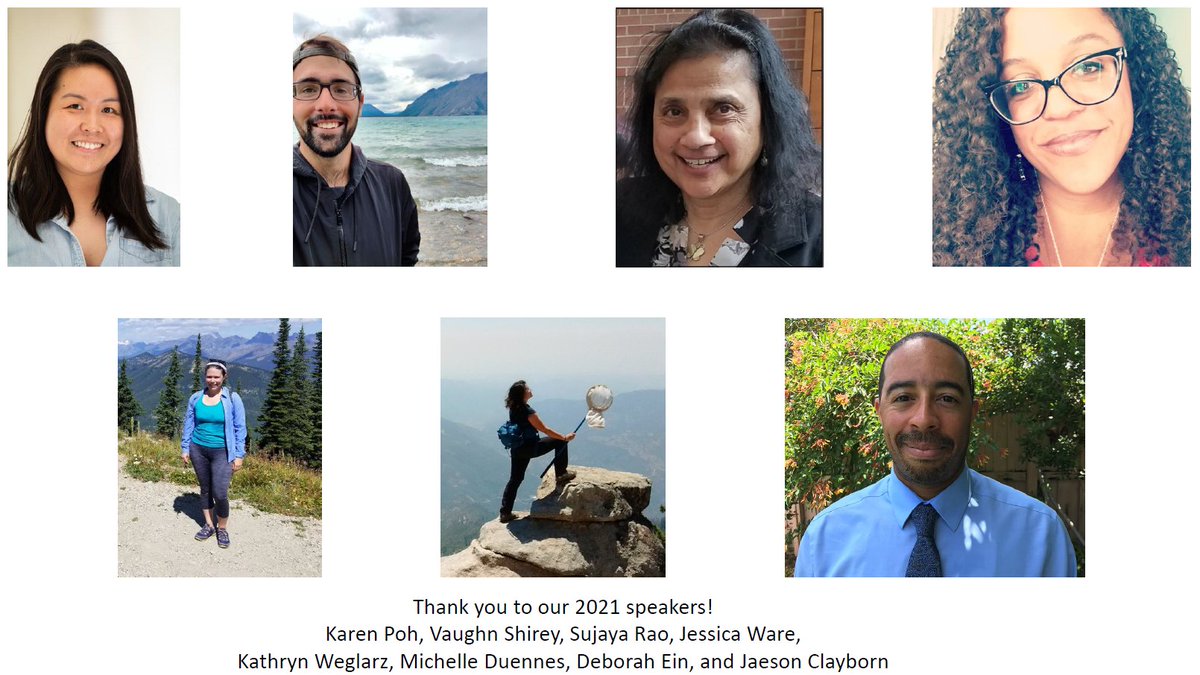
AES hosted a lineup of fantastic speakers in 2021. We learned about ticks, butterflies, entomophagy, odonates, molecular techniques, bumble bees, an unsung naturalist, and conservation. Thank you @areyoukeddingme, @VaughnShirey, @JessicaLWareLab, @Polly_Nator, @jclay010, et al.!
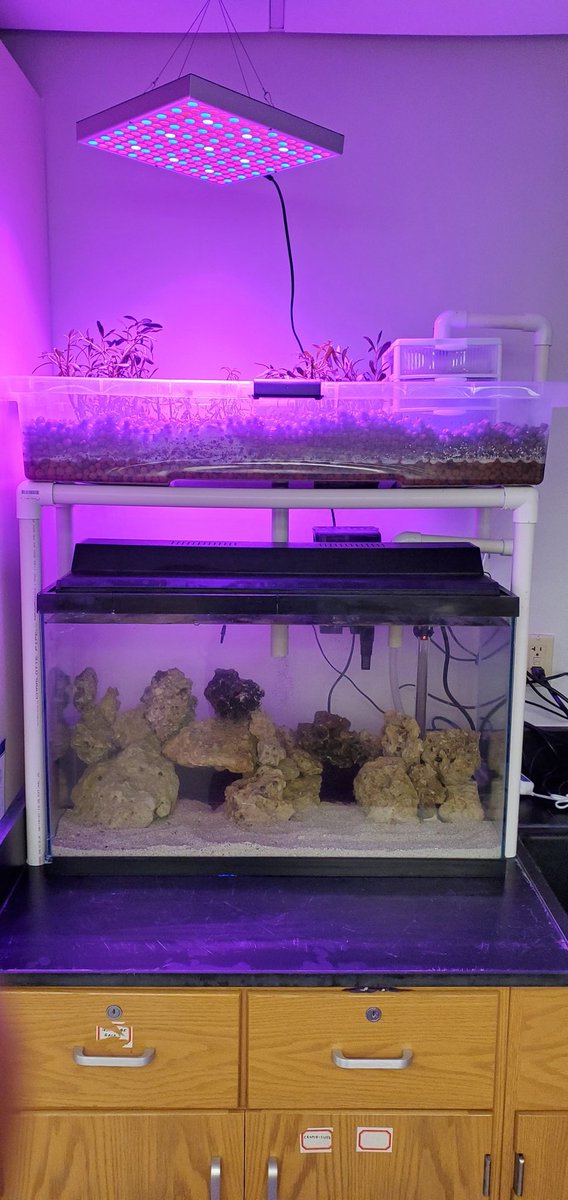
#Lionfish are invasive species in Florida, which means they're ideal candidates to collect at small sizes, raise, and eat at larger sizes; however, since they're carnivorous (expensive to feed), cultivating omnivorous fish is more practical. #aquaponics#fishfarming
We're running a marine aquaponic system: one lionfish, sea purslane and saltwort. Excluding the water pump, light, and heater, everything else was collected and built w/ recycled materials. We plan to scale up to reduce costs. #miamidadecollege#aquaponics#lionfish#fishfarming
@FCVoters Are we sure about that? Habitat loss/fragmentation along w/ complex life histories are more problematic than invasive lizards. No one has actually conducted research on the threats of invasive lizards eating imperiled butterflies. Right now, it's mostly anecdotal and speculation.
@seasoulself Greetings, that's a ruddy daggerwing butterfly. Their host plants are fig trees like the strangler and maybe some of the non-native fig trees. You'll find the Florida leafwing (maybe) in pine rockland ecosystems with pineland croton in south Florida.