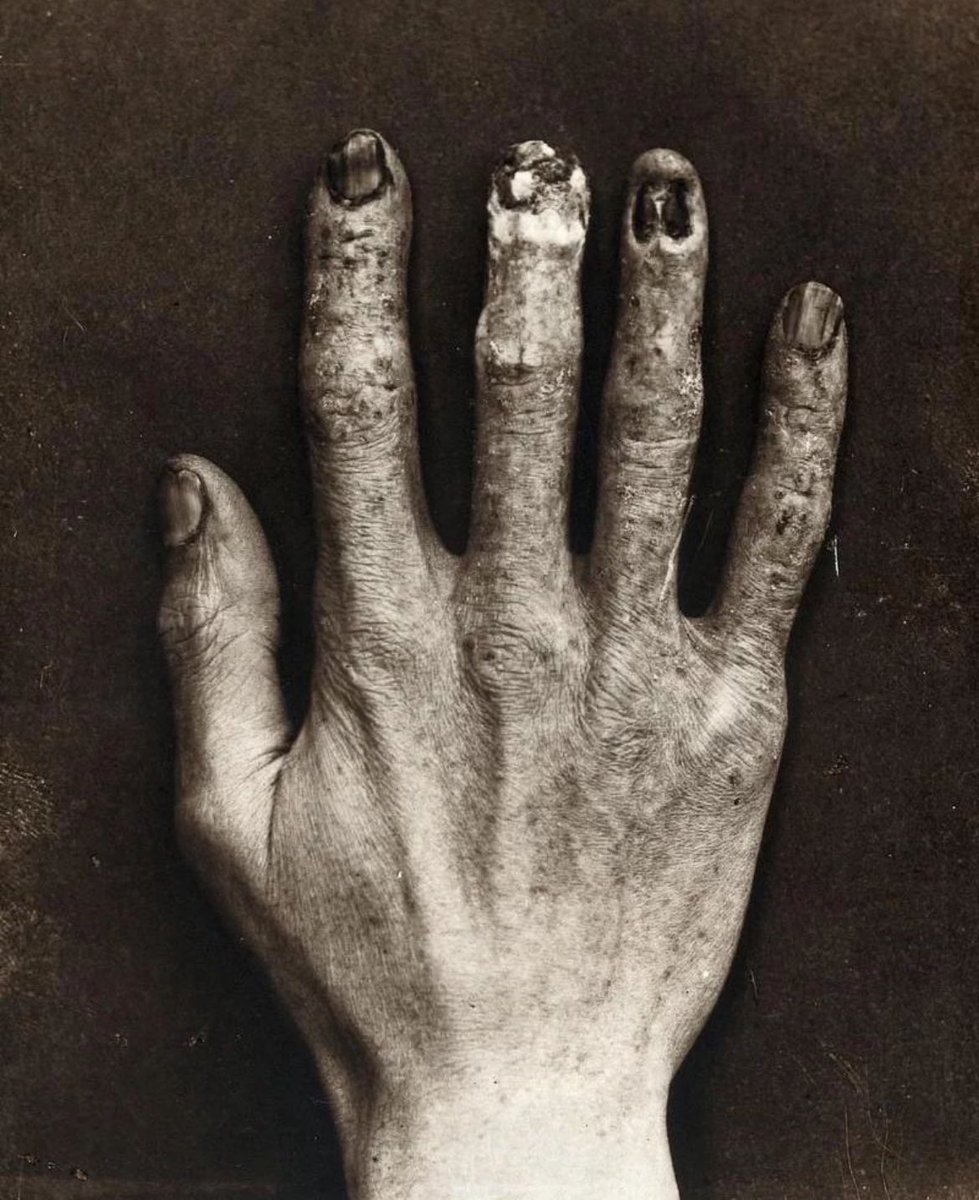
Hand belonging to an X-ray technician at the Royal London Hospital, which shows the damage from radiation exposure, 1900.
Every morning, they would calibrate the machines by taking an X-ray of their hands. So you might be wondering, why not just use something else to test the X-ray? Like a piece of meat or a chicken leg? Well back in 1900, people didn't know the dangers of radiation exposure so they thought it would be harmless to use their hands. During this time, people could even purchase and build their own X-ray at home for entertainment purposes. Those who did, however, often went on to develop cancer or suffer from amputations.
The X-ray had been discovered just a few years before in 1895 by a man name Wilhelm Conrad Röntgen, a German mechanical engineer and physicist. He named it X-ray because he actually didn't have a name for his invention and decided to use the mathematical designation "x" for something unknown. In some European countries, X-rays are actually called Röntgen rays.
Röntgen did not seek patents for his discoveries because he wanted society to benefit from the practical applications of X-rays. In 1901, Röntgen was awarded the first Nobel Prize in Physics.
Hoy, en extrañando todos los días a Federer: Andrea Bocelli lo invito a subir al escenario durante un recital, le dedicó la última canción y Roger quebró— se me metieron un camión de pelotitas de tenis en los ojos.
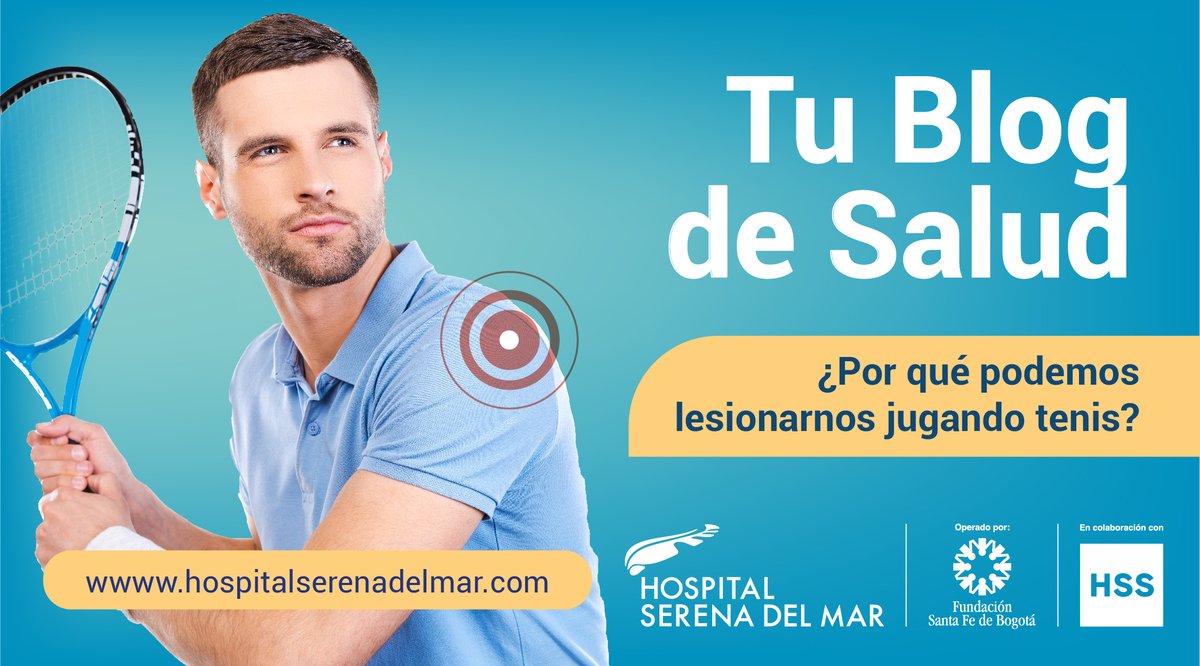
🎾🤕 Le sucedió a Rafael Nadal también a Javier Marti y te puede suceder a ti: desde deportistas de alto rendimiento y amateurs, todos pueden sufrir una lesión en tenis, pero, ¿a qué se deben?
¡No te pierdas esta lectura imprescindible! 👉 https://t.co/rsenPAwHO9
Hoy, desde el #68CongresoNacionalSCCOT de la @SCCOTCOLOMBIA nuestro especialista en hombro y codo Dr. Juan David Lacouture habla acerca del tratamiento para la inestabilidad posteromedial de codo. Estamos orgullosos de contar con especialistas de tan alto nivel.
The question is simply, "when does a colleague become a colleague?" If the answer is "when one begins the study of medicine", as it should be, then many of the problems noted in the present study would be eliminated.
Editorial “The Residency Selection Process” JBJS, 1986.
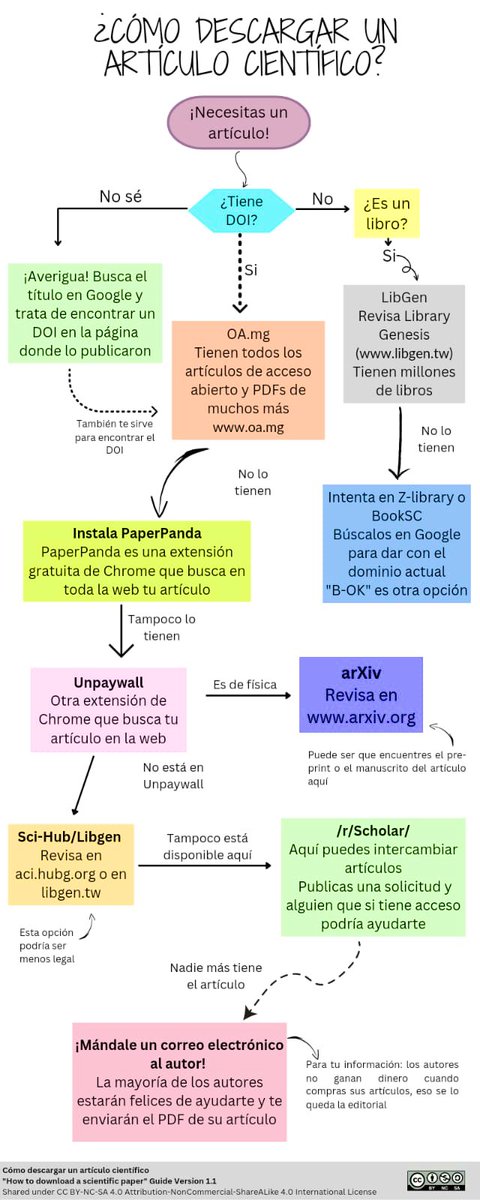
Guía rápida para descargar artículos científicos.
No siempre nuestras instituciones cuentan con los recursos suficientes para pagar todos los derechos.
Recuerde que siempre tiene la opción de solicitar el artículo al autor.
Hoy en @Aipocrates, nuestra invitada especial la Dra. Ana María Granada nos habla sobre Inteligencia Artificial y Ética Médica: Oportunidades y desafíos. https://t.co/LOwswylrUh
Mission accomplished at #AAOS2022. Another amazing year for our Mayo Elbow Team. Seven papers presented throughout the meeting and podium presentations at the #ASES Specialty Day. So honored of being part of this amazing group @JSanchezSotelo@JimFitzsimmons9#orthotwitter
Dr. Religa monitoring his patient's vitals after a 23hr heart transplant in ‘87. The surgery was considered borderline impossible at the time, but he took the chance, and the operation was successful. Below is the same patient, 30 years later. He outlived his doctor. #medtwitter