@OneM1L@lomaxx If instead of taking it all out at once, you took out 10% of the total each year here's your math.
Results (30-year totals):
Total withdrawals: $401,217
Total tax paid: $26,806
Total after-tax income: $374,411
Ending balance: $68,257
Average effective tax rate: 6.7%
@OneM1L@lomaxx It specifically said it's inflation adjusted. So you're paying tax on $25k tax on $75k real earnings, and which leaves you with $375k of actual $. https://t.co/WQBSYv3KTe
@FBPolitic@seventhwhiskey@fawfulfan If you pay $2 dollars and get $3 spent on you, you don't add to the tax base.
After all the money is counted, in both directions, the suburbs take out more tax money than they put in.
But keep going, maybe show your math.
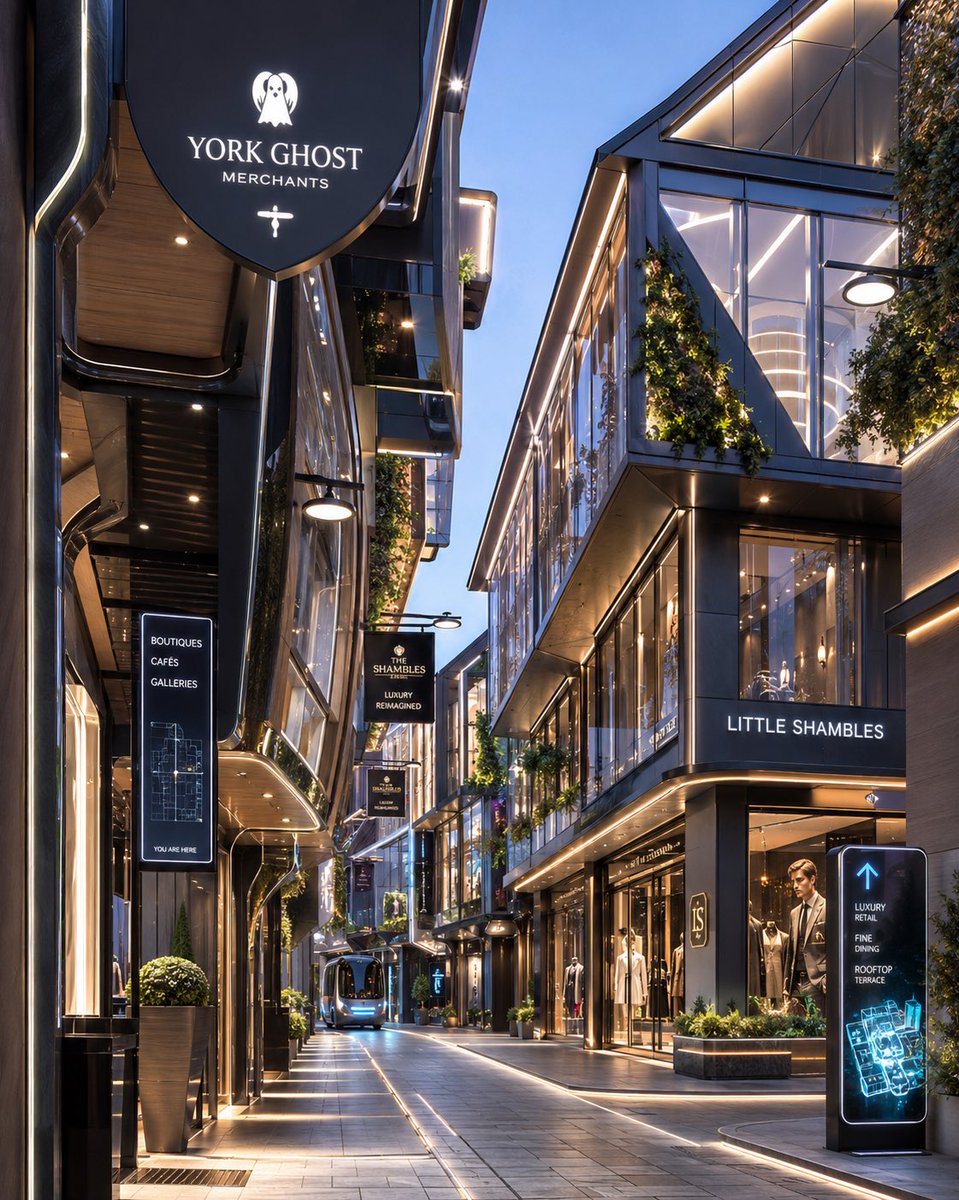
A significant amount of the charm embodied in the 5000 years of urbanism before WWII exists in the urban form, not the materials
We can recover the urban form even when we have to use modern materials
@FBPolitic@seventhwhiskey@fawfulfan Evidently, because you seem to have missed the whole point of the original post - that urban taxes subsidize suburbs.
Nothing you've said has challenged that fact.
@FBPolitic@seventhwhiskey@fawfulfan How's this? On average, in North America, people from suburbs are subsidized to the order of $1000s of dollars per person per year via net tax spending AFTER all the money they spend in cities.
@seventhwhiskey@FBPolitic@fawfulfan When urban businesses leave for the burbs the city loses huge tax revenue, and the burbs gain tax revenue, but often these are sprawl business parks which are have much lower tax value per acre and higher infrastructure costs, so burbs net gain is less than the city was getting.
@seventhwhiskey@FBPolitic@fawfulfan Why do cities so it? Well.. developers build the burbs. When it becomes clear they are not financially self sufficient, the state supports them with disproportionate state tax dollars. City then spends to enable commuters to support local businesses.
@robin_j_brooks GDP per capita, without considering the debt is silly. If you everything you buy is on a credit card, you're not in a stronger finacial position.
@kglightspire@fawfulfan Conversely, if the suburbs have $5 of taxable property value, in 30 years they'll only have $0.375 to replace the $1 of infrastructure.
Thats assuming downtown is 8x more tax productive. These real maps show that it can be 20x or more....
@kglightspire@fawfulfan These are single cities with urban core and suburban edges. If Downtown has $40 of taxable property value per $1 of infrastructure that is repaired every 30 years, at 5% property tax with 5% of tax bill going to infrastructure, in the 30 years you'll have $3.
@EarRelevant@fawfulfan Whether a particular city chooses to spend its tax dollars downtown or at the edge of town doesn't change the fact that structurally the downtown tax base to infrastructure value ratio is much higher than on the edges.
@EarRelevant@fawfulfan These charts are not about adjacent independent municipalities. They are simply showing real tax data from single communities. Cities collect more money in the most compact areas, and there is more infrastructure per capita in the least compact areas.
@FBPolitic@seventhwhiskey@fawfulfan And ultimately, when you spend money in town, you actually get something for that money (a show, a burger, a jacket...). When tax dollars flow from the city to suburban roads, what do city folks get?
@FBPolitic@seventhwhiskey@fawfulfan The tips and owners profit get reflected in state and fed income taxes, and its highly likely that those people live in the suburbs, because as you say - people in the suburbs work in the city.