A French engineer who lives quietly in Paris has spent 30 years writing software that the entire internet now runs on without knowing his name.
He wrote the code that streams every YouTube video, every Netflix show, every TikTok clip. He wrote the code that runs the virtual servers underneath AWS, Google Cloud, and Microsoft Azure. He calculated more digits of pi than anyone in history. He has no Twitter. He has no marketing. He just keeps shipping.
His name is Fabrice Bellard.
Here is the story, because almost nobody outside the systems programming world knows what one man has built.
Fabrice was born in 1972 in Grenoble, France. He studied at École Polytechnique, the top French engineering school. He never went to Silicon Valley. He never built a startup empire. He just wrote code.
In 2000 he started a project called FFmpeg, an open-source multimedia framework for encoding, decoding, and streaming video. He was 28. The project did one thing nobody else had done well. It handled every video and audio format that existed, in one library, on every operating system. He led it himself for years.
Today FFmpeg is the invisible engine of the internet. YouTube uses it. Netflix uses it. VLC uses it. Chrome and Firefox use parts of it. Every Android phone, every iPhone, every smart TV, every video editing tool you have ever touched runs FFmpeg somewhere underneath. If you have watched a video on a screen in the last 20 years, Fabrice's code processed it.
He was not done.
In 2003 he started QEMU, a machine emulator and virtualizer. He wrote it solo until version 0.7.1 in 2005. QEMU lets you run any operating system on any other operating system. It became the foundation of modern virtualization. KVM, the Linux kernel hypervisor, runs on top of QEMU. Every major cloud provider, AWS, Google Cloud, Microsoft Azure, IBM Cloud, runs virtual machines on infrastructure built around it. The Quick Emulator is the most cited piece of cloud infrastructure code on Earth.
He kept going.
In 2001 he won the International Obfuscated C Code Contest with a small C compiler that grew into TCC, the Tiny C Compiler. TCC can compile and boot a Linux kernel from source in under 15 seconds. In 2004 he calculated the most digits of pi ever computed at the time, using a personal desktop computer and an algorithm he derived himself called Bellard's formula. In 2011 he wrote a complete PC emulator in pure JavaScript that runs Linux in your browser, a project called JSLinux that engineers still cannot believe is real.
In 2019 he released QuickJS, a small but complete JavaScript engine that fits where V8 cannot. In 2021 he released NNCP, a neural network based lossless data compressor that immediately took the lead on the Large Text Compression Benchmark.
Then he turned his attention to large language models. He built TextSynth Server, a web server with a REST API for running LLMs locally. He released ts_zip and ts_sms, compression utilities that use language models to compress text and short messages at ratios traditional algorithms cannot reach. He released TSAC, a very low bitrate audio compression system. In December 2025 he released Micro QuickJS, a new JavaScript engine for microcontrollers, separate from QuickJS, designed for environments with almost no memory.
Fabrice co-founded a telecom company called Amarisoft in 2012, where he serves as CTO. Amarisoft builds 4G and 5G base station software used by carriers and labs around the world. He has been running it for over a decade while continuing to ship personal projects from his own home page at bellard dot org
He has no Twitter. He has no Instagram. He gives almost no interviews. His personal website is a flat list of projects with no styling, no fonts, no marketing copy. Just titles and links.
A quiet French engineer who never moved to Silicon Valley wrote the code that quietly runs the internet.
He is still shipping.
One Russian developer built a tool in 1999.
25 years later, almost every PC still uses it. 💎
Meet Igor Pavlov 🇷🇺
> Russian programmer.
> Released 7-Zip in 1999.
> Built his own compression algorithm called LZMA.
> Completely free from day one.
> Open source forever.
> Smaller files than ZIP.
> Better compression than most commercial tools.
> Sometimes 30–70% smaller depending on the data.
> The algorithm became so good that other systems adopted it.
> Linux kernel supports it.
> Android firmware uses it.
> Game installers rely on it.
> At this point, it’s basically universal.
> Meanwhile WinRAR became famous for a license popup nobody paid for.
> 7-Zip never asked for money.
> Never showed ads.
> Never locked features behind subscriptions.
> The UI still looks straight out of Windows XP.
> And somehow that makes people trust it even more.
> It opens almost every archive format imaginable.
> Fast. Lightweight. Reliable.
> Still maintained by Igor Pavlov after 25 years.
While the tech world chased trends,
7-Zip just kept working. ⚙️
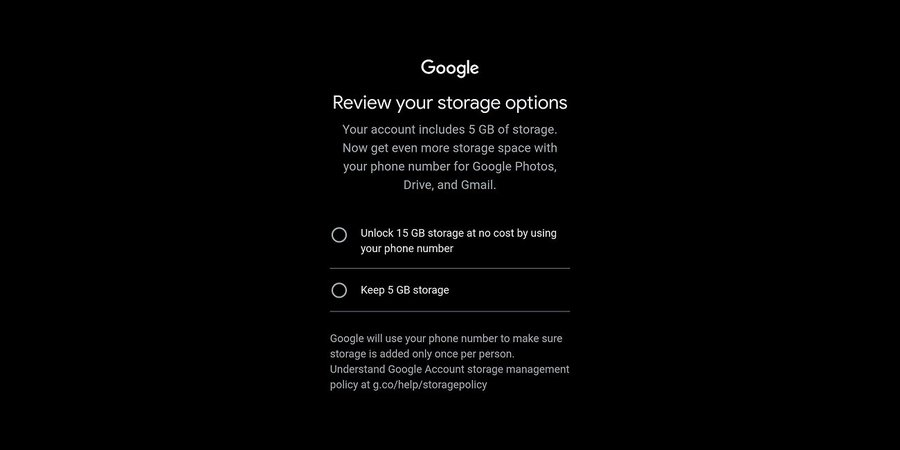
Google is reducing the default free storage for new accounts from 15GB to 5GB.
New users signing up for a Google account now start with only 5GB of shared storage across Gmail, Drive, and Photos.
To unlock the full 15GB that has been the standard for years, users must verify their account with a phone number during signup.
Existing accounts are completely unaffected and continue to receive the original 15GB
This change is currently a limited test in select regions and Google says its to prevent storage abuse and ``stronger account security and easier data recovery´´
During setup, users can choose to skip phone verification and keep the 5GB limit if they prefer.
Back in the early 90s, before the Internet, we had "Defrag and Chill". You'd start Disk Defragmenter on your 540MB hard drive, dim the lights, crack open a Surge, and just vibe while the little blue bars crawled across the screen like they were solving world peace. Forty-five minutes of pure, unfiltered anticipation. No notifications. No algorithms. Just the two of you, the gentle grinding of the hard drive, and the sacred promise that your Solitaire games were about to feel 3% snappier.
This is MS_DOS 6.22, which I worked on, but I honestly have no idea who wrote defrag. Iconic utility though!
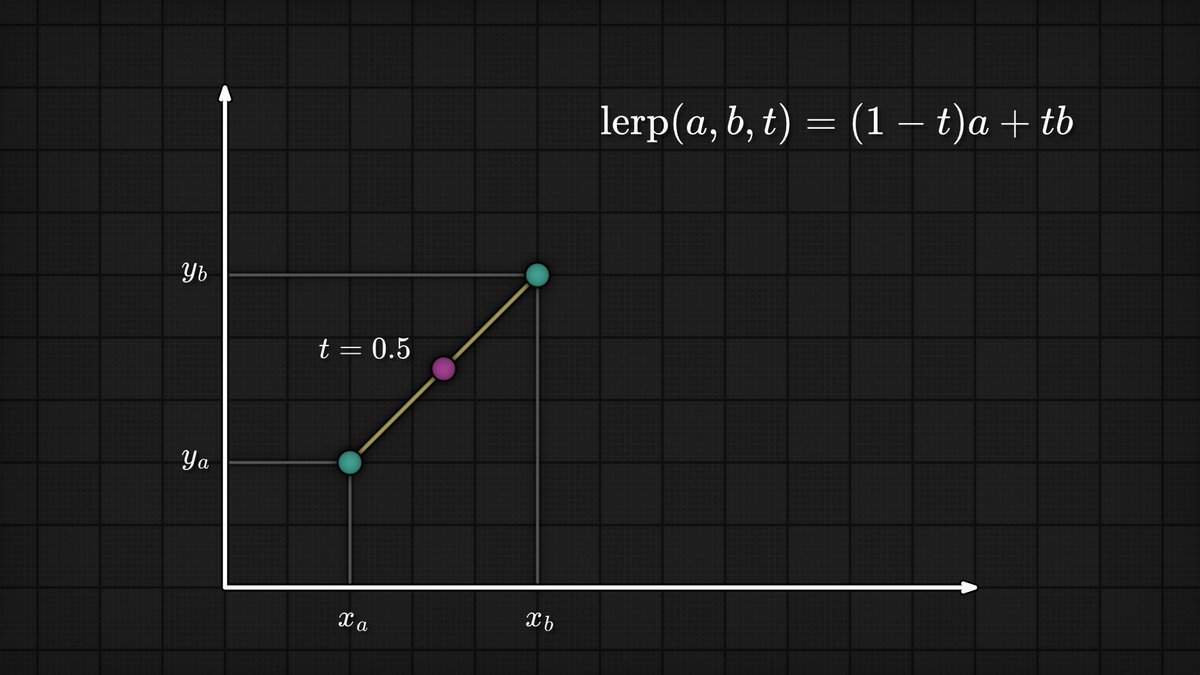
Lerp is used everywhere in games. It’s simple, but combined with a few small tricks it becomes incredibly powerful.
This thread is full of visual examples.
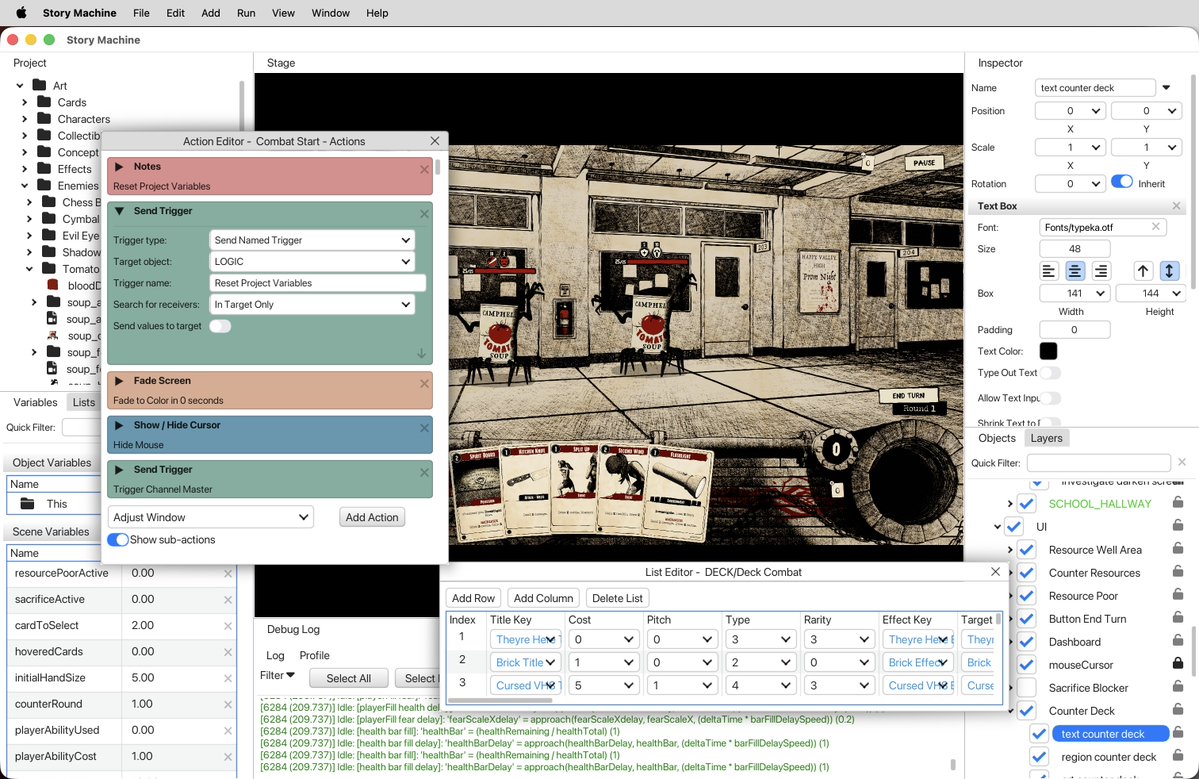
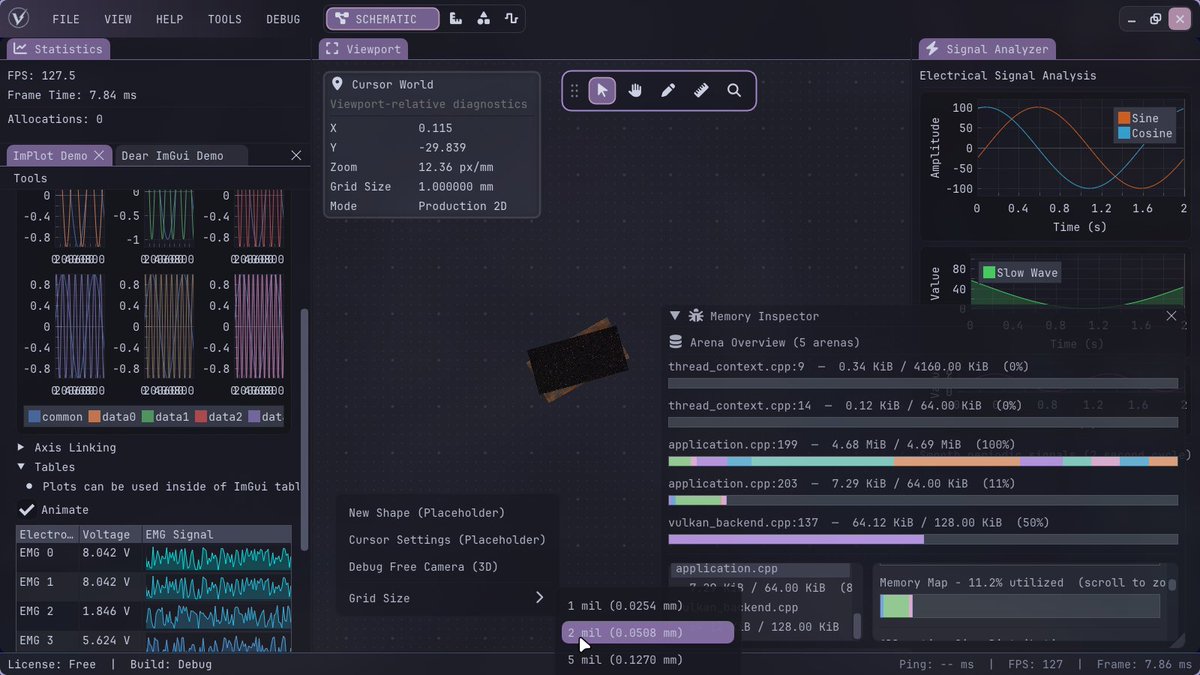
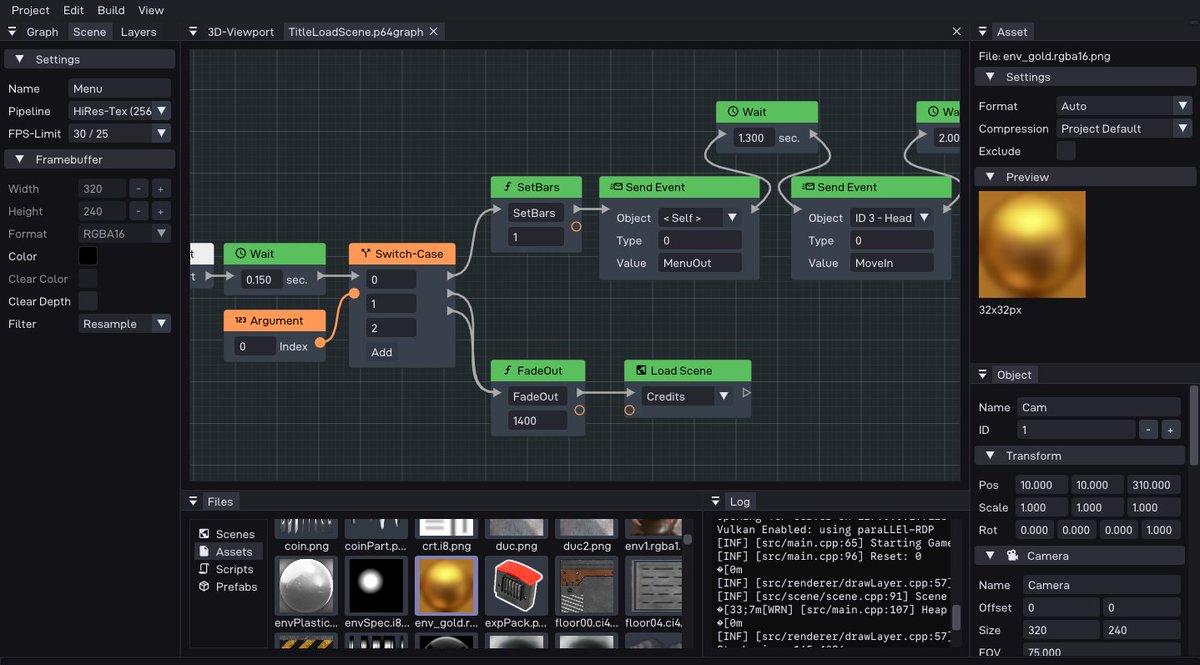
dear imgui 1.92.8: https://t.co/G17w0mqvL8
- many fixes/improvements for tables, text inputs, axis auto-sizing, multi-select & box-select, clipper, key ownership system etc.
- ImDrawList::AddRect() sig change⚠️
- Bonus: a renderer agnostic standard for changing texture sampler.
Dennis Ritchie created C in the early 1970s without Google, Stack Overflow, GitHub, or any AI ( Claude, Cursor, Codex) assistant.
- No VC funding.
- No viral launch.
- No TED talk.
- Just two engineers at Bell Labs. A terminal. And a problem to solve.
He built a language that fit in kilobytes.
50 years later, it runs everything.
Linux kernel. Windows. macOS.
Every iPhone. Every Android.
NASA’s deep space probes.
The International Space Station.
> Python borrowed from it.
> Java borrowed from it.
> JavaScript borrowed from it.
If you have ever written a single line of code in any language, you did it in Dennis Ritchie’s shadow.
He died in 2011.
The same week as Steve Jobs.
Jobs got the front pages.
Ritchie got silence.
This Legend deserves to be celebrated.
Added code explanations at @XorDev's https://t.co/HhJ8Kqtv77. I was surprised to find that it has a feature that automatically converts the https://t.co/Txt9MZlLsI format (つぶやきGLSL). See at about 14 sec in the clip🔗https://t.co/JX929Ty9fL
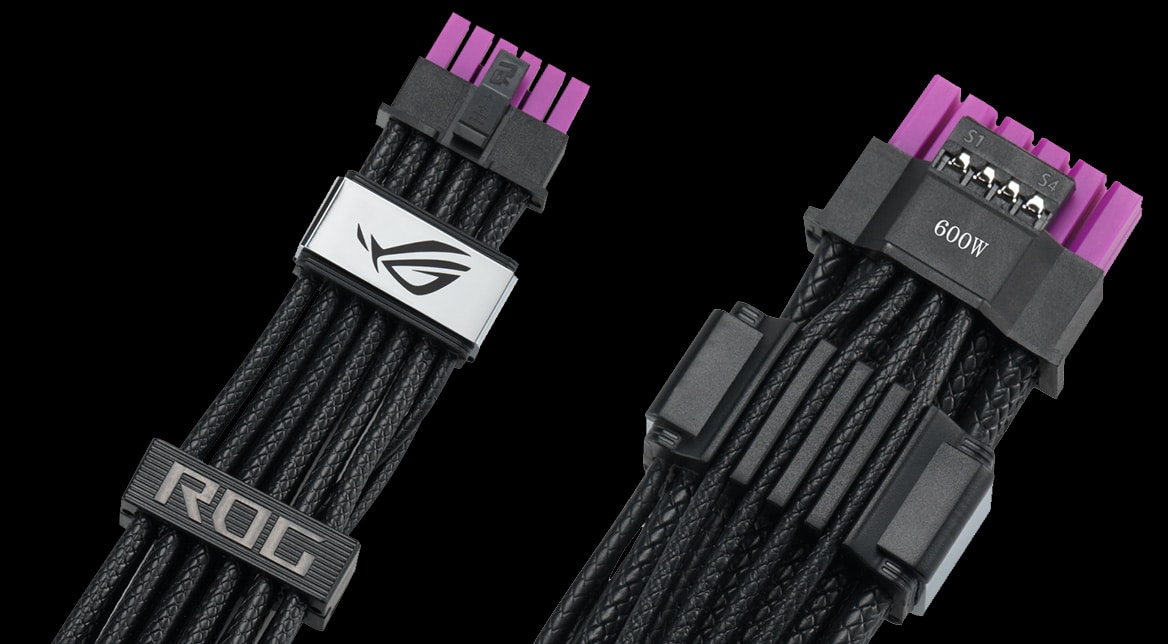
ASUS sells a special power cable called the ROG Equalizer for €50 and say it stops the power plug from melting on strong graphics cards like the RTX 4090 and 5090.
ASUS claims it shares power evenly between the pins, uses better gold contacts, and stays cool even at high power.
But hardware expert der8auer opened it up and tested it, he found it is not smart at all. It just has a simple metal bridge inside to link the wires, no electronics to balance power.
In his tests, this bridge made the power even more uneven between the pins, One pin carried much more current than others. Taking the bridge out actually made it better.
The cable is also stiffer, which can bend and stress the plug in small PC cases. The gold contacts picked up tin from the graphics card side, which could cause problems later.
der8auer says the cable gives only a small safety boost and does not fix the melting problem as advertised.
He thinks it is not worth the high price compared to normal good cables.
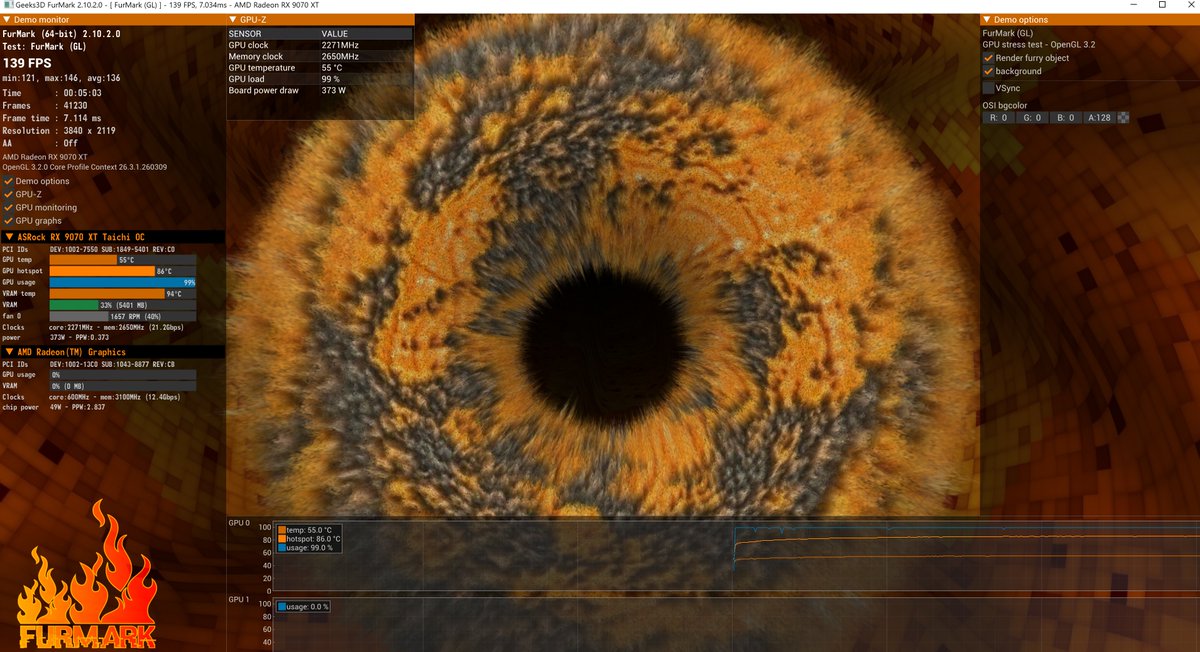
Well replacing 9070xt taichi stock ptm7950 and thermal pads for utp-6 thermal putty and hy-p17 paste gave me 3819 mhz in heaven benchmark xD
My gpu and hot spot temps in furmark dropped only by 1c but memory temps dropped by 6c at 40% fan speed. Wanted to buy upsiren utp-8 but clicked wrong... Would be even more prolly around -8/9C vs stock thermal pads.
Hi hi, Dear ImGui 1.92.7 is released!
50+ changes (e.g. tables reworked columns freezing with hidden columns, reorder from context menu, webgpu for emscripten 5 & wgvk native, nav keyboard/gamepad to open context menus, & many fixes/improvements)
https://t.co/wp1T9N5Gox
Just launched https://t.co/HZYKzLtPHa my new blog.
First article is live! Not as polished as I hoped, but I wanted to publish it on April 1st.
https://t.co/qrsawcByEg
If you're into #gpu#ComputerGraphics or #rendering, follow for more serious experiments.