AI is reshaping drug discovery. I'm a life sciences exec who built a tiny language model to actually understand it.
Attention underlies every modern LLM. Most explanations are illustrations. Mine uses real weights from a live model.
https://t.co/6lGu6MKgp9
I've always been hands-on with tech; AI is no exception. Yet I couldn't explain what happens inside the models. So I fixed that the hard way: built a tiny LM from scratch, then turned a small open model into a biotech specialist. The lab, plain English: https://t.co/gGP5w8JK4i
Follow the money. In AI, the model isn't what creates the moat — compute, data, distribution, and regulation are. @TheEconomist now argues America's laissez-faire approach is untenable. My full case for why concentration is structural, not personal: https://t.co/JFCCko3h16
The audio version of Part 3 of "The Model Is Not the Moat" is live. The moats are being dug right now—the question is which side you end up on. What founders need to know about compute, data, and distribution.
https://t.co/fGBC0IbOa2
#AI#Startups
A handful of AI companies are locking up compute, data, and distribution. Own a piece of what's coming, or pay rent to those who do. https://t.co/VYDGjSAzXw
#AI
Part 2 of 'The Model Is Not the Moat' is now in audio: https://t.co/gNgDCaVxQR
While everyone obsesses over model quality, real competitive advantages are built through distribution, regulation, network effects. Open-source revolution? More mirage than reality.
#AI#Strategy
Everyone's obsessed with model parameters. Meanwhile, the real AI moats are being built in distribution channels and regulatory frameworks.
The most dangerous competitive advantage is invisible—until someone else owns it.
https://t.co/kfwvVzHz6d
#AI#Startups
“The model is not the moat” has become Silicon Valley’s favorite line.
And yet OpenAI raised $110B and Anthropic $30B, the two largest private funding rounds in history.
If models are truly commoditizing, the people writing the checks seem unconvinced. The model may not be the moat, but compute, data, and power infrastructure already are.
Part 1 of my 3-part series on where AI’s real competitive barriers are being built: https://t.co/8gn4dUle97
#AI #ArtificialIntelligence #Startups #VentureCapital #TechStrategy
@heyshrutimishra “0 bytes to cloud” is false. Openwork’s own FAQ: data goes to “your chosen AI provider (OpenAI, Anthropic, etc.)” Unless you run local Ollama models, your files still hit cloud APIs. Use an OpenAI key? Your data goes to OpenAI.
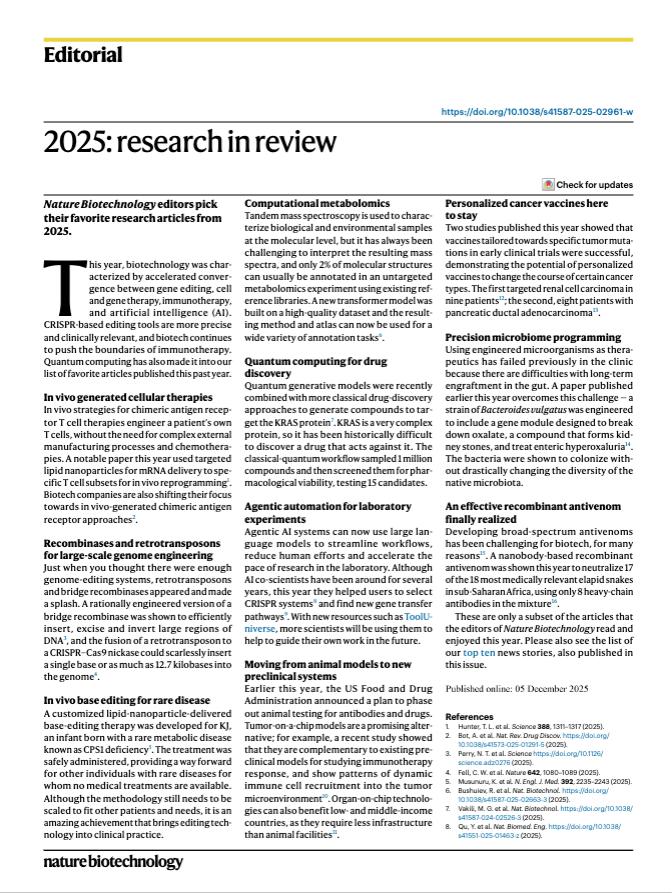
This year, biotechnology was characterized by accelerated convergence between gene editing, cell and gene therapy, immunotherapy, and AI. CRISPR-based editing tools are more precise and clinically relevant, and biotech continues to push the boundaries of immunotherapy. Quantum computing has also made it into our list of favorite articles published this past year https://t.co/zFB9iG1bSq
We were pleased to see the Budget announcement today which included new investment in health, the NHS, and research.
The Budget announced £300 million of additional capital investment in NHS technology to boost productivity, support staff, and improve patient outcomes.
It also announced continued investment into research, including a STEM centre in Darlington.
We also saw welcome changes to the Soft Drinks Industry Levy, including the end to the exemption of milk based drinks.
#Budget2026
Children with rare kidney disease are missing more than half the school year — every year.
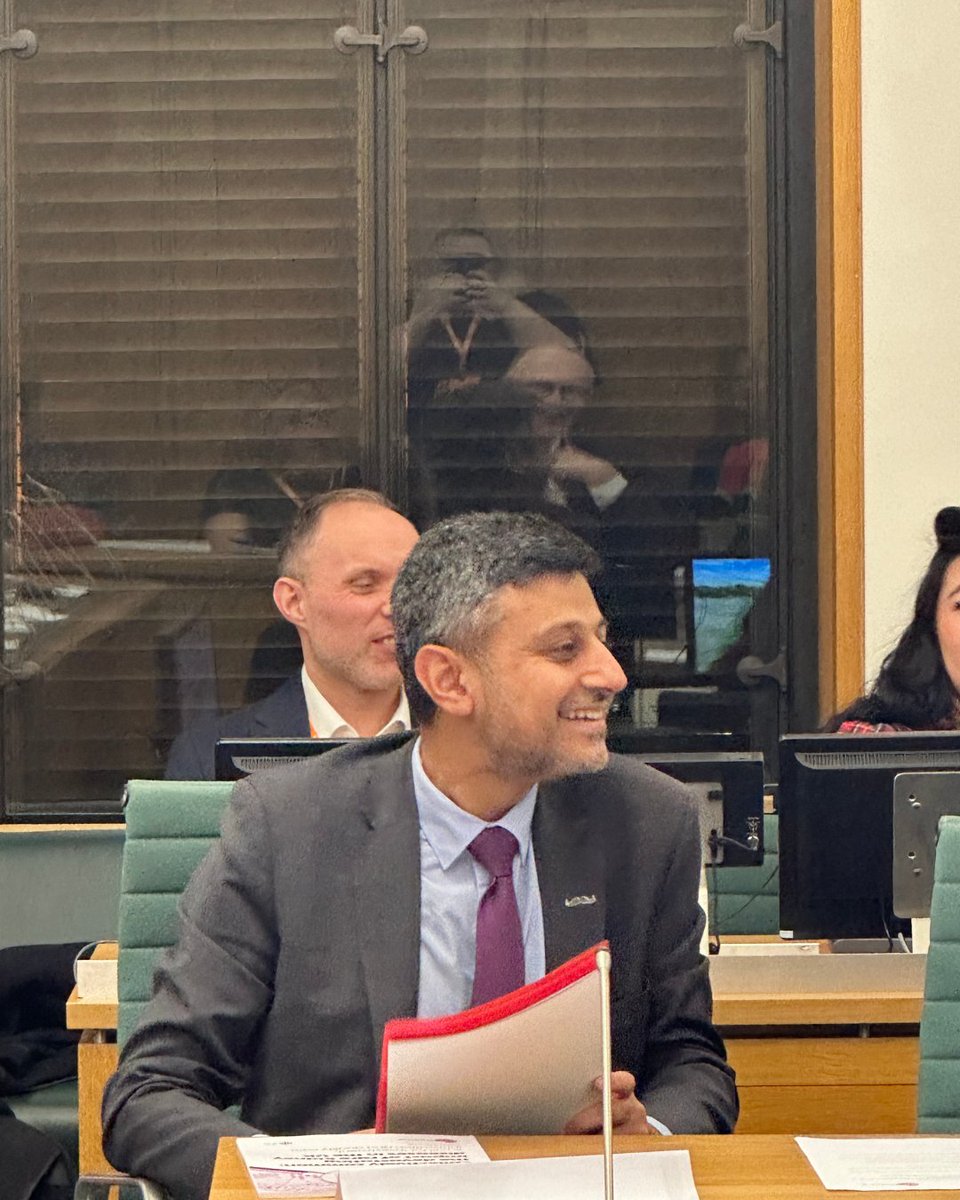
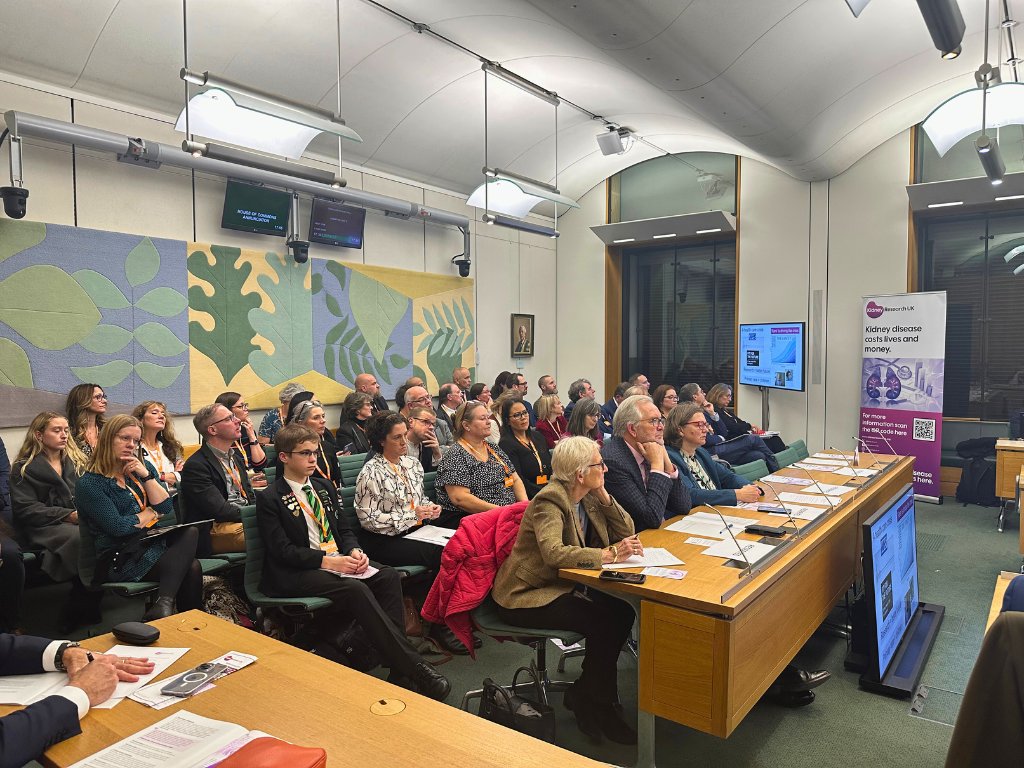
I attended this week’s Parliamentary launch of Collectively Common, the new report on the devastating impact of rare kidney diseases in the UK, in my capacity as a trustee of Kidney Research UK. That statistic was one of the most confronting findings discussed in the room.
Kids are waiting more than a decade longer than adults to access new treatments, and families are still fighting for early diagnosis, better access to therapies and inclusion in clinical trials.
This has to change — and the momentum from this launch is a step toward making that happen.
Read the report: https://t.co/qHXAe69t7g
#RareKidneyDisease #KidneyDisease #WorldChildrensDay
We were proud to host the parliamentary launch of our new report on rare kidney diseases at a roundtable in the House of Commons this week.
A huge thank you to @StuartAndrew MP for hosting and to our incredible speakers: Health Minister @zubirahmed, Dame June Raine, George Agathangelou from @ZSAssociates, @louise_oni, and kidney patients Kathryn and 15-year-old Morven for sharing their powerful stories.
It was inspiring to see so much commitment to improving outcomes for the 160,000 people in the UK living with a rare kidney disease. Together, we’ll keep building momentum to make the case for:
• Earlier diagnosis
• Better access to treatments
• Inclusion of children in clinical trials
#KidneyDisease
Don’t let the label fool you — “rare” kidney diseases leave a heavy footprint.
• 160,000+ people in the UK affected
• Rare forms drive >25% of dialysis & transplant demand
• >60% of pediatric kidney failure cases are rare
• Kids lose 100+ school days/year
• NHS spends £263 million annually
• 64% risk of unemployment by kidney failure
• Children wait a decade longer for new treatments
As a Trustee, I’m committed to turning these numbers into action.
Read more & join the call: https://t.co/sITmPdhZc0
Our new report, looking into rare kidney diseases in the UK, has uncovered shocking statistics in diagnosis delays, inconsistent care, and long waits for new treatments, with the impact being more severe for children.
Rare kidney diseases include over 150 distinct diseases that, while individually uncommon, are estimated to collectively affect around 160,000 people in the UK.
Following our findings, we are calling on government to deliver faster diagnosis, ensure children can be included in clinical trials, and commit investment into research and services so families are no longer left behind.
Sandra Currie OBE, chief executive of Kidney Research UK, said: “This report provides the first real insight into the significant impact of rare kidney diseases and, importantly, lays out a clear path for action. We need faster and more accurate diagnoses, smoother transitions between child and adult services, and better inclusion of children in clinical trials so they are no longer last in line for innovation.”
Head to our report to see our 10 key findings and 14 recommendations: https://t.co/TNbsiyB3Vq
Do you live with or know someone living with a rare disease? We’d love to hear your experiences in the comments.