#Science The genetic differences between men and women - A study analysed the expression of 20,000 genes in the body tissues of donors. They found that 6,500 of them are expressed differently in men and women
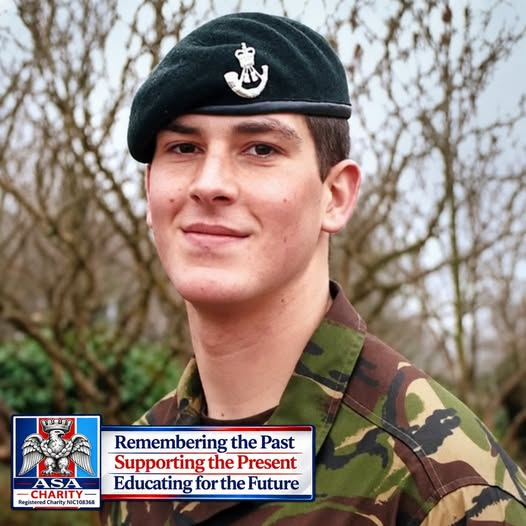
Today we remember Lance Corporal Ali Woodford, 1st Battalion The Rifles, who died while taking part in a parachute training expedition in Sennelager, Germany, on the 29th September 2015.
L/Cpl Woodford, 26, had been based at Beachley Barracks in Gloucestershire. He had earlier served in Afghanistan as a heavy machine gun operator.
L/Cpl Woodford, from Hackney, was married to Samantha and had a three-year-old son, Oscar John.
We Will Remember Them
"𝕲𝖗𝖊𝖆𝖙𝖊𝖗 𝖑𝖔𝖛𝖊 𝖍𝖆𝖙𝖍 𝖓𝖔 𝖒𝖆𝖓 𝖙𝖍𝖆𝖓 𝖙𝖍𝖎𝖘, 𝖙𝖍𝖆𝖙 𝖆 𝖒𝖆𝖓 𝖑𝖆𝖞 𝖉𝖔𝖜𝖓 𝖍𝖎𝖘 𝖑𝖎𝖋𝖊 𝖋𝖔𝖗 𝖍𝖎𝖘 𝖋𝖗𝖎𝖊𝖓𝖉𝖘."
#WeWillRememberThem #LestWeForget
ASA Charity NIC108368
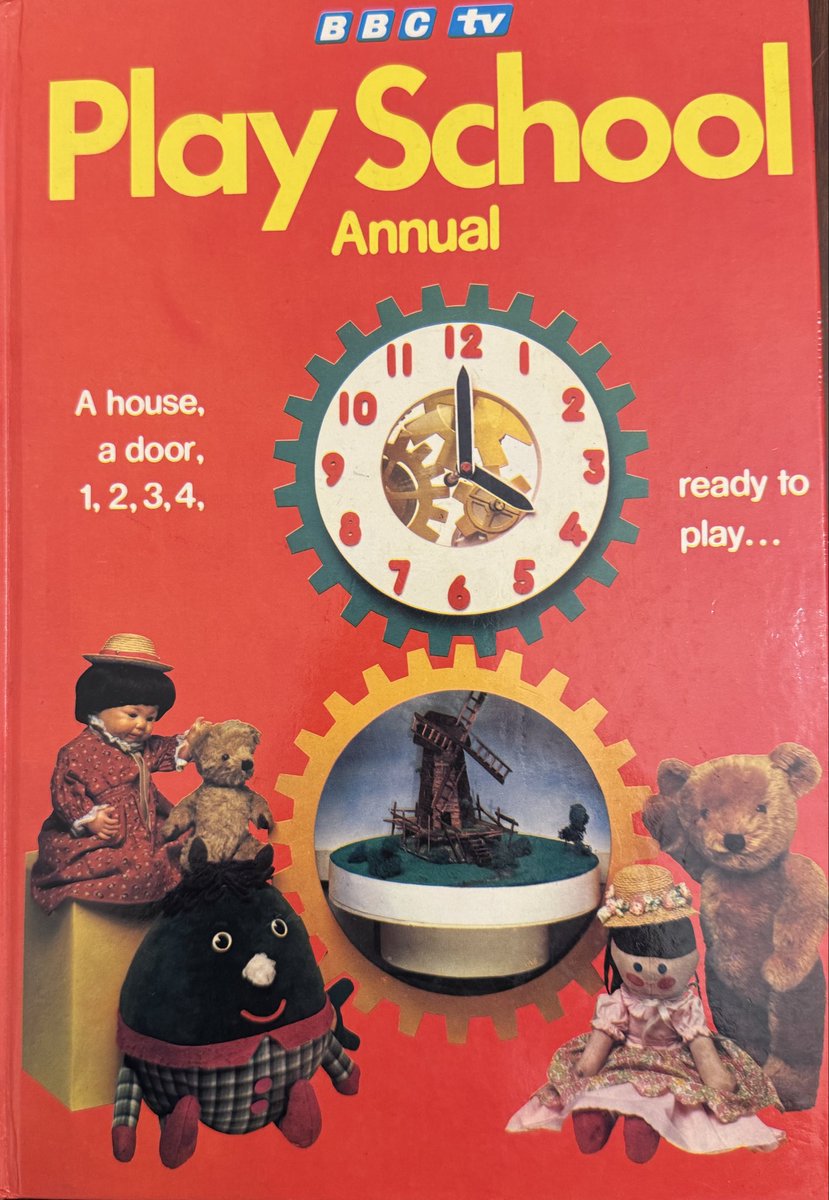
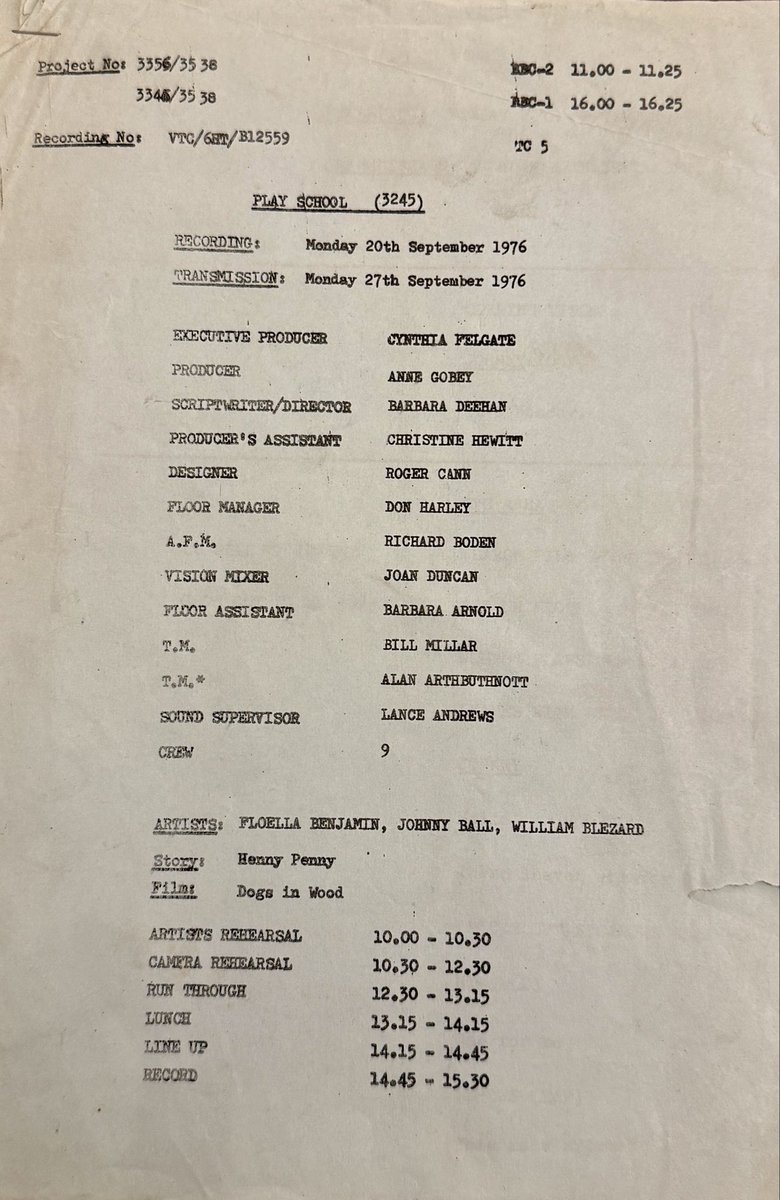
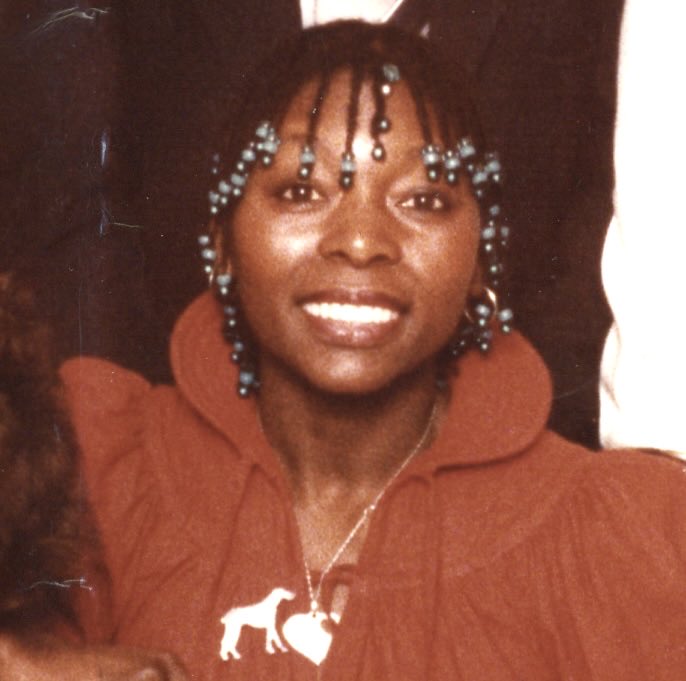
Today it’s 50 years since I first presented Playschool wearing my blue beads and silver heart. I adore bringing joy into the lives of my #Playschool Babies during the 12 years I was on the programme. @CBeebiesHQ ❤️
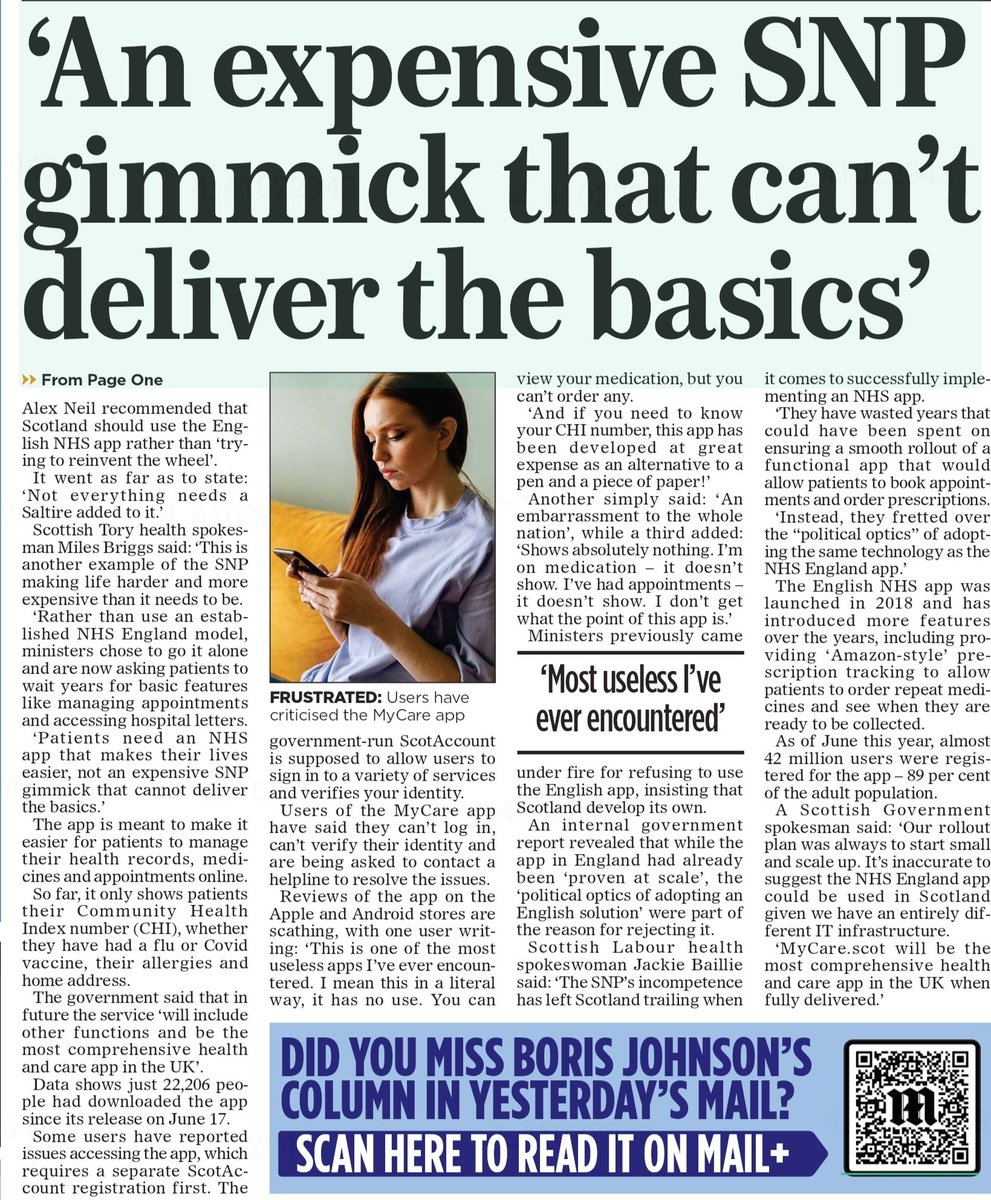
The English NHS app works well and is used by nearly 90% of adults.
The SNP Scottishy NHS app is used by only 0.5% of Scotland’s adults, cost £17 million, has almost no useful functions.
A staggering testament to SNP incompetence: everything they touch becomes more expensive, less effective and years behind England.
No 15. in our Did you know series: Words matter.
Woman. Man. Girl. Boy. Mother. Father.
They are not simply longer alternatives for person, adult, child or parent. In contexts where sex or relationship matters, they can communicate information that the broader word does not.
A girl is a child.
But sometimes knowing that the child is a girl is precisely what matters.
NAME GIRLS | RECORD SEX | RECOGNISE RISK | PROTECT CHILDREN
Please sign & Share: Petition 779105 Require sex-specific language in government, NHS, education and public bodies https://t.co/8P6Yc8F56s
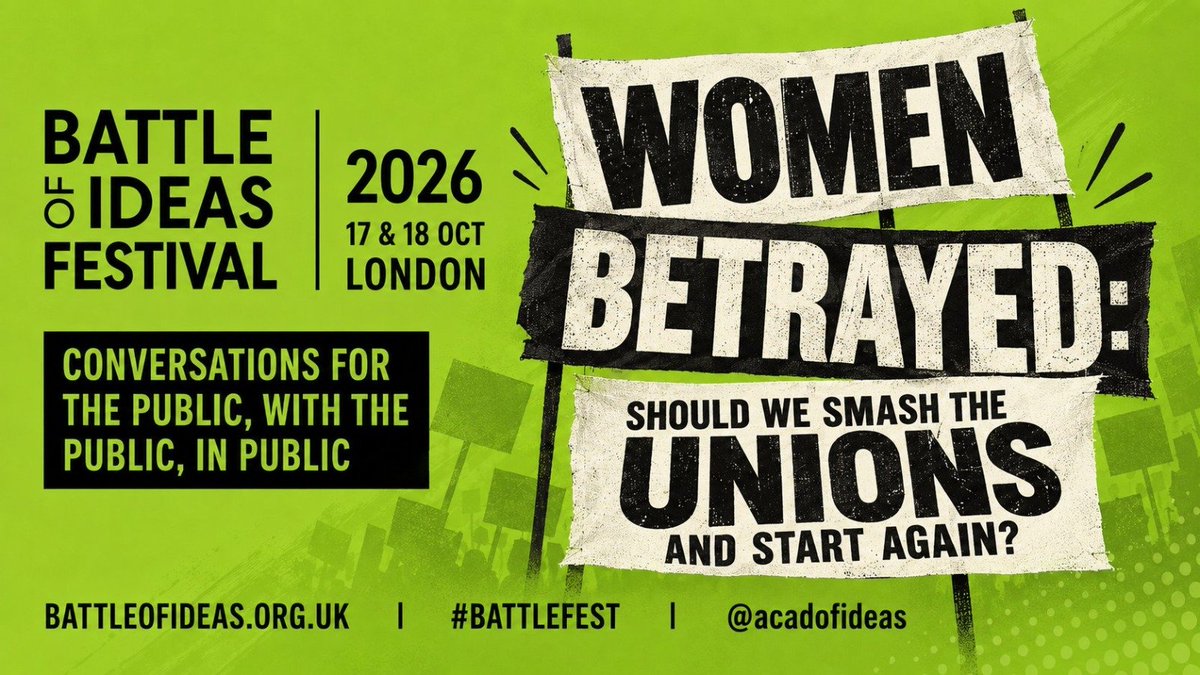
Should we smash the unions and start again?
After watching some unions forget what a woman is, who their female members are, and who pays their subscriptions…
Absolutely. Where do we start?
RCOG consultation on maternity care for neurodivergent women closes tomorrow at 23:59. Anyone can comment you do not need to be a doctor...
I have posted example answers in this thread so you can copy, adapt or write your own. Please read the draft and tell them what is helpful, what is inaccurate, what feels stigmatising, and what could create unsafe practice.
1/ Long thread with example answers for a consultation: Are you neurodivergent, do you have experience of maternity care, or care about either?
The RCOG needs to hear from you.
The Royal College of Obstetricians and Gynaecologists is consulting on a new draft Good Practice Paper: Maternity Care Planning for Neurodivergent Women and Birthing People (YES I KNOW "Birthing People"!!!)
Anyone may submit comments. You do not need to be a doctor or belong to a professional organisation.
The draft could influence how neurodivergent women are understood, assessed and treated throughout pregnancy, birth and postnatal care. It includes proposals concerning autism screening, communication, consent, pain, anaesthesia, trauma, safeguarding and social-services involvement.
There are positive proposals for individualised care and reasonable adjustments; but also descriptions, generalisations and clinical recommendations that require serious scrutiny.
For example, dyslexia is associated with “slow processing of written language”; PTSD is listed twice among co-occurring considerations; and the paper proposes offering every neurodivergent woman an antenatal anaesthetic referral.
Please read the draft and tell the RCOG what is helpful, what is inaccurate, what feels stigmatising and what could create unsafe practice.
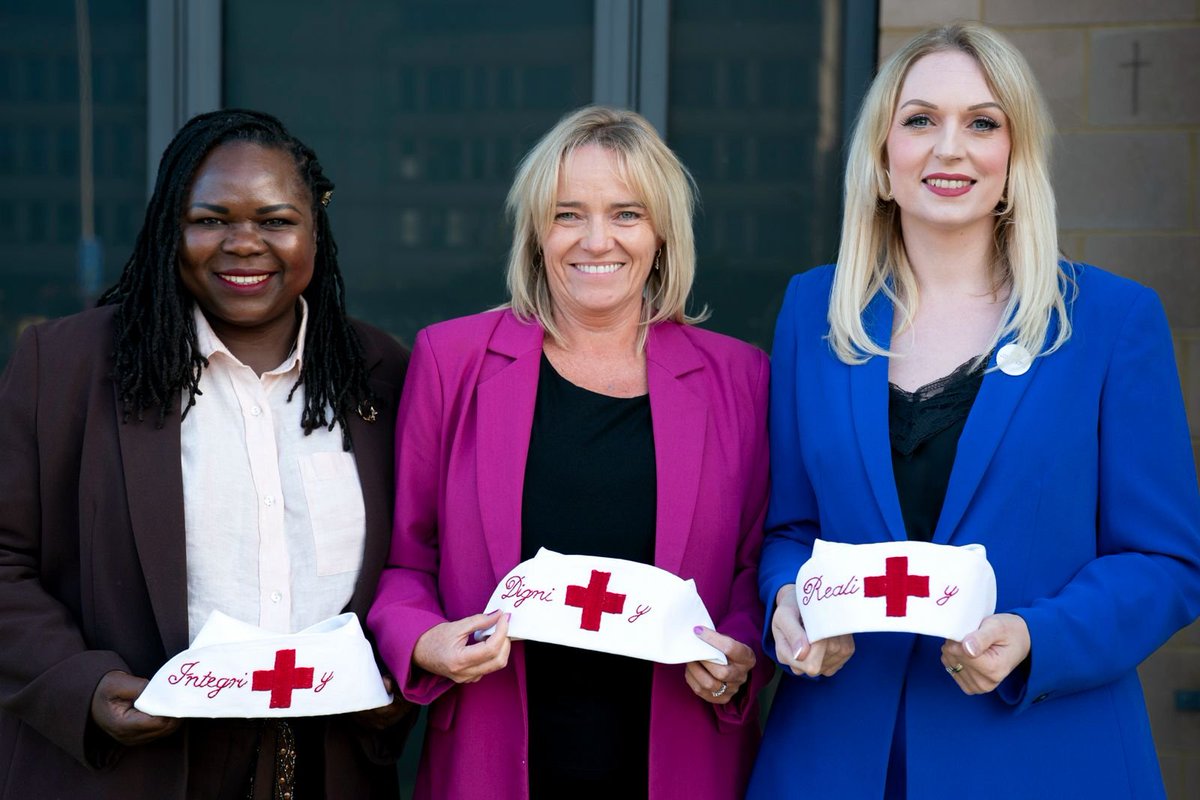
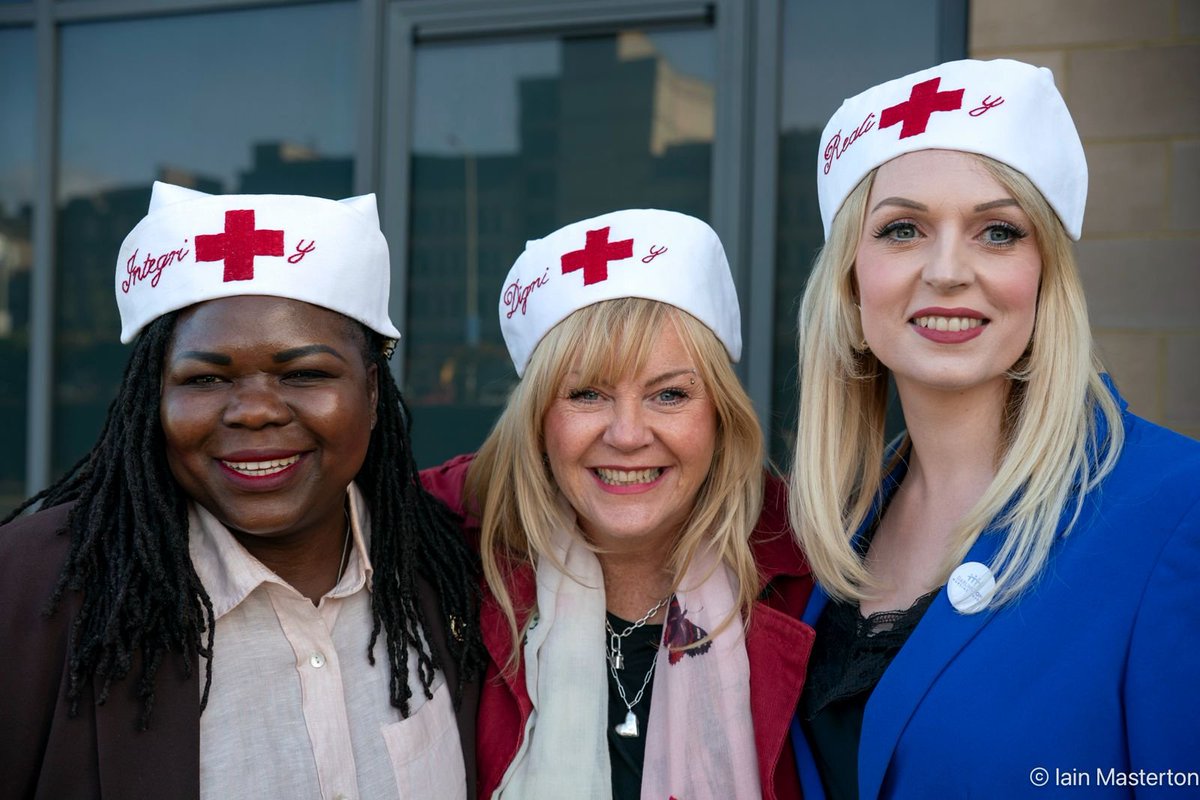
Jennifer Melle joins Darlington nurses, Lisa and Bethany outside of court this morning in Dundee as Sandie Peggie's case against the RCN continues...
https://t.co/xdkiyF6gw4
We took part in this great @SpeechUnion panel on NI's draft Conversion Practices bill & free speech.
This draconian bill will criminalise parents who question the trans narrative.
More children will be harmed as they were when GIDS silenced critics.
https://t.co/1Yh6ScHwSS
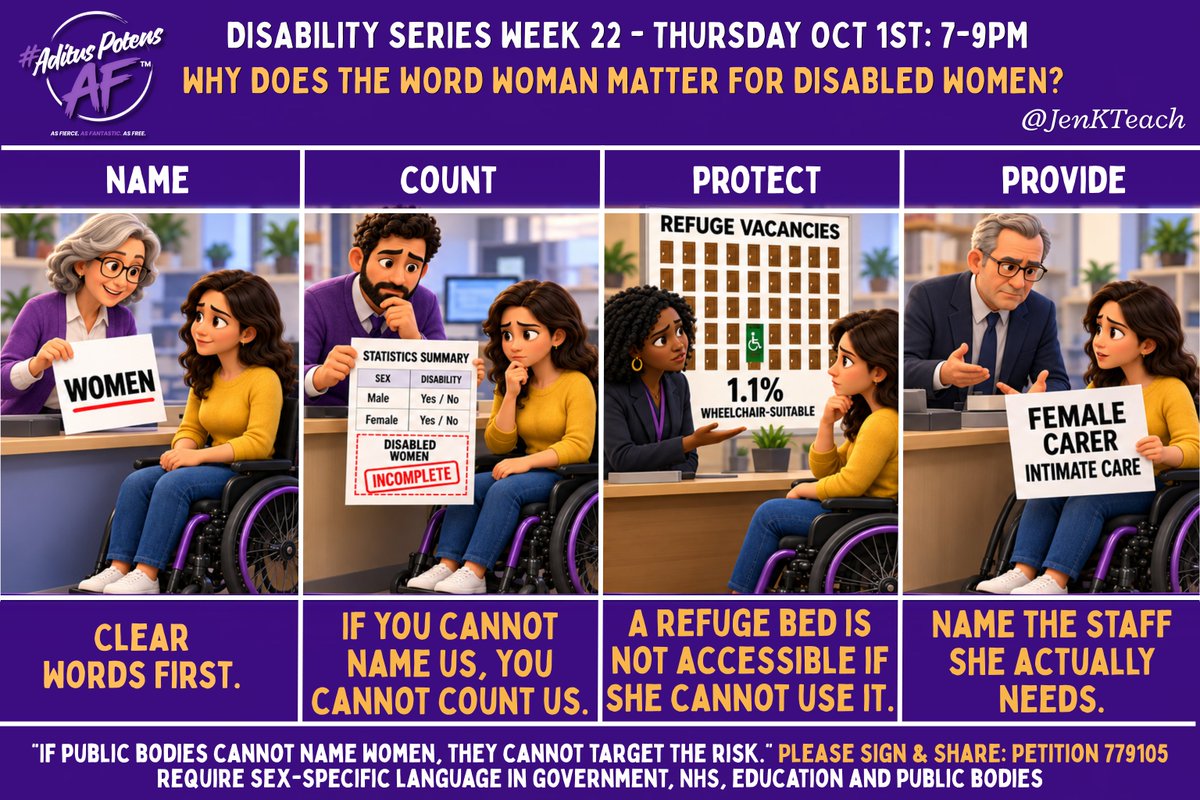
The real question is: why does naming women clearly matter for disabled women, and what is lost when public bodies replace the word woman with broader or less precise terms?
Online X Space:🔗 Link available on Thursday so the discussion can be recorded with comments enabled.
📅 Thursday 1st October
🕖 7–9pm
Petition 779105: https://t.co/8P6Yc8F56s
UNDERSTANDING DISABILITY: Week 22 of our Aditus Potens AF™ Series - Thursday 1st October, 7–9pm
Last week, we asked who should control disability support: local discretion or national standards, and whether a postcode lottery is already the system we have.
This week: SEX, LANGUAGE AND SAFEGUARDING
WHY DOES THE WORD WOMAN MATTER FOR DISABLED WOMEN?
Petition 779105 asks government, the NHS, education and public bodies to retain sex-specific words including women, girls, mothers and pregnant women. Tonight we test that request against evidence, law and the reality of receiving care.
We will take a detailed look at:
▶️how many disabled women there are across the four nations, and why they are not a niche population;
▶️domestic abuse now, and what the longer trend shows when sex and disability are read together;
▶️sexual violence and the missing intersection in official statistics;
▶️disability-specific coercive control: medication, equipment, communication, money and transport;
▶️communication, credibility and disclosure, including the Accessible Information Standard;
▶️learning disability, consent and safeguarding;
▶️intimate care and why commissioners need to name female staff, not “carer preference”;
▶️refuge and emergency accommodation, including the 1.1% of advertised vacancies suitable for wheelchair users;
▶️police, courts and access to justice;
▶️institutional history and why being spoken about is not the same as being heard;
▶️cervical screening, breast screening, maternity and reproductive health;
▶️data collection, official language, the Equality Act and single-sex services.
No slogans, just facts... A public body can name women accurately at population level and still treat each patient courteously. The practical question is whether public language tells us who is affected, what service is being offered and which outcomes should be measured.
Content note: some of tonight’s material concerns abuse and sexual violence. Nobody has to disclose anything personal. If somebody does share an experience, we will listen without interrogating them or attempting to investigate a live case in public.
#UnderstandingDisability #AditusPotensAF
No 15. in our Did you know series: Words matter.
Woman. Man. Girl. Boy. Mother. Father.
They are not simply longer alternatives for person, adult, child or parent. In contexts where sex or relationship matters, they can communicate information that the broader word does not.
A girl is a child.
But sometimes knowing that the child is a girl is precisely what matters.
NAME GIRLS | RECORD SEX | RECOGNISE RISK | PROTECT CHILDREN
Please sign & Share: Petition 779105 Require sex-specific language in government, NHS, education and public bodies https://t.co/8P6Yc8F56s
He and she are the most inclusive terms available.
They name the two sexes that exist.
Replace them with they/them as default policy and you do not make people more visible... you make sex invisible. Once sex disappears from language it disappears from data. Crime rates, medical outcomes, education gaps, safeguarding risks: all of it starts to lose meaning.
You cannot measure a pattern you have decided not to name, and you cannot prevent what you refuse to see.
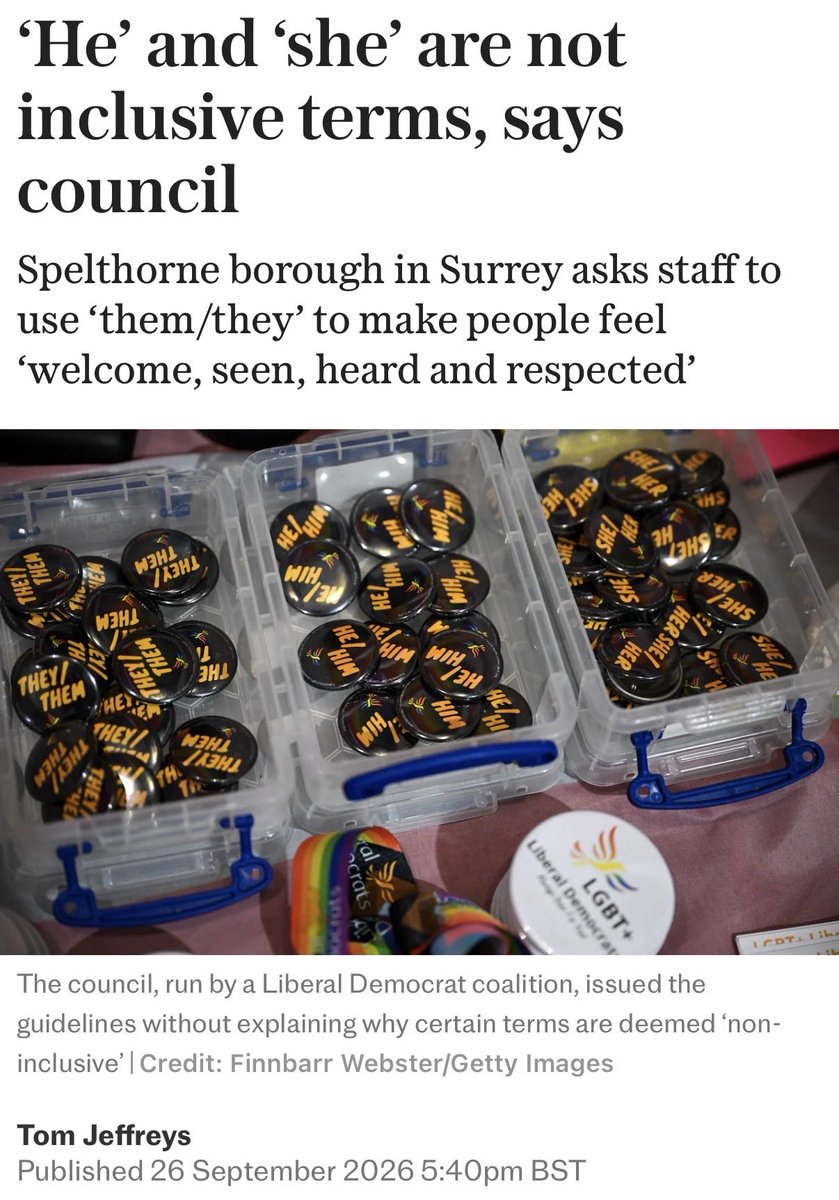
Spelthorne Borough Council in Surrey has told staff not to use the terms ‘he’ and ‘she’ because they are supposedly not inclusive. Instead, staff have been instructed to use ‘they/them’ pronouns to make people feel ‘welcome, seen, heard and respected’.
The Liberal Democrat-led council has updated its inclusive language and communications guide to advise against using these everyday terms.
The document, which was updated in June last year, was criticised at the time and described as ‘authoritarian’ after it claimed that terms such as ‘manpower’, ‘blacklist’ and ‘ladies’ were offensive.
The updated guide offers no explanation as to why the council has devoted its efforts to this project.
It also discourages the use of ‘husband’ or ‘wife’, instead directing staff to use terms such as ‘spouse’ or ‘partner’. In addition, it suggests using ‘chair’ or ‘chairperson’ instead of ‘chairman’ or ‘chairwoman’, and ‘too many chiefs’ instead of ‘too many cooks in the kitchen’.
But it doesn’t stop there. The guide also says that people should replace the term ‘alcoholic’ with ‘person with alcohol-use disorder’.
What an absolute farce.
At the Free Speech Union, cases involving individuals being silenced or punished for their gender-critical beliefs remain the single biggest category of cases handled by our team. This is despite the Equality Act 2010 protecting these views, as reaffirmed by last year’s landmark Supreme Court ruling.
The Free Speech Union will be keeping a watchful eye on this council.
Read more in @Telegraph below 👇
The @guardian is determined to make surrogacy acceptable.
In this article on US surrogate mothers, they refer to “surrogacy work”, call mothers “carriers” and acknowledge the financial incentive: “it was a high risk job; it was also a high reward”.
https://t.co/fM3ztasdx8
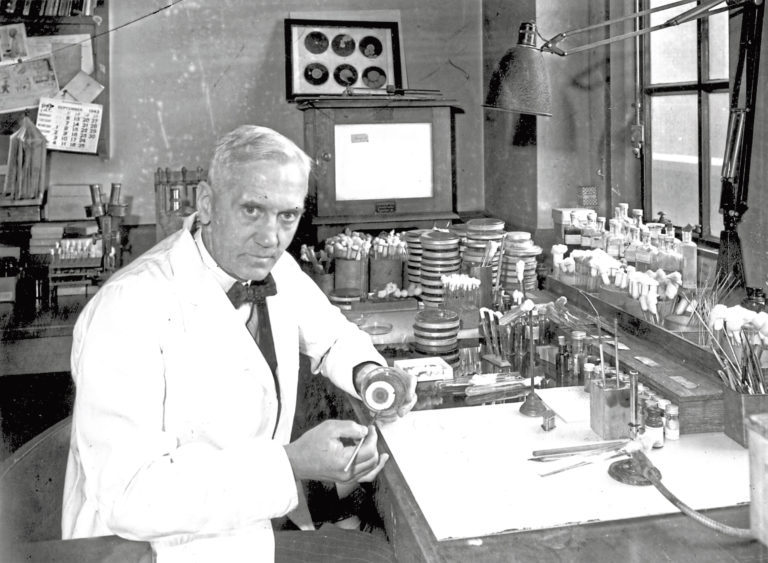
28 SEPTEMBER 1928....THE LABORATORY SLIP-UP THAT HELPED SAVE MILLIONS OF LIVES
There are mistakes... There are useful mistakes.... And then there is accidentally allowing mould to grow in your Petri dish and helping to change medicine forever.
In September 1928, Scottish bacteriologist Alexander Fleming was working at St Mary's Hospital in London with cultures of staphylococci; bacteria capable of causing serious infections.
One of his culture plates became contaminated by a mould. For most of us, this would have resulted in the scientific equivalent of tutting, putting it in the bin and starting again. Fleming looked more closely.
Something peculiar had happened. Immediately around the invading mould was a clear area where the bacteria had disappeared..... The contamination appeared to be killing them.
Fleming cultured the mould and investigated. Even when its antibacterial material was heavily diluted, it continued to inhibit the growth of staphylococci. He eventually called the active substance penicillin, after the Penicillium mould.
The accident was important.... But the observation was the genius. Plenty of scientists could have thrown away a contaminated culture. Fleming realised that the contamination itself was worth investigating.
And even then, there was no miraculous bottle of medicine ready to hand to patients.
Fleming published his findings in 1929, but producing stable, purified penicillin in useful quantities proved enormously difficult. More than a decade later, Howard Florey, Ernst Chain, Norman Heatley and the Oxford team turned Fleming's observation into something approaching a practical treatment, followed by the enormous British-American effort required to manufacture penicillin on an industrial scale during the Second World War. Fleming, Florey and Chain shared the 1945 Nobel Prize in Physiology or Medicine.
And what a difference it made.... Before effective antibiotics, infections that today may seem routine could kill: an infected wound, pneumonia, bloodstream infection or complications following surgery or childbirth.
The Nobel Prize organisation simply says that penicillin has “saved millions of lives.” That's the defensible figure. Claims of hundreds of millions are often repeated, but nobody can retrospectively count them with that precision.
And there is a lovely Scottish beginning to the story.... Alexander Fleming was born on 6th August 1881 at Lochfield Farm, near Darvel in Ayrshire, the son of farmers Hugh Fleming and Grace Morton. He attended local schools before eventually moving to London and studying medicine at St Mary's.
From an Ayrshire farm boy... to a London laboratory... to one rather grubby-looking Petri dish... to the antibiotic age.
Perhaps the best part of the story is that penicillin wasn't simply discovered because something went wrong. It was discovered because Fleming noticed that something had gone wrong in an interesting way.
🧫 The mould was an accident.
🔬 Recognising what it was doing was science.
💊 Turning it into a medicine took another team of brilliant people.
🌍 And the result has saved millions of lives.
Not bad for a contaminated Petri dish.
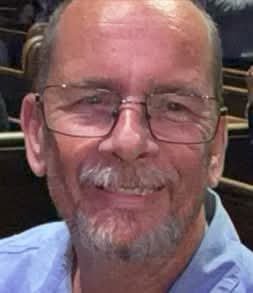
🚨 BEACON ALERT: MISSING VETERAN
The are concerns for Andrew's safety.
Last seen in Chilwell 8am today (27th September 2026).
5ft8, last seen wearing a blue t shirt, navy shorts, black trainers with a grey bag.
Notts police ref 331.
#BeaconAlert#MissingPerson
🧵🚨1/
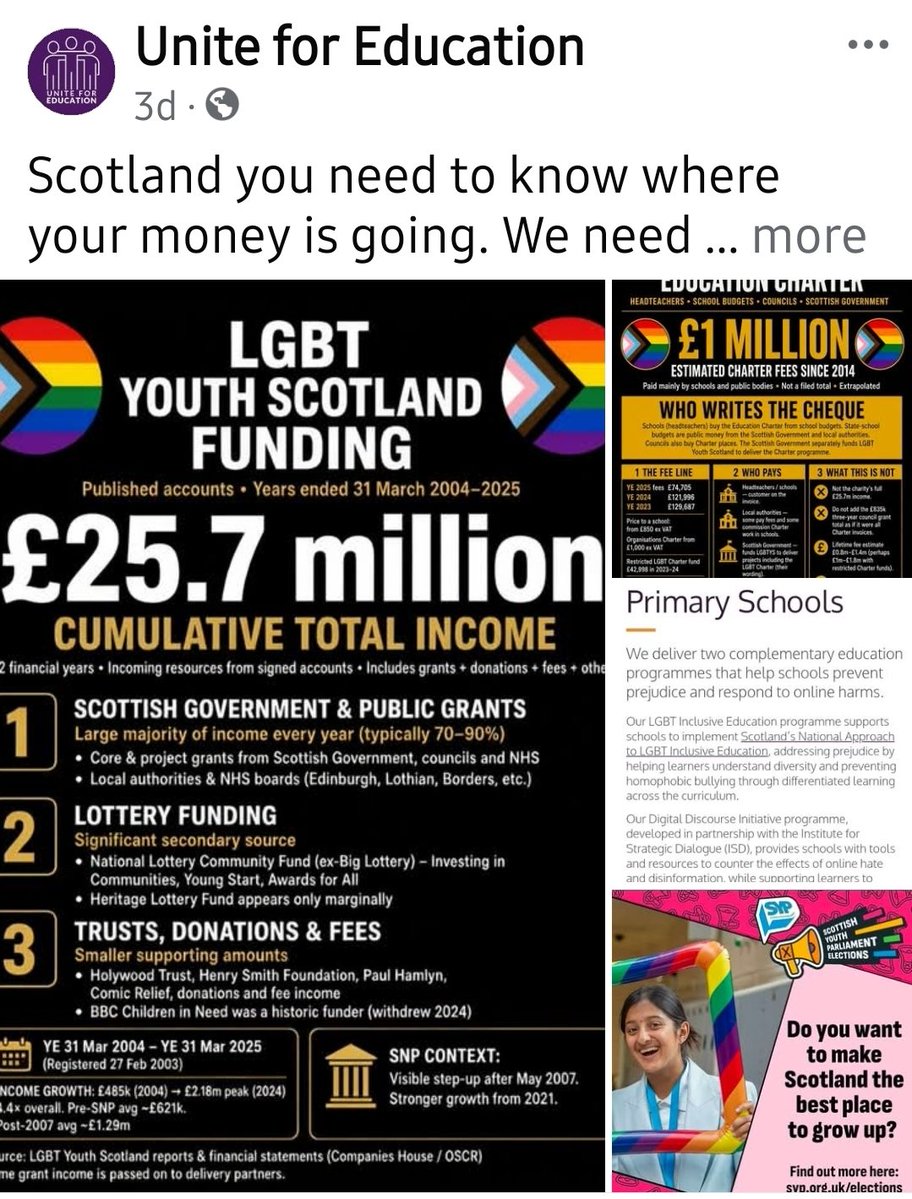
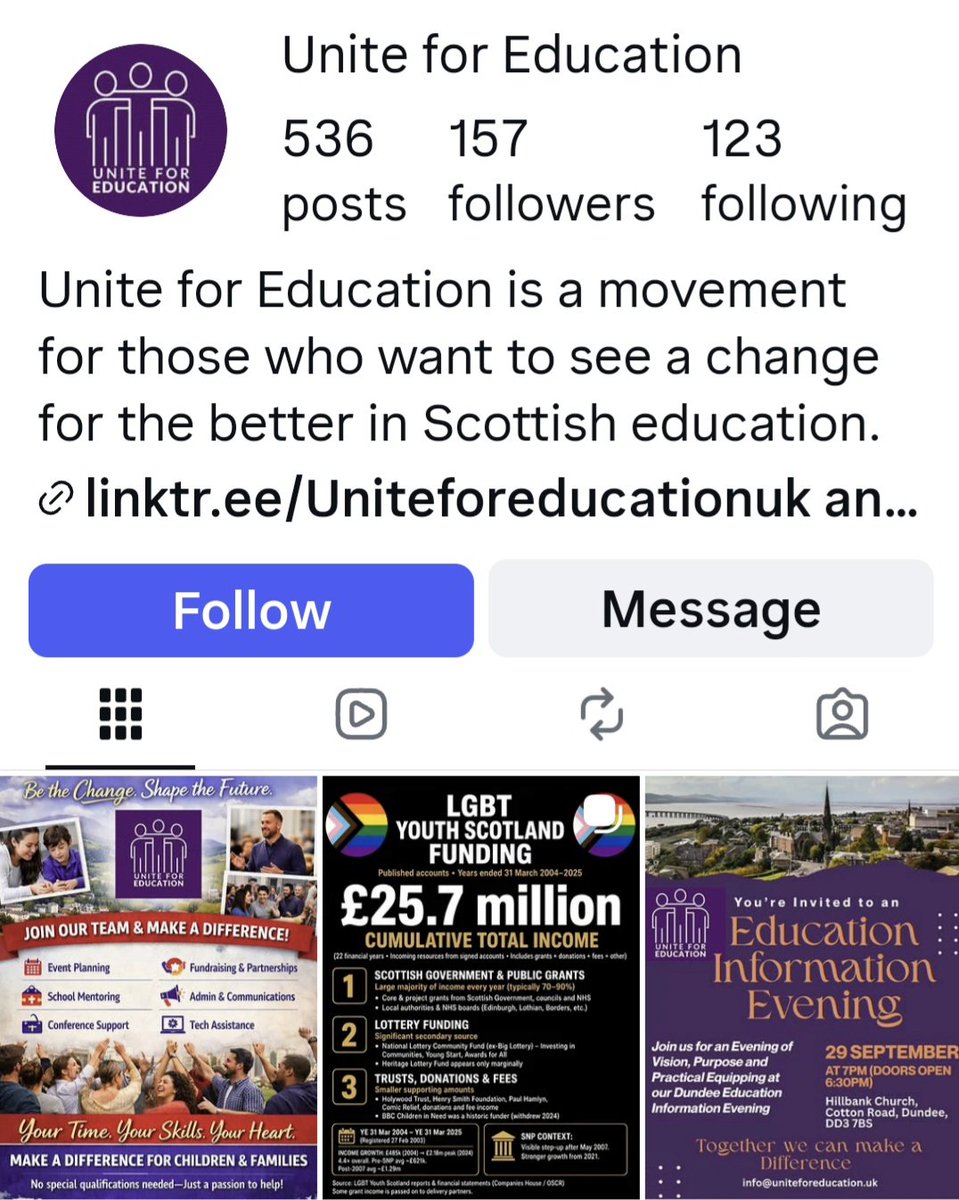
It has been brought to our attention that "Unite for Education" has posted on Facebook and Instagram a collage that combines two of our posts and accompanying infographics in a way that implies the work is theirs.
No LGBT YS in Schools is not affiliated with Unite for Education in any way.
We asked twice, privately, for a credit or for the posts to be taken down. They have not done so.
@nieldeepnarain