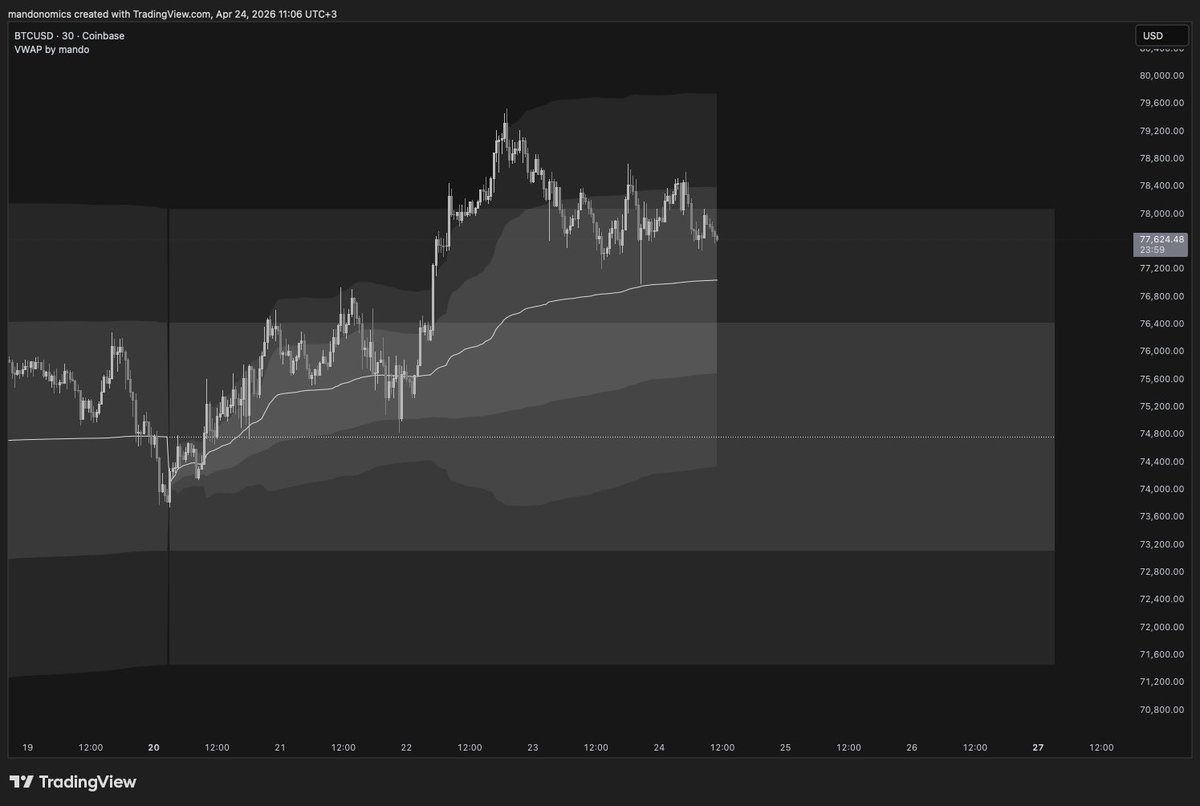
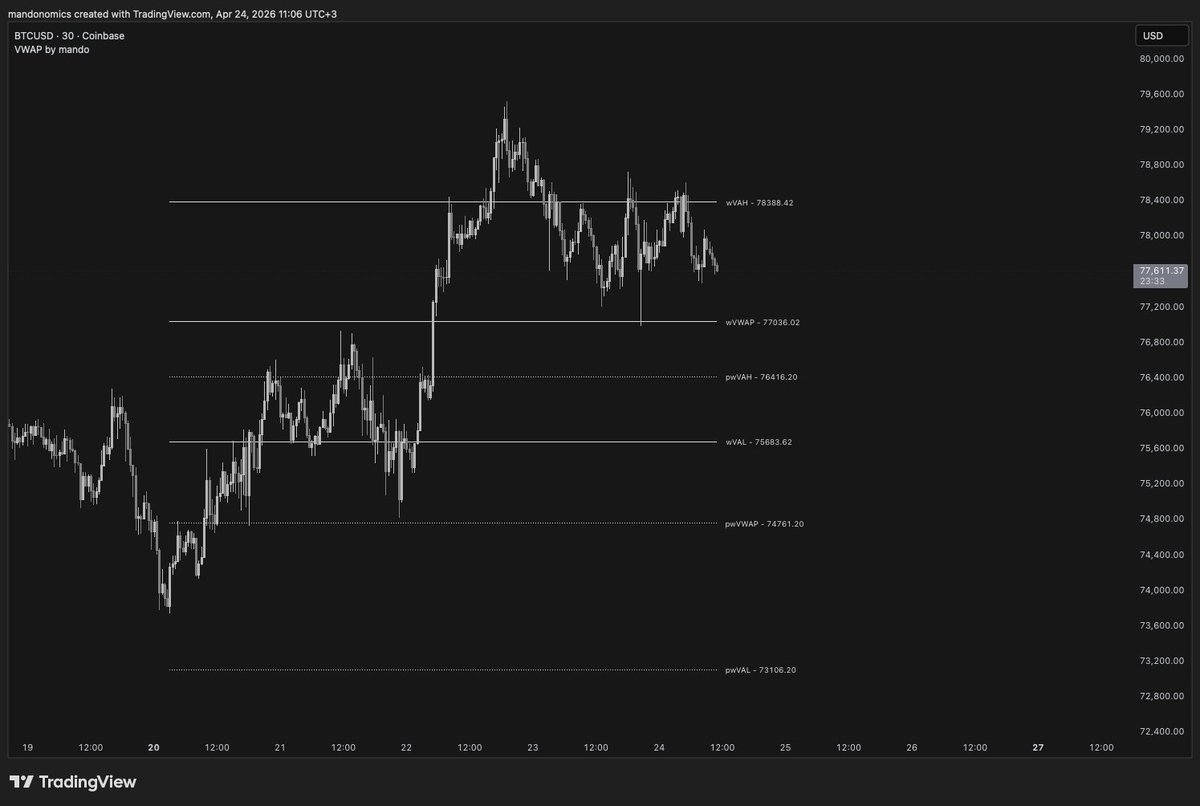
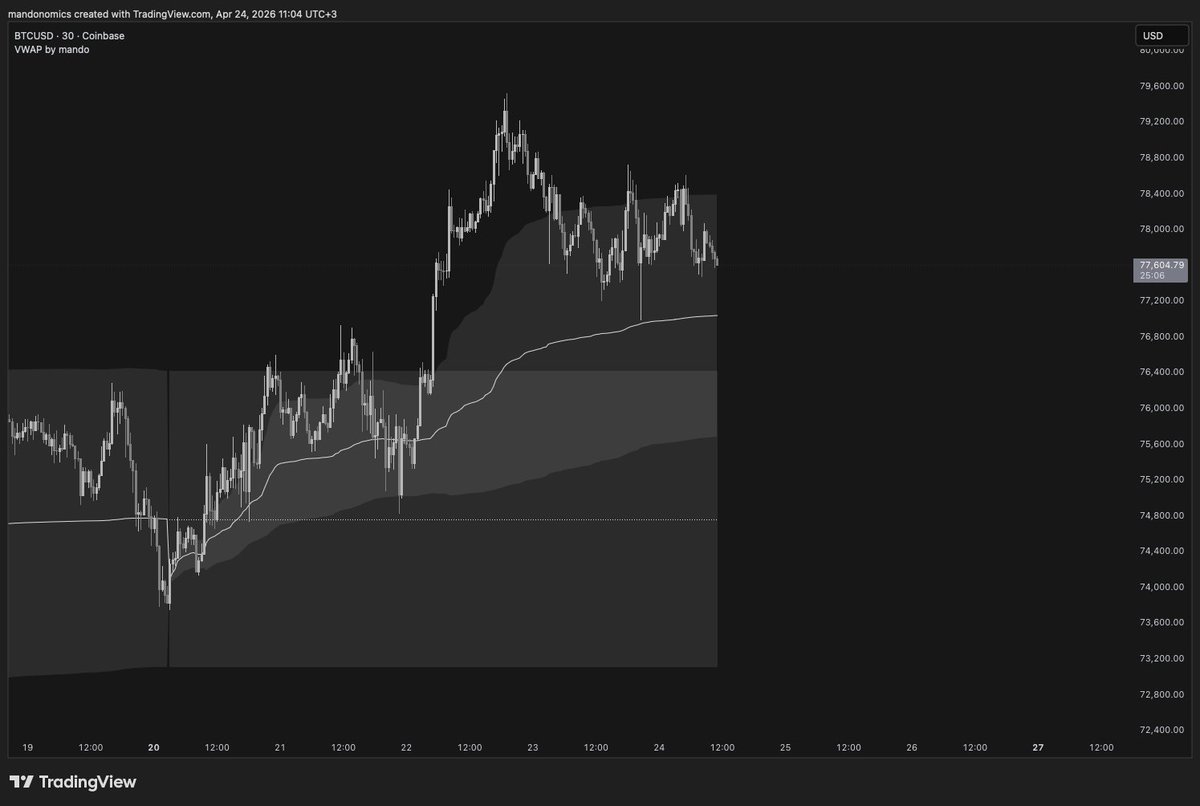
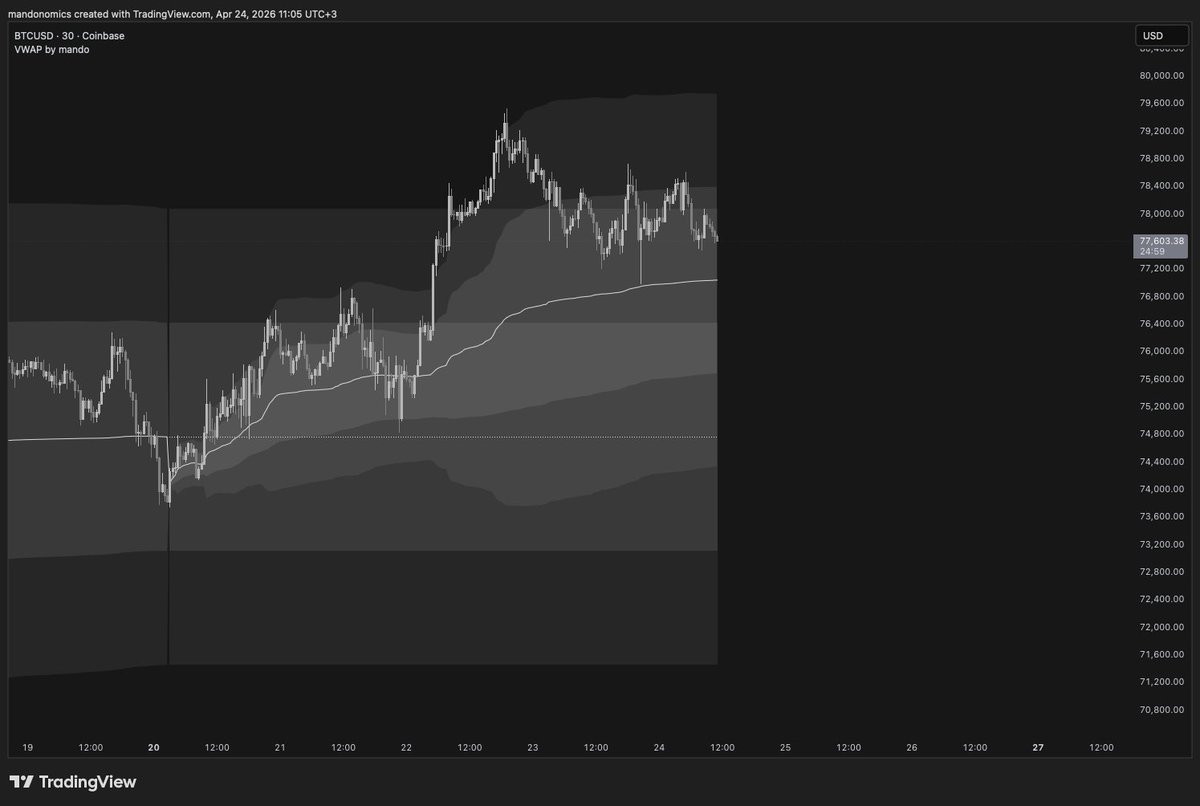
@NoBSDayTrading Do you think macro volatility is important for understanding the context in day trading and scalping? After all, options in the current market regime have a significant impact on the futures market, don't they?
The 1 trading belief you need to delete (and what to believe instead):
Many times on FinTwit I have heard variations of the following belief:
"Trading is hard."
This belief doesn't serve you in any way. The idea of hard/difficult is subjective to the individual and it doesn't improve your performance so it doesn't really hold any value (so there's no point in keeping it).
I remember a post about a couple years ago where one trader was saying that trading is harder than being a doctor and that trading is as difficult as being in the NBA.
That is absolute insanity!
Being a doctor is WAY harder than trading and don't even get me started on the NBA. Getting into the NBA is several orders of magnitude harder than being a trader. It's not even close.
This trader has an extremely negative mindset and beliefs that are holding them back (no doubt about it). Hopefully they see this post so that they can realize the error in their ways and fix it (if they haven't already fixed the issue).
Why on earth would you want to make yourself suffer more than is necessary?
This belief that trading is hard is basically born out of this hustle culture mentality where people think that everything should be viewed as this huge struggle. This hustle culture strategy is basically an overcompensation for the flaws of the Law of Attraction strategy which focuses more on thinking positive and visualizing and ignores the need for taking action. Basically both sides went too far in one direction.
Why choose to only have a vision or to only take action when you can have both? Have faith and belief while also taking action. However, don’t take action from a forceful state where you feel miserable and force yourself to work all day. Relaxation is important. Take action in a relaxed manner and enjoy the process.
”Vision without action is a dream. Action without vision is a nightmare” — Japanese proverb
A better belief than believing that trading is hard is "Trading is easy.". It's not a better belief because it's true. It's a better belief because it serves you and makes trading easier.
The belief that “trading is easy” will train your brain’s Reticular Activating System (RAS) to filter incoming information and it will validate that belief. Believing that trading is easy will bring more ease into your trading and you will most likely be triggering your sympathetic nervous system (fight-or-flight response) less often. You want to be in fight-or-flight mode as infrequently as possible while trading as it destroys our ability to make sound trading decisions.
I said a while back that I was going to start posting more mindset related stuff. This is only the tip of the iceberg. There is plenty more to come.
Trading is poker. Game theory in the markets. https://t.co/Ot2uMozn0H via @YouTube
I published a new YT video this morning. I think my followers and subscribers will find it helpful.
Many struggling traders are optimizing for the wrong thing and it's keeping them from being able to create a significant edge.
A lot of these traders are gravitating towards popular price action systems that are extremely simple.
The issue is that most of these popular price action systems are optimizing for simplicity at the detriment of edge. They are forgetting the most important part of the equation. It needs to have edge in order to make money consistently!
Optimizing for simplicity alone doesn't guarantee an edge or positive expected value (EV). Some simple approaches do have edge but most simple approaches don't have edge.
The problem is that when a system becomes extremely simple it starts to put a heavy workload on the traders ability to use discretion while trading. Most traders don’t have enough of this skill to rely on it and the vast majority of traders shouldn’t be relying heavily on discretion. This is a dangerous place to be for traders.
Ultimately we want to make things as simple as possible while still retaining as much of the edge as possible.
If something adds a very small amount of edge but increases complexity and adds stress to the execution process then I will avoid adding it just to keep things more manageable. I like to optimize for profit/edge and simplicity while reducing it’s impact on emotions. I don’t want anything I add to lead to being more emotional while trading.
I personally can use discretion and even I hate the idea of using too much discretion. I remove as much discretion as I possibly can and I make things as mechanical as possible. It makes me much less emotional and I don’t have to second guess myself all the time like I used to do early on when I wasn’t as mechanical. It makes a world of difference.
Don't get me wrong, it's great to have a system that is simple.
In fact, if you have two systems that have the same amount of edge and one is simple and the other is complex then you should always take the simple one that's easier to manage mentally and that’s easier to execute.
One of the main issues I see time and time again with simple trading systems (especially from price action gurus) is that they aren't incorporating context (and HTF analysis) in their analysis and decision making. They're using what I call “Single Layer Analysis”. This means that they're only looking at one or two LTF charts with only the price action. They aren’t using any indicators, order flow, or HTF context to increase the quality of their trades. That's going to lead to way too much discretion for most traders to deal with.
About a year ago I saw a video of a price action trader who was live trading and he was only using a 1 minute chart and nothing else. He kept getting stopped out over and over, and he kept changing his bias.
He was doing exactly what I'm saying. He was relying on just one single layer, and he was becoming way too discretionary, and it was leading to him getting very emotional. He took some really rough losses that could have easily been avoided if he’d use context and broaden his strategy a bit.
The main question on any new thing you add to your system or remove from it is, “does this add edge?”. If the answer is no then you should either remove it or add something that does.
73% win rate, $340k in 11 months
no indicators, just a 6x6 probability matrix
it's called a markov chain - math from 1906
wall street quants used it for decades, retail never heard of it
markets cycle between states: trending, ranging, volatile, choppy
probability of which state comes next is measurable, stable across decades
if market is in "ranging" today:
62% -> trending, 23% -> stays ranging, 15% -> volatile
you stop predicting price direction
you start predicting market structure
one is a coin flip dressed in candlesticks
the other is a math problem with an answer
Bookmark and add this indicator in your tools
RSI: 1978. markov chains: 1906
72 years older and it's eating technical analysis alive