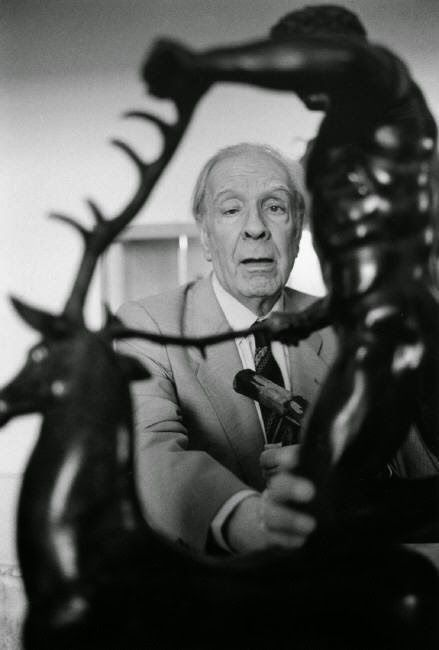
Umberto Eco, qui possédait 50 000 livres, disait ceci à propos des bibliothèques personnelles :
"Il est insensé de penser qu'il faut lire tous les livres qu'on achète, tout comme il est insensé de critiquer ceux qui achètent plus de livres qu'ils ne pourront jamais en lire. Ce serait comme dire qu'il faut utiliser tous les couverts ou les lunettes, les tournevis ou les forets que vous avez achetés avant d'en acheter de nouveaux.
Il y a des choses dans la vie pour lesquelles nous avons besoin de toujours avoir suffisamment de provisions, même si nous n'en utilisons qu'une petite partie.
Si, par exemple, nous considérons les livres comme des médicaments, nous comprenons qu'il est bon d'en avoir plusieurs à la maison plutôt que quelques-uns : quand on veut se sentir mieux, alors on va au « placard à pharmacie » et on choisit un livre. un livre aléatoire, mais le bon livre pour le moment. C'est pourquoi vous devriez toujours avoir un choix nutritionnel !
Ceux qui n'achètent qu'un seul livre, ne lisent que celui-là et s'en débarrassent ensuite. Ils appliquent simplement la mentalité de consommateur aux livres, c'est-à-dire qu'ils les considèrent comme un produit de consommation, un bien. Ceux qui aiment les livres savent qu'un livre est tout sauf une marchandise."
The monumental scale of artistic installations and exhibits at this year’s Venice @la_Biennale - the International Art Festival - with themes that this year include feminism, migration, belonging and not only anti-capitalism but also anti-communism (including the legacy of the Soviet Union). #biennale #biennaledivenezia #bloombergconnects
It’s an artwork that seems to provoke strong reactions. I must say that I absolutely love it and am drawn to it every time I visit Ca’ Pesaro gallery in Venice. It’s Leoncillo Leonardi’s monument to the resistance movement, titled “La Partigiana” (The Woman Partisan, 1953).
As Ca’ Pesaro write, “the primary colours, the forms and voids of the moving figure evoke the pride and dynamism of the struggle for liberation”.
“This female figure is neither a mother nor a victim; she is a young woman fighter advancing alone through the mountains. The image exudes vitality – almost exuberance – and is deliberately not made in the hard-wearing and ‘eternal’ materials of bronze or stone but in fragile majolica, glazed in very vivid colours. Dynamic and spirited, the neo-cubist work bursts with energy rather than merely occupying space.”
Interestingly, the red neckerchief caused quite a stir and caused it to be rejected by the committee who commissioned it. The second version - without the red neck scarf - was then destroyed by neo-fascists when on display in the Giardini in Venice.
Ca’ Pesaro - who subsequently acquired the first version of the sculpture from the artist’s studio after the attack - is known as the gallery of the art rebels and is one of my favourite galleries in #Venice.
Read more about the artwork here:
https://t.co/si6duHJrd9
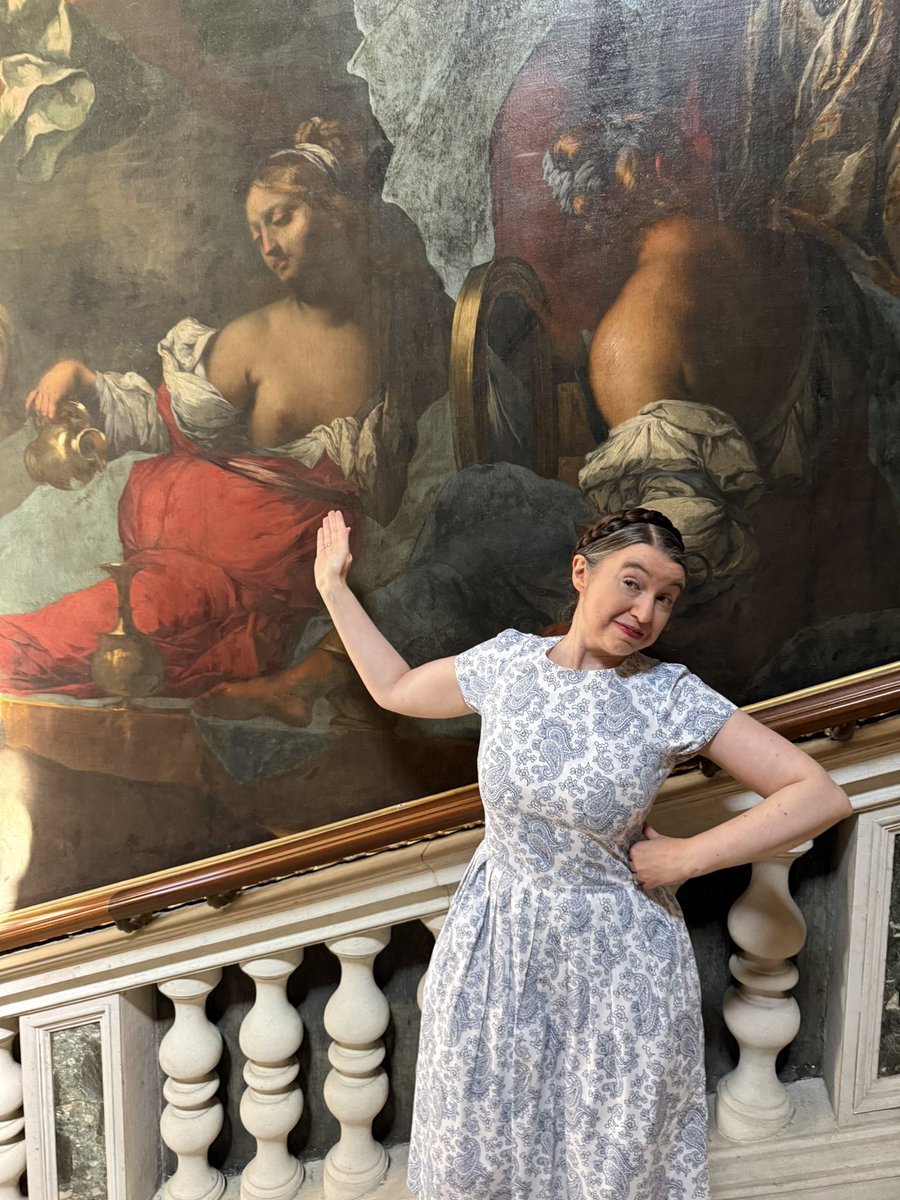
Rocking it with the Roman (or, rather, Greek) ladies at the Correr Museum in St Mark’s Square, #Venice today.
We are, naturally, old friends - Athena and Aphrodite featured in my last two books.
Needless to say that whilst the heavens expect women to choose between their body and their brain (the Gods cannot otherwise cope with the power of the Goddesses), I will always refuse to do so.
#Economica #womenwealthpower #NakedFeminism