Critical care physician in CTICU @DukeMedSchool, interested in coagulation, bleeding, inflammation-also oenophile and foody. Tweets are my own (≠medical advice)
🧠 Migraine is a chronic neurological disorder that affects over 1 billion people globally each year, with women predominantly affected.
A new Seminar discusses typical symptoms, mechanisms, and treatment options: https://t.co/hkFcWfhG6m
Original Article: Vasopressors or Fluids in Early Septic Shock (ARISE FLUIDS trial) https://t.co/VKzt5EMTVN
Editorial: More Than One Way to Save a Life in Septic Shock https://t.co/s5IxH0aC7n
#EmergencyMedicine#CriticalCare
ARISE FLUIDS trial: For patients with early septic shock, the optimal approach to intravenous fluid volume and timing of vasopressor initiation is uncertain. Research findings comparing liberal fluids and earlier vasopressors are summarized in a new Quick Take video. https://t.co/YyQiET1QcM
Original Article: Tricuspid-Valve Intervention in Heart Failure (TRIC-I-HF trial) https://t.co/reRyqsYCVu
Editorial: Transcatheter Tricuspid-Valve Intervention for Severe Tricuspid Regurgitation https://t.co/yUdFaYqQJt
#Cardiology#ESCCongress
Prognostic implications of complications during veno-arterial #ECLS for cardiogenic shock
🔍 ELSO Registry analysis including > 22.5K adults
🪦 54% patients died during hospitalization; 74% non-survivors vs 54% survivors experienced complications
🧠 neuro complications increased mortality by 3.6
Complications on VA #ECMO have a significant and cumulative effect on on survival. Absolute 30-day risk of mortality greater if a complication occurred, increasing from 48.6% (0 complications) to 93.1% with neurologic complication. Neurologic and pulmonary complications associated with greatest risk
🖇️ https://t.co/IBZOxvxwyy
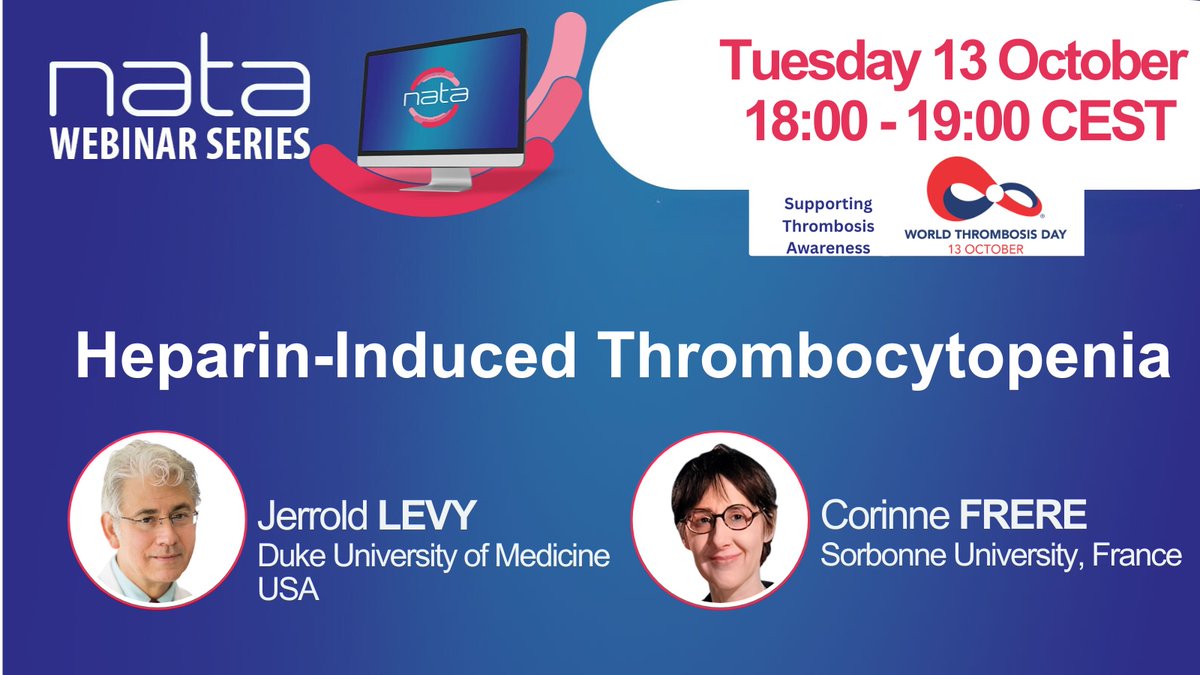
#NATA webinar | #WorldThrombosisDay
13 October - 18:00 CEST
Heparin-induced thrombocytopenia (HIT)
@JerroldLevy: Anticoagulation in suspected HIT in the ICU
Corinne Frère: HIT and cardiac surgery with cardiopulmonary bypass
🔗 https://t.co/iKaYQWCpld
#HIT#Thrombosis#WTD2026
🫀 From #EHJ to #EHJCVP about the
new editor-in-chief @BiancaRoccaTwt
A profile by #judithozkan in the #EHJ introduces our Editor-in-Chief, Bianca Rocca, Professor of Pharmacology at LUM University. Trained in haematology in Rome and in translational pharmacology at the University of Pennsylvania and the Wistar Institute, she names Carlo Patrono, Garret A. FitzGerald and Valerio De Stefano as her three formative mentors, and antithrombotic drugs, haemostasis, precision cardiovascular pharmacology, clinical research methodology and ethics in science as her core interests.
She joined the #EHJCVP editorial board shortly after the journal launched in 2014, has been involved with the ESC Working Group on Cardiovascular Pharmacotherapy since 2008, where she is now Chairperson Elect, and took up the Editor-in-Chief role in early 2026.
Her stated priorities: building trust through transparency, integrity and methodological rigour; empowering diversity and gender balance among authors, reviewers and editors; promoting method-focused articles; and exploring digital tools, with open access widening who can read the journal.
Read the profile: https://t.co/QZdVXQ3Zaw
#EHJCVP
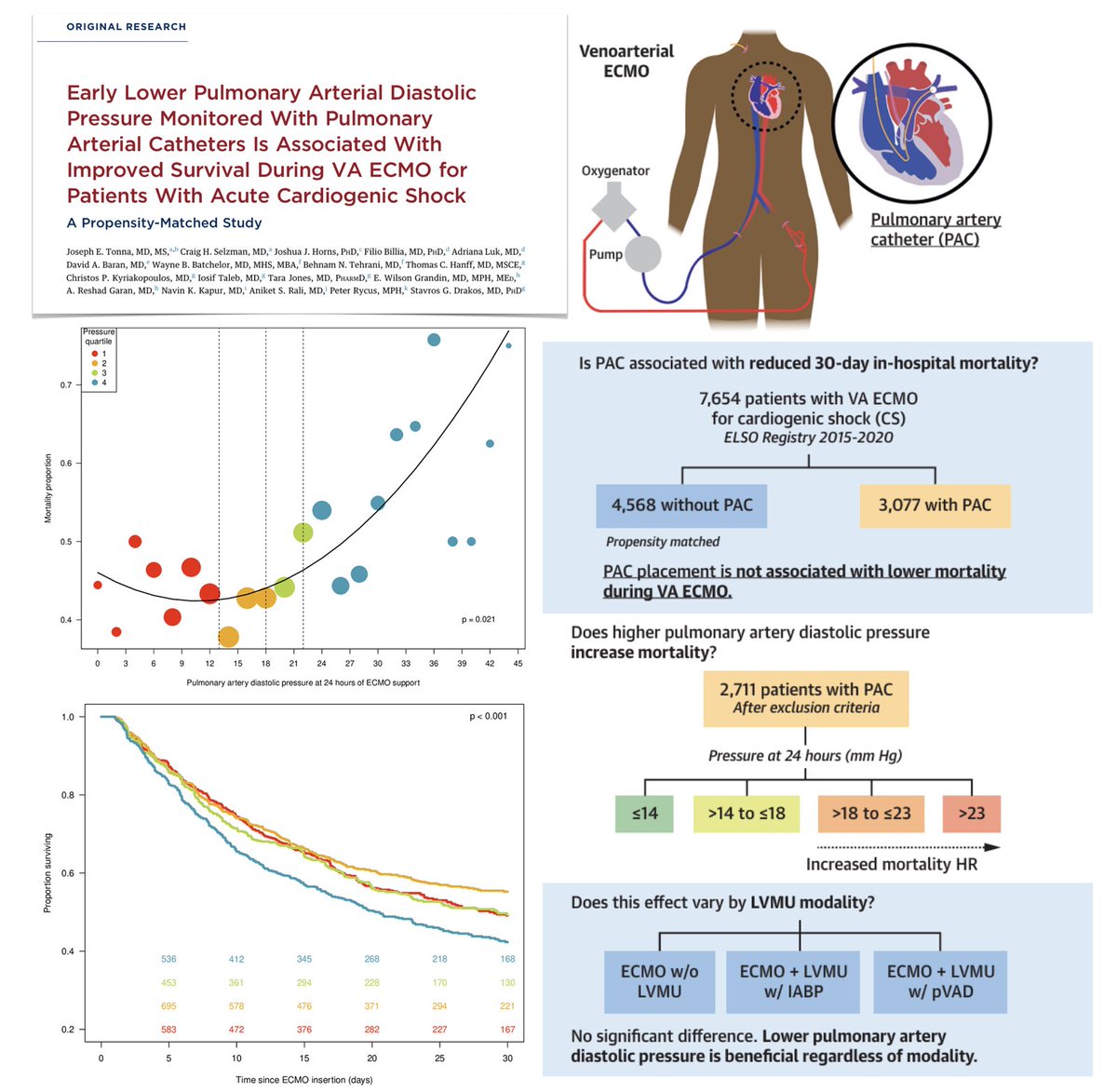
Pulmonary arterial pressure in VA #ECMO for patients with acute cardiogenic shock?
🔍 @ELSOOrg Registry analysis
🖥️ invasive hemodynamic status assessed at 24h
PAC use alone not associated with lower mortality, but helped assess hemodynamic variables associated with lower mortality. Higher PAD at 24h significantly associated with graded increase in mortality, including if concomitant LV mechanical unloading (no significant difference in ealry PAD according to concomitant LVMU modality). Early on-support PAD potentially important hemodynamic marker during VA #ECLS.
🖇️ https://t.co/m5jBqP2WGa
🫀New in #EHJCVP
Statin adherence among patients with hypertension in Swedish primary health care: a QregPV cohort study using explainable machine learning
📖Johan Sandslätt, Tobias Andersson and colleagues examined 2-year statin adherence in 30 497 patients with hypertension who started a statin in Swedish primary care between 2012 and 2015. Mean proportion of days covered was 73.2%, and only 60.2% reached adequate adherence (PDC above 80%).
Adherence differed by indication: 54.0% in primary prevention, 61.3% in diabetes without cardiovascular disease and 65.5% in secondary prevention.
®️Using XGBoost with SHAP values, followed by multilevel regression, the five most important baseline characteristics were dispensed antithrombotic therapy (OR 1.38, 95% CI 1.26 to 1.50), the primary health care centre itself (MOR 1.16, 95% CI 1.12 to 1.20), age per 10-year increase (OR 1.14, 95% CI 1.12 to 1.17), initiation with atorvastatin rather than simvastatin (OR 1.33, 95% Cl 1.24 to 1.44) and birth outside Sweden (OR 0.73 to 0.78). Anxiety was also linked to lower adherence (OR 0.80, 95% CI 0.76 to 0.85).
As a retrospective register-based cohort, the study measures dispensing rather than intake and the associations are not causal. Its novelty lies in applying explainable machine learning to a full regional primary care population, and in showing that the health care centre itself contributes to adherence variation that points to targets for intervention at both patient and provider level, particularly in primary prevention where adherence was lowest.
🔗 https://t.co/2Vb1ransSq
@BiancaRoccaTwt@Massimi78530343@doreen_sy@OtiliaTica1@escardio@ESC_Journals
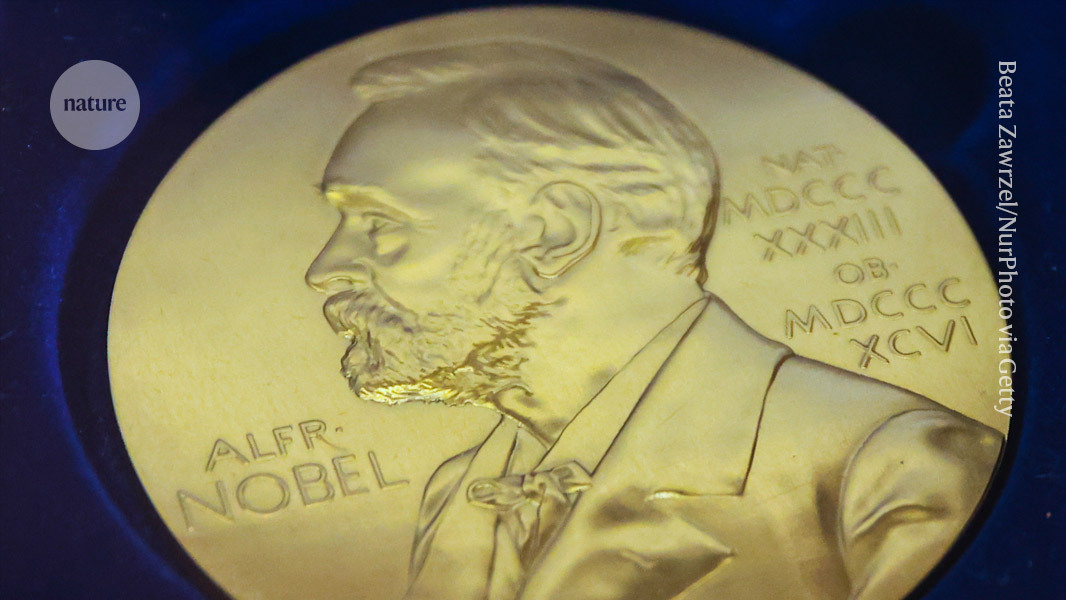
BREAKING: The Nobel Prize in Physiology or Medicine has been awarded to Karl Deisseroth, Peter Hegemann and Georg Nagel “for their discoveries concerning light-gated ion channels and optogenetics.”
More to follow.
🛜 #NATA webinar | 13 October 18:00–19:00 CEST
On #WorldThrombosisDay, NATA is raising awareness of thrombosis with an expert webinar on #HIT
Join @JerroldLevy and @CorinneFrereMD for a practical update on recognising, diagnosing & managing HIT
🔗 https://t.co/iKaYQWCpld
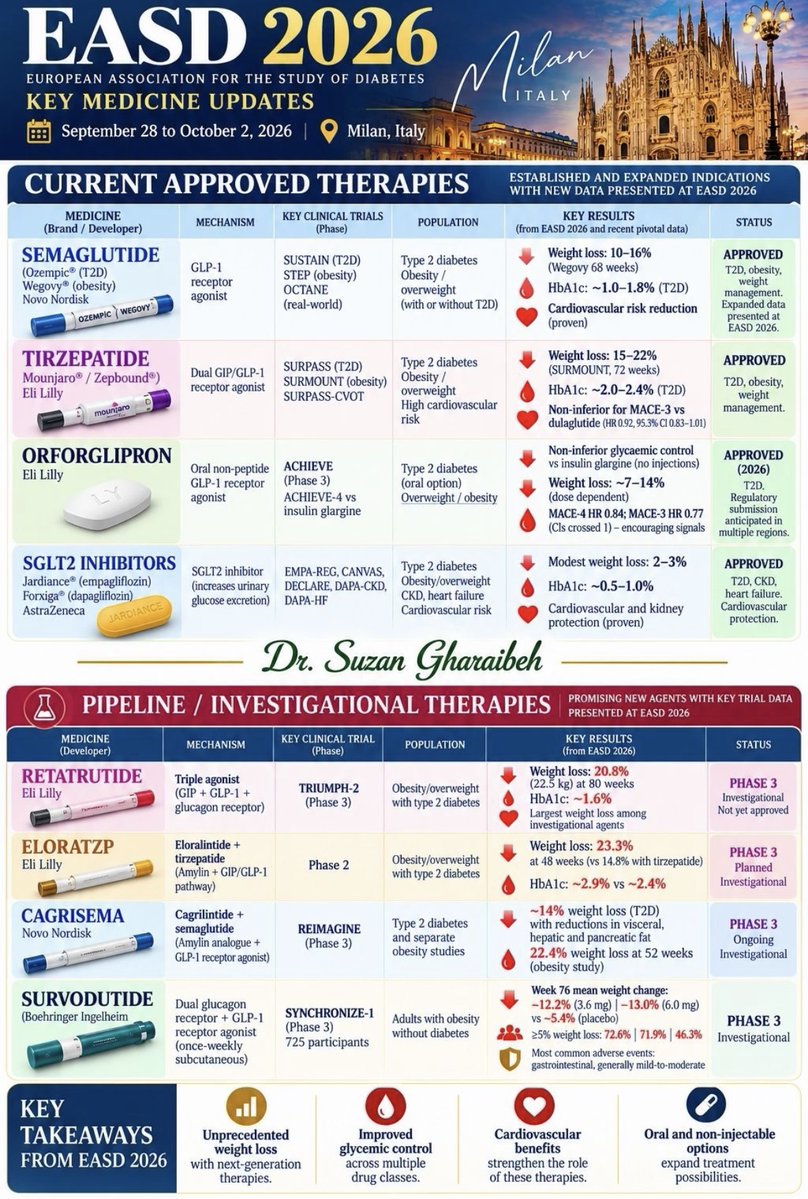
Nice summary of some of the results from the European Association for the Study of Diabetes #EASD last week
It was a very well attended meeting with lots of great science!
📣🫀 New in #EHJCVP
What happens to anticoagulation strategy for cancer-associated thrombosis after
discontinuation of blinded study treatment and prior to unblinding in a clinical trial?
This interesting analysis by Isabelle Mahè, Celine Chapelle and collegues, from the API-CAT trial provides a snapshot of the dilemma on anticoagulation decisions in daily practice. After study-treatment discontinuation, among 1,458 trial participants, anticoagulation was stopped in 13.6% and continued in 86.4%, largely with DOACs.
Yet dosing choices were highly variable: 62.7% received full-dose anticoagulation and 36.9% a reduced dose.
‼️Importantly, treatment decisions were only weakly related to patient or cancer characteristics, but varied according to timing of discontinuation, physician specialty and country.
The study therefore captures a true "therapeutic grey zone" in extended anticoagulation for cancer-associated VTE-just before the API-CAT results provided evidence supporting reduced-dose apixaban.
At the same time, it raises important unanswered questions:
Which patients can safely discontinue anticoagulation after the initial treatment period?
What drives the substantial differences across countries and specialities?
How much of this variability reflects local practice patterns rather than patient risk?
A glimpse into how clinicians navigate uncertainty when evidence is still evolving
🔗 https://t.co/mNB5wJRy23
@BiancaRoccaTwt@Massimi78530343@doreen_sy@OtiliaTica1
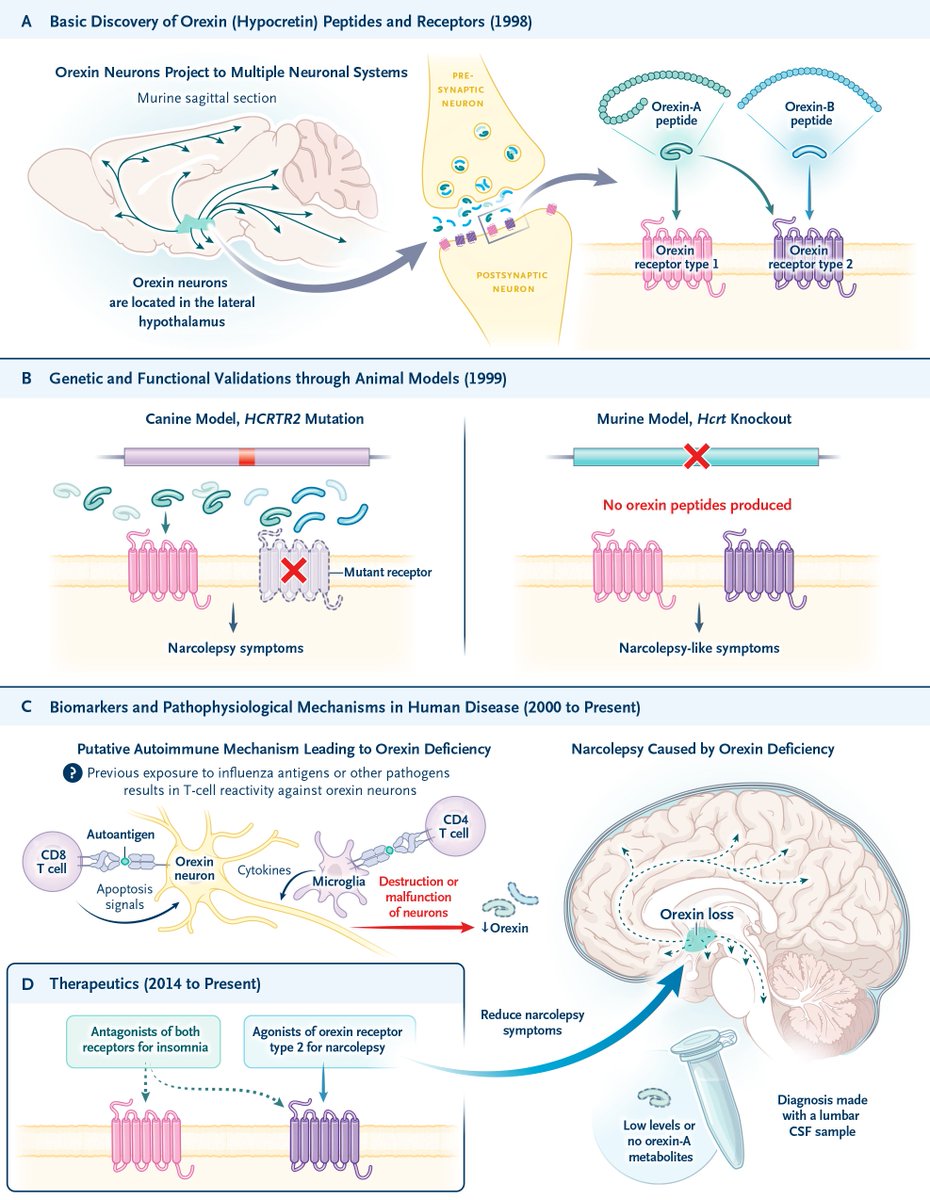
Clinical Implications of Basic Research: The Legacy of Orexin (Hypocretin) Research in Narcolepsy and Beyond https://t.co/0xRDHDS7Qw
#Neurology#SleepMedicine
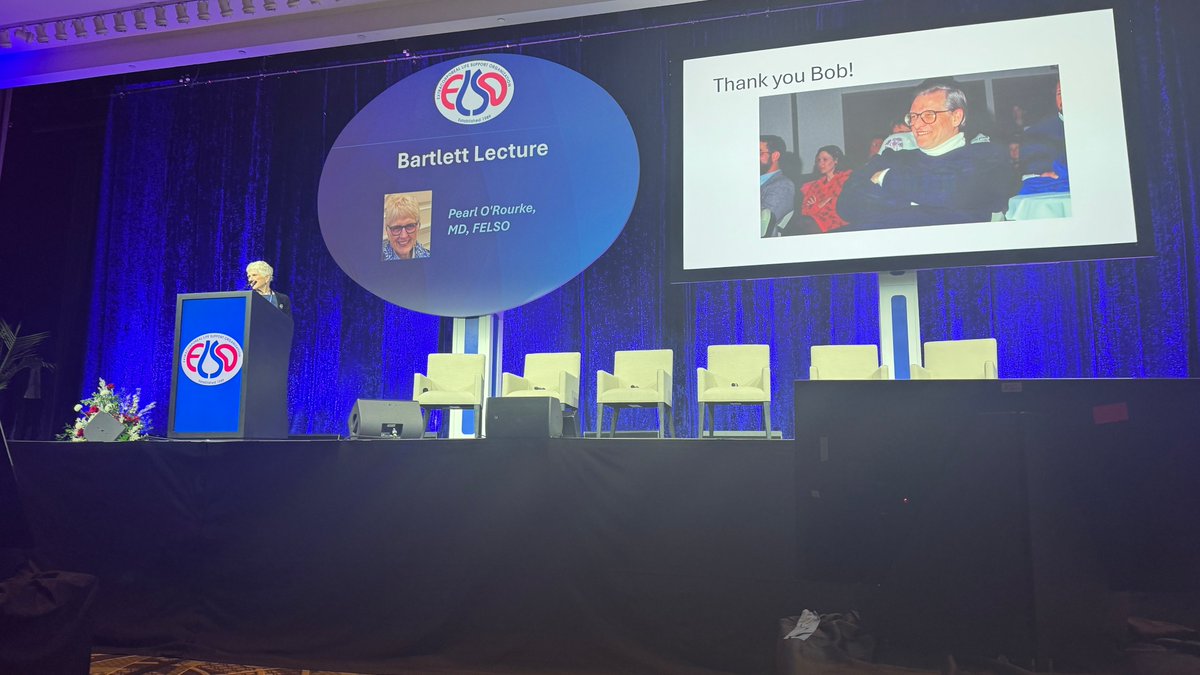
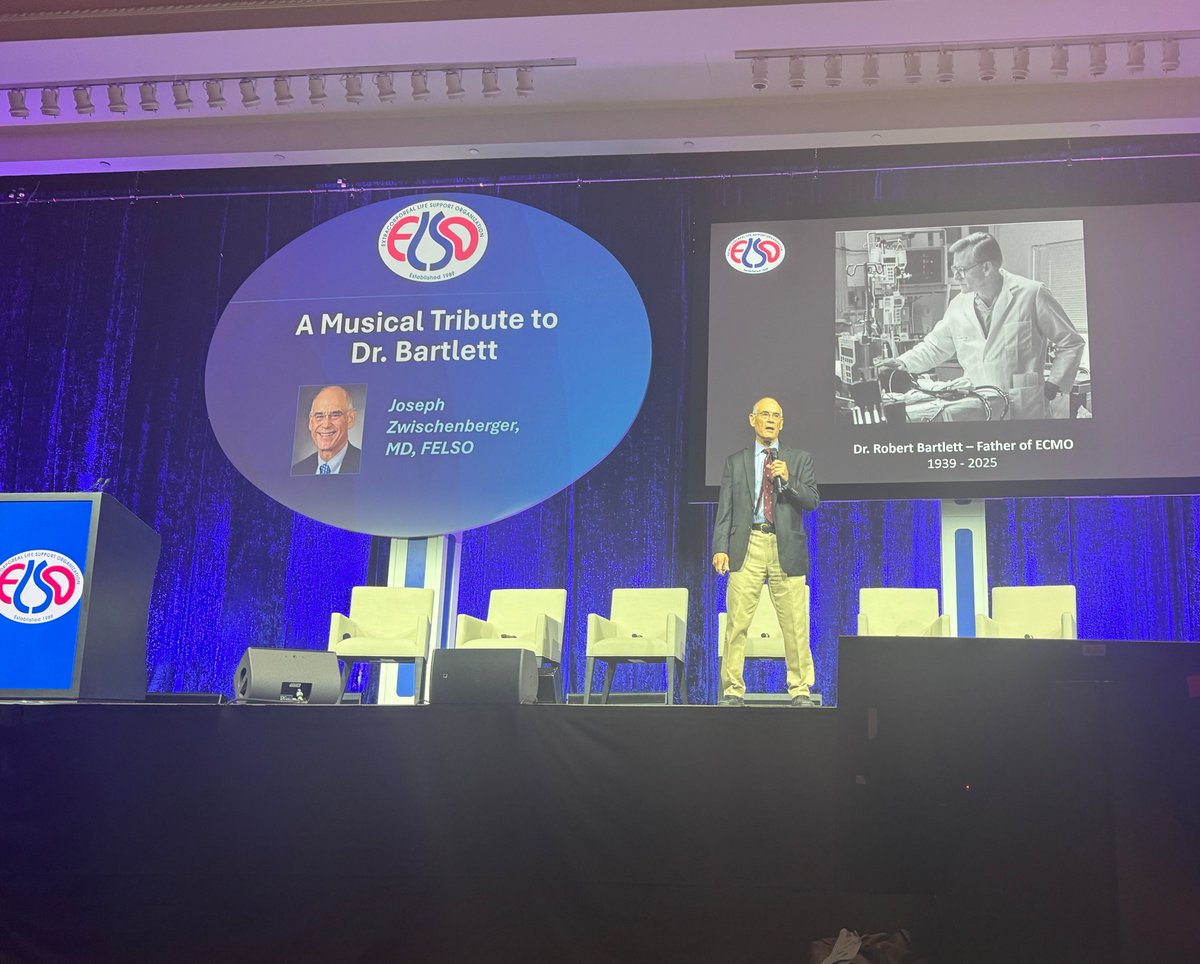
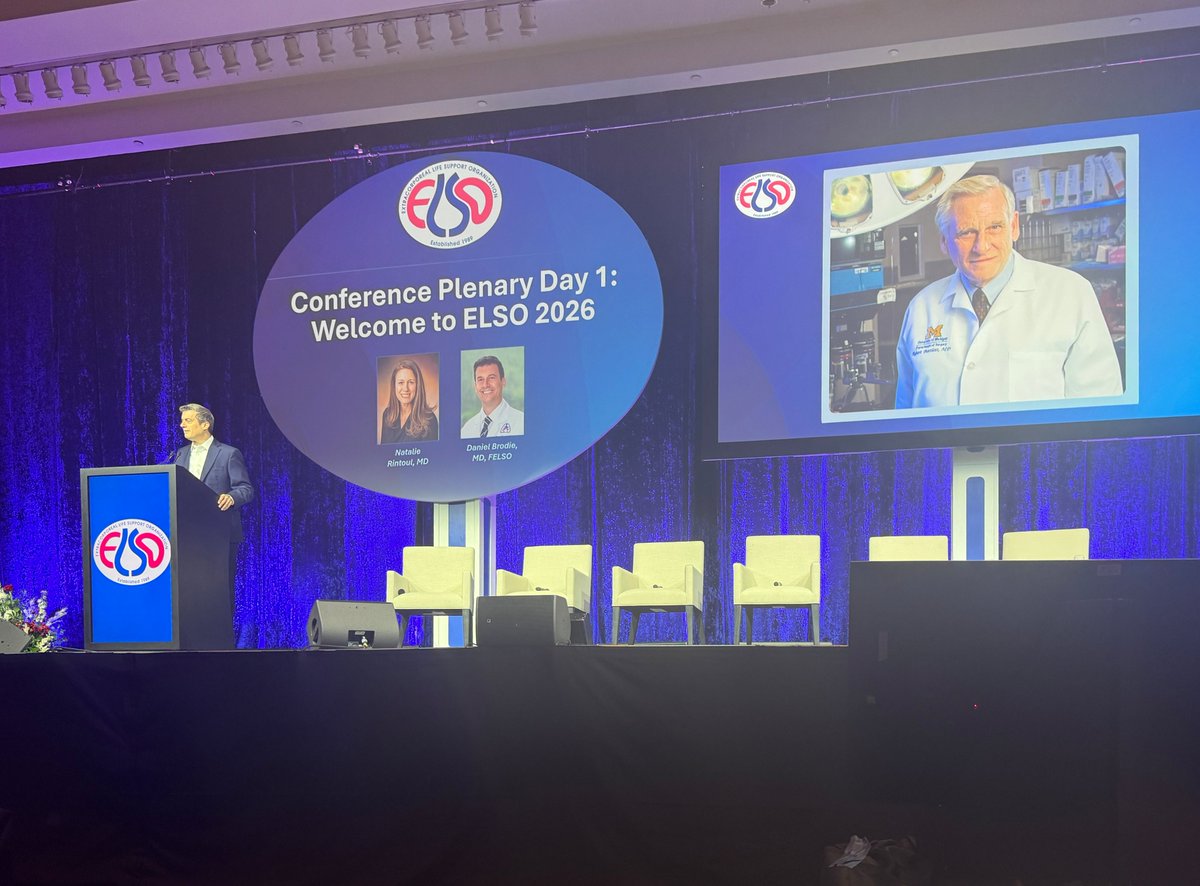
Celebrating Dr Robert Bartlett, father of #ECMO at #ELSO2026
🎶 musical tribute by J Zwischenberger
💡 Bartlett Lecture by P O'Rourke: be curious, tenacious & collaborative as Dr B has been!
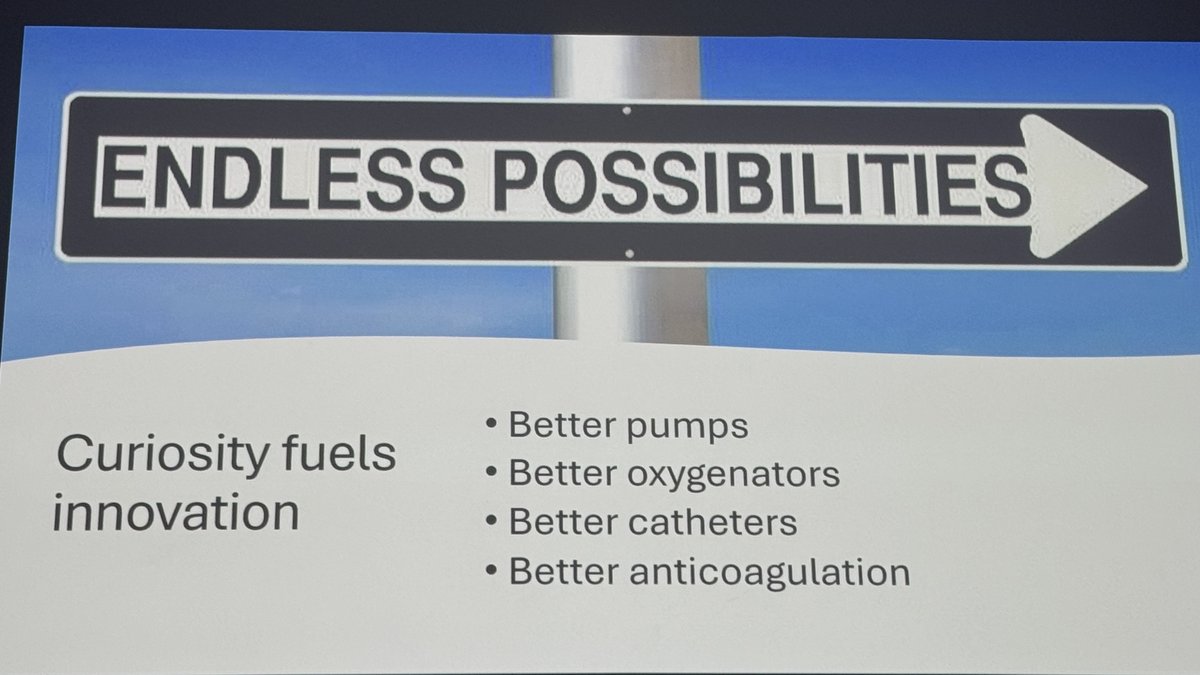
💡 lecture on spirit of innovation/legacy that he left us by N Barrett
Thank you Bob! 🙏🏻
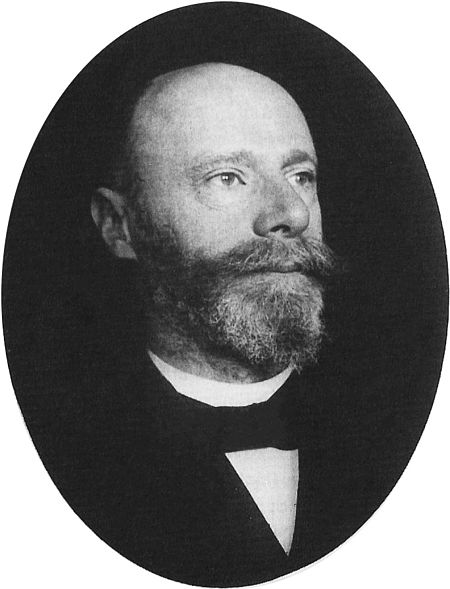
1927 Sept 29: Dutch physician & Inventor of the first practical ECG/EKG Willem Einthoven died https://t.co/ci4H56eplJ Won a Nobel Prize in 1924. Born 21 May 1860 #histmed#medicalhistory