Umberto Eco, who owned 50,000 books, had this to say about home libraries:
“It is foolish to think that you have to read all the books you buy, as it is foolish to criticize those who buy more books than they will ever be able to read. It would be like saying that you should use all the cutlery or glasses or screwdrivers or drill bits you bought before buying new ones.
“There are things in life that we need to always have plenty of supplies, even if we will only use a small portion.
“If, for example, we consider books as medicine, we understand that it is good to have many at home rather than a few: when you want to feel better, then you go to the ‘medicine closet’ and choose a book. Not a random one, but the right book for that moment. That’s why you should always have a nutrition choice!
“Those who buy only one book, read only that one and then get rid of it. They simply apply the consumer mentality to books, that is, they consider them a consumer product, a good. Those who love books know that a book is anything but a commodity.”
@DanNeidle@TheBluetrot@Telegraph also, as I recall, there was a fairly steep recession in the UK in 1990-1992, which alone could have been the cause of reduction in gains?
@michael_wiebe@AuntyMemeonX Don't think so - seemed to be that the developers marketed them to people who otherwise might not have thought of buying UK property and/or were sold on the idea of new build. At least, that was the "story".
@AuntyMemeonX@michael_wiebe how does this work if the fancy flats are bought up and kept empty as investments? (allegedly happened a lot in London - is that true?)
This is super interesting.
The last one I can read fluently is 1600.
I can then still read it and figure out (almost) every word, with some puzzling, but then lose it almost completely at 1200.
https://t.co/65gZnsVIjS
🚨 Muslims Taking Over the UK?
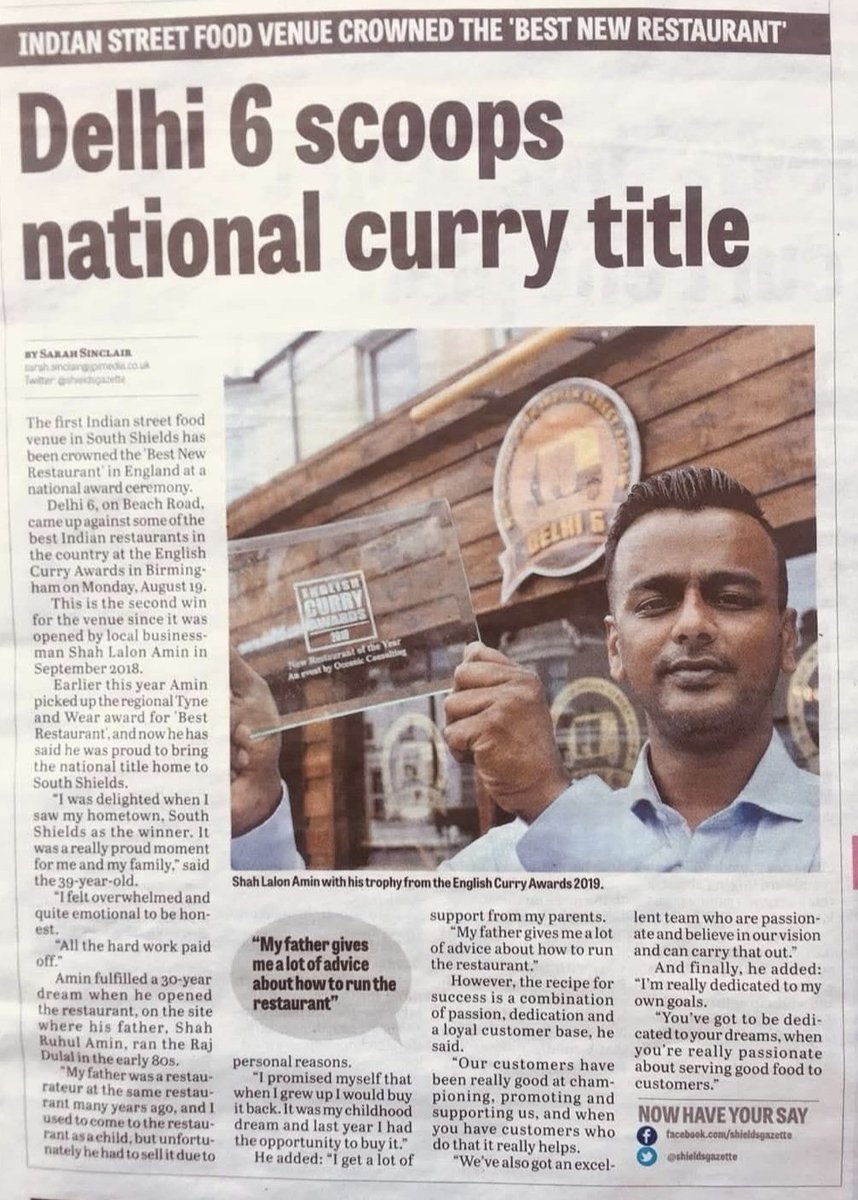
An important message from Shah Lalon Amin, group director of award-winning Delhi 6 street food group, who in 2023 won the Curry King title at the inaugural Nation's Curry Awards.
“I never thought I’d have to write this. But I keep seeing people say Muslims are trying to take over the UK, bring in Sharia law, or push the country toward civil war. And I know some of that fear feels real. So I’m speaking plainly, not to argue, not to attack, just to bring this back to reality.
This is not a Muslim-majority country. It is a parliamentary democracy and a country with Christian heritage. Laws are made by elected representatives. Muslims make up around 6–7% of the population in a country of roughly 70 million people. There is no legal, political, or demographic pathway for replacing British law with any religious law. That isn’t secretly unfolding. It isn’t slowly building. It isn’t a hidden long-term plan.
The average Muslim in Britain does not spend their time plotting political change. There are no secret strategy meetings. No takeover conversations. No coordinated agenda. And no, we don’t have some secret WhatsApp group discussing who’s arriving by boat next week. The only WhatsApp groups we have are about exam results, family gossip, and who’s bringing dessert for Ramadan.
When Muslims get together, the conversations are painfully ordinary. Football results. Who’s top of the league. Ronaldo vs Messi debates. The cost of living. Mortgage rates. Trump being unpredictable. Children’s school reports. Business worries. Holiday plans. During Ramadan, it’s fasting and food. That’s the reality. That’s because we are British, our daily lives look very similar to the average person in this country.
What people call “Sharia courts” in the UK are religious councils that mostly deal with marriage and divorce paperwork or mediation. They cannot override British courts. They cannot enforce criminal punishments. They cannot replace Parliament. If anything conflicts with UK law, UK law wins every single time. It’s no different in principle from Jewish Beth Din courts that handle religious matters within British law. Religious arbitration exists under the legal system. It does not replace it.
Yes, many asylum arrivals are young men. Dangerous journeys are often made by the strongest family member first so they can seek safety and claim asylum and if approved, reunite with their families legally. This pattern has been seen throughout migration history.
Wanting secure borders is reasonable. Wanting efficient processing is reasonable. Criminal behaviour should be punished. But that’s immigration policy, not proof of a coordinated religious invasion.
Sometimes I hear people say, “We want our country back,” or “We just want to protect our country.” I understand that feeling. Wanting safety, stability, and a sense of identity isn’t wrong. But Britain hasn’t been taken. It hasn’t been stolen. It’s still here. Its laws, institutions, culture, and democracy are intact. Protecting a country doesn’t mean hating your neighbours, it means upholding fairness, rule of law, and shared values.
There is no secret Muslim lobby running Westminster. British Muslims are not politically unified, do not vote as one bloc, and do not answer to a central authority. Most British Muslims are doing what everyone else is doing: working, paying taxes, raising children, worrying about bills, hoping their kids succeed, wanting safe streets and a stable country. We don’t want to change Britain into something else. We are part of Britain.
You can want law and order. You can want borders controlled. You can want your country protected. That’s fair.
But if anti-Muslim panic exists on your screen and nowhere in your real life, that’s not society—that’s an algorithm selling you fear.” 🇬🇧