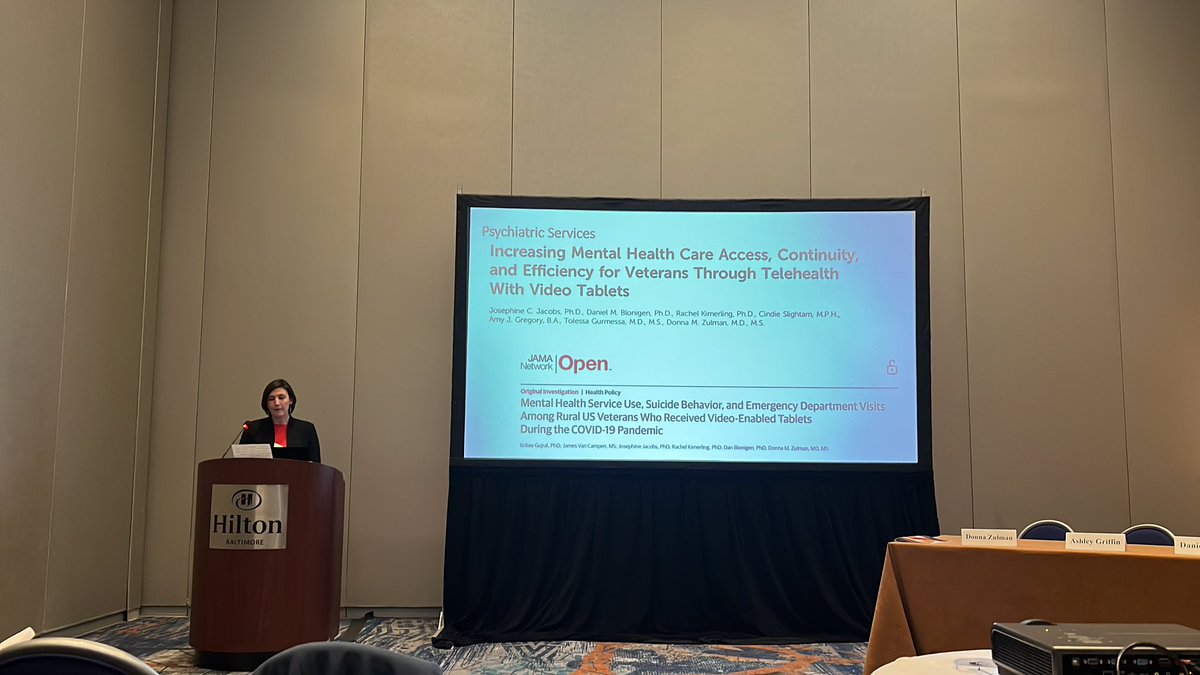
Analysis of outpatient data from @vahsrd @va_vccore found that #telemedicine rates remain high following #COVID19, with more than half of mental health care visits being conducted remotely via video and phone: https://t.co/q1cToC8619
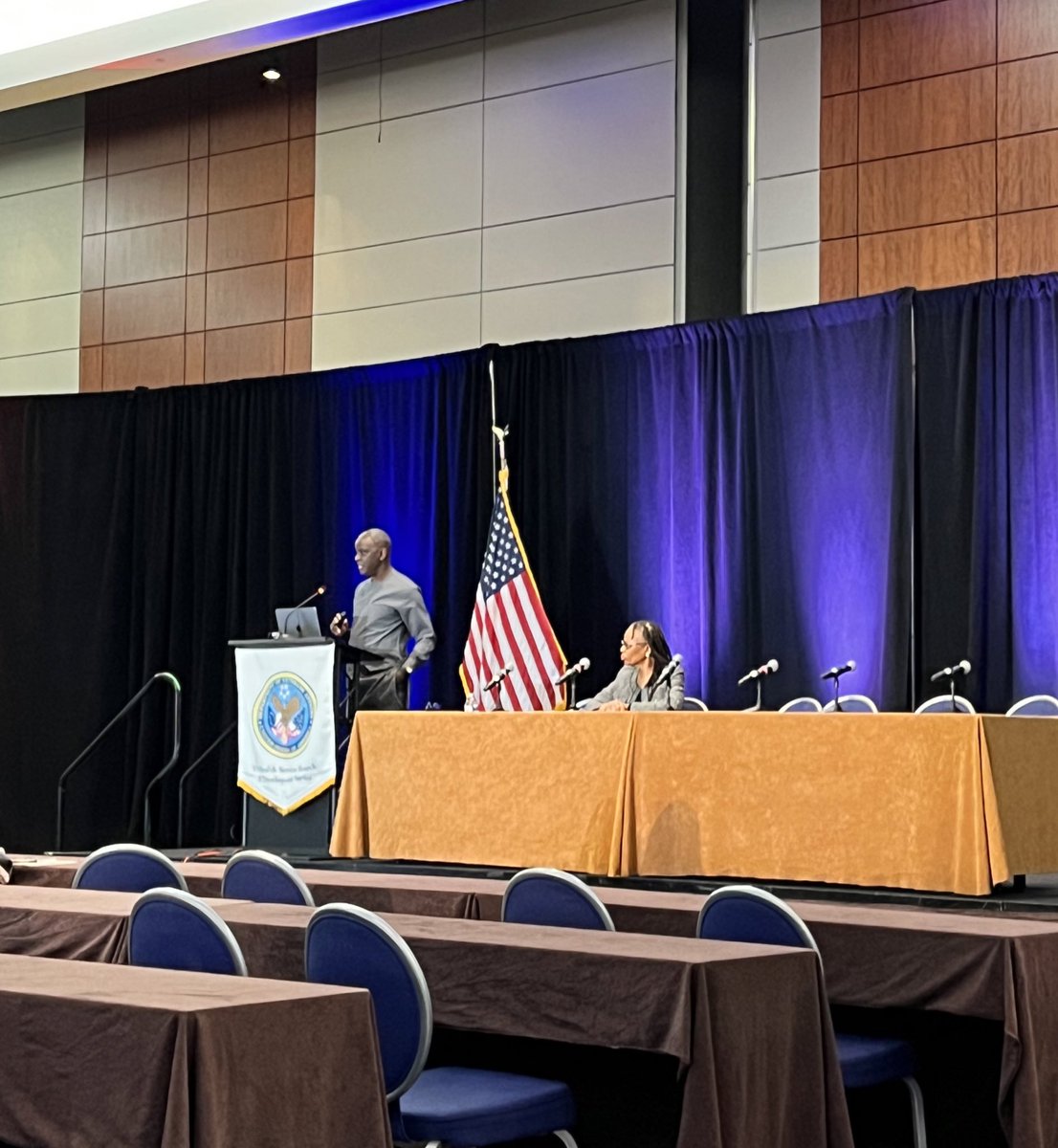
The team that hikes together and @vahsrd conferences together, stays together! All-star mentor @DonnaZulman promoting teammate achievements both academic and physical 😄 @va_vccore @Ci2iFellowship
@Fruit_noops I am both jazzed and fearful of proofing articles. Because I find hilarious journal inserted typos like a two part model (package twopm) becomes package 2pm. But then also what if I spelt shift work as shit work and it becomes a matter of record!?
@Stata Oh I know this one! It’s a reference to a study of Prussian soldiers kicked to death by horses. von Bortkiewicz, Et Al 1898. It’s a good example of a Poisson distribution. There’s an Easter egg reference to it in the poisson documentation and in some of the other Stata Books
@BethWiden @CaraFrankenfeld That event count will now tag the first , second and so on observations that you define. Don’t use egen for that second command. It will make a total sum not a running sum!
@BethWiden @CaraFrankenfeld I think that code above will only work for the first observation sorted on ID and time. What I’ve done to find the incident event is first flag that event. Gen event=1 if var >y. Then run a sum within person to sequentially count the events. By Id:Gen event_count=sum(event)