I took this quiz a few weeks ago after we mentioned it in class, but I wanted to share it so that I can look back and hopefully make this number go down #ecologicalfootprint#ees028
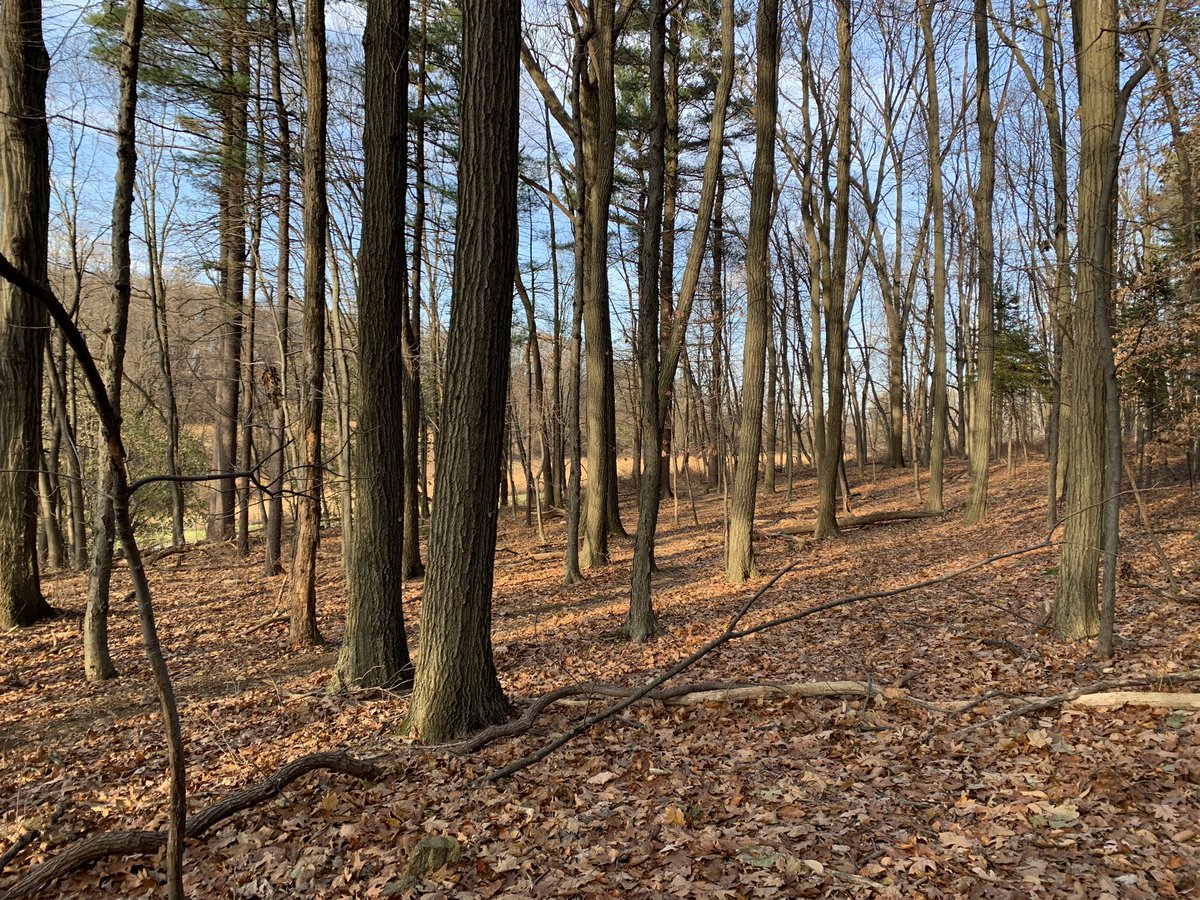
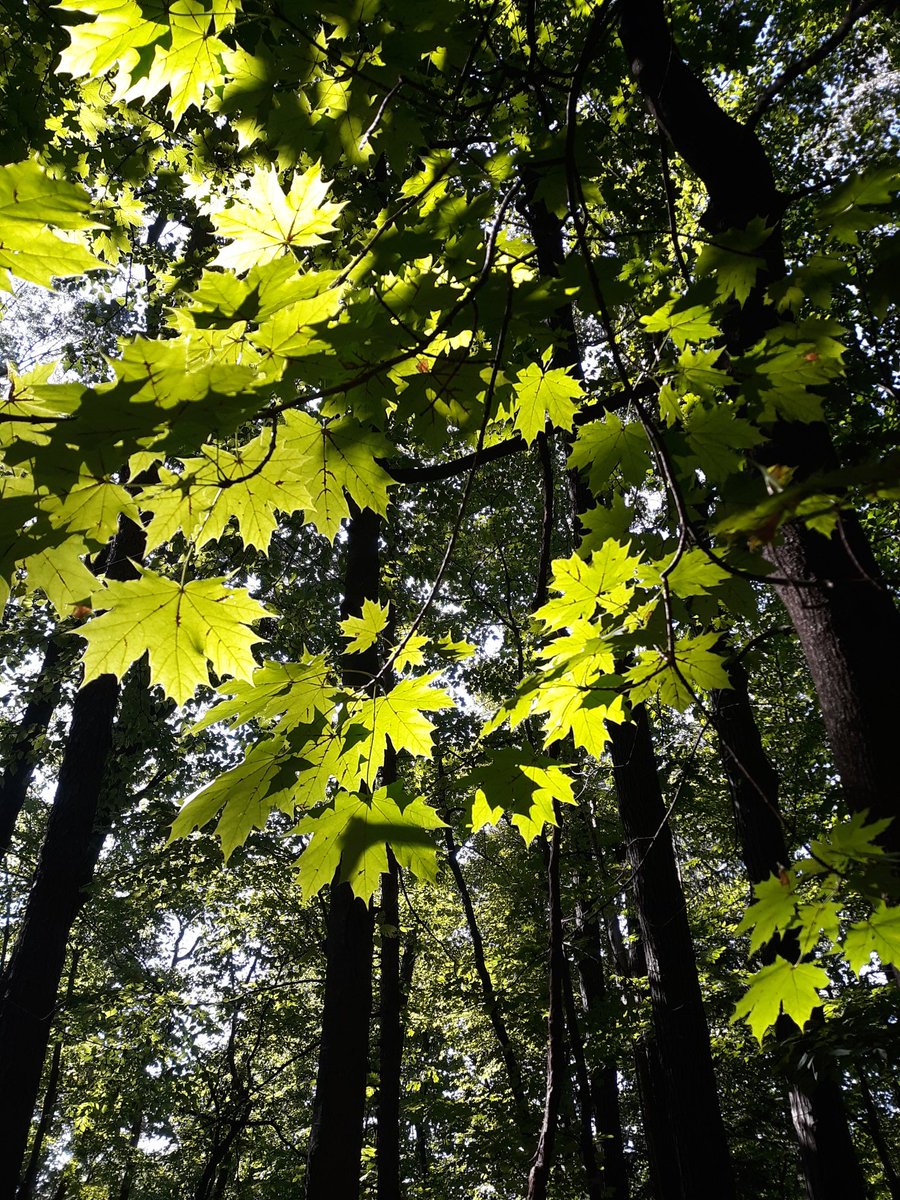
Although our days in the forest are behind us, here are photos from once we first entered in summer and when we left in winter. Quite the difference! #ees152
Found an interesting research article about the commonness of rarity in plant species. It’s pretty interesting, especially in the correlations of climate change/human impact on these species. #ees152 https://t.co/YeOGbyzcTC
Can we tell much about the genetics of a population just by looking at a landscape? New research suggests that we can!
@benjaminblonder explains how remote sensing can be used to measure population genetics in aspen trees
https://t.co/Ut7X3GxxYS
@bgr33r@JRieksta@rstrimbe
Profiling NJ Island Beach State Park. Amazing how species have adapted to the rigorous conditions, and how the variability of species will change in just a few meters #ees152
@lennylaw@LehighEcology@PlantSnap I have not, didn’t know that they existed. going to give those apps a try and see how close it comes to old fashion observation
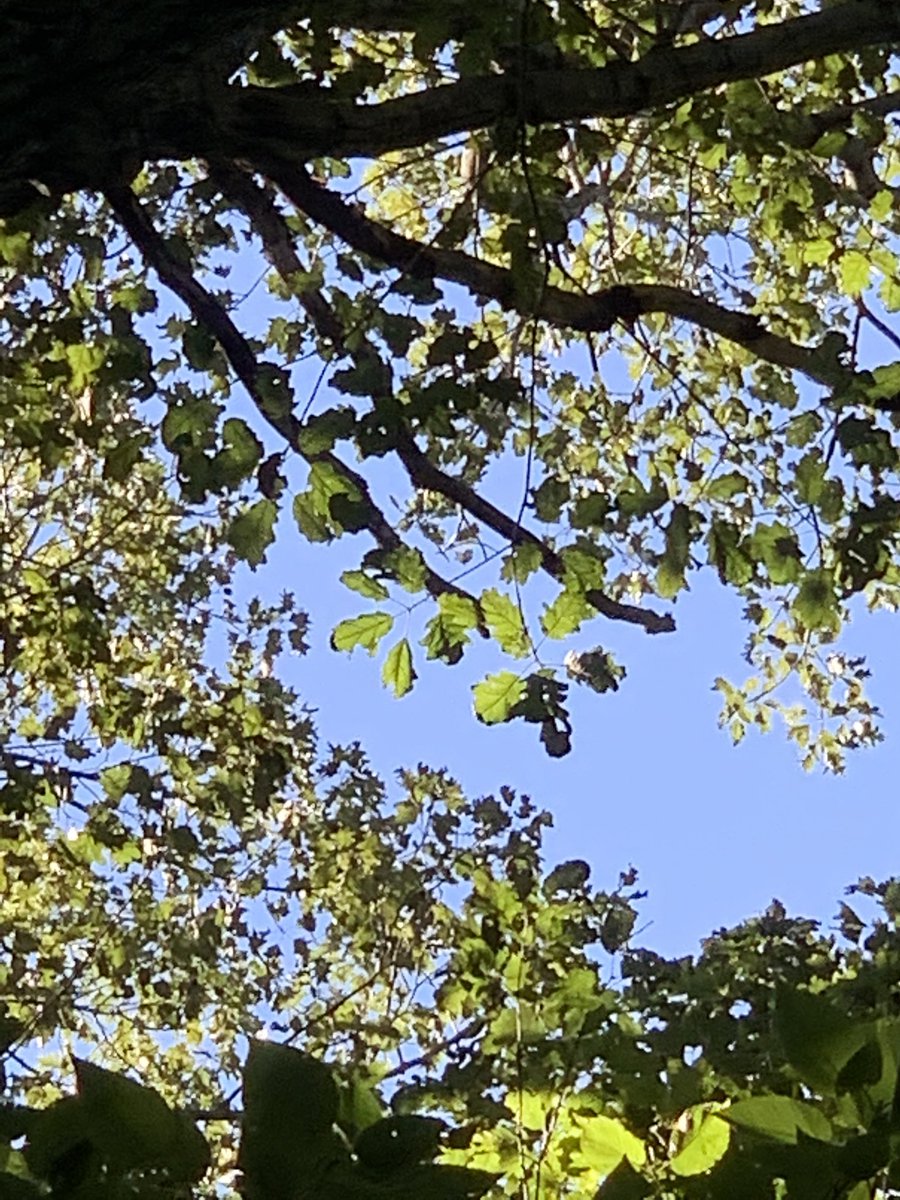
When identifying trees, examining leaves can be a great aid to figure out the species of a tree. We found that some trees are high above the ground and identifying leaves can be tricky. Our smartphones we carry have amazing cameras, and we decided to use them! #ees152
My uncle, the director of the Global Health Institute at Harvard, spoke about #ClimateChange from a health lens today in front of the Ways and Means Committee of Congress. He spoke to how policies can change in our country. #ees028 https://t.co/Dz37eaCeLF
I took this quiz a few weeks ago after we mentioned it in class, but I wanted to share it so that I can look back and hopefully make this number go down #ecologicalfootprint#ees028
The United Kingdom can cut emissions to nearly zero by 2050. I think this is a great example of 'we’ll believe it when we see it' :) #ees028
https://t.co/iMVJHyZxsR
From the National Geographic: Using studies of tree rings going back centuries, scientists have uncovered clear evidence that the rise of human-generated greenhouse gases was having an effect on global drought conditions as early as 1900. #ees028
https://t.co/mOSdFSINiM