Board Certified Family Medicine Physician. Combines technologies/genetics with old-fashion time/compassion to empower individuals to achieve their health goals.
Presented at #SleepEurope2026:
In two phase 3 trials involving participants with OSA and obesity or overweight with or without type 2 diabetes, treatment with retatrutide was found to result in greater decreases in the apnea–hypopnea index than placebo. Full results of the TRIUMPH-1-OSA and TRIUMPH-2-OSA trials: https://t.co/C7KEyEsdbz
@ESRS_Sleep
Two people have died from black market "ret" peptides (retatrutide). Most of these unapproved drugs come from China. https://t.co/w77Pmaijav
@kowsmann@saraashleyo
Vaginal estrogen after breast cancer: is it safe? 🩺
New JCO OP review: low-dose vaginal estrogen keeps serum estradiol in the postmenopausal range. Observational data show no ↑ recurrence or mortality, incl. ER+ & tamoxifen.
https://t.co/4ajjLNe2O5
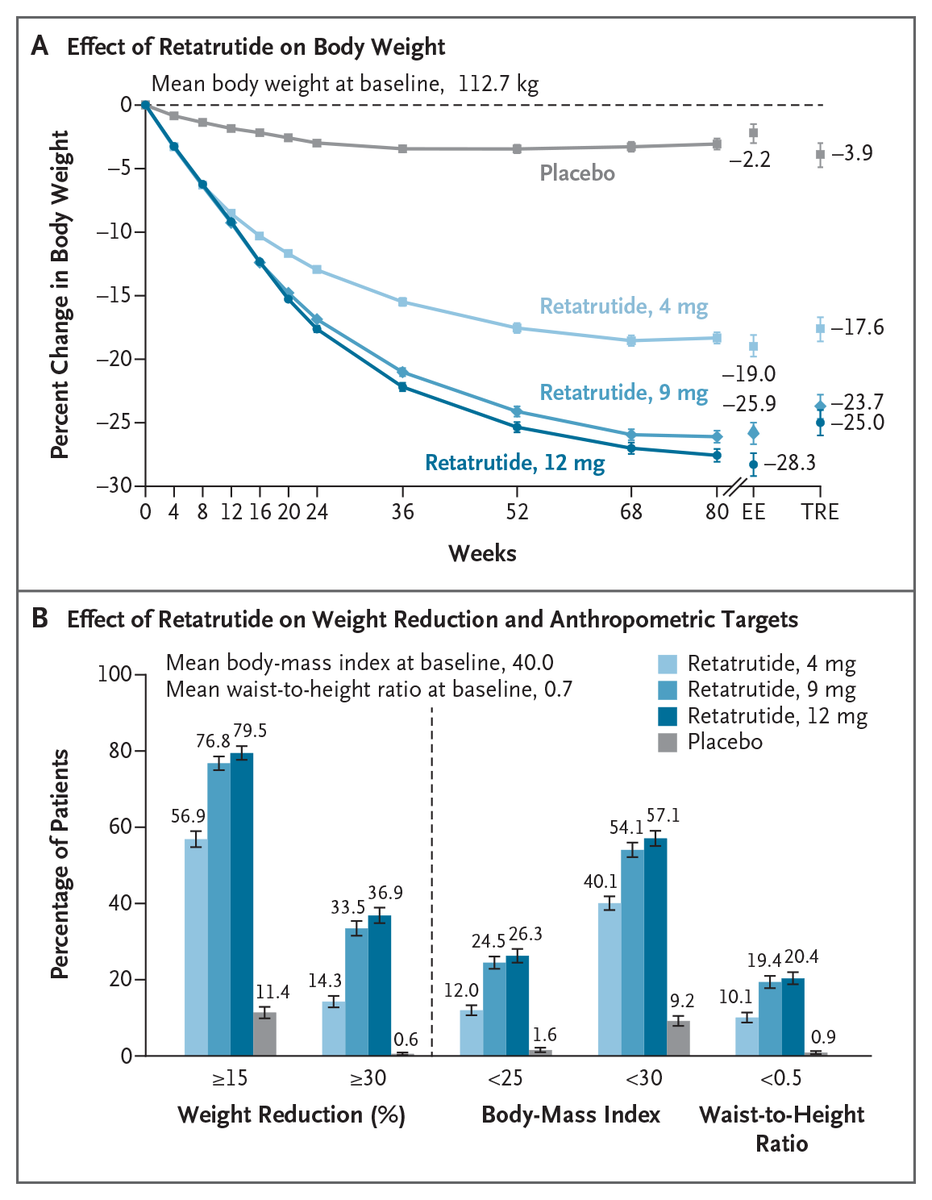
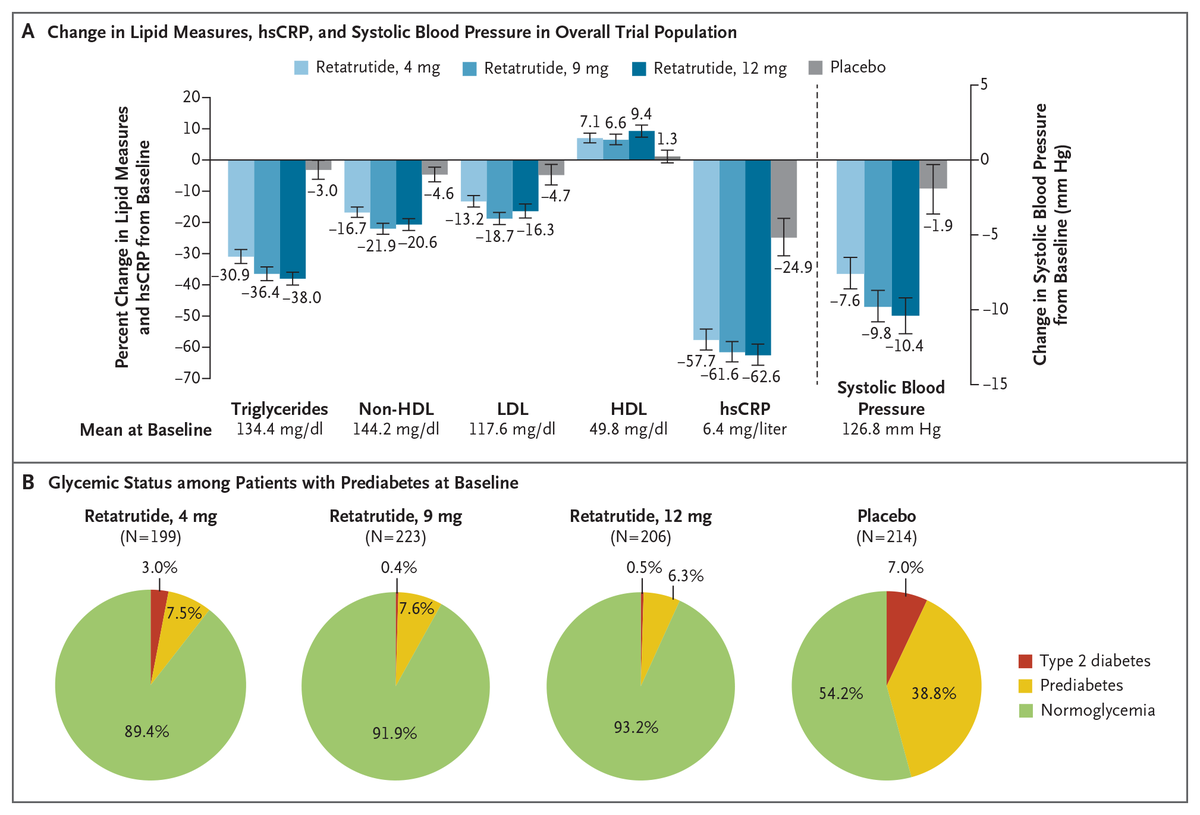
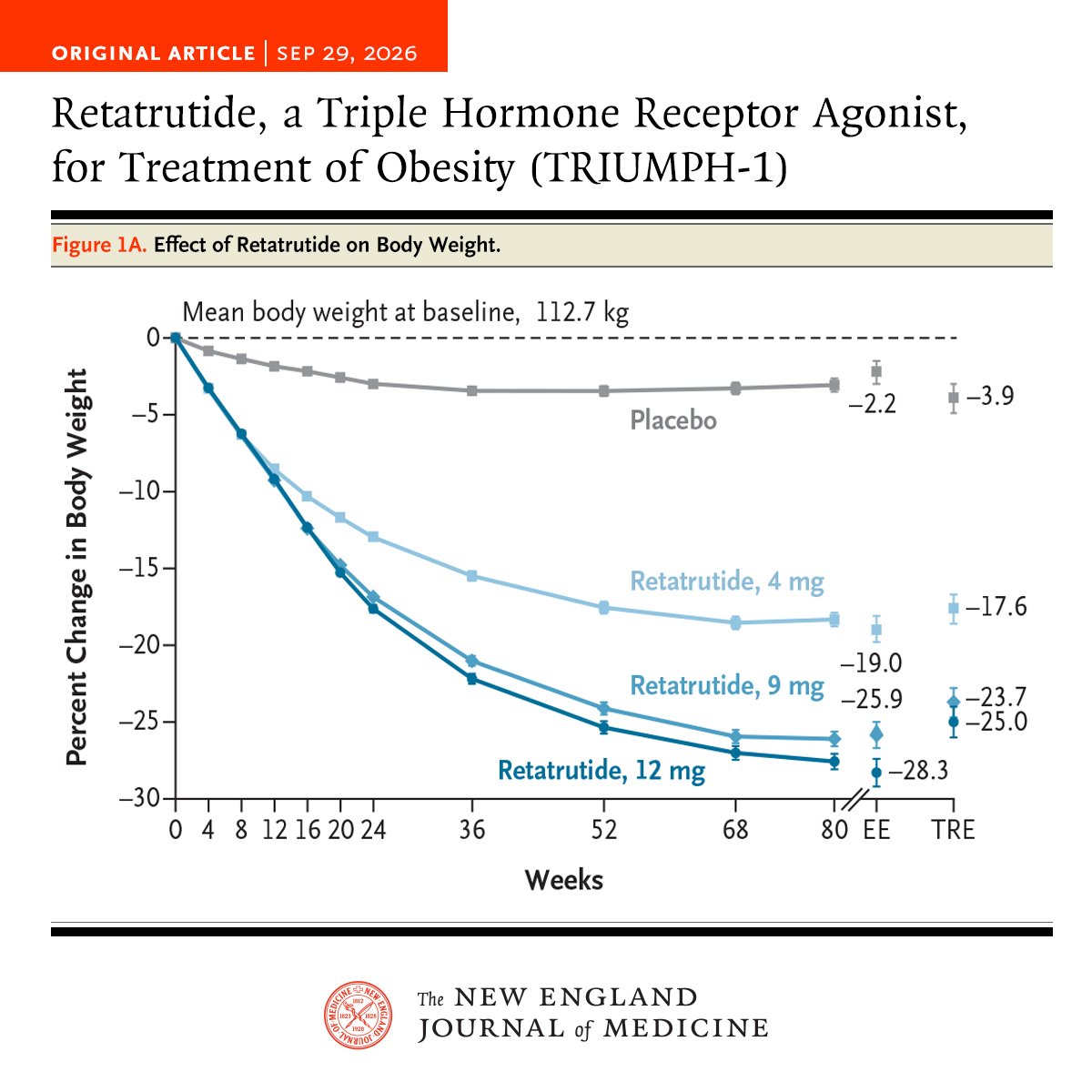
Original Article: Retatrutide, a Triple Hormone Receptor Agonist, for Treatment of Obesity (phase 3 TRIUMPH-1 trial) https://t.co/kzuY57bUTX
#Endocrinology
In the phase 3 TRIUMPH-1 trial involving patients with obesity, retatrutide, a triple hormone receptor agonist, resulted in substantial weight reduction and a decrease in knee osteoarthritis pain and obstructive sleep apnea events. Full trial results: https://t.co/kzuY57bUTX
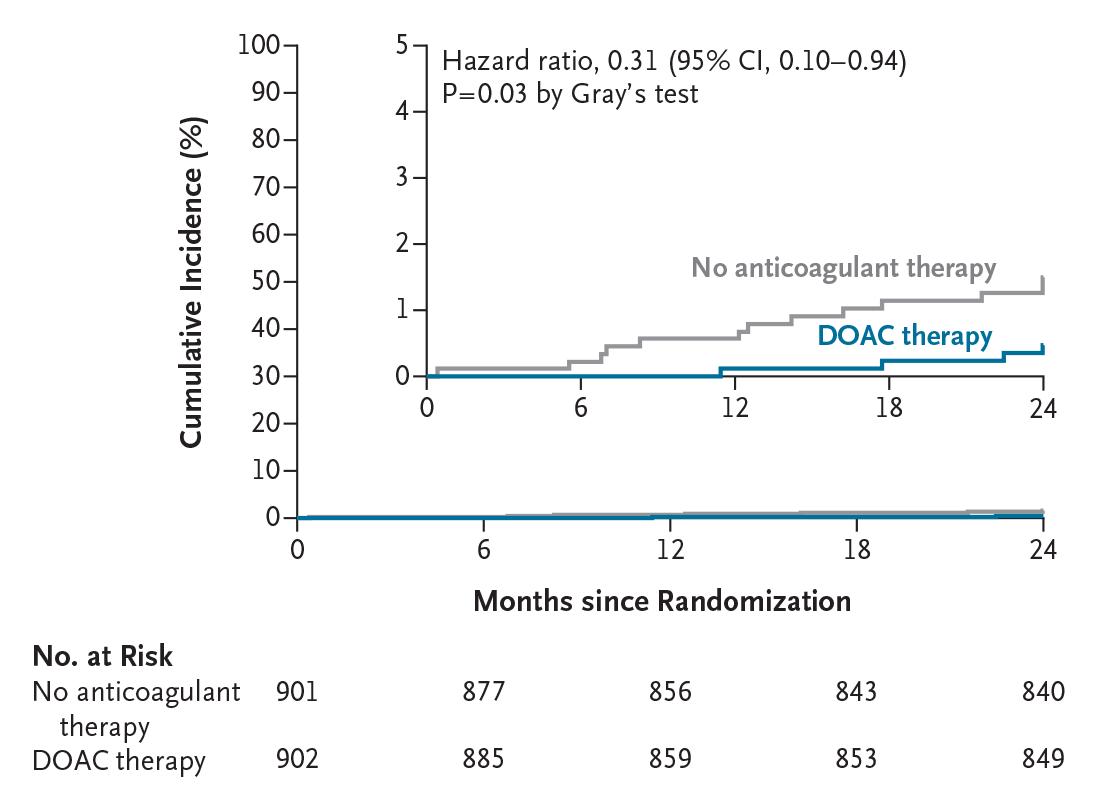
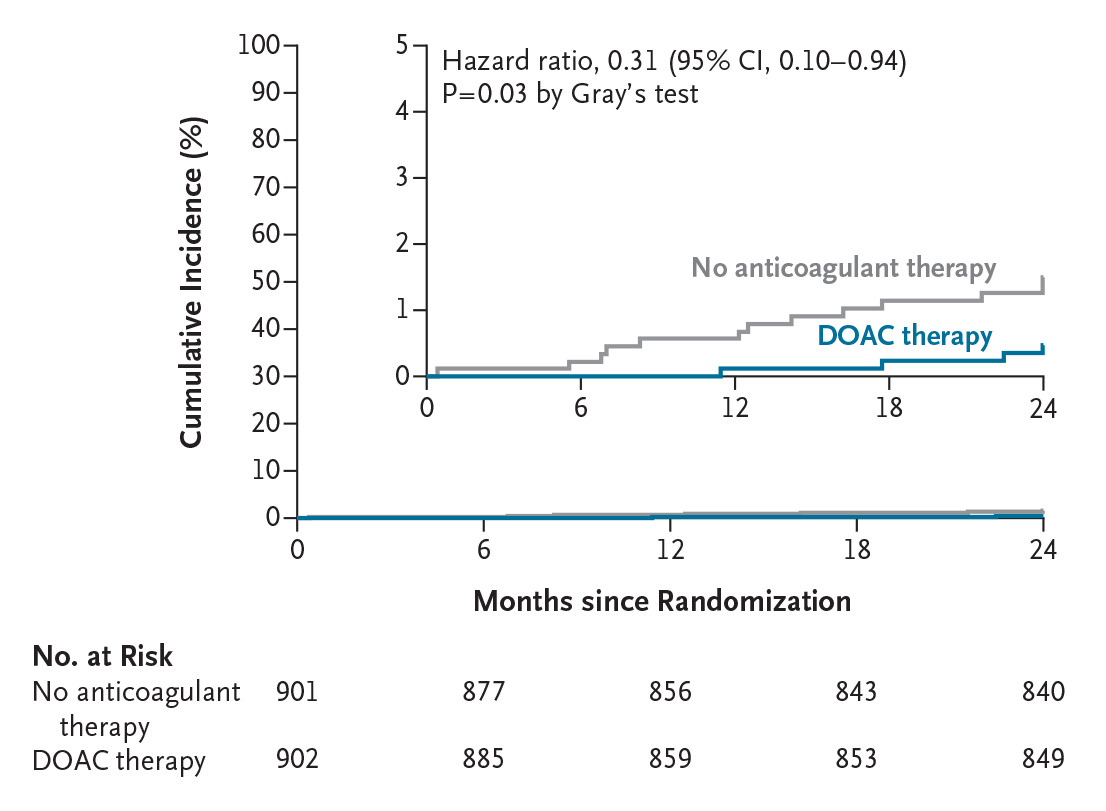
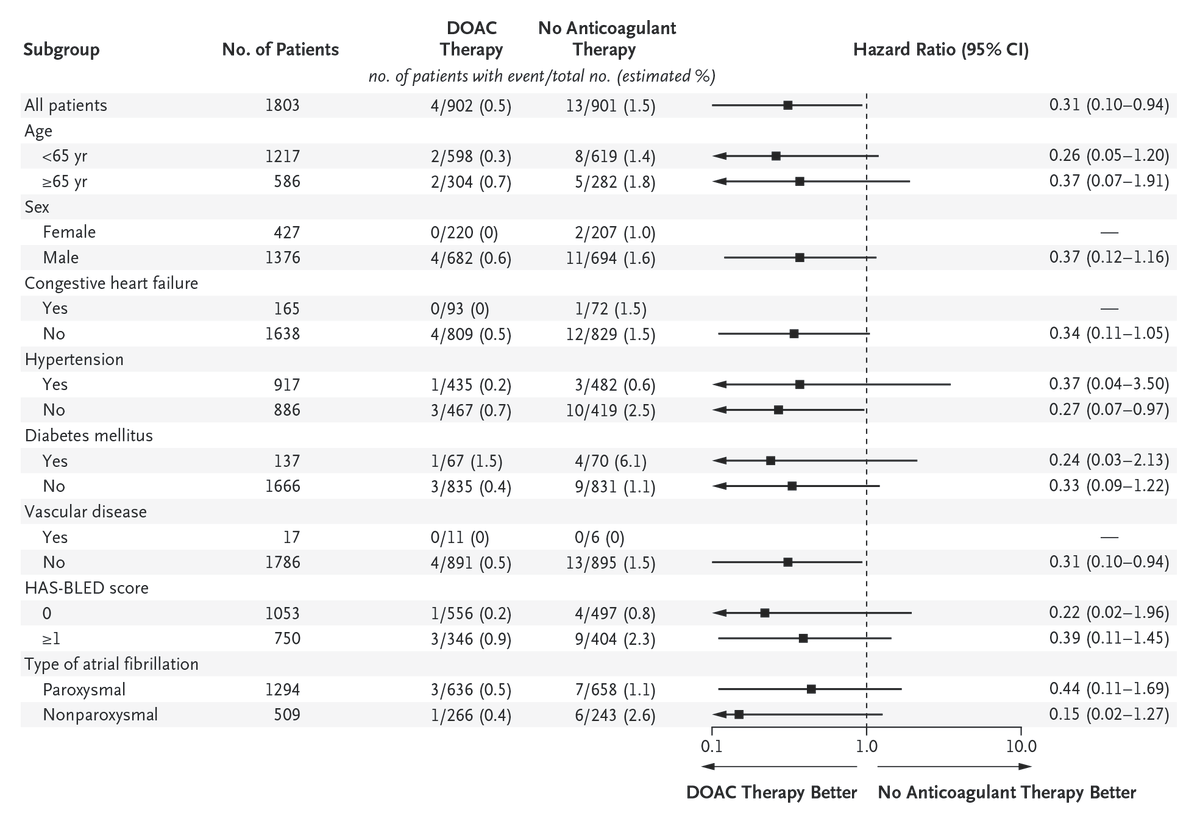
Original Article: Anticoagulation for Atrial Fibrillation with Intermediate Stroke Risk (SINGLE-AF trial) https://t.co/fsN8QZhgYh
Editorial: Anticoagulation for Atrial Fibrillation with a Single Risk Factor for Stroke https://t.co/RX8U46dRZb
#Cardiology#ESCCongress
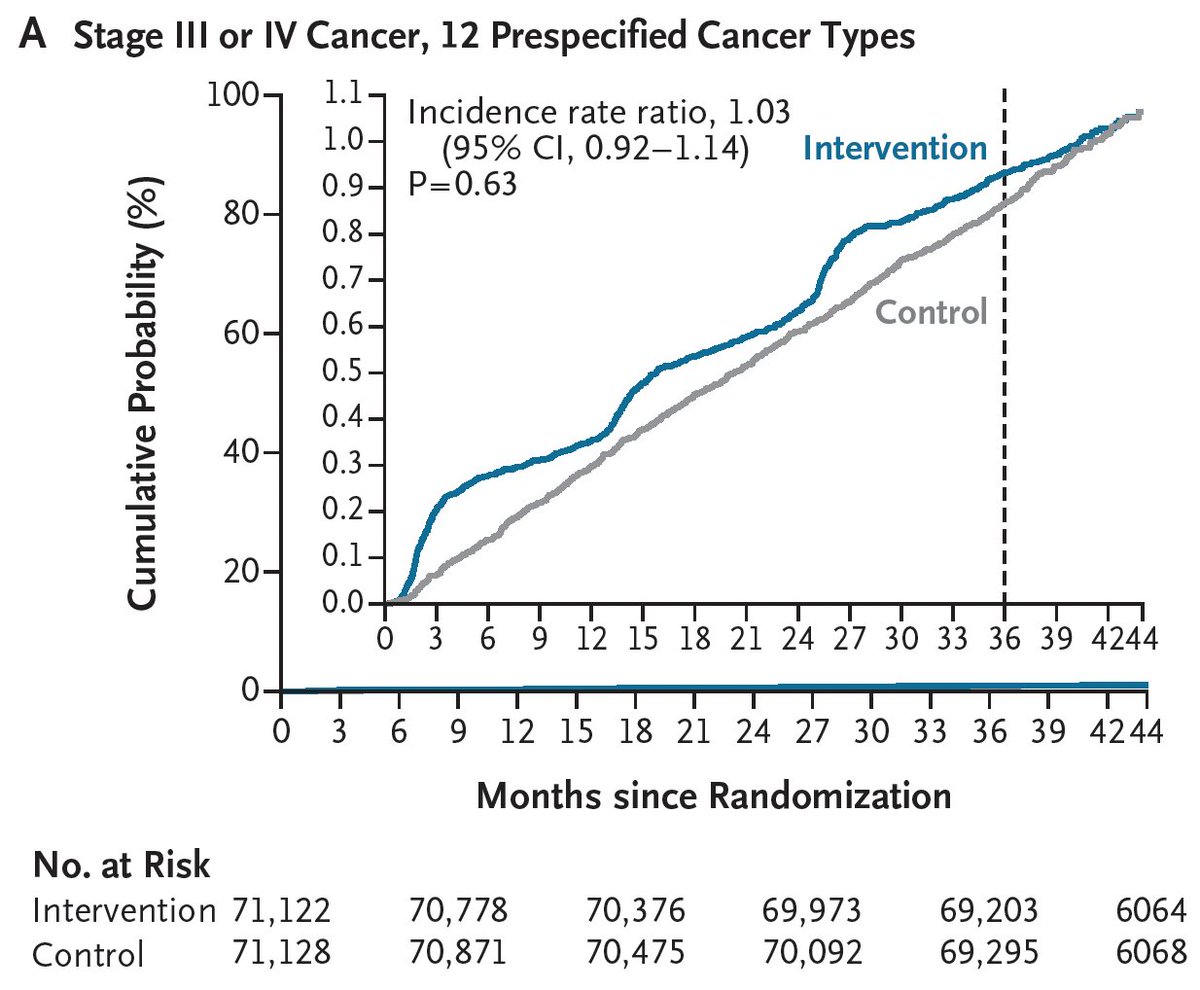
The GRAIL NHS Galleri randomized trial with over 142,000 participants was published today @NEJM
"In this trial, we did not observe a lower incidence rate of stage III or IV cancers [the primary endpoint] across 12 prespecified cancers after three screening rounds with multicancer early-detection testing plus usual care than with usual care alone."
https://t.co/QGxc00VztA
Oral semaglutide (a GLP-1 pill) is not effective at slowing progression in patients with mild Alzheimer's disease, find the EVOKE and EVOKE+ trials.
Find out more ▶️ https://t.co/ZIM8IbuX5u #WorldAlzheimersDay
In its pivotal clinical trial, the GRAIL test to detect early cancer failed its primary endpoint. It detected only 3 early cases per 1,000 people assessed. There were more false negative results (N=196) than true positives (N=133). Reviewed here https://t.co/pKJ3d16Tu3
But you wouldn't know any of that if you read today's WSJ editorial!
gift link
https://t.co/kuiXPcV1zp
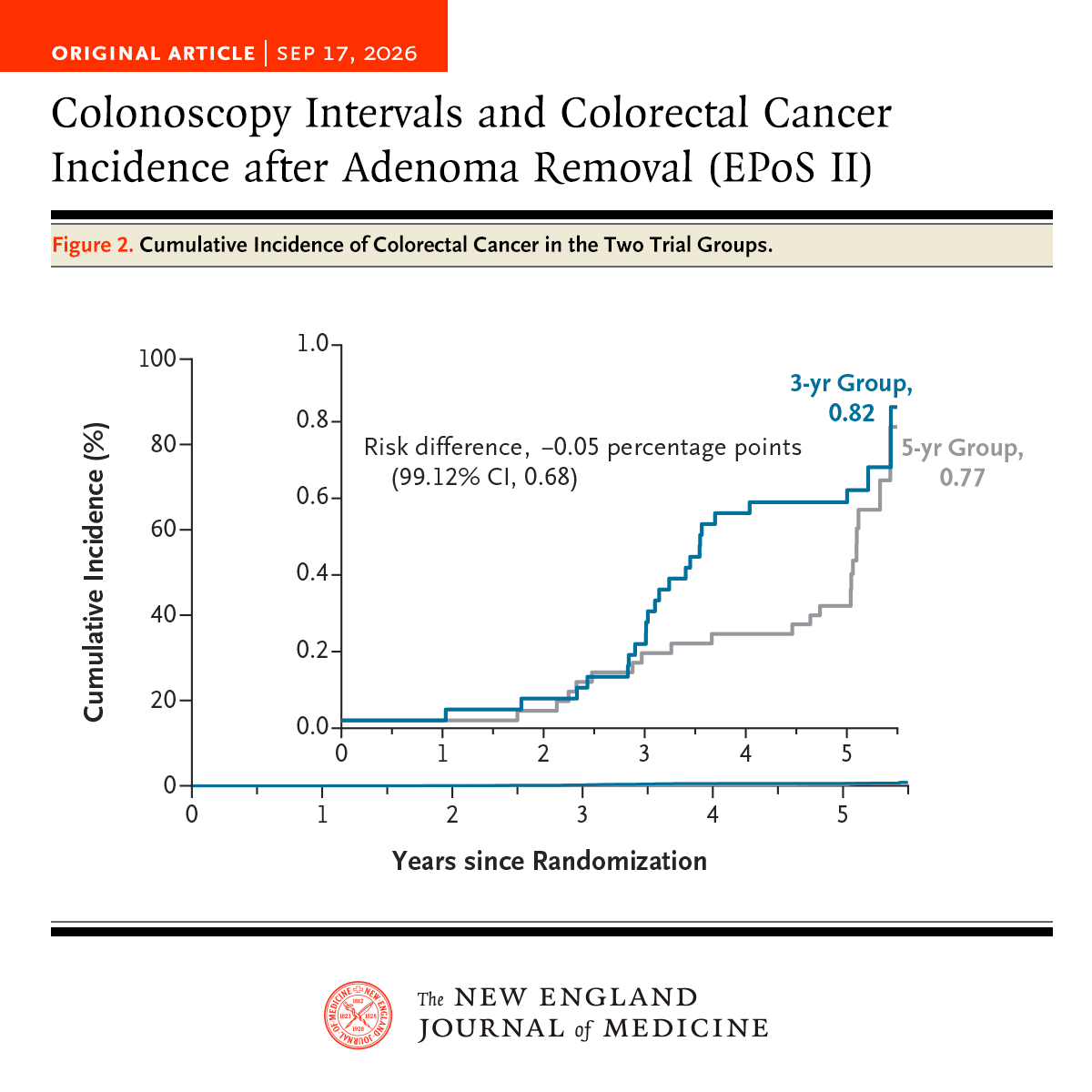
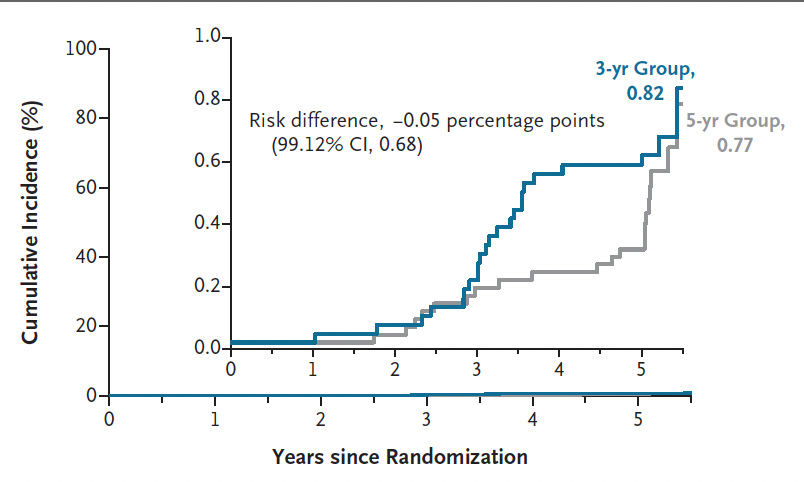
In this planned interim analysis of a randomized trial, first surveillance colonoscopy at 5 years after the removal of high-risk adenomas was noninferior to first colonoscopy at 3 years for the incidence of colorectal cancer. Full EPoS II trial results: https://t.co/ABnbAOKBZh
Editorial: When More Is Not Better — Colonoscopy Surveillance after High-Risk Adenomas https://t.co/B2jICCLBuv
Correspondence: Colorectal Cancer Risk among Patients with Serrated Polyps (EPoS III trial) https://t.co/hENNrFoHVI
When it comes to surveillance colonoscopy after polyp removal, more (frequent) may not be better
Results of a randomized trial of 3 vs 5 years, showing non-inferiority for longer interval
Higher frequency: "detect more lesions without meaningfully reducing the incidence of colorectal cancer over 5 years."
@NEJM
https://t.co/WqbBYginZd
Hi all,
The Lp(a) HORIZON trial has released topline data and, quite shockingly, missed its primary endpoint.
In other words, lowering Lp(a) in patients with prior MI, stroke or peripheral arterial disease, who were otherwise very well treated for LDL-C, blood pressure, diabetes and other risk factors, did not reduce the primary cardiovascular endpoint.
We obviously need to see the full data before making firm conclusions, and I don’t want to speculate too much without the details.
But this is a big enough result that it is worth summarizing what we know, what we don’t know, and what this may mean for our patients after 20+ years of trying to test the “Lp(a) hypothesis.”
What we know:
1-There are hundreds if not thousands of genetic, epidemiologic and Mendelian-randomization studies showing that elevated Lp(a) is associated with MI, stroke, peripheral arterial disease and aortic stenosis. That body of evidence is very strong.
2-However, much of those data come from community-based populations, often before the era of intensive LDL-C lowering and modern secondary prevention.
3-There has been much less information about how much residual risk Lp(a) carries in someone who has already had an event and is then treated very aggressively.
4-HORIZON may have had some of the best-treated patients of any recent cardiovascular outcomes trial.
Baseline LDL-C was about 65 mg/dL, a measured LDL-C contains the cholesterol carried on Lp(a), so in reality, 15-20 points lower.
5-In patients with very high Lp(a), if you correct LDL-C for Lp(a)-cholesterol, the actual LDL-C carried by LDL particles may have been closer to 45–50 mg/dL, perhaps even lower in some patients.
6-This raises a very basic question:
Can you still demonstrate a major incremental benefit from lowering another apoB-containing particle when the underlying LDL burden has already been driven this low?
What we don’t know:
1-What was the actual corrected LDL-C in these patients? I think it would be extremely informative to directly measure Lp(a)-C and calculate corrected LDL-C. This may tell us a lot about the biological setting in which pelacarsen was being tested.
2- What was the OxPL status? Our prior work has suggested that much of the pro-inflammatory biology associated with Lp(a) is related to its enrichment in oxidized phospholipids. Did OxPL fall? Did patients with higher OxPL derive more benefit? Was Lp(a) concentration actually identifying the patients with the most pathogenic particles?
3- Did we measure the right component of Lp(a) for trial inclusion? We generally measure molar particle concentration. But is molar concentration itself the main driver of risk, or is it partly a surrogate for what the particle carries? Cholesterol? Triglycerides? Oxidized phospholipids? Other proteins? Could two patients with the same Lp(a) concentration have very different Lp(a)-mediated risk? I think this question deserves much more attention.
3- Were the genetic data telling us exactly what we thought they were telling us? The genetic data are extremely compelling, but genetics reflect lifelong exposure. A clinical trial treats patients late in life, often after decades of arterial injury and after an event has already occurred. Those are not necessarily the same experiment. Could there also be some unrecognized biology linked to the LPA locus that we have not completely accounted for? That possibility should at least be considered.
3- Does very low LDL-C modify the Lp(a) risk relationship? Maybe Lp(a) is particularly important when LDL-C is higher, but its contribution becomes smaller once LDL-C is driven to very low levels. Again, we need the data.
4- Does aspirin or other antiplatelet therapy reduce part of the risk associated with Lp(a)? Lp(a) has potentially important prothrombotic effects. Almost everyone in a trial like HORIZON is receiving contemporary antiplatelet therapy. Could that blunt one component of the risk associated with Lp(a)?
5- Why are these patients still having events? This may be one of the most interesting questions of all. These are patients with LDL-C around 65 mg/dL, and perhaps corrected LDL-C substantially lower, yet cardiovascular events continue to occur. What is driving that residual risk? Inflammation? Thrombosis? Plaque burden that is already too advanced? Other lipoprotein characteristics? Something we are not measuring?
6- Do we need to re-examine some basic assumptions about atherosclerosis? We have spent decades focusing heavily on the quantity of circulating lipoproteins. But perhaps lipoproteins are relatively benign until they undergo biological modification in the artery wall. Oxidation may be one of those key modifications. For some patients, the answer may be to remove more particles from the circulation. For others, perhaps the better approach is to prevent their oxidation or block the downstream biological effects of oxidized lipids. The recent difficulties with anti-inflammatory approaches, including IL-6 inhibition, make these mechanistic questions even more interesting.
7- Was there something specific about pelacarsen, the degree or timing of Lp(a) lowering, advanced disease, trial duration, background therapy or patient selection that mitigated a potential benefit? We simply don’t know yet. That is why the detailed results will be so important.
What does this mean for patients today?
If you have already had an MI, stroke or PAD, the immediate lesson is very clear:
1- Get all of your established risk factors treated aggressively.
2- Get LDL-C/apoB very low.
3- Control blood pressure.
4- Control diabetes.
5- Don’t smoke.
6- Use appropriate antiplatelet and other guideline-directed therapies.
HORIZON shows us what modern secondary prevention should look like.
If you have elevated Lp(a) but have never had an event, the genetic and epidemiologic data still suggest increased lifetime risk.
Until the other 4 outcome trials read out, I would continue to treat every modifiable risk factor aggressively.
We should wait for those trials before drawing broad conclusions about the entire field.
I think the story of Lp(a) therapy is beginning, not ending.
We also need to show tremendous respect and gratitude to the patients who participated in HORIZON and to the investigators and companies that invested enormous resources to actually test the Lp(a) hypothesis, to the ultimate benefit to peole with elevated Lp(a) to best guide how to manage risk.
More to come as we go forward.
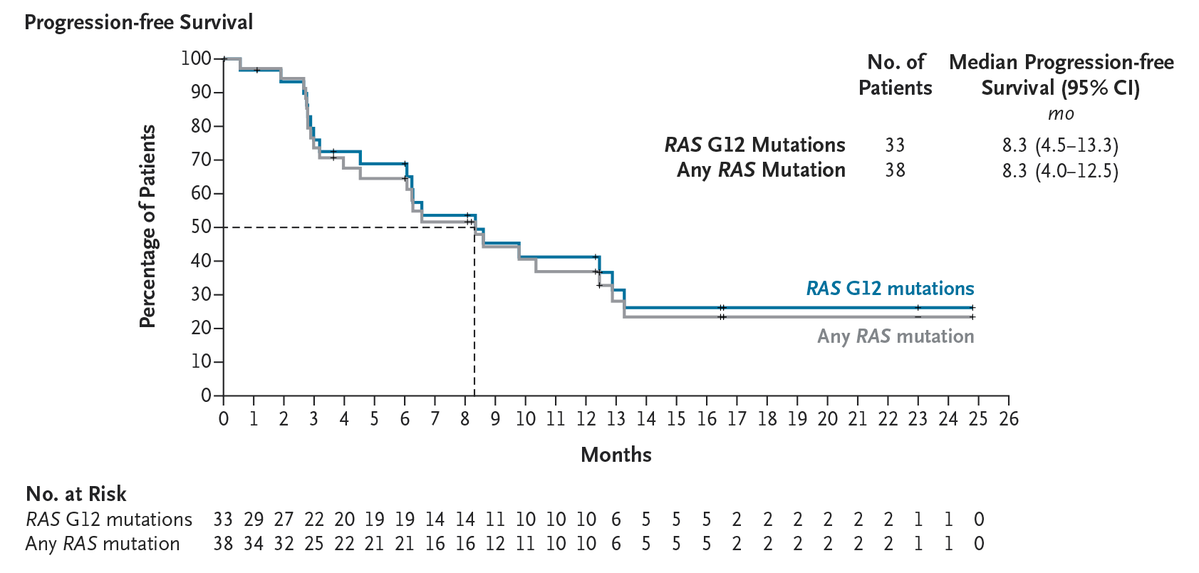
In a phase 1–2 study of daraxonrasib, 54% of patients with RAS-mutant non–small-cell lung cancer had grade 3 or higher adverse events, mainly pneumonia, diarrhea, and rash; more than 30% of patients had a response. Full study results: https://t.co/4XFCWCgIwP
There are several new drug programs directed to lowering Lp(a). This one, a small interfering RNA, achieved up to 97% reduction which was durable in its first clinical trial from a single dose for 1-year follow up @TheLancet
https://t.co/UmmGFUB7RU
Testosterone levels and the risk of atrial fibrillation:
converging evidence for a U-shaped curve suggesting increased risk associated with both high and low serum levels
https://t.co/hMuPIi2ICM
Original Article: Anticoagulation for Atrial Fibrillation with Intermediate Stroke Risk (SINGLE-AF trial) https://t.co/fsN8QZhgYh
Editorial: Anticoagulation for Atrial Fibrillation with a Single Risk Factor for Stroke https://t.co/RX8U46dRZb
#ESCCongress | @escardio
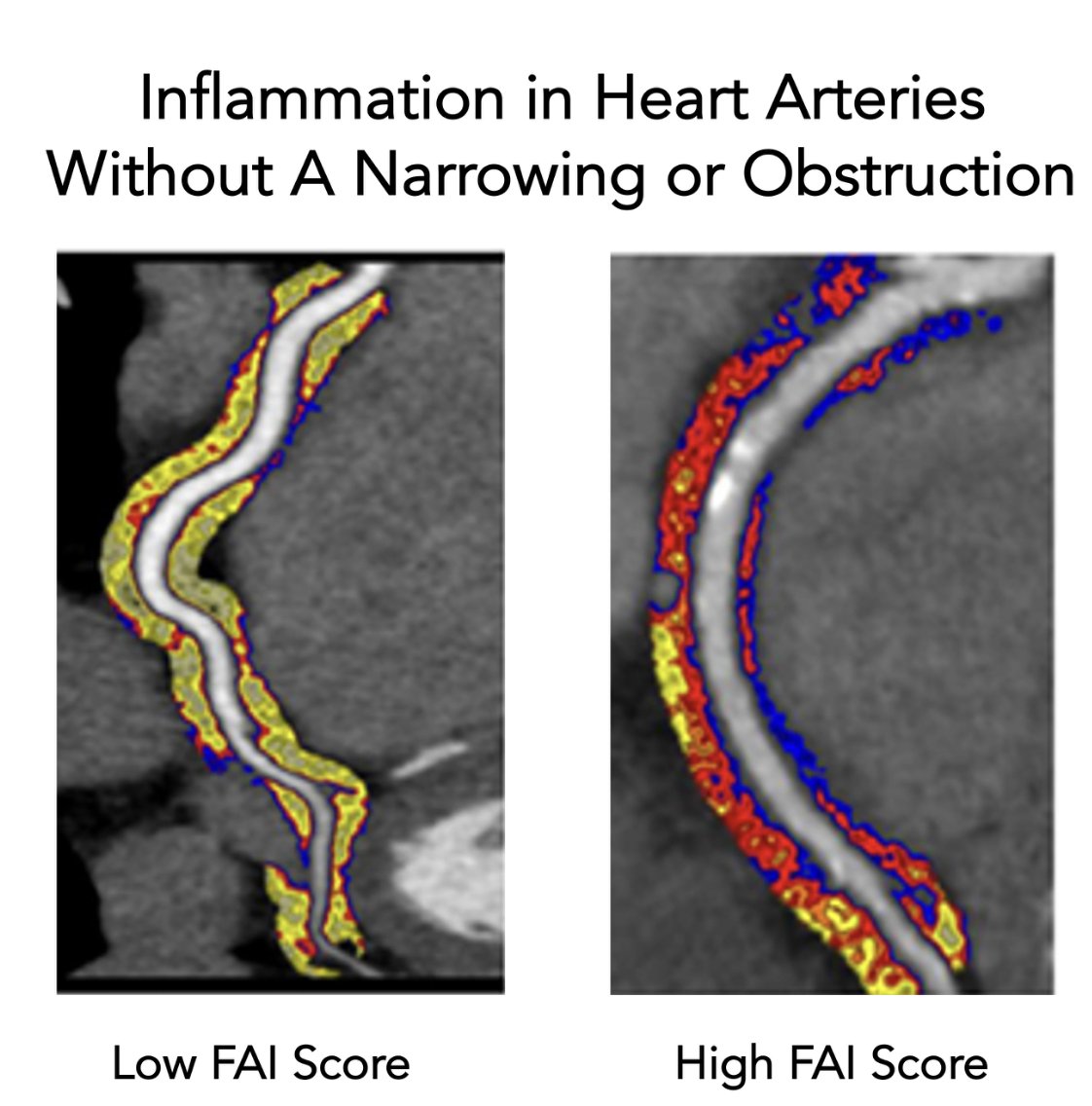
The first AI to quantify coronary artery inflammation was approved by the FDA yesterday @CaristoHeart
This is an important step forward for preventing heart disease that I've written about
https://t.co/foSaaTYmNw
🧬🫀 Lipoprotein(a) meets Calcium Score: are we finally refining risk?
This large multicohort study tackles a clinically frustrating question:
👉 What do we do with elevated Lp(a) when risk is still uncertain?
🔍 Core idea
Lp(a) is a genetically driven, causal risk factor for ASCVD.
But in practice:
⚠️ Risk remains heterogeneous
⚠️ Treatment pathways are still evolving
⚠️ Not all patients with high Lp(a) behave the same
📊 What this study shows
Adding Coronary Artery Calcium (CAC) dramatically improves risk stratification:
✅ High Lp(a) + high CAC → clearly elevated risk
✅ High Lp(a) + CAC = 0 → surprisingly lower short-term risk
👉 In other words:
Lp(a) = potential risk
CAC = realized disease
🧠 Why this matters
We often treat Lp(a) as a binary “on/off” risk signal.
This paper reinforces a more nuanced model:
💡 Risk is not just biology (Lp(a))
💡 It’s the interaction between biology + plaque burden
⚖️ But here’s the catch
Population-level conclusions can mislead:
CAC = 0 does NOT mean “no risk”
It may simply reflect earlier disease stage
Especially relevant in younger patients with high Lp(a)
👉 Time horizon matters.
🔮 Clinical takeaway
This is where imaging becomes decisive:
✔️ Use CAC to contextualize Lp(a)
✔️ Avoid over- or under-treatment
✔️ Move toward precision prevention
🚨 Bottom line
Lp(a) tells you who might be at risk
CAC tells you who already is
The future is not choosing between them—
👉 it’s integrating both intelligently
At least 10% of the population has a significantly elevated Lp(a) above 50 mg/dL (~125 nmol/L), which carries an increased risk of atherosclerotic cardiovascular disease. While we've known that for decades, we've never had a drug to treat it.
There are 5 programs in advanced trials (Table below, 3 in phase 3, pivotal, CV outcomes as endpoint). We may see the results for the first drug (pelacarsen) soon, by end August, and FDA approval is expected in 2027. This likely represents a major advance for preventing heart disease, adding to the first oral PCSK9 blocker approved this week.