🌦️ Environmental factors play a huge role in the pre-hospital arena:
•Weather, noise, lighting
•Distance to major trauma centres
•Scene safety & hazards
Each shapes airway management decisions in the field.
Read more: https://t.co/OgdZCNfpwh
💉 With emergency intubations in intensive care, drug choice matters!
Propofol = independent risk factor for collapse (used in 41.5% of ICU intubations).
Guidelines suggest ketamine or etomidate as preferred agents in the critically ill.
Full summary: https://t.co/QrJhXRltSM
The management of ascites in patients with cirrhosis can get tricky. When they're hospitalized, whether in the wards or the ICU, striking a balance is a delicate one. This article details an algorithm for this. 🎩 tip to the authors.
https://t.co/Sfr6vCn6le
Norepinephrine pharmacolexicology: a chronological review of dose reporting and the implications of salt formulations
CCR Journal Watch - tracking the critical care literature daily
https://t.co/Sp06oA6IDG
Georgia's investment in trauma system development between 2003 and 2020 saved 1,803 lives, which translates into $4.3 billion in lifetime personal income preserved and $508 million in lifetime tax revenue preserved: https://t.co/wcNlAYqcbe
This study investigated whether trauma centers with catastrophic brain injury guidelines (CBIGs) have higher organ donation rates than those without. While CBIGs were not associated with increased odds of organ donation, hormone resuscitation was.
https://t.co/HVhIef9pU4
Optimizing the resolution (DPI) of your figures or images is a pain.
We made a free DPI (resolution) you can use! 👇(bookmark this for later!🔖)
Link: https://t.co/gNkxCOssKp
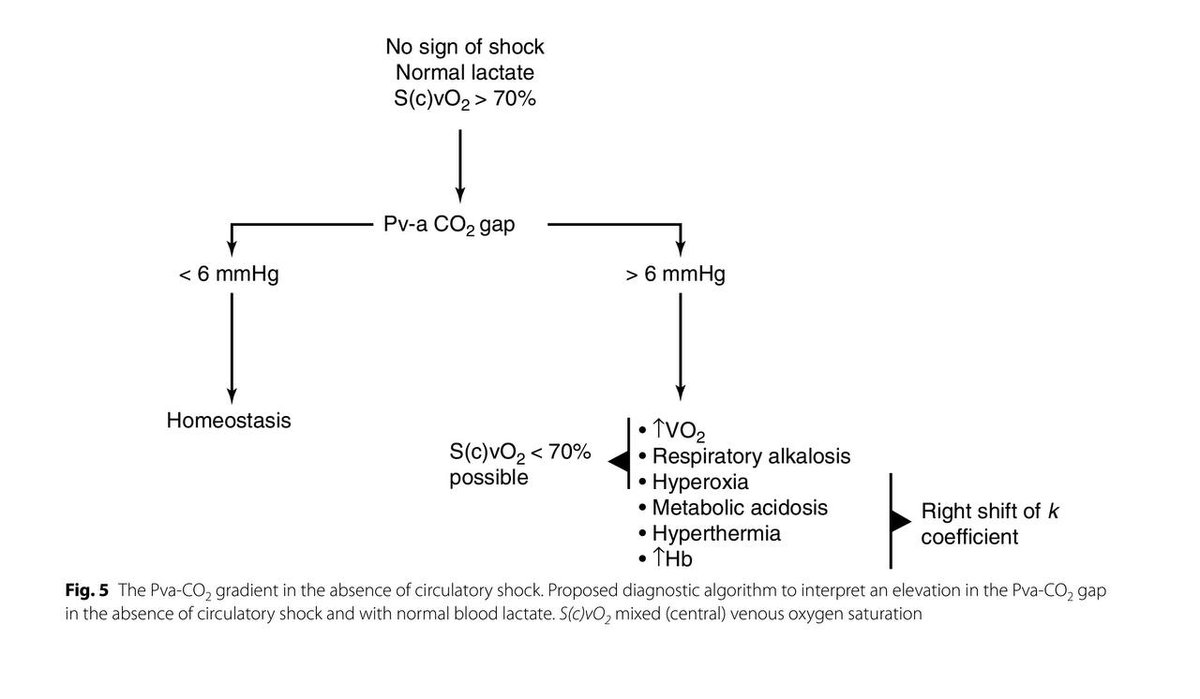
Veno-arterial PCO2 gap
Looks simple. But complicated. You need to consider a lot of factors in the interpretation. More importantly, it can be normal or high in sepsis.
Tip: Make sure you study the CO2 dissociation curve before attempting to understand this concept.
https://t.co/Ix0JUABviW
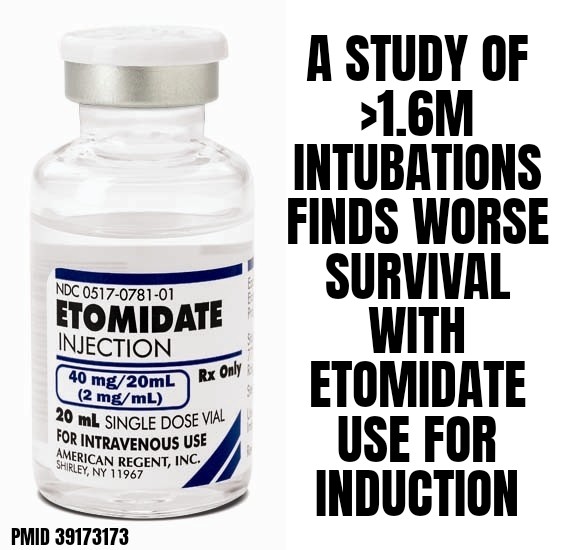
Etomidate for endotracheal intubation... more was recently published on this saga.
This retrospective review studied an absolutely massive (>1.6M) population of patients who received ketamine or etomidate at the time of intubated.
They found that etomidate was associated with an adjusted odds of death of 1.28 (1.21-1.34).
-PINC AI healthcare database
-1,689,945 (no, that's not a typo) patients with 738,855 receiving etomidate... rest received mostly ketamine or propofol
-Absolute risk difference 2.8% (2.1-3.6%)
-Adjusted odds of death of 1.28 (1.21-1.34)
These massive databases are great for detecting subtle findings, and the findings are similar to a number of similar previous study. However, for a dataset this size, these confidence intervals are not as tight as I would expect. Additionally, when the intubation happened later in the hospital course (day 2+), the findings were not nearly as robust. IOW, these findings weren't as stable as I'd like to see and also suggest that the trajectory may only be affected if given early.
https://t.co/51Ad9aMecn
#emergency #emergencymedicine #criticalcare #icu #erlife #iculife #science #army #armymedicine #armyemdoc #resuscitation #research #data #airway #trauma #ketamine #etomidate #medx #medtwitter #medairway #airwayx
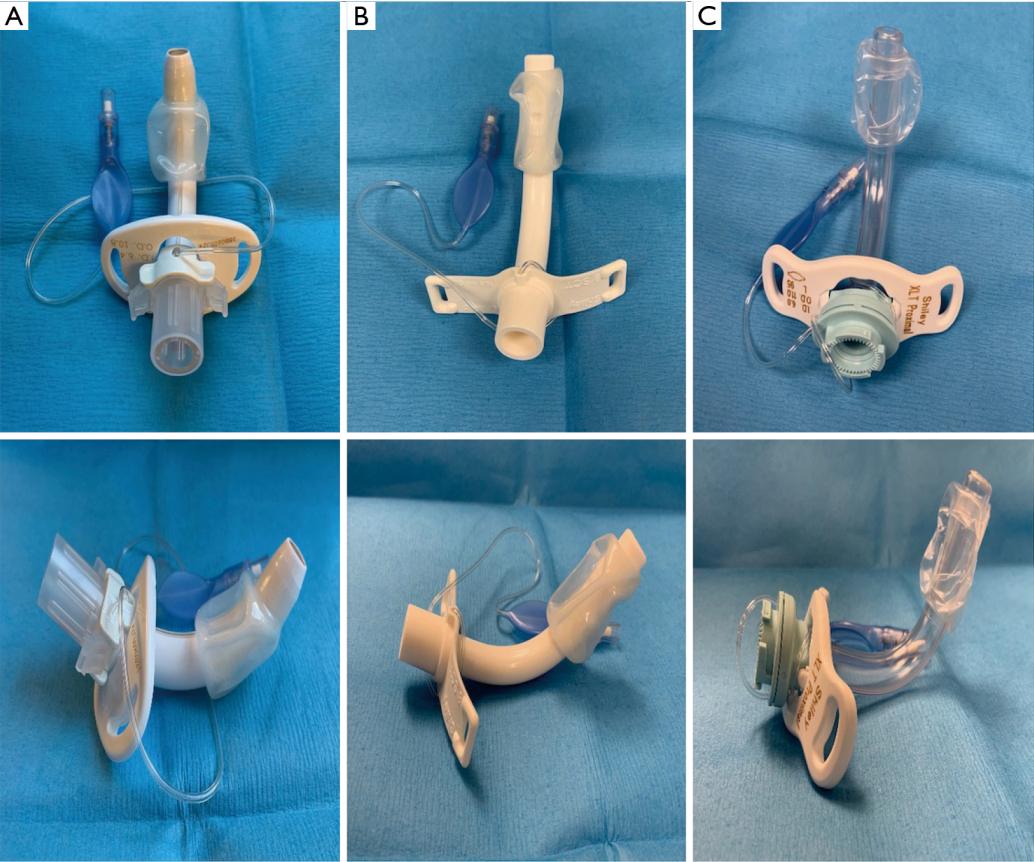
Today's Paper of the Day is on percutraneous tracheostomy in the ICU
https://t.co/JKgcYjlUQ5
Join us to read 1 paper per day and stay up-to-date as we cover the spectrum of critical care across 2024
Today's Paper of the Day is on dyspnoea in acutely ill mechanically ventilated adult patients: an ERS/ESICM statement
https://t.co/JKgcYjlUQ5
Join us to read 1 paper per day and stay up-to-date as we cover the spectrum of critical care across 2024
Critical Care Ultrasound in Shock: A Comprehensive Review of Ultrasound Protocol for Hemodynamic Assessment in the ICU
CCR Journal Watch
https://t.co/Sp06oA6IDG
Get the latest critical care literature every weekend via the CCR Newsletter - subscribe at https://t.co/nitMzacLrj
The non-haemorrhagic vagal response to trauma: hypotensive and bradycardic responses to injury without bleeding
CCR Journal Watch
https://t.co/Sp06oA6IDG
Get the latest critical care literature every weekend via the CCR Newsletter - subscribe at https://t.co/nitMzacLrj
It takes >3-4 weeks of steroids (@ any dose >5 mg pred/d) to pose risk of adrenal insufficiency – Hence, Endocrine Society Guideline says short-term glucocorticoid therapy of <3-4 wks, irrespective of dose, DOES NOT require GC tapering https://t.co/cxZA9IfAL2
Insomnia is common and frequently occurs with other disorders. First-line cognitive behavioral therapy with or without medication can produce rapid, sustained alleviation of insomnia symptoms. Read the full Clinical Practice article: https://t.co/Hh5hyDnXvC
#Echocardiography in shock
🖥️ use heterogenous
🖥️ most scans performed by #ICU team
🖥️ #echo improve diagnostic certainty/change management in 54% cases of undifferentiated shock; strongest association w approach change in obstructive (75%) or CS (58%)
🖇️https://t.co/MIvCydbIqR
Today's Paper of the Day is on acid-base disorders in the critically ill patient
https://t.co/JKgcYjlUQ5
Join us to read 1 paper per day and stay up-to-date as we cover the spectrum of critical care across 2024