Today, we’re excited to share Enact, a research preview of scenes that respond to you.
Enact represents a new way of making AI video, one that’s designed to mimic the experience of directing on set. Built on Pika H3 Flex, it allows a creator to interact with “actors,” manually re-stage a scene, and manipulate the camera—all in real time.
We think this is the beginning of a new paradigm for creation. Read more and reach out for a demo below.
Blender animation by LLMs: Fable is very impressive. It's still far from the expressiveness / style of video gen models, but already leaps and bounds better than GPT Astra
Pika H3 Flex is now on https://t.co/LmKYkUdnsn
The entire hotel staff versus one pika. The concierge, the bellboys, the chef and the maid chase it through the lobby, the lift, the kitchen and the pool. So fast you can't catch up.
→ 5 to 15 second clips with sound generated in sync
→ Start from a prompt, or set the first and last frame
→ Upscale to 1080p, 2K or 4K
We're open-sourcing Autopilot.
A self-improving agent that plays your game and finds bugs. Unity, Godot and Unreal.
→ 43% more accurate
→ Almost 2X faster
→ Beats Claude Code at playtesting
It’s Computer Use for games – closing the agentic loop and solving the most tedious part of game dev.
Stop being your agent’s tester. Free trial + GitHub below.
Meet Pika H3 Flex, debuting today as the #1 open weight model on DesignArena’s t2v board.
It’s built for professional iteration, with exportable audio stems, resolutions up to 4k, and faster-than-realtime generation. It can produce a 15-second clip with soundtrack in as little as 7 seconds.
So, yeah. It’s kind of a flex 💅
Creative work demands a visual environment. So we partnered with OpenAI to turn ChatGPT into one.
Introducing the Pika X ChatGPT plugin extension. All of Pika’s creative tools are now directly in your chat and side panel, in a new interactive creation experience.
More on what’s new 👇
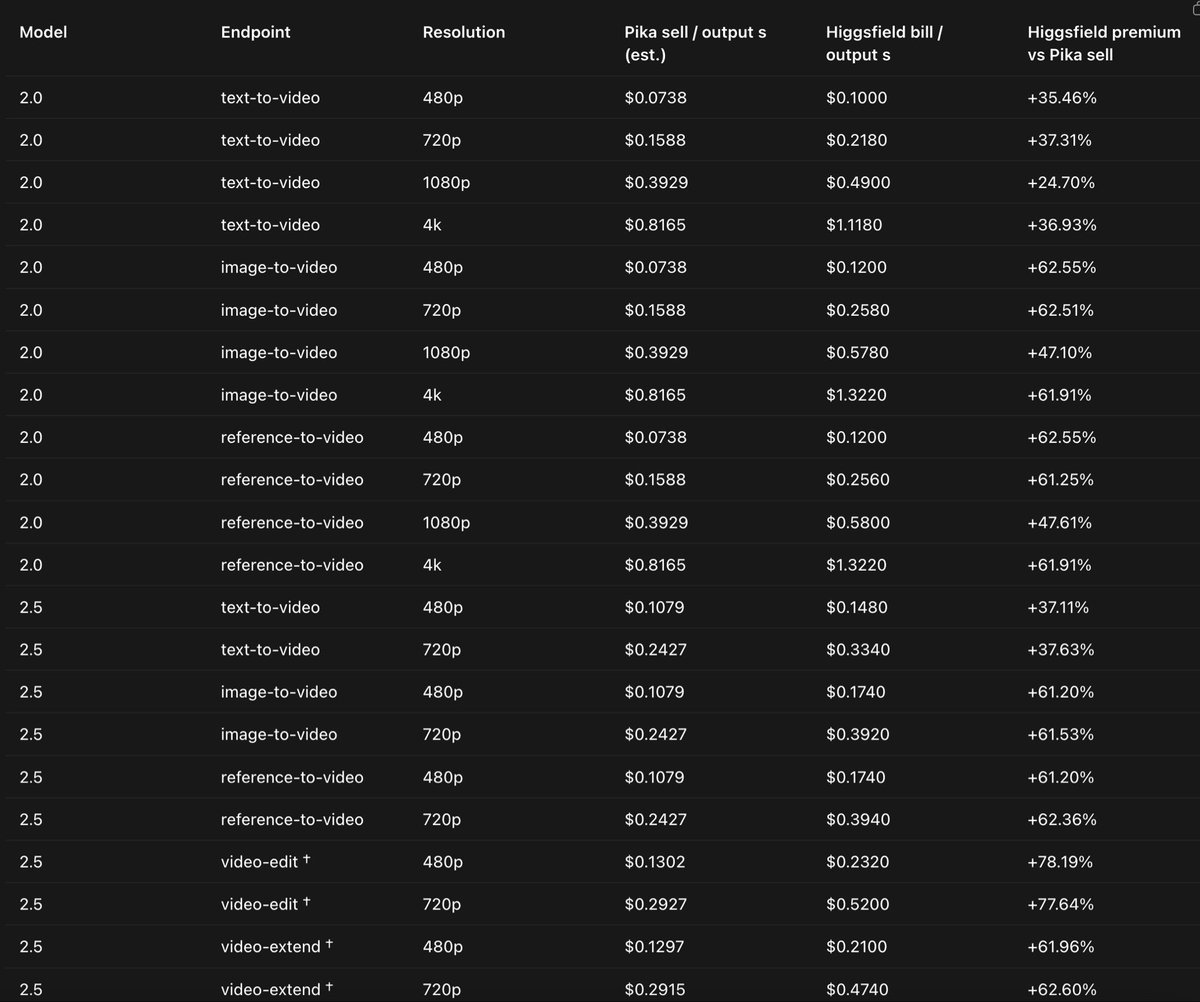
@gpumaxxer I spent a whole afternoon and audited every single endpoint of your Seedance models and this is what I got. Pika is cheaper on every single one and up to 78%. my check pls 🙌
@natolambert this has already been happening for a while, where claude ust brings up “terms of service” in api output making them unusable in production :(
The Super-App trap and why the US will leapfrog China in the agent infra
Elon Musk famously envied China’s Super Apps. He wanted to turn X into WeChat—an "everything app" where you message, order food, and pay for everything in one seamless loop.
For a decade, this was the ultimate story of "leapfrogging". Because China lacked credit card infrastructure in the early 2000s, it skipped plastic cards entirely and went straight to QR codes and digital wallets. It was a masterpiece of mobile convenience.
But the tables are turning. In the AI Agent era, China’s "advanced" infrastructure is becoming its golden cage, while the West’s "fragmented" web might allow it to leapfrog right back.
Here is the structural irony:
+ The West’s "primitive" web is an Agent’s paradise. Western tech is criticized for being messy—disparate websites, emails, and browser extensions. But for an AI Agent, this openness is a goldmine. The web is built on standard protocols and public URLs. An agent can easily scrape a page, read a DOM structure, and automate workflows. Need to pay? It spins up a virtual credit card via Stripe and completes the loop. No friction.
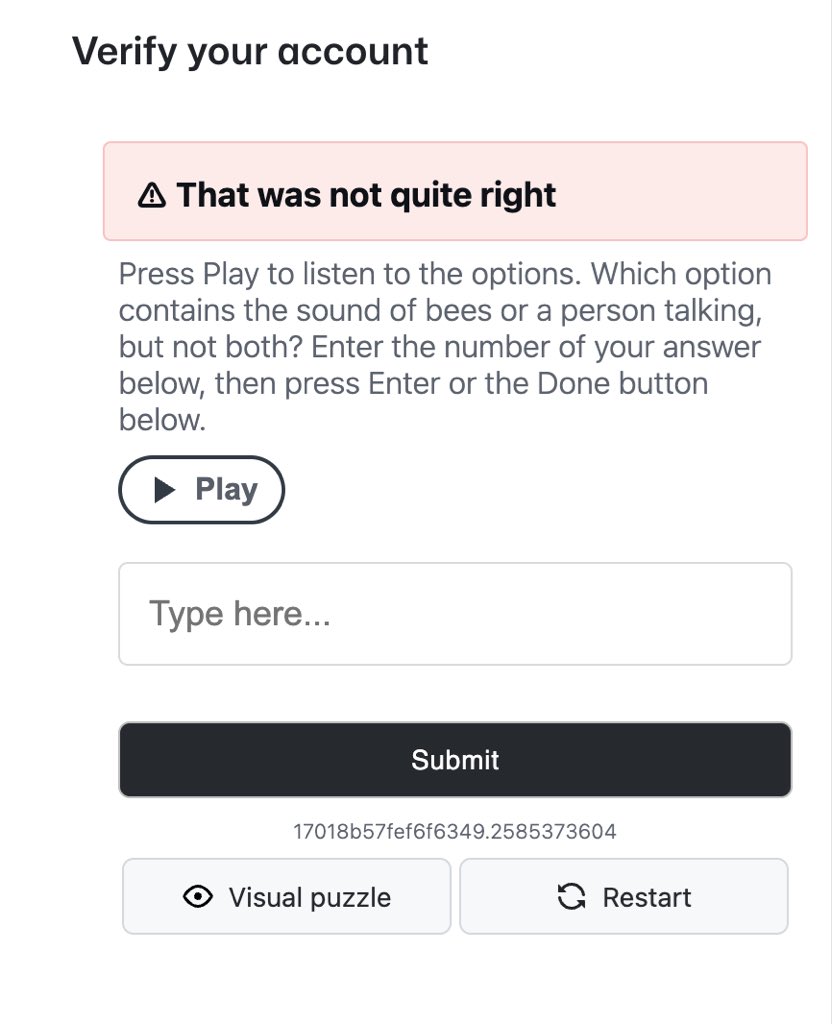
+ China’s Super Apps are walled gardens. Everything is trapped inside closed app environments. There are no public web URLs to crawl. To protect their data ecosystems, these apps have built brutal anti-scraping defenses: mandatory mobile SMS logins, graphic captchas, and facial recognition. These are brick walls for a machine.
+ The Payment Iron Curtain. You cannot easily delegate financial transactions to an agent in China. The payment networks (WeChat/Alipay) are locked down by intense fraud-prevention logic tied to real-name mobile wallets. An agent trying to pay for your lunch will just trigger a security block.
We are entering a bizarre paradigm shift. Just as China used its lack of credit cards as a blank canvas for mobile payments, the West can now use its fragmented web as a blank canvas for autonomous AI Agents.
When a system is perfectly optimized for the previous era, changing it is incredibly painful. Super Apps were the pinnacle of the mobile-app age. But in the Agent age, a clunky, open web is proving to be a much faster highway to automation.
The West doesn’t have to fix its fragmentation problem; it just has to build an AI layer that doesn't care about it.