Meta-analysis by @burnsmk1 of repeated reading studies confirmed effectiveness for increasing fluency (especially for students with disabilities), whether done in pairs, sm group or 1:1, & found using text chosen based on accuracy got best results.
https://t.co/pWyRSNsw6C
Someone asked me what I would do to fix the reading crisis if money was not an issue.
Here is the thing, problem is not that we don’t know what can or should be done. In fact, knowing what to do to fix it is probably the easy part. The problem is knowing how do you go about changing a system rooted in a ina faulty philosophy about how kids become readers and rooted in evidence practice.
Since I am not an administrator and my experience is K-6 there is a limitation to what I can say, but these are some of the changes I would make:
I would expect that administrator impacting literacy and every teacher would be trained to understand evidence-based reading instruction and the role they can play if they they are not classroom teachers. I would promote an all hands on deck.
- I would actively seek the de-implementation of poor practices, provide teachers with high-quality coaching, and invest in evidence-based programs, invest in decodable books for all classrooms along with picture books so kids have a range of books to read based on their reading needs and preferences.
I would make sure to keep classroom size small in the early grades to increase teacher’s ability to provide individual timely feedback.
I would focus on the early identification of at-risk students, and providing the students who need it with high-quality interventions at the right intensity and frequency by highly qualified teachers.
I would make sure that instruction was data-driven and that there was a multi-tier system of instructional support and that whether or not students were classified they would evidence based reading intervention or support.
I would also reeducate and train staff about what is explicit evidence based reading instruction and coach them toward successful use of it.
That is where I would start.
What would you add?
Watch this @TheWritingRevol sentence expansion activity we use to reinforce learning and improve a topic sentence or “T” in TIDE. We also use the language box from @thinkSRSD to bring in vocab. Connecting knowledge and writing is amazing! Full video: https://t.co/dbT0A6sdIv
Dear colleges of higher education,
I am BEGGING you to have Ed. D.'s that don't have the word 'leadership' in them.
I want to be a better teacher...not get out of the classroom.
Sincerely,
Classroom teachers everywhere
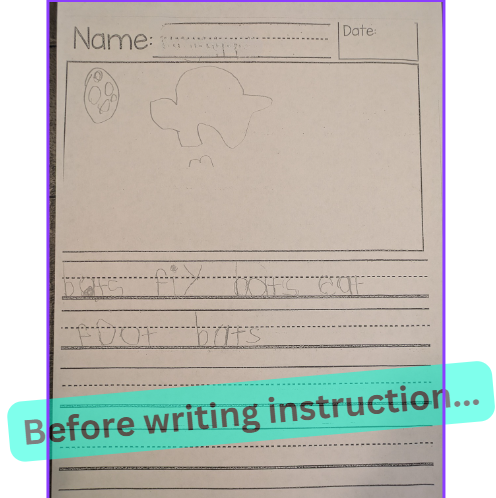
Here are some of my 1st graders BEFORE and AFTER writing assessments...before my writing instruction began and after 10 weeks of explicit writing instruction using @thinkSRSD ! First grade! 1/9
Student A Before:
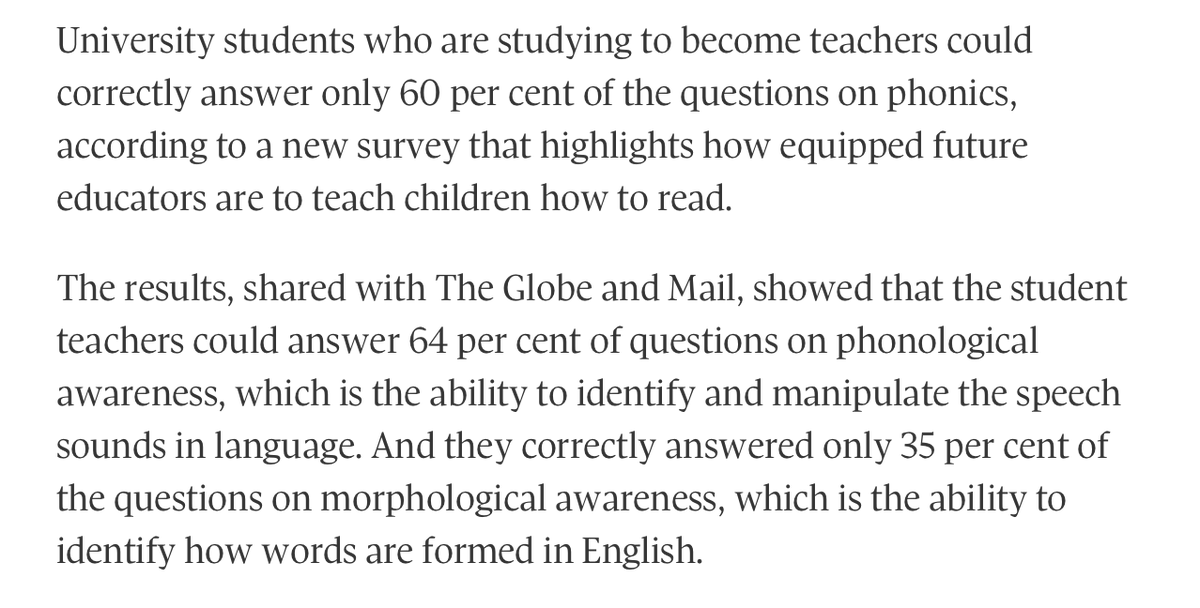
Student teachers only answered 60% of phonics questions correctly on survey. "We have to take this seriously. Otherwise, the number of struggling kids will continue to rise, and we will be in front of a literacy crisis very soon," Prof. Georgiou said.
https://t.co/VhD6z6OraN
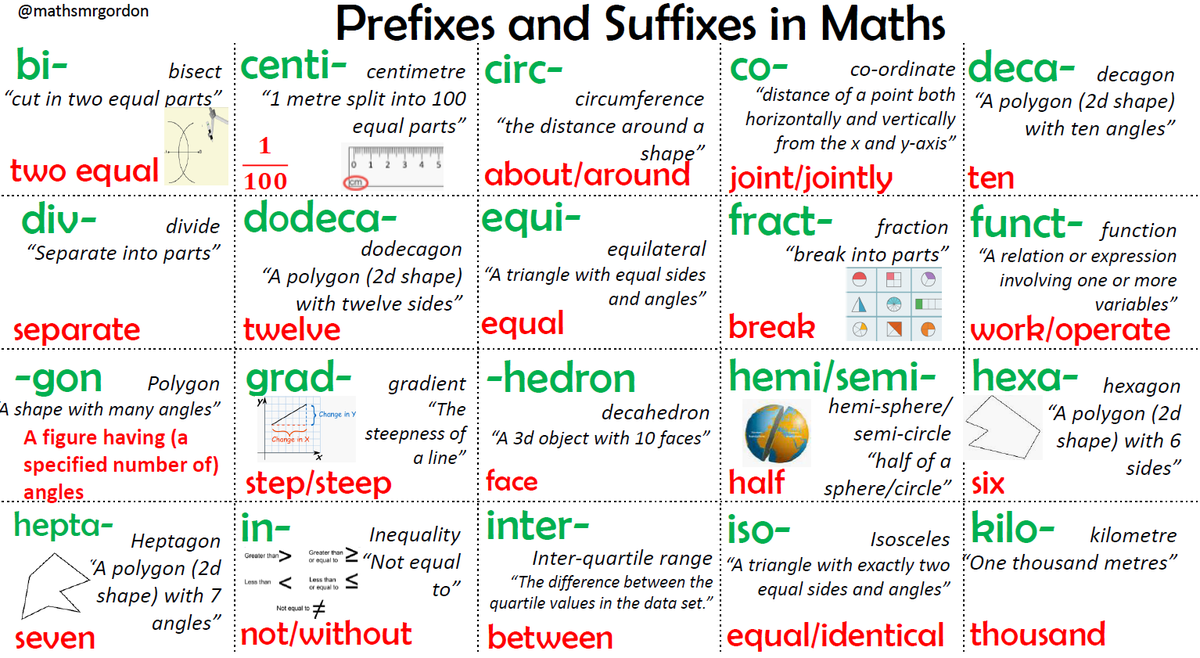
A mathematical text is generally not understandable without some prerequisite knowledge.
Prefixes and Suffixes in Maths by Ben Gordon @mathsmrgordon
I'm just showing page one below
'in-' = not/without
'iso-' = equal/identical
'-metry' = process of measuring
'-tion'= process/result of
'var-' = change
Two pages available to download here
https://t.co/vWWIUO88rh
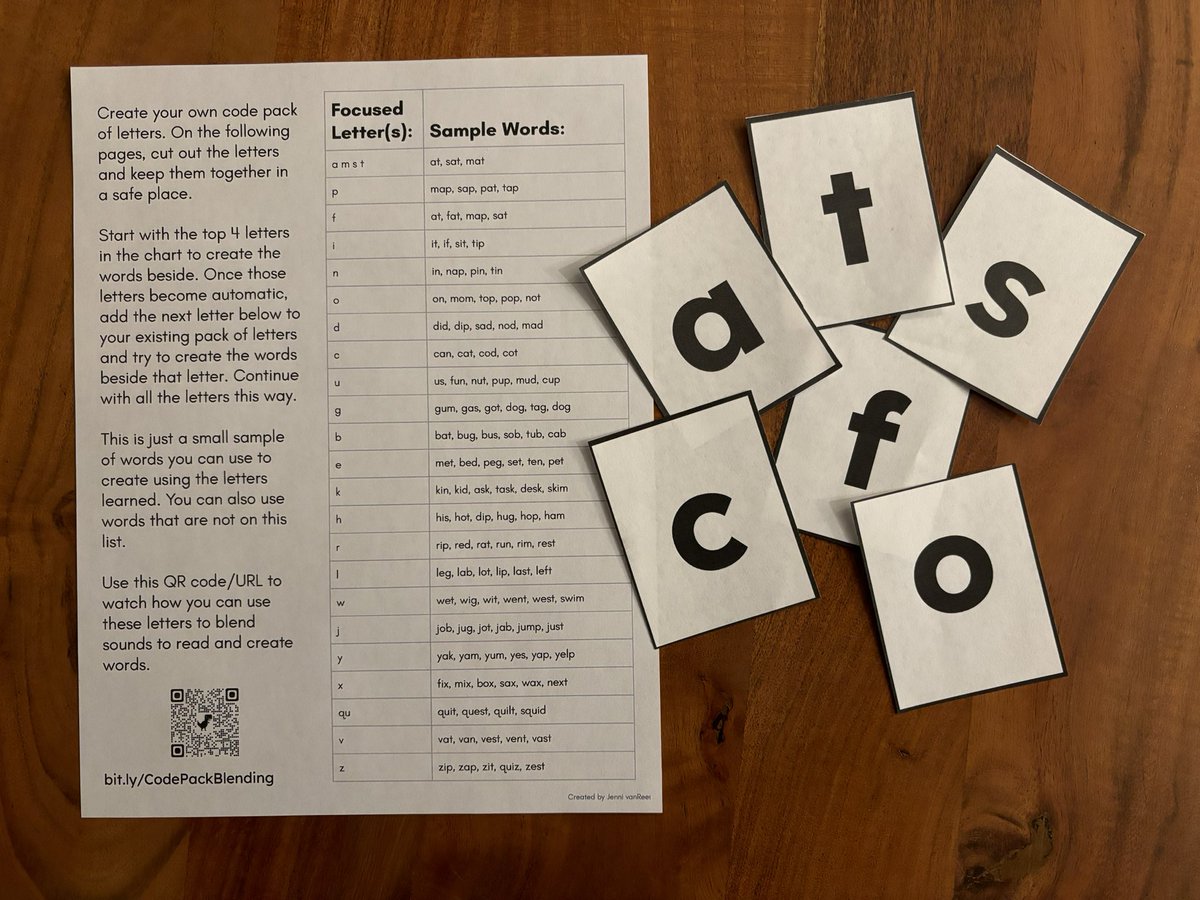
Just put together a code pack of the UFLI scope and sequence and sample words to decode and encode for some of my students (also a video to explain how to use it for families). Here’s the link if you’re interested: https://t.co/OGeh6zHvCA
School testing, without action, is like rubber-necking at the scene of an accident.
If you're not providing help, don't be surprised if people wave you to move along.
🚨Attendance intervention thread🚨
Our attendance lead uses a student success discussion (SSD) to identify any attendance issues and aim to help eradicate any issues. Done with the child and agreed actions to give them control and reviewed. Aimed to stop any concerns spiralling
October is #DyslexiaAwarenessMonth. We believe Reading Is a Right, not a privilege. Our new video sheds light on the literacy crisis—it's time to break the silence, foster understanding, and take action. Watch, share, and join us in this mission
https://t.co/Cnp0xy4XhQ
Please take advantage of this event. In-service and pre-service educators will both benefit as well as university partners focused on reimagining how we are preparing educators to win at their work. #SOR#SOL https://t.co/xoQfmgl56h