Let’s Talk Kindergarten! Letter formation is not just about neatness, it’s about building stable motor plans. Find out more here, then head to our blog post to learn more. https://t.co/jj3tJwY4oC
Let’s Talk Kindergarten! The Kindergarten program made the shift to the Kindergarten Curriculum 2026. Find out here and then head to our blog to learn more! https://t.co/K1e5daouYi
Let’s talk Kindergarten! Oral language remains central in the new Kindergarten curriculum. Listen to find out what’s changed and what we need to focus on and then head to our blog post to learn more! https://t.co/QdyJ1SsVcW
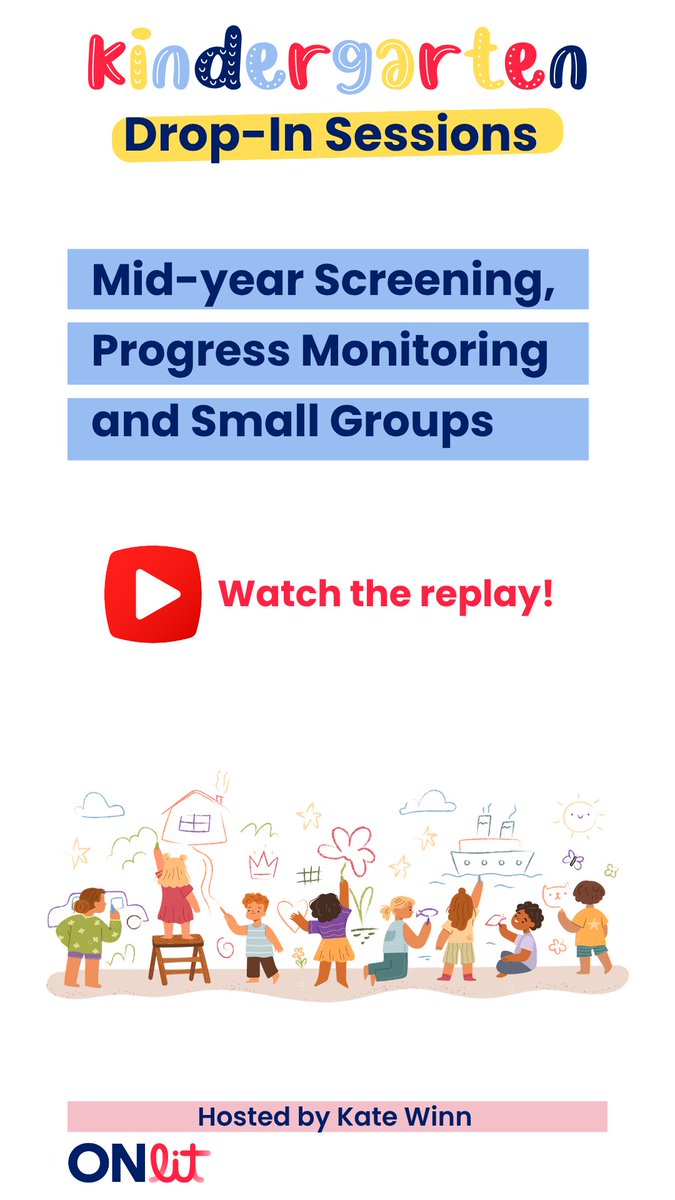
The recording of the Mid-year Screening, Progress Monitoring and Small Groups, hosted by Jenni vanRees on March 25, is now available for viewing.
Visit our website to watch it: https://t.co/ukBnQIqYRs
In honor and memory of the one and only William Van Cleave, an extraordinary human and gifted teacher, on the anniversary of his passing, I am sharing the Wakelet I created to curate just a small part of the countless contributions he made to our literacy community and to his friends far and wide.
Access here:
https://t.co/OzynpEAm7g
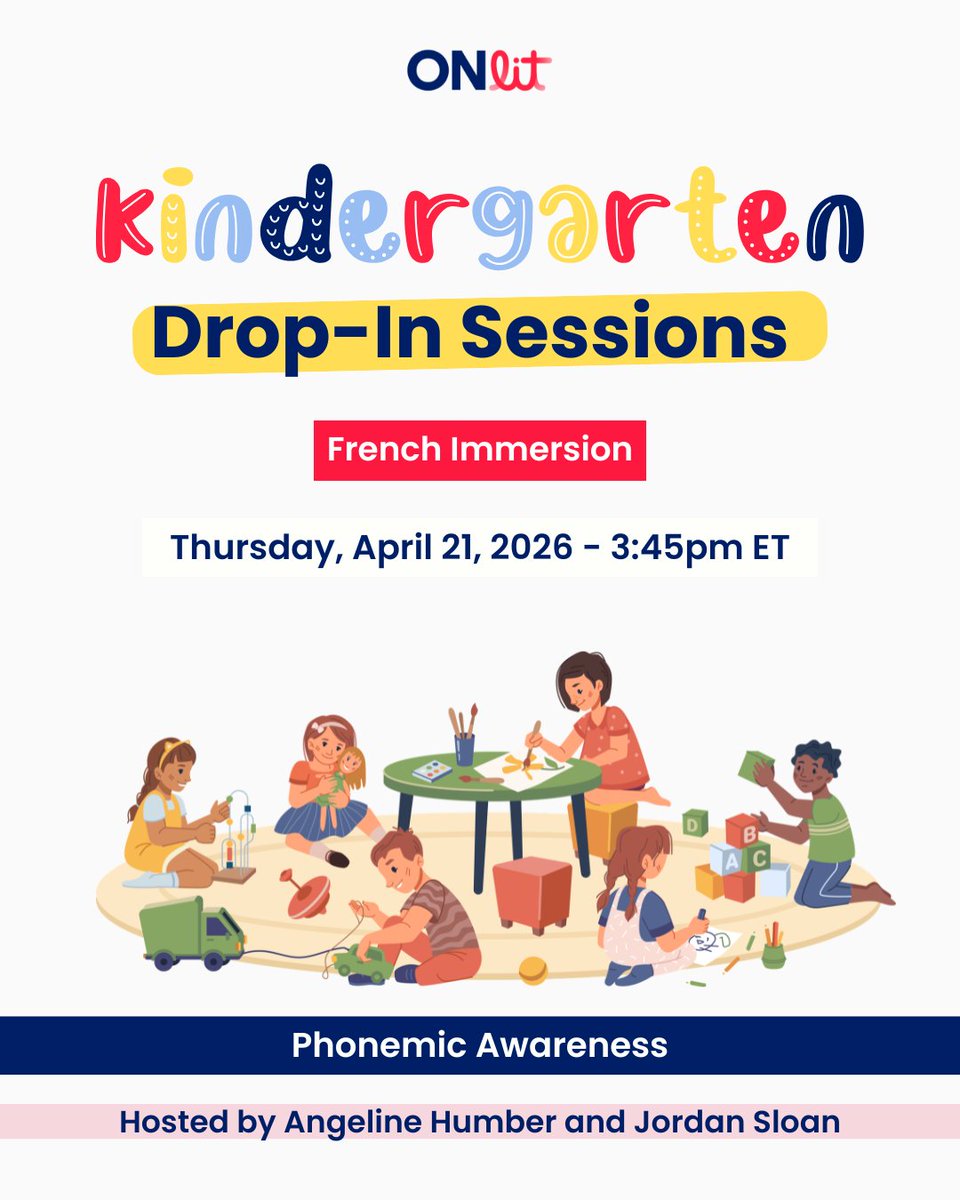
Phonemic awareness supports reading and writing in both French and English. Join ONlit’s drop-in to learn how to teach this crosslinguistic skill through playful, intentional activities across the flow of the day.
Register: https://t.co/I99c9N5tp9
It's the Easter holidays (2026), and I have two copies of Primary Reading Simplified to give away!
For your chance to win, simply retweet this tweet *or* reply below with the name of a children's book that you love.
(Or you can do both to double your chance of winning!)
Let’s Talk Kindergarten! You might be wondering why the Kindergarten program is changing in September 2026. Find out what the OHRC had to say and then head to our blog for more. https://t.co/L77WKCNJFL
Excellent podcast! @Suchmo83 can talk about linguistic phonics and escape velocity in a way all teachers can understand. Super practical podcast, worth checking out!!
Christopher @Suchmo83 really nails it with this great explainer on what often gets skipped over in discussions about “escape velocity,” “too much phonics,” and “linguistic phonics.”
And did you know he's been working on action steps for @steplab!
https://t.co/2o2SFttQV3
Christopher @Suchmo83 really nails it with this great explainer on what often gets skipped over in discussions about “escape velocity,” “too much phonics,” and “linguistic phonics.”
And did you know he's been working on action steps for @steplab!
https://t.co/2o2SFttQV3
Canadian educators - I have a school/parent council looking to purchase new dictionaries for grades 3-6 students. Any great suggestions? (Photo is what they currently have.)
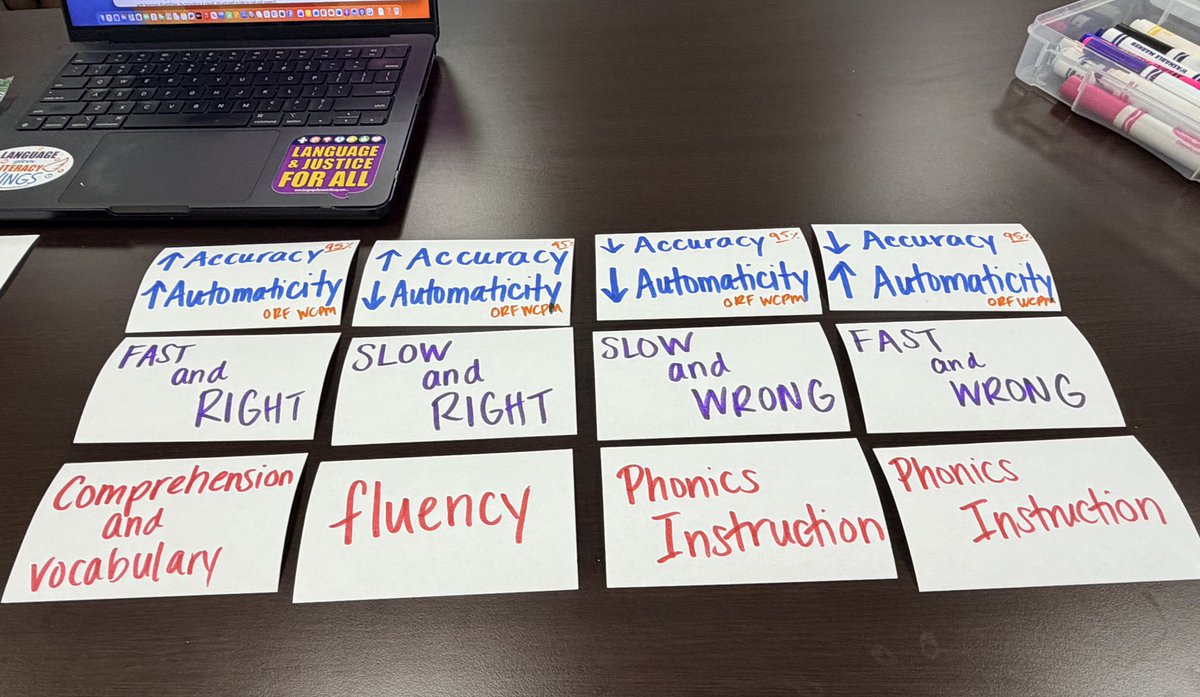
@liv2learn@IDA_Ontario I’m so bummed to miss the conference this year. Your topic is soo needed right now! More need to hear about the instructional hierarchy and how to relates to literacy! ❤️
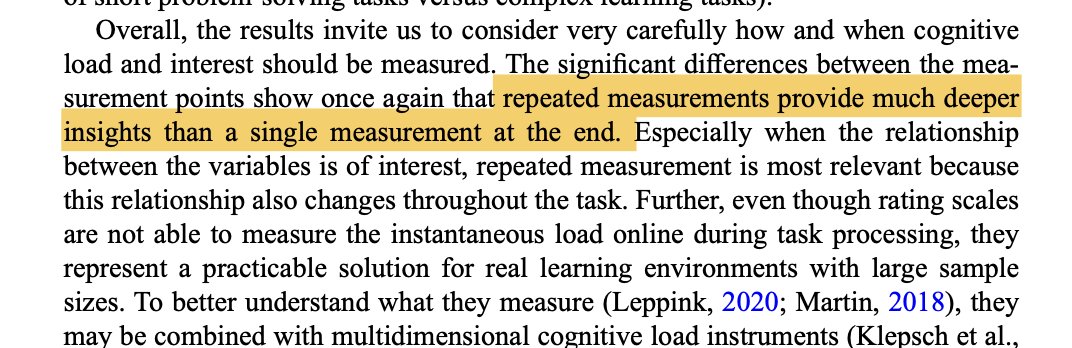
New study on cognitive load shows it's not a single, stable thing that students carry through a lesson. It rises, falls, peaks, and interacts with motivation.
To truly diagnose learning bottlenecks,teachers should check for understanding and difficulty during the specific moments when new or complex content is introduced.
This *might* mean exit tickets are an innacurate measure: students rewrite the history of the lesson based on the peak intensity or the ending, often ignoring the struggle in the middle.
Essentially, the mean value of cognitive load across a task is a poor representation of the learner's actual experience.
https://t.co/FQ2Br7icGq
This idea sits at the center of strong language comprehension instruction. When students build background knowledge, vocabulary, and syntax, they don’t just understand this text better—they’re better prepared for the next one too. 📚
Listen 🎙️ https://t.co/RarmXW4DZS