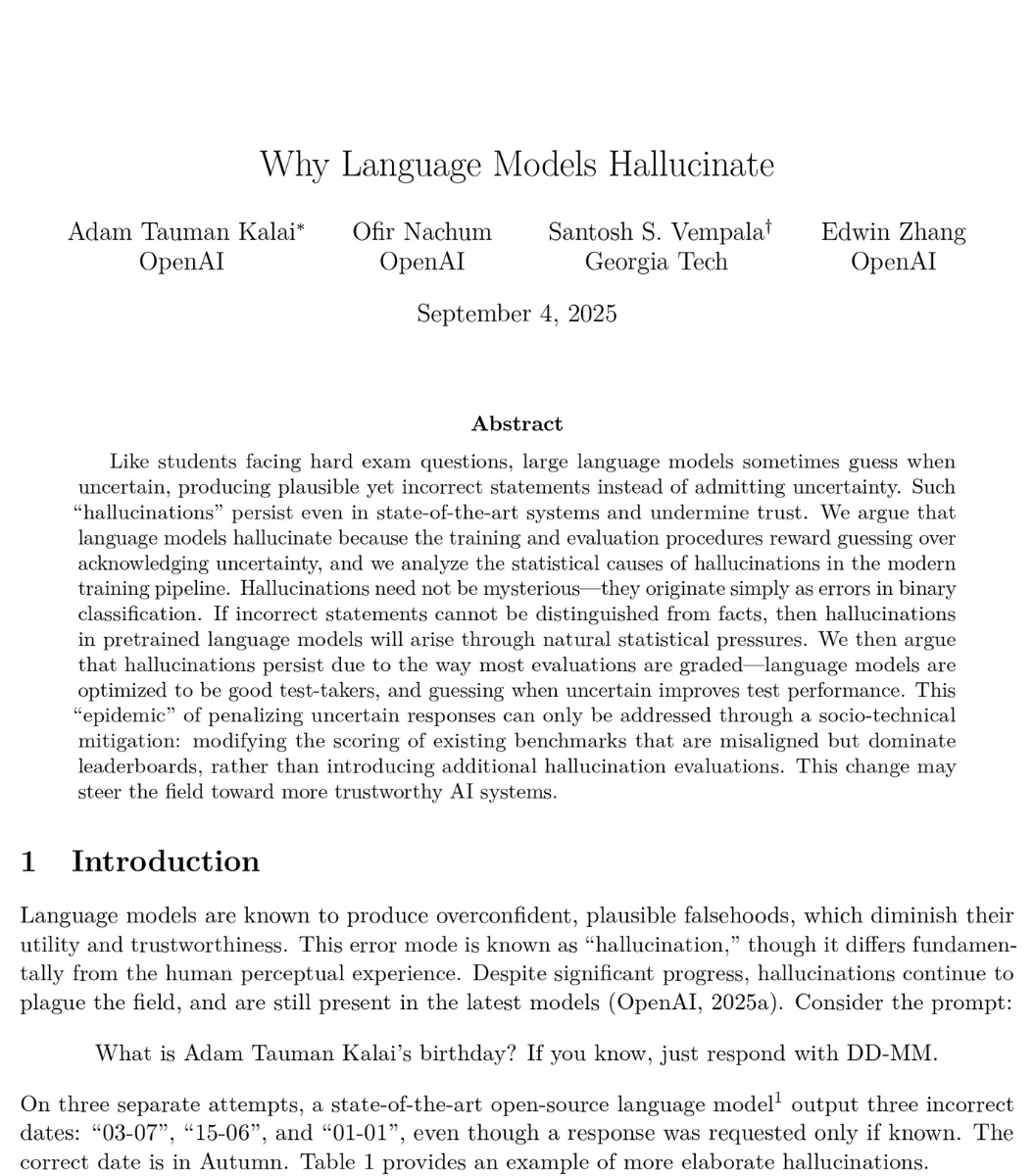
🚨BREAKING: OpenAI published a paper proving that ChatGPT will always make things up.
Not sometimes. Not until the next update. Always. They proved it with math.
Even with perfect training data and unlimited computing power, AI models will still confidently tell you things that are completely false. This isn't a bug they're working on. It's baked into how these systems work at a fundamental level.
And their own numbers are brutal. OpenAI's o1 reasoning model hallucinates 16% of the time. Their newer o3 model? 33%. Their newest o4-mini? 48%. Nearly half of what their most recent model tells you could be fabricated. The "smarter" models are actually getting worse at telling the truth.
Here's why it can't be fixed. Language models work by predicting the next word based on probability. When they hit something uncertain, they don't pause. They don't flag it. They guess. And they guess with complete confidence, because that's exactly what they were trained to do.
The researchers looked at the 10 biggest AI benchmarks used to measure how good these models are. 9 out of 10 give the same score for saying "I don't know" as for giving a completely wrong answer: zero points. The entire testing system literally punishes honesty and rewards guessing.
So the AI learned the optimal strategy: always guess. Never admit uncertainty. Sound confident even when you're making it up.
OpenAI's proposed fix? Have ChatGPT say "I don't know" when it's unsure. Their own math shows this would mean roughly 30% of your questions get no answer. Imagine asking ChatGPT something three times out of ten and getting "I'm not confident enough to respond." Users would leave overnight. So the fix exists, but it would kill the product.
This isn't just OpenAI's problem. DeepMind and Tsinghua University independently reached the same conclusion. Three of the world's top AI labs, working separately, all agree: this is permanent.
Every time ChatGPT gives you an answer, ask yourself: is this real, or is it just a confident guess?
My real game:
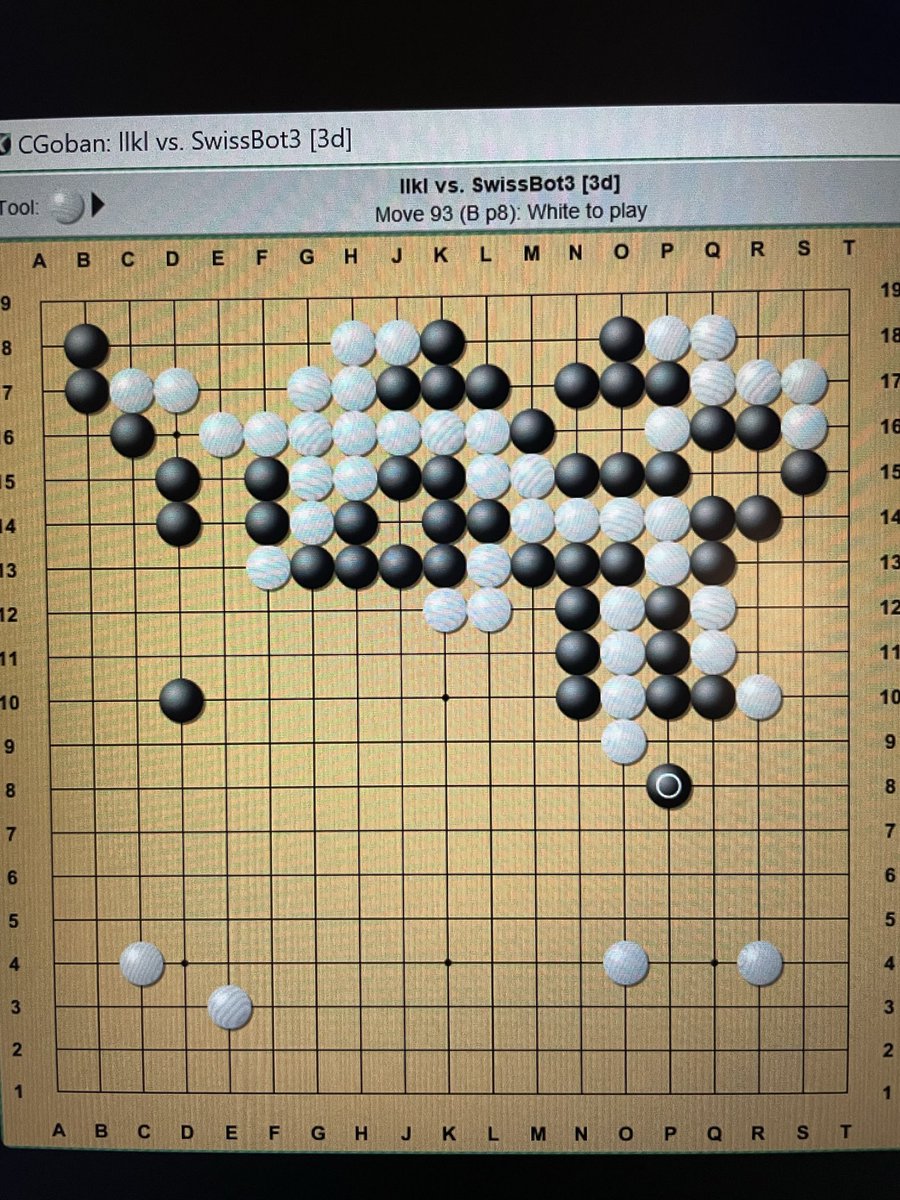
Pic 1: White’s not alive yet at left side. I thought for 5 minutes.
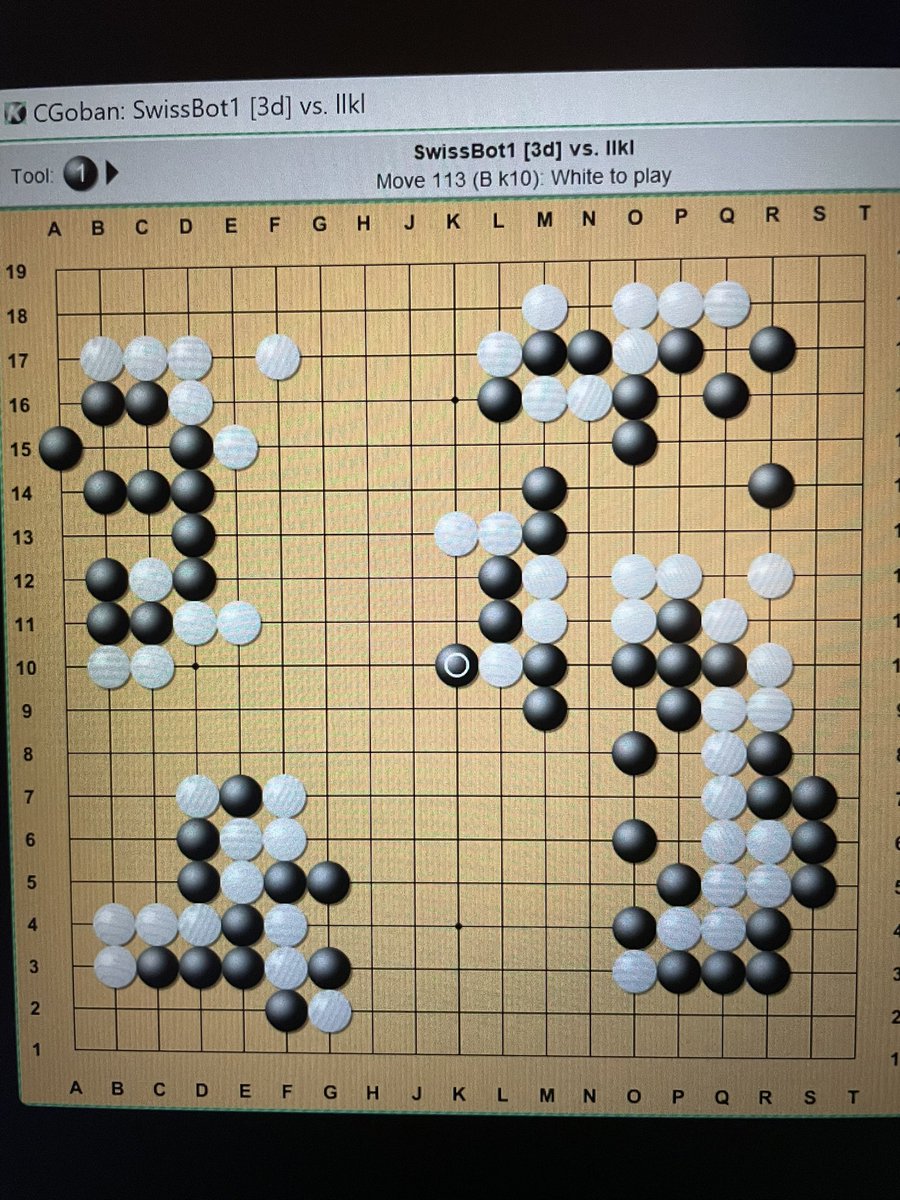
Pic 2: I came up with the famous Lee Sedol move against AlphaGo😆
After the game I found there’s another way to live, but this move is the coolest and also most efficient way
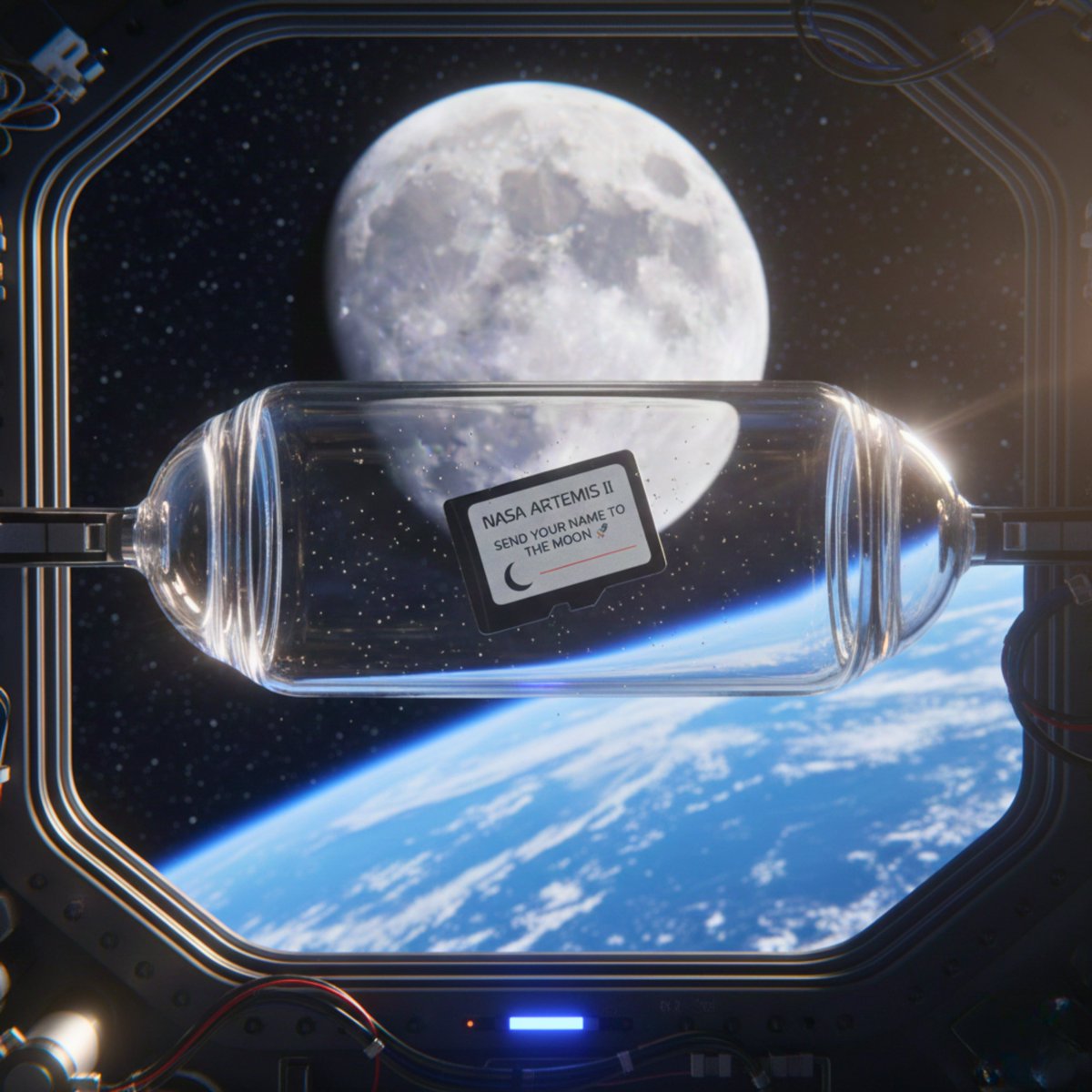
NEWS 🚨: NASA is allowing anyone to send their name around the Moon aboard the Artemis II mission!
All names will be stored on an SD card and placed inside the Orion spacecraft, the agency says
Last day to submit your name is Jan. 21 🗓️🌕
A 4-storey, 20,000 sf building in Yaletown will be Foundry's new mental health & addictions care hub for downtown Vancouver.
The former Perkins&Will office.
Made possible by a $13.8-million building gift to St. Paul's Foundation. #vanpoli#vancre#vanre
https://t.co/jFM5ngChMQ
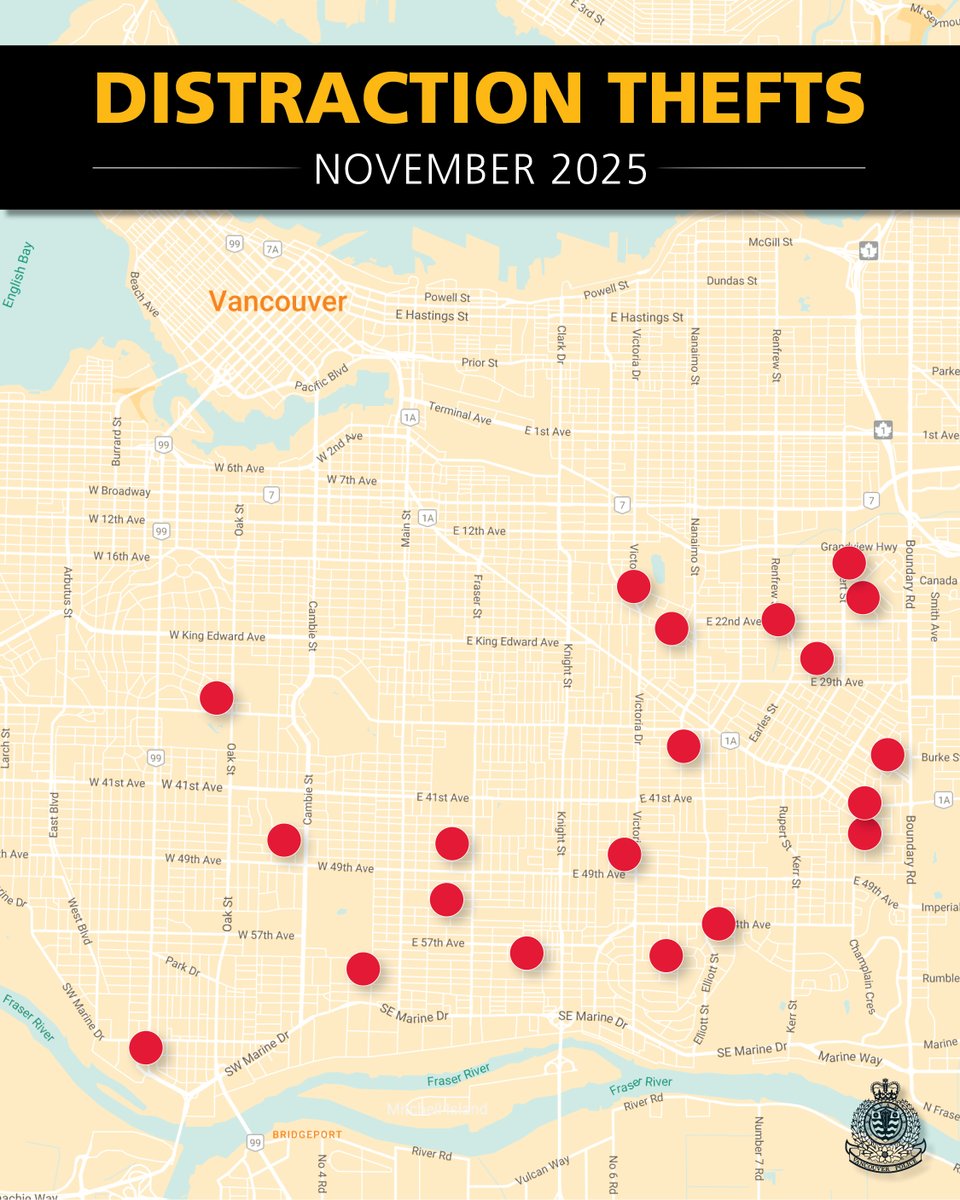
#VPDNews: Vancouver Police are once again encouraging residents to be vigilant, following a spike in distraction thefts across the city’s east side.
In November alone, there were 20 reported incidents in Vancouver, with 16 occurring in East Vancouver. The 20 cases mark a 122 per cent increase, compared to November 2024.
“These thieves may appear friendly, but in reality, they are persuasive, deceitful, and prey on our elderly and vulnerable population,” says Constable Darren Wong.
“If you have elderly loved ones and neighbours, they may be at risk for distraction theft. We can do our part to protect them by reaching out and discussing prevention tactics.”
Tips:
➡️ Keep your valuables concealed underneath your clothing
➡️ Don’t let strangers into your personal space
➡️ If you feel like you are being targeted by a thief, make noise to attract attention
Distraction thefts occur when thieves approach unsuspecting people – often seniors – in public places and use sleight of hand techniques to steal their valuables. Typically, a thief will approach a stranger and offer a piece of fake jewelry, such a ring, a necklace, or a bracelet. They overwhelm the victim by invading their personal space, placing the fake jewelry on them, and simultaneously removing the victim’s valuables without them knowing.
“These thieves are fast -- they distract their victims, then leave as quickly as they arrived,” adds Constable Wong. “Often, people don’t even realize they’ve been scammed until much later, when they notice their valuables are missing. By that time, the thieves have moved on to another victim.”
Nineteen out of 20 incidents in November happened in close proximity to a victim’s residence, as they were standing near their homes or out for a walk.
Vancouver Police remind all residents to remain vigilant and to immediately report all distraction thefts to police.
Crimes in progress can be reported to 9-1-1.
More information on distraction theft: https://t.co/2Hvakfxy5G
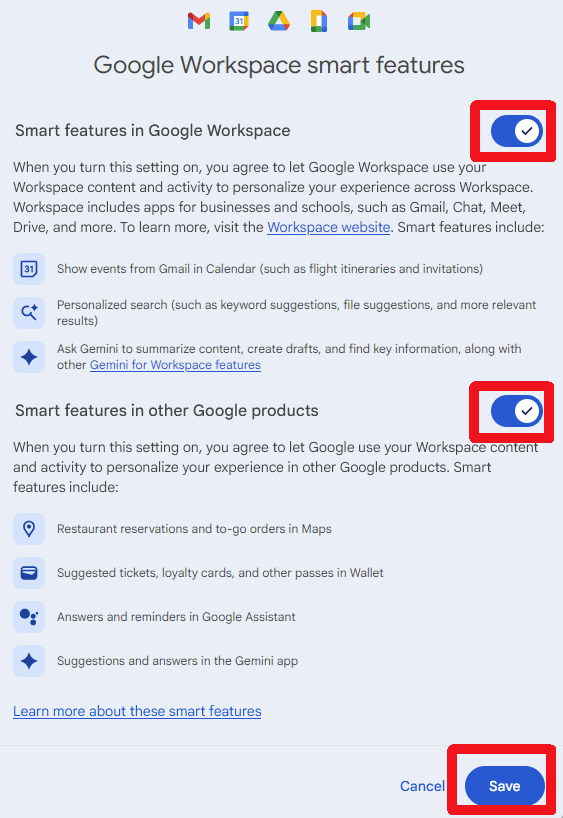
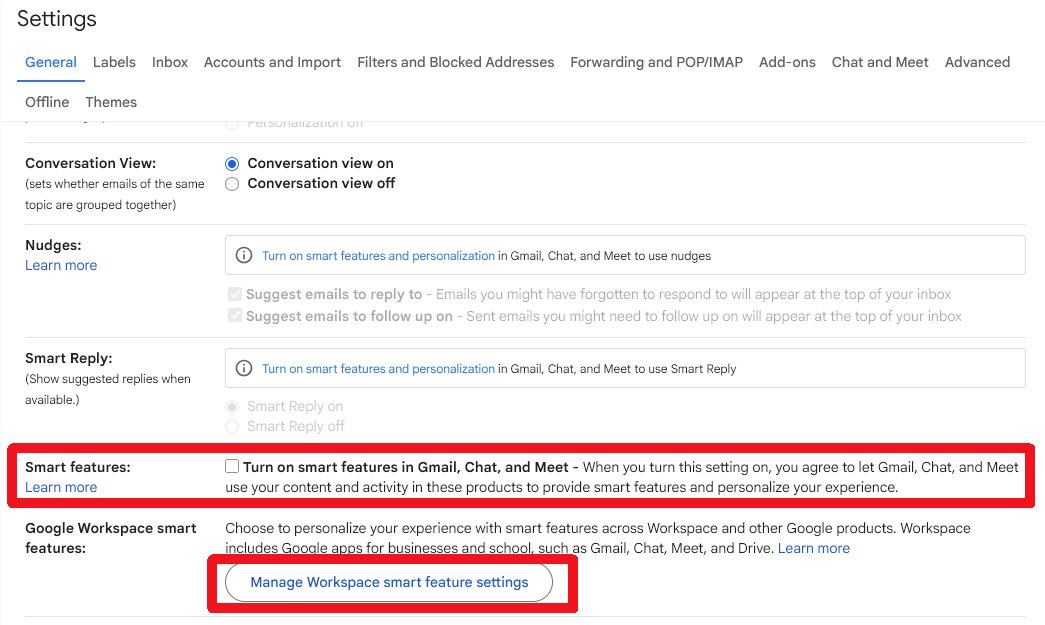
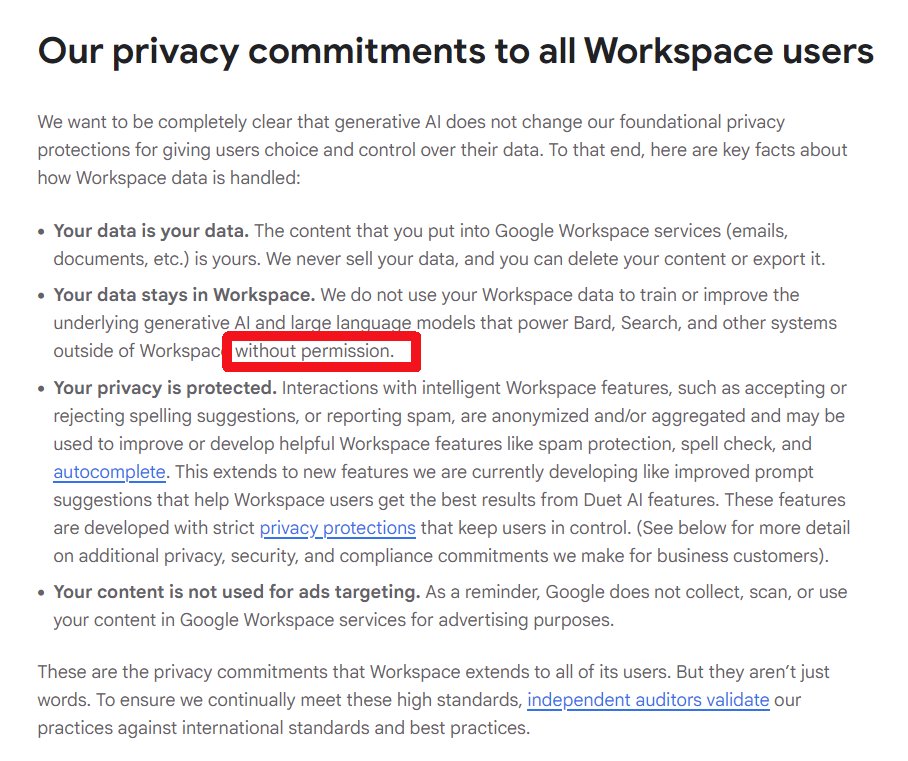
IMPORTANT message for everyone using Gmail.
You have been automatically OPTED IN to allow Gmail to access all your private messages & attachments to train AI models.
You have to manually turn off Smart Features in the Setting menu in TWO locations.
Retweet so every is aware.
1/16
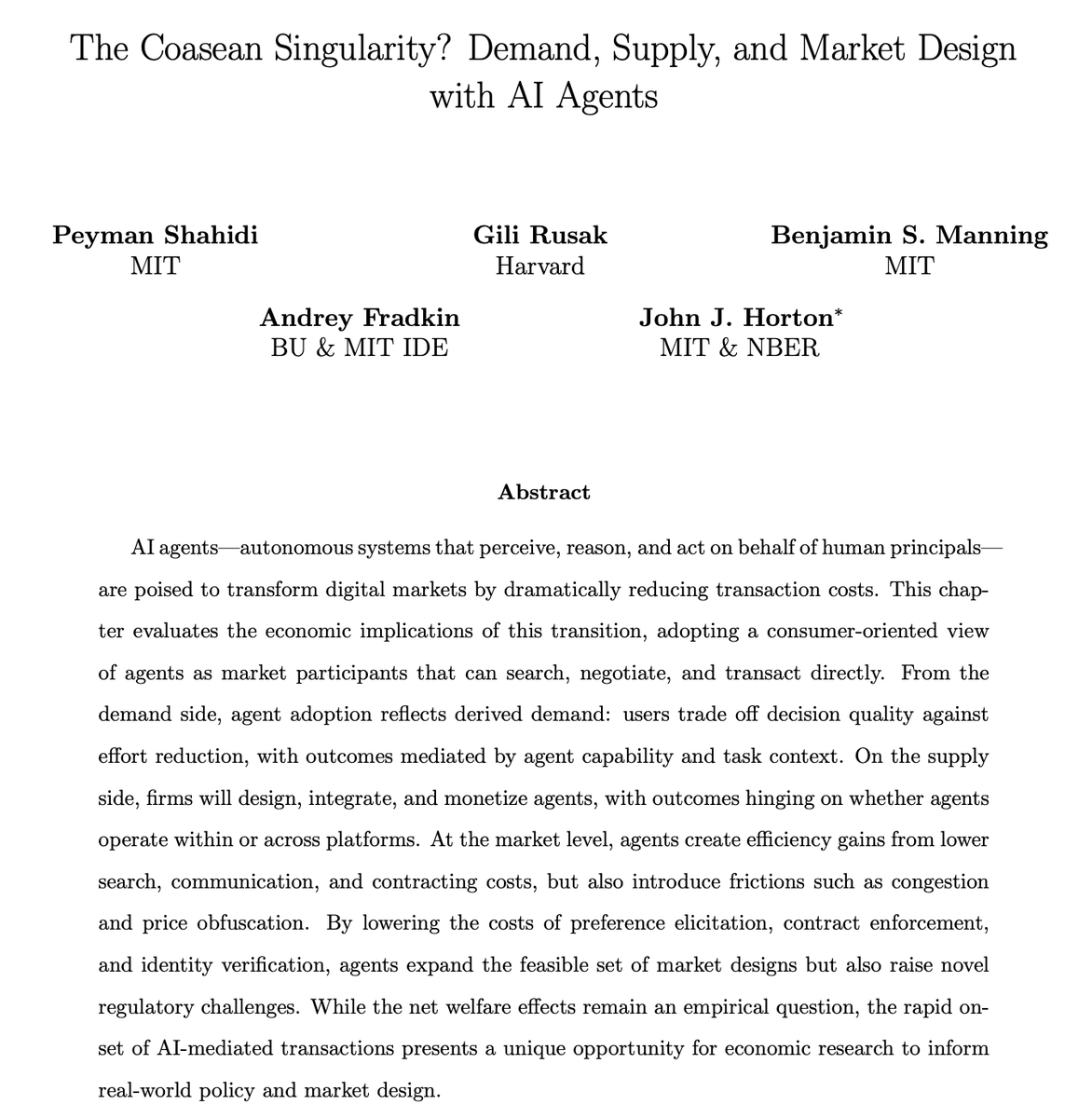
I just fell down a rabbit hole reading a new paper from economists at MIT & Harvard.
Their prediction is wild: We're on the verge of a "Coasean Singularity"—a future where AI agents make markets so efficient that the very idea of a 'company' starts to crumble. 🤯
A thread 👇
2/16
First, a quick 101: Why do companies even exist?
A Nobel-winning economist named Ronald Coase answered this in 1937. He said companies exist because using the open market is a pain.
Finding sellers, negotiating prices, writing contracts… it’s all “transaction cost.” Economic friction.
3/16
It's often easier and cheaper for a firm to just hire people and organize them internally than to deal with that constant market friction.
This friction is also where we, as consumers, lose. We're tired, we're biased, and we don't have time to compare every cell phone plan or read every review for a toaster.
Companies know this.
4/16
Now, enter the AI Agent.
And I don't mean a simple chatbot. The paper describes an autonomous system that acts on your behalf.
Think of it as your own personal, tireless, super-rational economist. It’s immune to marketing tricks and its only goal is to get the best outcome for YOU.
5/16
This is where the "Singularity" happens.
When everyone has an AI agent, those transaction costs that Coase talked about basically drop to zero.
The "friction" that made companies necessary in the first place? It evaporates.
And if the reason for something disappears… so does the thing itself.
6/16
But what does this future actually look like? This is where it gets weird.
Let's take shopping.
Your agent doesn't just browse Amazon. It might contact a manufacturer in another country directly, find 500 other agents whose users want the same thing, negotiate a bulk price, and arrange shipping.
All in milliseconds. The "storefront" becomes irrelevant.
7/16
Or think about hiring.
Instead of you endlessly scrolling LinkedIn, your agent scans the entire market for opportunities. It negotiates salary, benefits, and remote work policies with the company's agent.
You only get involved for the final human-to-human interview. No more cover letter hell.
8/16
But this discovery comes with a huge catch. The paper outlines a fundamental battle for the future of AI:
Will your agent be a "Bring-Your-Own" (BYO) agent that works only for you, across all platforms?
Or will it be a "Bowling-Shoe" agent, provided by the platform (like Amazon or Google), whose priorities might be... conflicted?
9/16
The "Bowling-Shoe" agent is convenient, but it might steer you toward the platform's own products.
The "BYO" agent is loyal to you, but platforms might try to block it or throttle its access.
This tension between user autonomy and platform control will define the next decade of the internet.
10/16
And that's not even the most interesting part. This new world creates bizarre new problems.
Problem #1: Agent Congestion.
What happens when millions of agents can create a perfect, customized resumé and apply for a single job in a nanosecond?
Employers get flooded. The signal is lost in the noise.
11/16
The paper predicts that to solve this, platforms will have to re-introduce friction.
Imagine having to pay a small fee for your agent to submit a job application, just to prove you're serious.
Costless actions will lose their meaning.
12/16
Problem #2: The Identity Crisis.
In a world full of bots, how do you prove you're a unique human? How does a company know it's not negotiating with 1,000 agents all controlled by one person trying to manipulate the market?
This is the "Sybil Attack" problem, and it's a big one.
13/16
This will lead to a boom in "proof-of-personhood" technologies. Systems that cryptographically verify you are one person, without revealing your personal data.
It sounds like sci-fi, but it'll be the essential plumbing for a world of AI agents.
14/16
Here's a new lens to see the world through:
Next time you use Uber (matching drivers/riders), Zillow (matching buyers/sellers), or Upwork (matching clients/freelancers)...
Don't just see an app. See it as a clunky, early prototype for the agent-driven markets of the future.
15/16
This isn't just about better shopping bots or smarter assistants.
It's a potential rewiring of our entire economy, away from the 20th-century model of the centralized firm and toward a 21st-century model of fluid, hyper-efficient, agent-mediated markets.
16/16
The 20th century was defined by the rise of the corporation.
The 21st may be defined by its slow, quiet dissolution.
This might be the most disturbing AI paper of 2025 ☠️
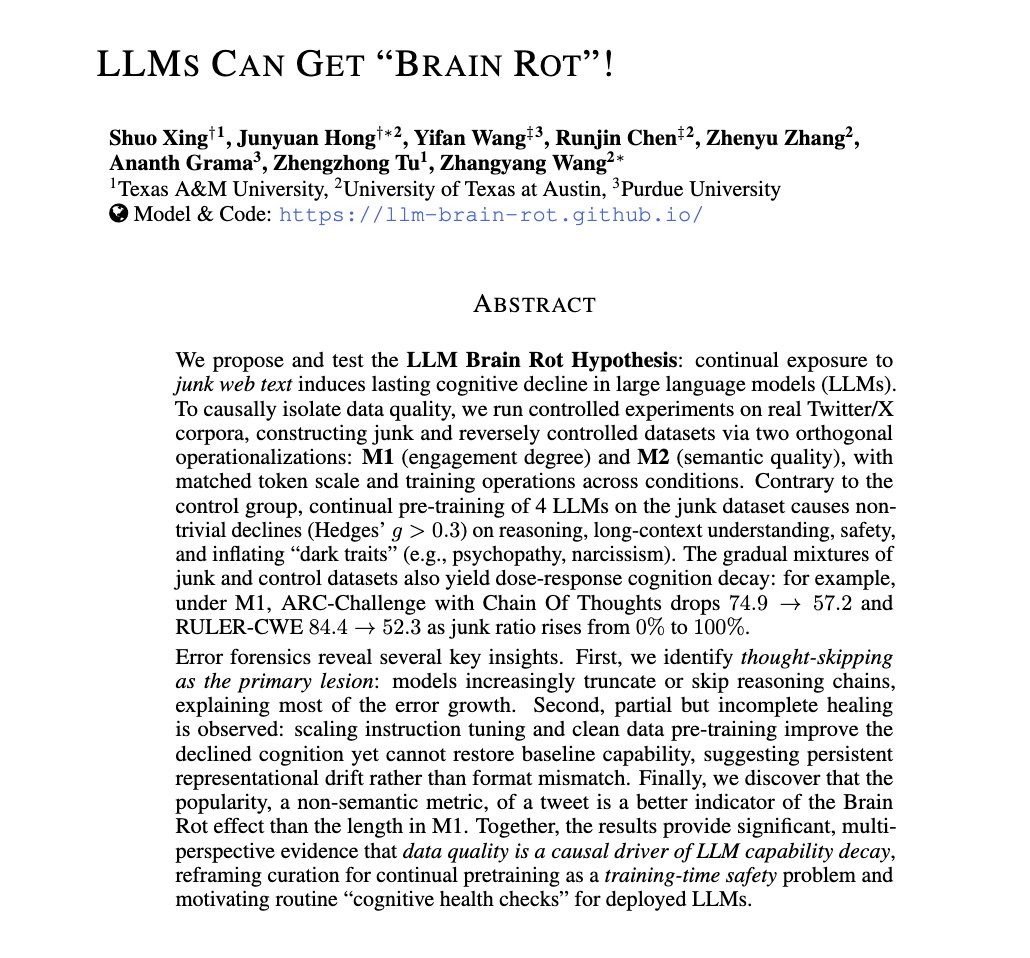
Scientists just proved that large language models can literally rot their own brains the same way humans get brain rot from scrolling junk content online.
They fed models months of viral Twitter data short, high-engagement posts and watched their cognition collapse:
- Reasoning fell by 23%
- Long-context memory dropped 30%
- Personality tests showed spikes in narcissism & psychopathy
And get this even after retraining on clean, high-quality data, the damage didn’t fully heal.
The representational “rot” persisted.
It’s not just bad data → bad output.
It’s bad data → permanent cognitive drift.
The AI equivalent of doomscrolling is real. And it’s already happening.
Full study: llm-brain-rot. github. io
An entirely new way to measure time has been discovered thanks to quantum physicists studying strange patterns inside atoms. In a recent study from Uppsala University, researchers found a method of telling time that doesn’t rely on a ticking clock or a clear starting point. Instead, it uses the natural patterns created by energized atoms, specifically, helium atoms pumped into extreme energy states known as Rydberg states.
These atoms behave very differently at the quantum level, where electrons don’t move in predictable paths but follow odd, wave-like behavior. When electrons are nudged into these Rydberg states with lasers, their movements form patterns known as Rydberg wave packets.
These wave packets can interfere with one another, like ripples crossing in a pond, creating complex patterns that change over time. It turns out that these interference patterns act like fingerprints, and each one matches a specific moment in time.
What makes this remarkable is that you don’t need a clear “start” to track how much time has passed. Instead, you can look at the pattern itself and identify exactly where in time you are, kind of like being able to tell how far into a song you are just by hearing a few notes.
Question 5 (first picture in this tweet): Is black alive or dead at left side?
Question 6 (second picture in this tweet): White played 1, hoping to cut black, and black played this sequence. What should be the next move for white?
So 6 questions in total, enjoy! 😉
Police say the posters are written in simplified Chinese and advertise supposed jobs in fields like house-sitting, caregiving, and packaging. https://t.co/lpVXhrqgpM
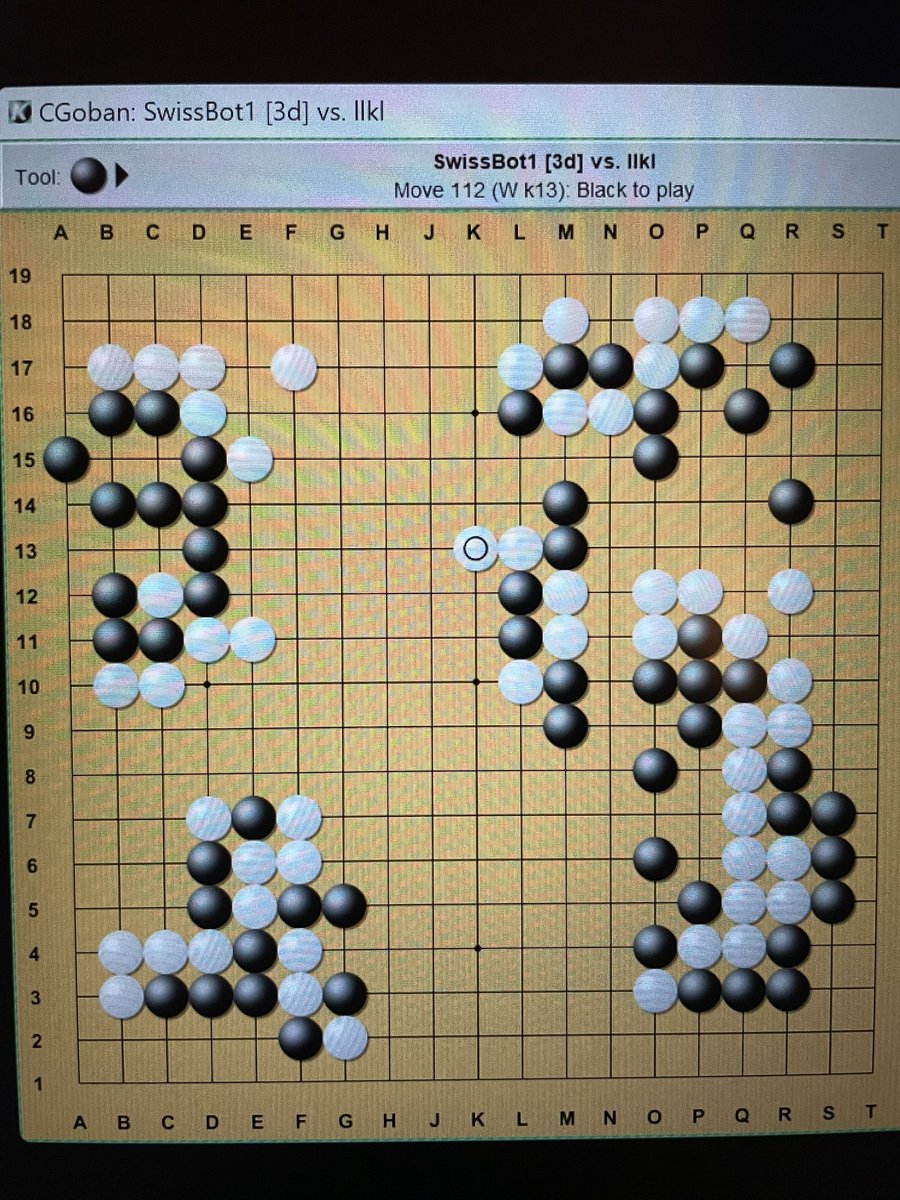
This is my first Go post, let’s see how much attention this will get☺️
This is from a game I played today. White just played K13, where should black play next, and why?
The Tsunami Advisory continues for Notification Zones A, B, C & D. Waves of less than 1ft (0.3m) are expected to reach #Tofino at 23:30 PDT. As waves reach the #BC coast, expect multiple waves over time. Stay out of coastal waters & away from beaches & harbors. More info: https://t.co/HarPMOqXk0 #BCTsunami