Do you know what's really effing fun?
Sticking people who do the retention calls in a room, with a white board, and lots of GOOD food and drink, and getting them to list all the stuff they CONSTANTLY hear but have stopped bothering to report up the chain.
There's this odd thing where companies with a trust problem start to treat retention as a normalised process. And a 'good' retention rate as an indicator of success.
It isn't.
It means you have growing trust issues with your userbase and are DELAYING your issue, not fixing it.
But the BIGGEST sign you are at risk of hitting your Truth Thermocline, if you are a relatively large company, is this:
Do you have a customer retention process? Do you have a sales retention TEAM? Do you have a customer retention DEPARTMENT?
Alarm bells.
Okay, so a few people have asked how you spot the where your Trust Thermocline is, and how to avoid hitting it. I'll give you the same answer I give senior execs:
I don't know.
But the people working on the ground level in the customer-facing sections of your company do. /1
Classic examples of this behaviour are digital subscription services, where the product gets squeezed over time, or print magazines (particularly in B2B) that constantly ramp up their prices a little bit each year until it's too late.
So why does this happen? As I explain to these people and places, it's because they breached the Trust Thermocline.
I ask them if they'd been increasing prices. Changed service offerings. Modified the product.
The answer is normally: "yes, but not much. And everyone still paid"
One of the things I occasionally get paid to do by companies/execs is to tell them why everything seemed to SUDDENLY go wrong, and subs/readers dropped like a stone.
So, with everything going on at Twitter rn, time for a thread about the Trust Thermocline /1
@tomwarren The beauty of this is each account that gets verified paid $8. Twitter keeps the money and suspends the account.
It’s genius and I hope more folks do this. It’s free money for Twitter.
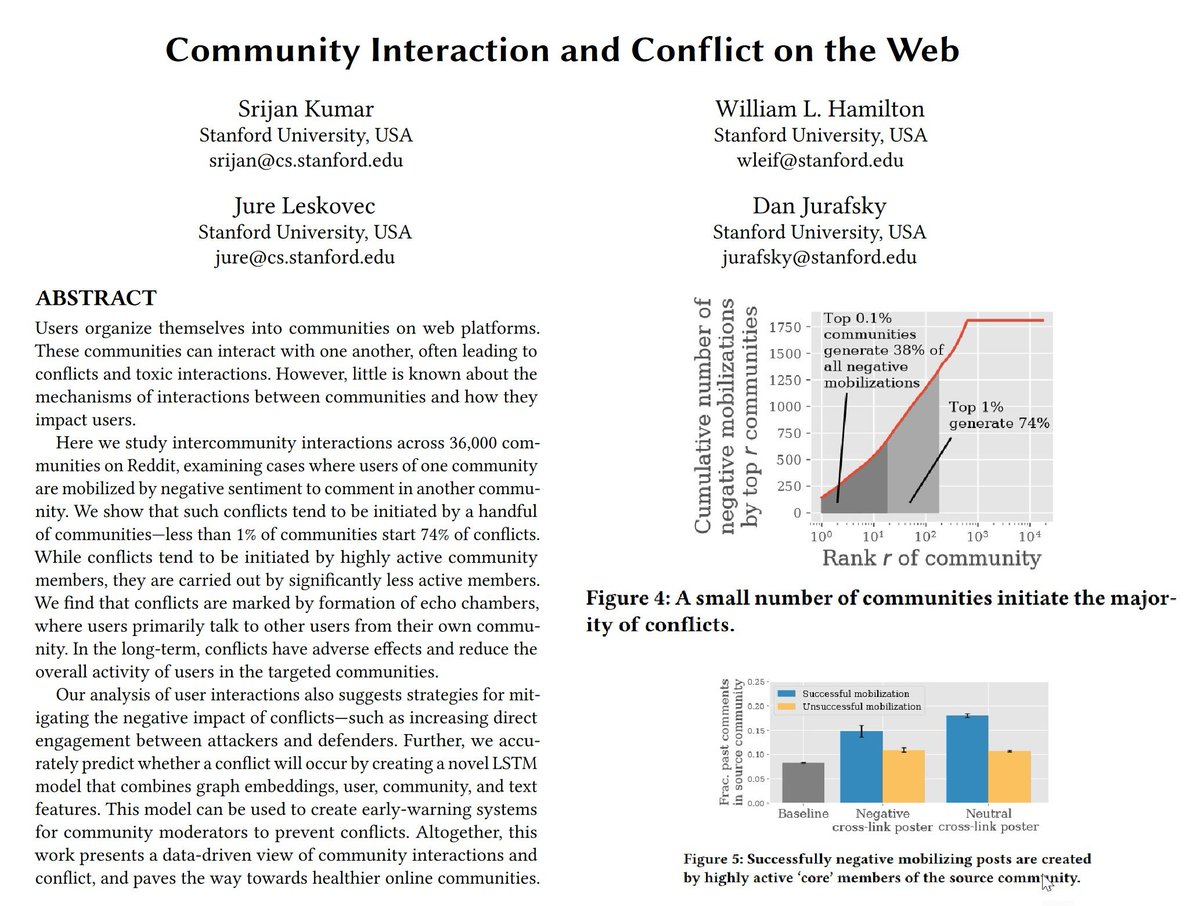
As Twitter is getting new leaders, reminder that moderation is vital:
1) A few trolls ruin everything: Just 0.1% of all Reddits make 38% of attacks on others
2) Short well-explained bans for 1st offenses, followed by perma-bans, work well
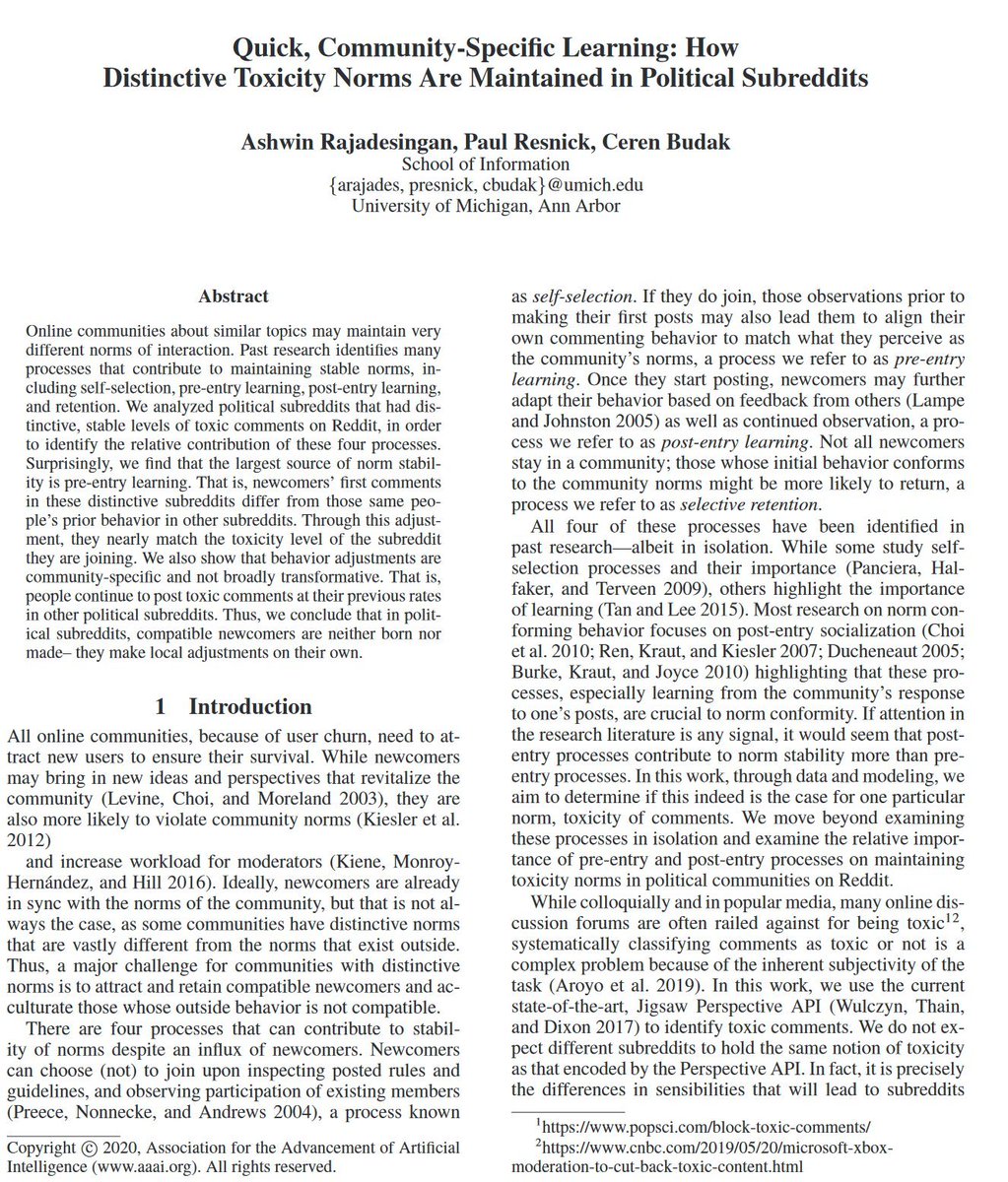
3) Toxic communities turn new users toxic
Now that more companies are doing (and will be doing) layoffs: it's a good reminder that many leaders underestimate the *real* impact of layoffs. Consistently.
Speaking myself, Uber's layoffs in spring/summer of 2020 was the direct trigger for me to decide it was time to leave.
"LinkedIn v. HiQ and the trans-Atlantic privacy divide." Read my take on this week's dramatic court decision. Tl;dr In Europe, you're only allowed to do what the law expressly permits; in the US, you can do anything the law doesn't prohibit. https://t.co/WhnzwrHwqI
1/ Every [fintech, crypto, marketplace, vertical SaaS] co is faced with a hard trade-off: let your newly recruited customers transact right away (great experience!), but accept potentially crippling financial risks:
Inspired me to look up the same numbers.
For Coinbase, Q1 2019 was 30% outside the Bay Area, and last quarter (Q4 2021) was 89% outside the Bay Area.
Tech is definitely decentralizing. Silicon Valley is now in the cloud.
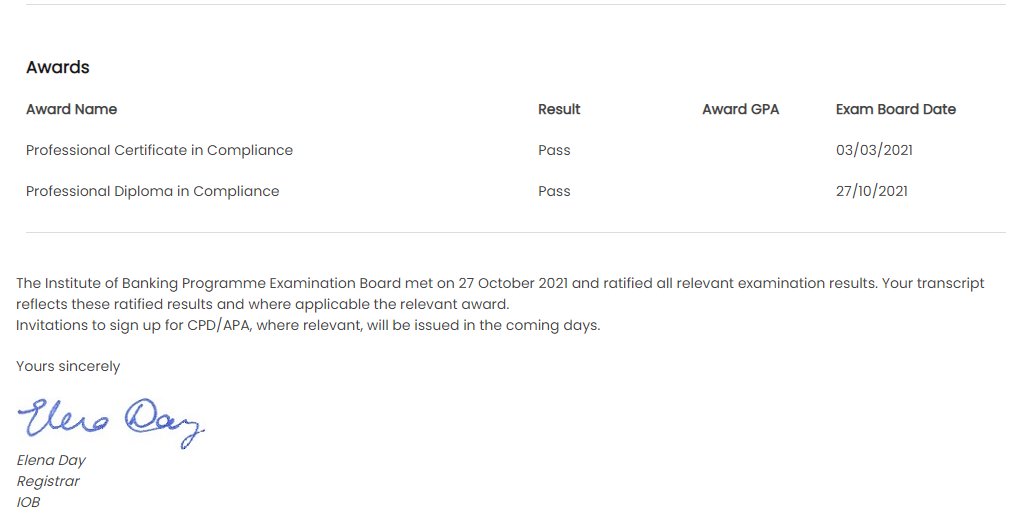
Delighted to have received the official ratified transcript from @iobLearn - I got the Diploma in Compliance and am eligible to use the LCOI designation. @ACOIrl
In New York, you will soon be able to exchange checks for gift cards at the Post Office https://t.co/r6x604oXUy
No wonder The Economist called the American payment system "bafflingly archaic".