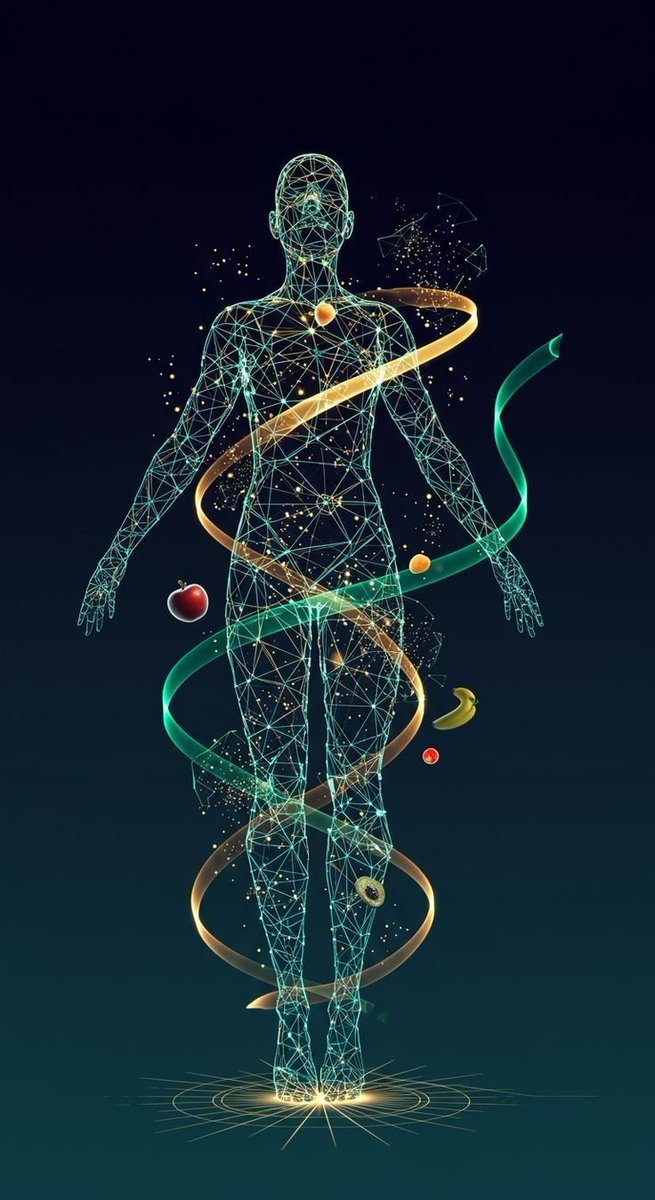
🚨: A 72-hour prolonged fasting can activate a profound process of regeneration of the immune system ─ FASTING 72 HOURS COULD "RESET" YOUR IMMUNE SYSTEM, research reveals
Fler bolag borde parkera hela eller delar av sin kassa i $STRC
Helt likvid.
Minimal kursrisk då den månadsjusteras
Månadsutdelning
Ca 10% årsränta
Prioriterad vid kk (bolagets BTC är säkerhet)
10% ränta på sina cash. Svårslaget
Two landmark studies, encompassing 8.7 MILLION people, found that COVID-19 “vaccines” increase your risk of SEVEN major cancers:
Prostate: +69%
Breast: +54%
Bladder: +62%
Lung: +53%
Thyroid: +35%
Gastric: +34%
Colorectal: +35%
All explained by mRNA’s 17 oncogenic mechanisms.
This clip always cracks me up. This was a classic interview and Mike was not fucking with Oprah’s ass!!!🤣🤣🤣🤣👊🏾
21 savage Mike is my favorite 🙌🏾😂😂😂
#classic#MondayVibes#heknew
Questions You Should Ask Your AI:
1. What is an Egyptian pyramid doing on a US dollar bill?
2. Why did 56 countries sign a treaty not to take risks and enter Antarctica?
3. Why do planes never fly over Antarctica?
4. How did NASA "lose" the photos of the moon landing, one of the most important moments for humanity?
5. If Neil Armstrong was the first to walk on the moon, who held the camera?
6. Why haven't we gone back to the moon?
7. If monkeys evolved into humans, why are there still monkeys?
8. Why does 95% of our DNA exist as "junk"? Who decided it was actually "garbage"?
9. How were huge, symmetrical, detailed, sacred, and geometrically regular structures such as cathedrals and parliamentary buildings created by people who lived in log cabins, rode horse-drawn carriages, and had no machines or lasers?
10. How is it that similar pre-Columbian architecture is found all over the world?
11. Why are there images in ancient Egyptian art that resemble "spaceships"?
12. Why were remains and images of giant people found? And why do different ancient scriptures from various cultures, including the Bible, talk about giants?
13. Why are there images of mushrooms in ancient Christian art? And why does the Pope dress up like a giant Amanita muscaria mushroom?
14. Why do ancient Egyptian artworks show jaws, and is it a coincidence that the pineal gland resembles jaws?
15. Why are there descriptions of dragons all over the world and in different cultures, thousands of years apart, and also mentioned in the Bible?
16. Why is there so much blatant satanic symbolism in the music and entertainment industry?
17. Why do most video games revolve around killing?
18. How is it possible that movies and cartoons like The Simpsons can predict certain cultural events so accurately?
19. How do forest fires melt cars but leave trees intact?
20. What is the national debt? If there is a borrower, there must also be a lender: who is it?
21. How is it that the so-called "national debt" has increased despite tax increases? Where does the taxpayer's money go?
22. Why is alcohol and tobacco poisoning considered "normal" and referred to simply as "drinking" and "smoking"?
23. Why are alcohol
and tobacco shown in almost all shows and movies?
24. How do news presenters around the world and on various channels say and repeat the same script word for word?
25. If we are more progressive and informed than ever before, why do we have the highest rates of obesity, cancer, and heart disease, not to mention depression?
Feel free to contribute any additional questions you may have.
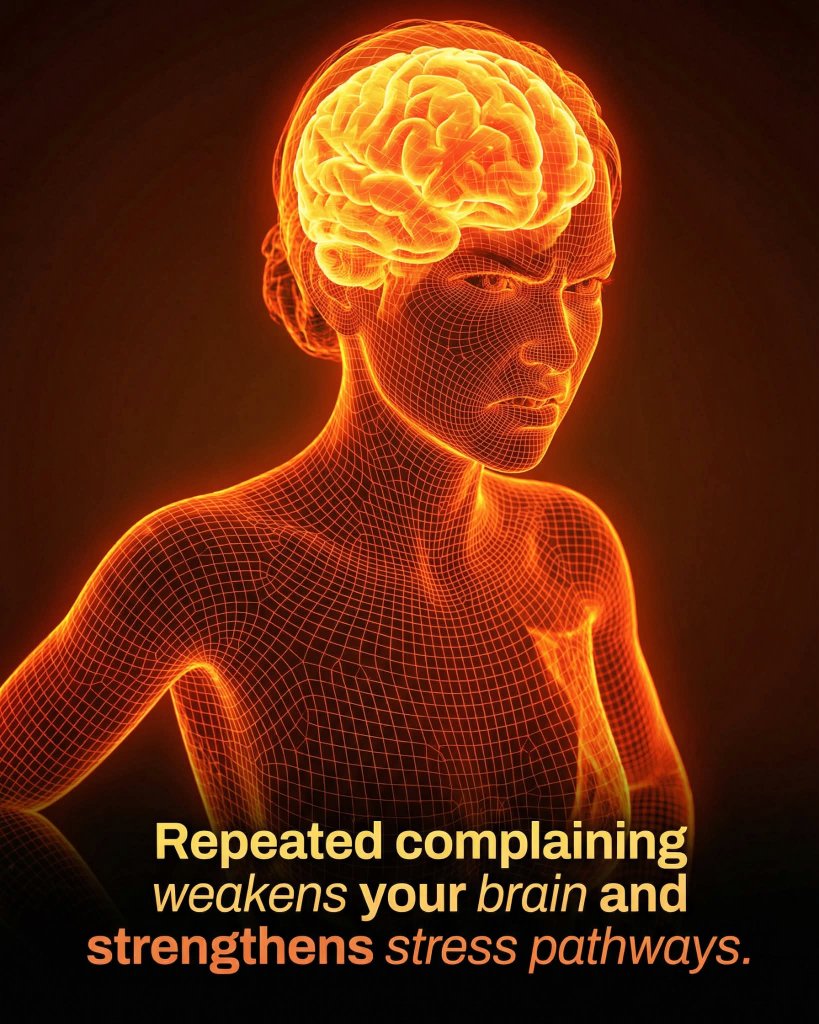
🚨 Research shows repeated complaining physically rewires your brain to prioritize stress and negativity.
The way we speak about our daily challenges does more than just vent frustration; it physically alters the architecture of the brain.
When we engage in chronic complaining, we repeatedly activate neural networks responsible for detecting threats and processing stress.
Through the biological process of neuroplasticity, these circuits become stronger and more efficient every time they are used. Essentially, the brain learns to become more adept at finding things to be unhappy about, turning a temporary mood into a permanent biological predisposition toward negativity and fear-based thinking.
As these negative pathways become the brain's default setting, individuals often experience a measurable increase in baseline stress levels and emotional volatility. This heightened sensitivity means that even minor inconveniences can trigger an intense stress response because the brain has been conditioned to interpret the world through a lens of threat. Findings discussed by the Stanford University School of Medicine emphasize that while this mechanism is powerful, understanding the science of affective neuroscience is the first step in consciously redirecting those pathways toward more resilient emotional patterns.
Source: Stanford University School of Medicine. (2023). Neural Plasticity and the Impact of Negative Thought Patterns on Emotional Regulation. Stanford Medicine News.