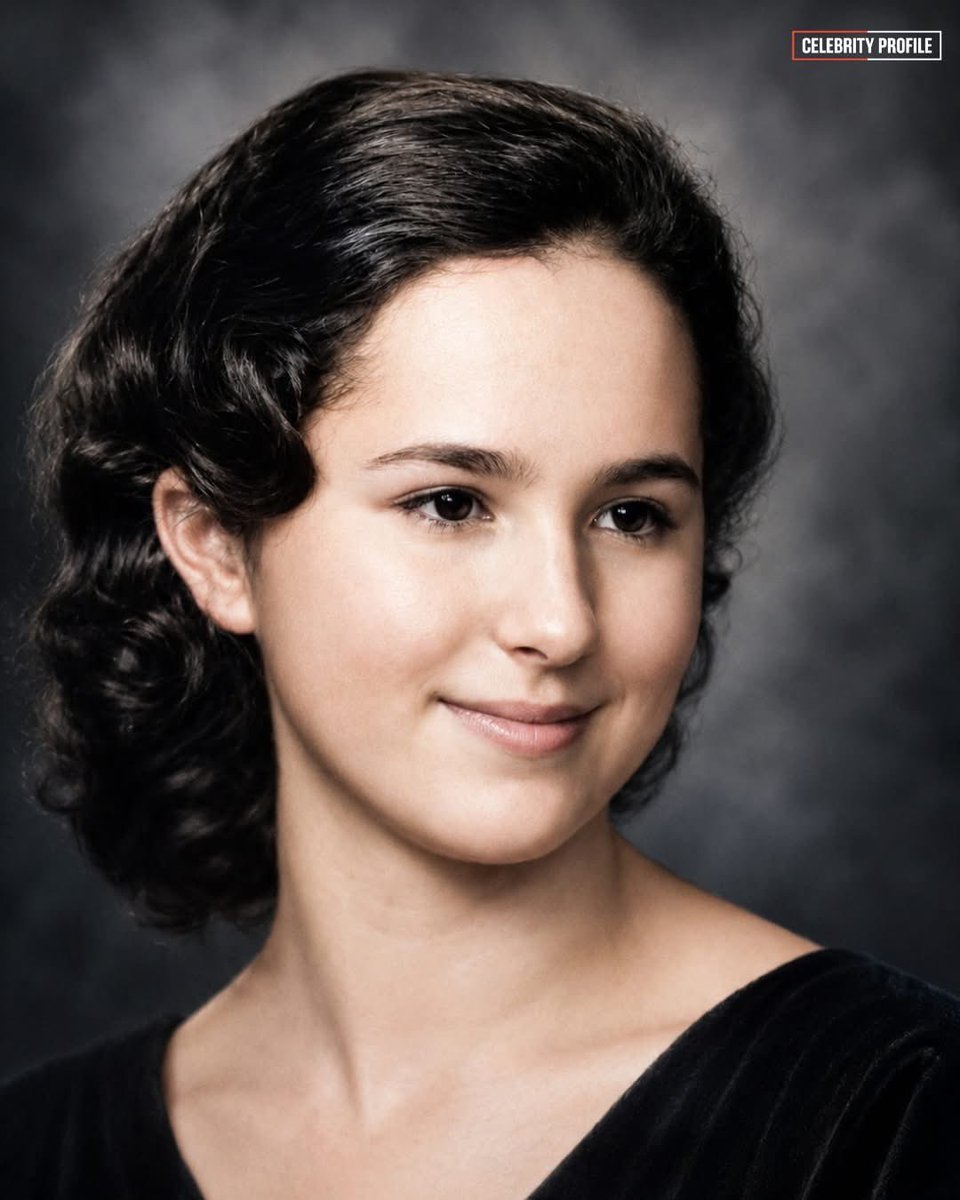
In 1937, a nineteen year old woman graduated summa cum laude in chemistry. She applied to fifteen graduate schools. Not one offered her funding.
She was told laboratories did not hire women. She never earned a PhD. She later received the Nobel Prize and helped save millions of lives.
Her name was Gertrude Belle Elion.
Born in New York City in 1918 to immigrant parents, Gertrude was brilliant from childhood. She skipped two grades, graduated high school at fifteen, and entered Hunter College during the Great Depression. Her family could only afford college because Hunter offered free tuition to women.
Then tragedy changed her life forever.
When Gertrude was fifteen, her beloved grandfather died painfully from stomach cancer. Watching doctors fail to save him gave her a purpose she never abandoned. She decided she wanted to fight disease through science.
She graduated from Hunter College in 1937 at just nineteen years old, but the scientific world had little interest in hiring women. Graduate schools rejected her requests for funding. Laboratories turned her away. Some employers openly admitted they did not want female chemists.
So she worked wherever she could while studying at night.
Everything changed in 1944 when she joined Burroughs Wellcome and began working with scientist George Hitchings. Together, they pioneered a revolutionary method called rational drug design — creating medicines by understanding disease at the molecular level instead of relying on trial and error.
Their discoveries transformed medicine.
Elion helped develop 6-mercaptopurine, one of the first successful treatments for childhood leukemia. Before it existed, most children diagnosed with leukemia died within months.
She later helped create azathioprine, the first major drug that made organ transplantation possible, along with groundbreaking antiviral medications that changed treatment for herpes and helped pave the way for AIDS therapies.
In 1988, Gertrude Elion received the Nobel Prize in Physiology or Medicine.
She was seventy years old.
And she still did not have a PhD.
The young woman fifteen schools rejected ended up reshaping modern medicine anyway.
In 1943, the Gestapo finally caught Raymond Aubrac — one of France's most wanted Resistance leaders. He was sentenced to death. His execution was days away.
His wife Lucie was six months pregnant.
Most people would have hidden. Would have grieved quietly and prayed for a miracle. Lucie Aubrac did something else entirely. She obtained forged identity papers, constructed a cover story, and walked straight into the office of Klaus Barbie — the man history would remember as the Butcher of Lyon — and convinced him to grant her a visit with the condemned man.
She wasn't there to say goodbye.
She was memorizing guard positions. Counting minutes. Mapping the route the prison truck would take.
On October 21, 1943, that truck rolled through the streets of Lyon carrying Raymond and other prisoners toward what should have been the end. Lucie had spent weeks quietly assembling a team of Resistance fighters, planning an ambush with the precision of a military operation. When the truck reached the ambush point, the team struck — fast, coordinated, and without hesitation.
In the chaos of gunfire and confusion, Raymond Aubrac was pulled free.
Lucie — visibly, unmistakably pregnant — had organized every detail of his liberation.
They went into hiding. Weeks later, Lucie gave birth to their daughter in a safe house while German forces searched for them across France. When liberation finally came, the Aubracs didn't merely survive — they rebuilt.
Raymond became a celebrated engineer and entered public life. Lucie became a historian, pouring decades into ensuring that the women of the French Resistance — so often unnamed, so easily forgotten — were written permanently into the record. They raised three children. They traveled the world. They argued and laughed and grew old together.
When journalists asked Lucie, years later, what had compelled her to risk everything that October day, she didn't hesitate.
"He was my husband. What else would I do?"
Lucie Aubrac passed away in 2007 at the age of 94. Raymond — who had once needed a commando team to be freed from a German prison — lived on until 2012, reaching 97 years old. In his final years, he continued speaking publicly about the Resistance, about memory, about the obligation to tell the truth.
They had been married for 64 years.
Not a love story built on grand gestures or perfect circumstances. A love story built in occupied France, in safe houses and forged documents and a prison truck ambush on a Lyon street — forged in fire, and never broken.
True love doesn't wait for rescue. Sometimes, it does the rescuing
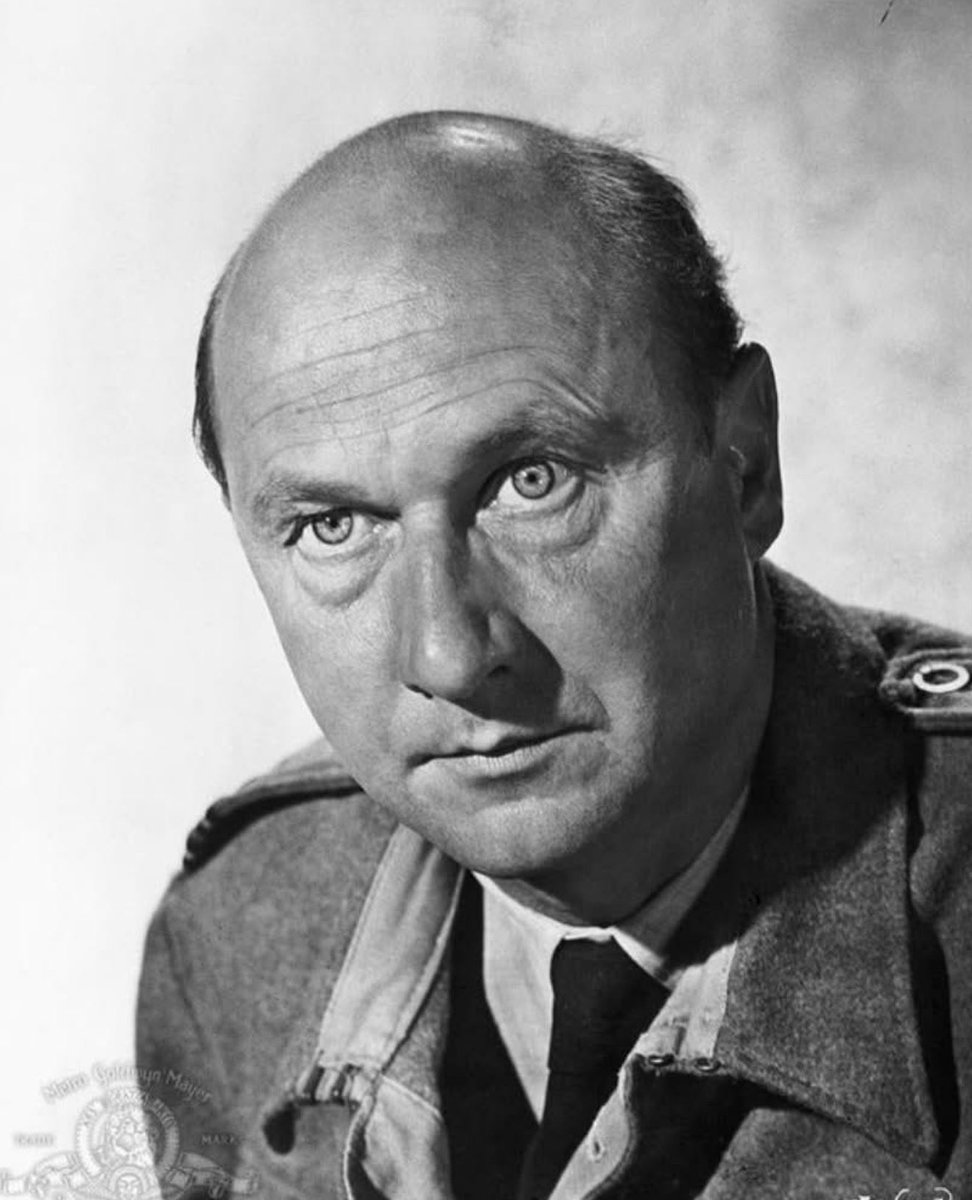
British actor Donald Pleasence, a pacifist, spent the 1st 6 months of World War 2, as a conscientious objector.
He changed his mind and enlisted in the Royal Air Force. He flew 50+ raids over occupied Europe.
Tragedy struck when his plane was shot down over France on August 31, 1944. He was thrown into the Nazi prisoner of war camp, Stalag Luft 1.
As a P.O.W., Donald Pleasence was beaten and mentally tortured by sadistic Nazi guards, while dreaming of the day that would bring him freedom.
That day came in June 1945, when he was recovered from the P.O.W. camp and discharged with the rank of flight lieutenant.
While others were licking their wounds at home, Pleasence knew that the only way he would recover from his World War Two horrors was to get back to work.
Returning to the stage almost immediately, Pleasence starred alongside Olivier and Vivian Leigh in Caesar and Cleopatra & Antony and Cleopatra
in London, New York and Sydney. He went on to appear in 60+ films, 175+ TV credits.
His role, ironically, as a P.O.W. in “The Great Escape”/1962 suddenly brought him to the attention of moviegoers worldwide.
A low-key hero, Mr. Pleasence never publicized/touted his war record or the horrors incurred, therein.
Modern man has a severe case of amnesia—he’s forgotten the immense wisdom of the past.
Luckily, it can be rediscovered through great literature.
12 old books that will make you wiser… 🧵(thread)
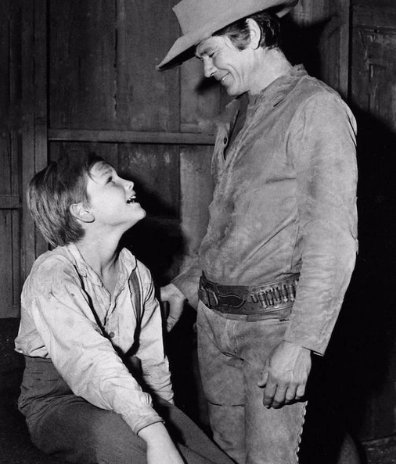
When Kurt Russell was a kid, he worked with Charles Bronson.
On discovering it was Bronson's birthday, Russell gave him a gift.
Bronson took the gift and left without a word, leaving Russell worried he had upset him.
Later, Bronson called Russell to his dressing room and quietly said he had never received a birthday gift before.
Bronson grew up very poor, with fourteen siblings, and worked in mines from a young age, never completing school or experiencing much kindness.
Bronson was touched by Russell's gesture. He later gifted Russell a skateboard for his birthday, and they became lifelong friends.
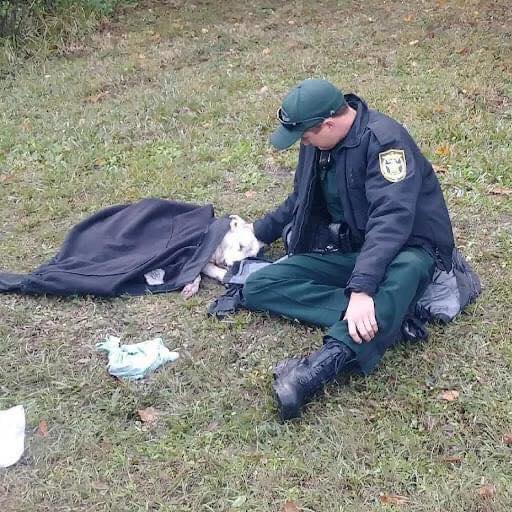
Down in Kissimmee, Florida, a dog was spotted lying on the side of the road. It had been hit by a car. Osceola County deputy Josh Fiorelli was passing by when he saw the injured animal. The female dog was alive but was hurt enough that it couldn't move. Josh was heartbroken that such a thing happened. So he called for help then sat down beside the white dog and started petting it. Some dogs might get defensive when they're hurt, but not this one. It seemed to welcome the officer being there for it. Josh then put his jacket over the dog to keep it warm, as the day was chilly and the dog was wet. Says Josh: “She didn't have anyone there, so I decided to be that person.” The dog was soon treated for a dislocated leg. Carlos Irizzary was walking his own dog when he came across Josh helping the injured dog, so he snapped a photo of it, and posted it online. It went viral, and it was shared by several news outlets throughout the country. The Osceola County Sheriff's Office also posted the photo on its website, saying: “...Thank you Deputy Fiorelli for serving with care and compassion.”
Credit - Osceola County Sheriff's Office