Edgar Morin nous a quittés. La nouvelle tombe lors d'une nuit déjà suffocante, et vient peser sur une année qui semblait avoir épuisé sa part de deuil. Et pourtant.
En lui s'éteint une manière d'habiter la pensée, et c'est tout un siècle de réflexion et de curiosité qu'il emporte avec lui.
Il fut l'un de ces esprits, si rares, qui ne se contentent pas d'observer le monde, mais qui le bousculent, le démontent pour en révéler la complexité. À une époque où tant cherchent à simplifier à outrance, il a fait de la nuance sa boussole. Homme de science et de poésie, il a su faire dialoguer la biologie et la philosophie, incarnant cette pensée libre et totale qui refuse les frontières entre les disciplines. Son courage intellectuel et son humanité inébranlable resteront des phares pour les générations à venir.
Mais au-delà de l'œuvre, c'est surtout l'homme. Un homme dont le cœur battait pour la connaissance, pour l'Humanité jusque dans ses failles, pour la vie elle-même. Avec lui, chaque conversation était une aventure, où il nous apprenait à aimer le mystère et à défier nos propres certitudes.
Sa vie, longue de cent quatre ans, fut un chef-d'œuvre de lucidité et d'amour. Pourtant, elle nous semble aujourd'hui trop brève, car nous avions encore tant besoin de sa voix, de sa capacité à regarder l'abîme sans perdre l'espoir.
En ces heures si douloureuses, mes pensées vont vers ses êtres chers, et surtout vers Sabah, son épouse, sa compagne, sa complice. Edgar l'aimait avec une passion qui défiait le temps, avec l'éclat des premiers instants perpétuellement retrouvés.
Adieu, grand penseur. Adieu, ami cher.
Que nous gardions en mémoire l'un de ses derniers appels comme consigne : « Réveillons-nous ! »
Mediated Political Realities in Uganda: Media, Politics, and Democratic Contestation in a Postcolonial State https://t.co/OAqtSwhccj #Amazon via @Amazon
Fortunate to have interviewed him during Namibia’s independence ceremony on 21 March 1990. Such a remarkable man he was, who accomplished so much for the good of humanity . May his soul rest in peace
Each December we try to identify the place that has improved the most, whether economically, politically or in any other way that matters. Here’s our pick for 2025 https://t.co/INnbOzkAEU
Illustration: Ben Hickey
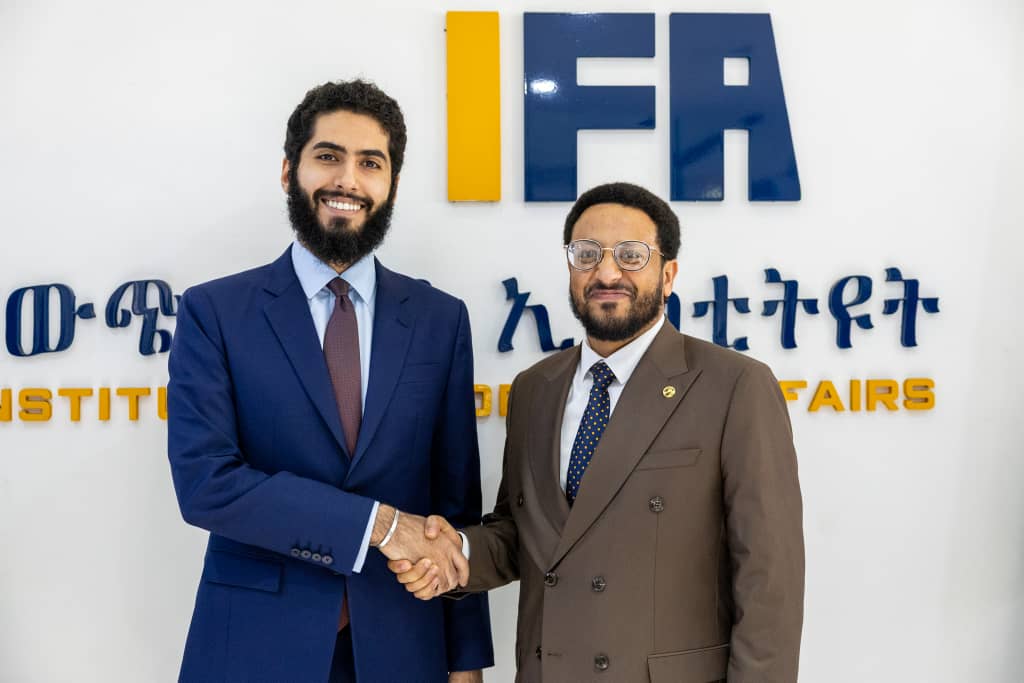
Delighted to have addressed the Institute of Foreign Affairs in Addis Ababa yesterday on “A Third Way: the Greater South Amidst Global Disorder.”
I extend my sincere gratitude to its Executive Director and the @ifa_ethiopia team for the invitation and for a rich and engaging exchange on the pathways opening for our Peoples and countries. Ours is the collective, historic responsibility to forge a more equitable global order—for the South and North alike.
𝐇𝐚𝐩𝐩𝐞𝐧𝐢𝐧𝐠 𝐍𝐨𝐰!
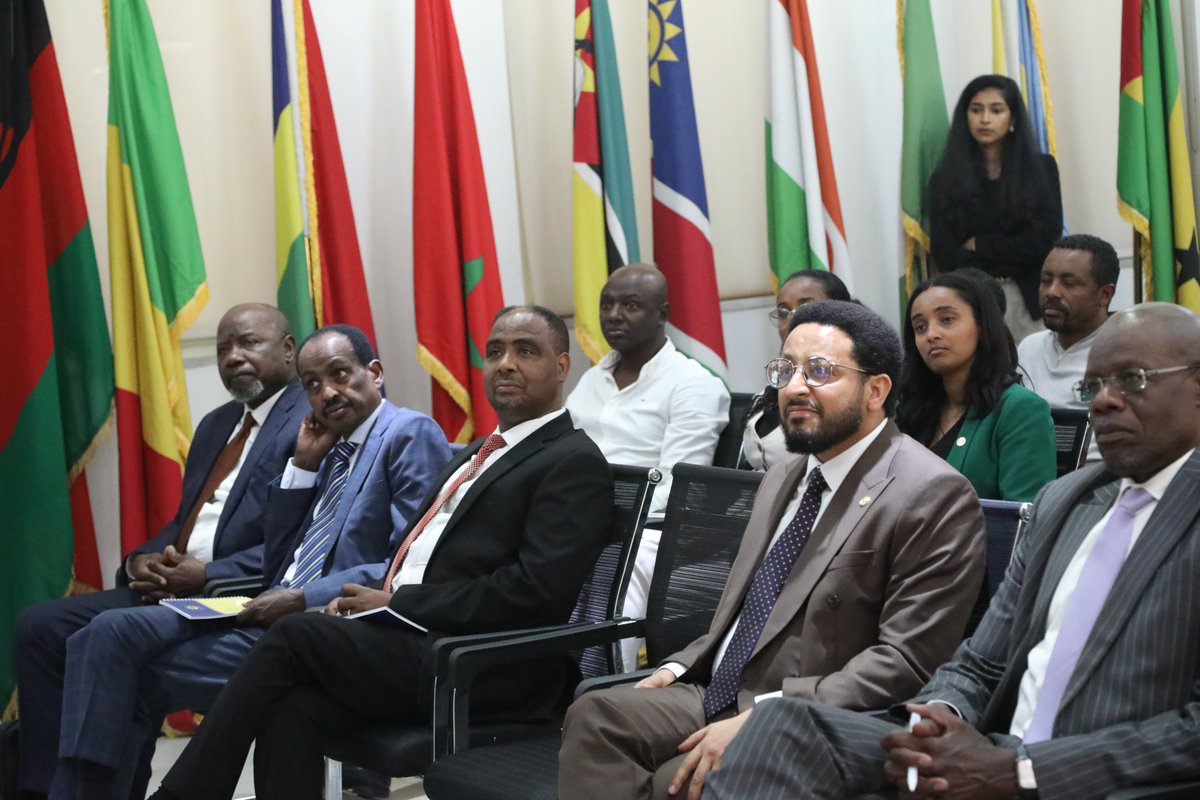
The Institute of Foreign Affairs (@ifa_ethiopia) hosts a Fireside Chat with H.E. Manssour Bin Mussallam today, 16 December 2025, at the @ifa_ethiopia Meeting Hall.
The session explores “A Third Way: The Greater South Amidst Global Disorder,” offering valuable insights from H.E. Manssour Bin Mussallam, Secretary-General of the Organization of Southern Cooperation.
@ifa_ethiopia
#IFAFiresideChat #GlobalDisorder #SouthernCooperation #Leadership #PolicyDialogue
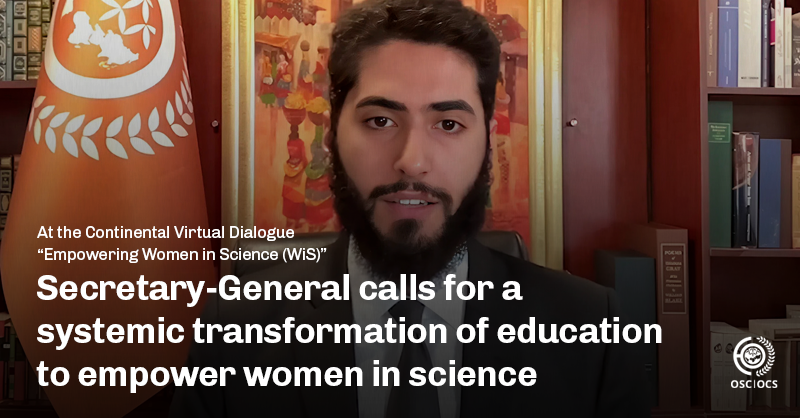
👩🔬🔬The OSC calls for bold, systemic change to empower women in science.
➡️During the Continental Virtual Dialogue “Empowering Women in Science”, organised by @UNESCO, Ethiopia’s Ministry of Innovation and Technology @MinistryofInno2, and the @_AfricanUnion, Secretary-General @MBinMussallam highlighted the need to transform education, reclaim women’s historical contributions, and challenge exclusionary knowledge systems to build an inclusive scientific future for the Greater South.
Read the full story: https://t.co/VA7ixBPYXy
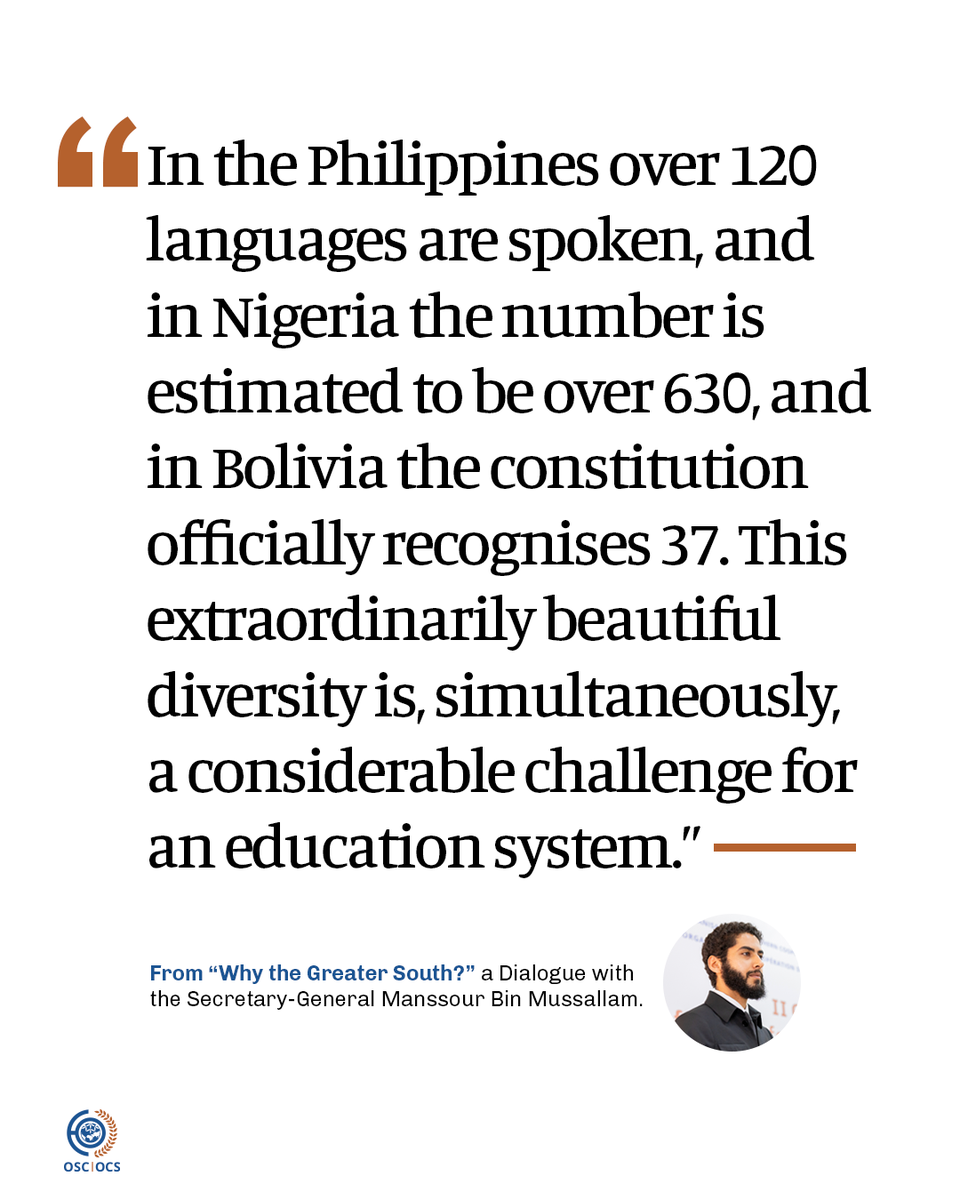
⚠️Education cannot be called “inclusive” if it forces millions of children to learn in languages that are not their own. In countries where hundreds of languages coexist — more than 600 in Nigeria, more than 120 in the Philippines, and in Bolivia the constitution recognises 37 — ignoring linguistic reality is not neutrality. It is a barrier that widens inequality.
➡️Article II of the Universal Declaration of Balanced and Inclusive Education is explicit: respecting linguistic diversity is essential to justice and cohesion. Mother tongue education is not optional; it is the difference between systems that empower and systems that exclude.
🌐If the Greater South is serious about transforming education, it must start by dismantling the silent hierarchy that elevates some languages and erases others. Real change begins when every learner has the right to understand.
Read more: https://t.co/1X335Oc5z4
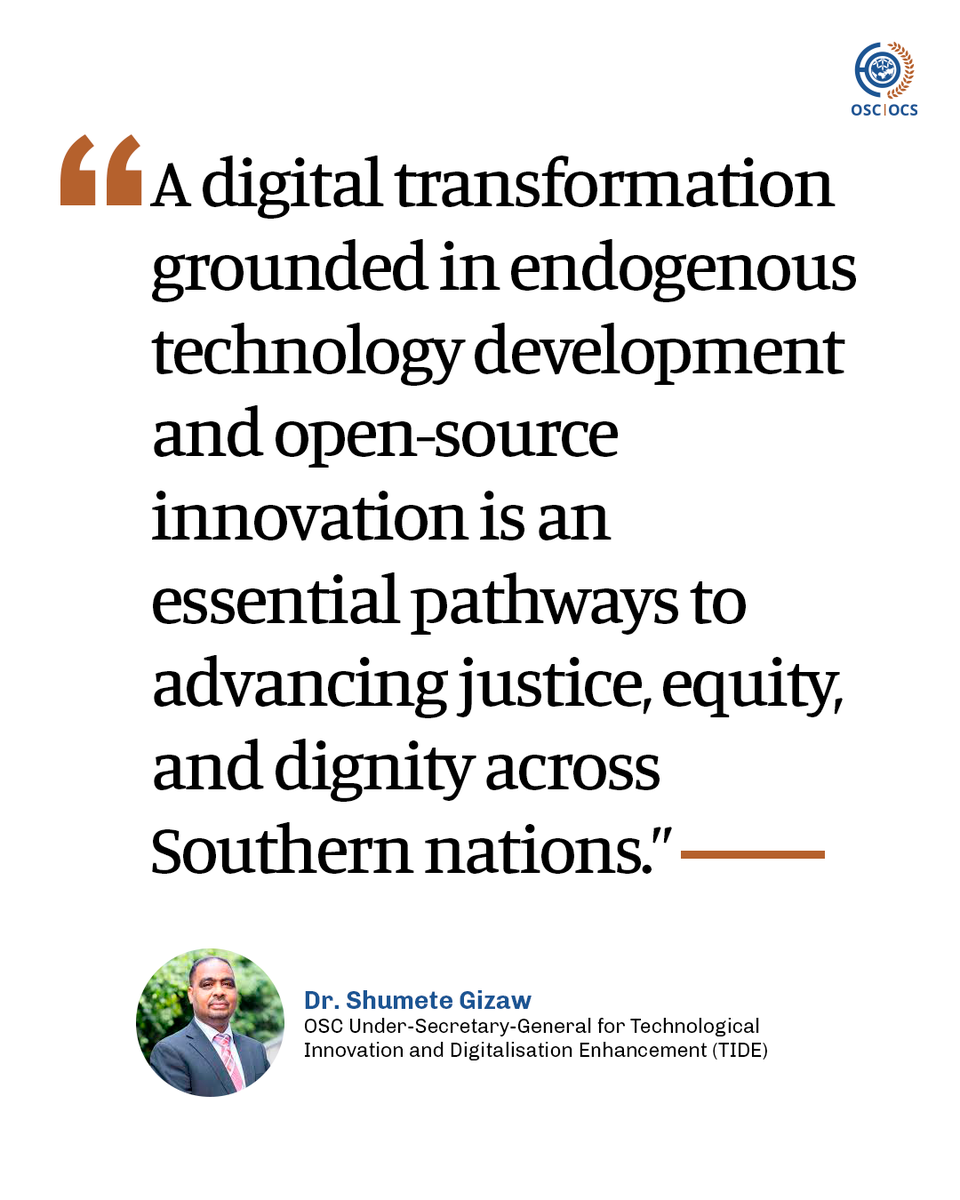
As Under-Secretary-General for Technological Innovation and Digitalisation Enhancement (TIDE), @DrShumete underscored during the recent edition of Africa Celebrates 2025, the digital pillars of transformative justice must align with a digital roadmap grounded in a mandate for reparation and dignity, harnessing the transformative potential of digital innovation to help shape a just and inclusive future for the Greater South.
Read more: https://t.co/CF5XR0ZgN6
✅ #DownloadNow | “Why the Greater South?” — a dialogue with Secretary-General @MBinMussallam examining the challenges, risks, and collective responsibilities facing the countries of the Greater South as they advance a new multilateralism grounded in equality, equity, and solidarity.
Read it in:
➡️English: https://t.co/jitdX0zXi5
➡️Spanish: https://t.co/rYf6f7O1yb
➡️Arabic: https://t.co/KWOVjHW9G9
➡️French: https://t.co/vK2Mwgp8c4
🌍#AfricaIndustrialisationDay reminds us that industrial transformation begins with digital sovereignty. No region can build a resilient future relying on inherited models or external technologies.
➡️The digital pillars of transformative justice demand a roadmap grounded in dignity, equity, and endogenous innovation. Without control over the technological foundations of production, industrialisation risks repeating extractive patterns that limit real development.
✅For the OSC, becoming drivers of the technological revolution means building home-grown technologies, strengthening open-source ecosystems, and ensuring that Africa’s industries are powered by its own knowledge, capacity, and vision — not borrowed tools.
Discover more: https://t.co/Vt5HLpOkNz
⚠️If the Greater South is to shape the twenty-first century, it cannot remain merely a market.
We must invest in connectivity, develop new skills, strengthen scientific capacities, and build our own digital industries.
Becoming drivers of the technological revolution means transforming our realities with tools built for them.
Read here how we can achieve this: https://t.co/afpSflB73w
When the global structures of power no longer serve the common good, ours becomes the historic duty of reconstruction.
Yet the arch of History does not bend on its own, but by the will of the united.
Through shared purpose, the Greater South must find the collective leverage to build a multilateralism that mirrors Humanity itself: diverse, dignified, and determined to stand as one.
And, in that pursuit, blossoms a promise renewed — that the world’s destiny shall belong to all, not to a few.
Digital transformation for justice: OSC at Africa Celebrates 2025🌍
At Africa Celebrates 2025 in Addis Ababa, the OSC highlighted how digital innovation and endogenous technology can drive justice, equity, and dignity across the Greater South.
Representing the Secretary-General, @DrShumete delivered a keynote address on “The Digital Pillars of Reparative Justice”, underscoring technology’s transformative power in shaping a fair and inclusive future.
Read more: https://t.co/CF5XR0ZgN6