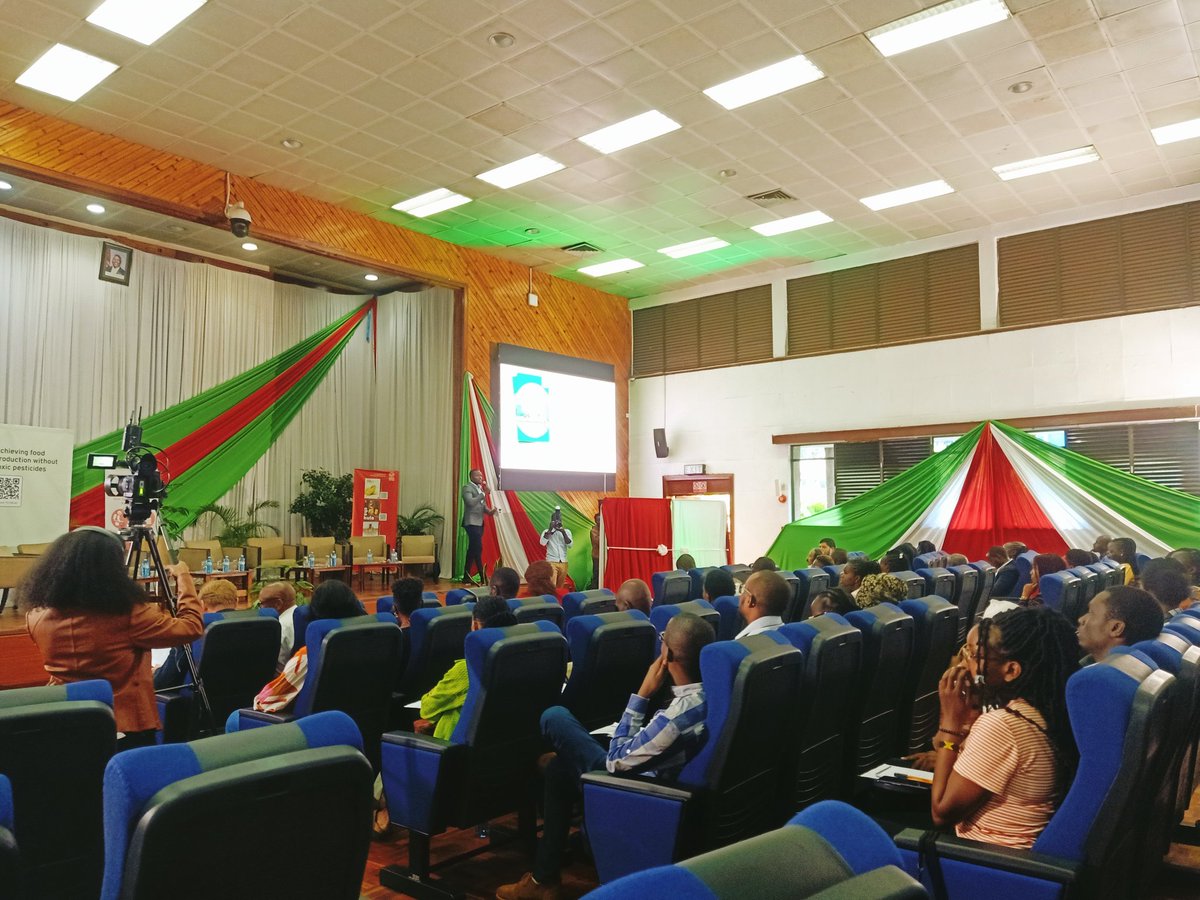
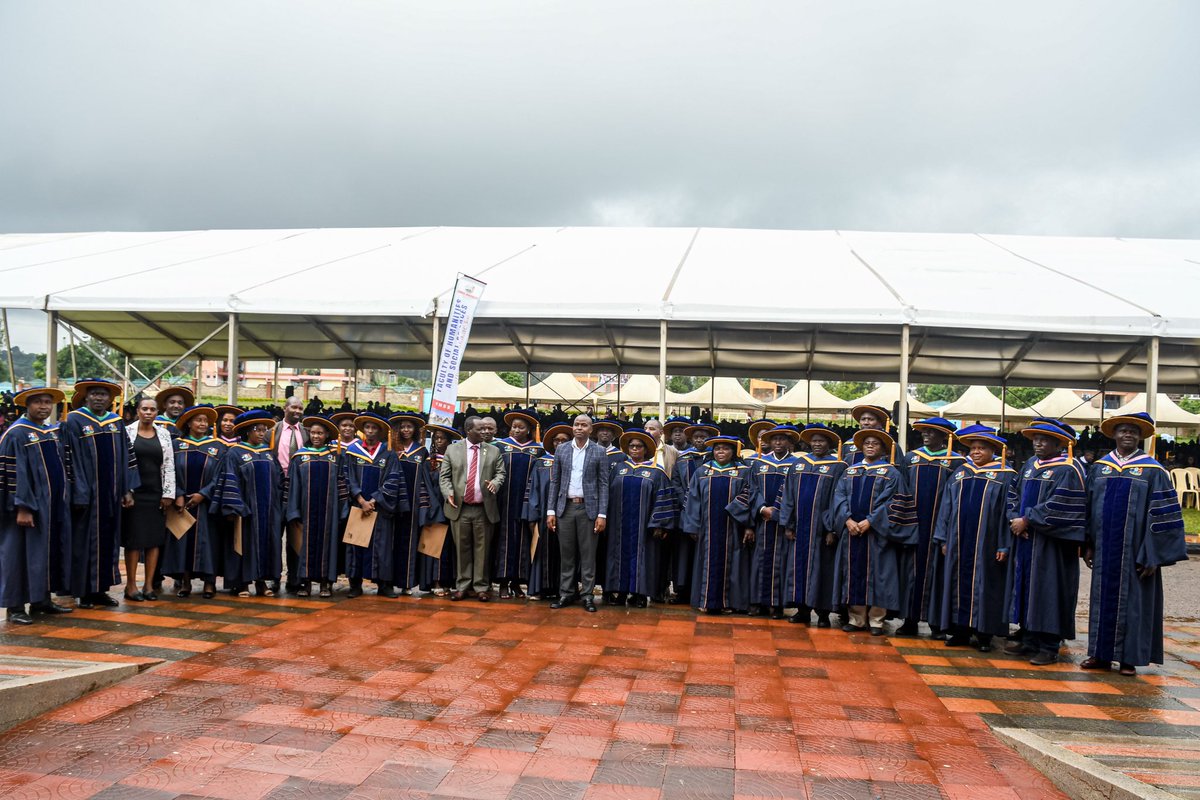
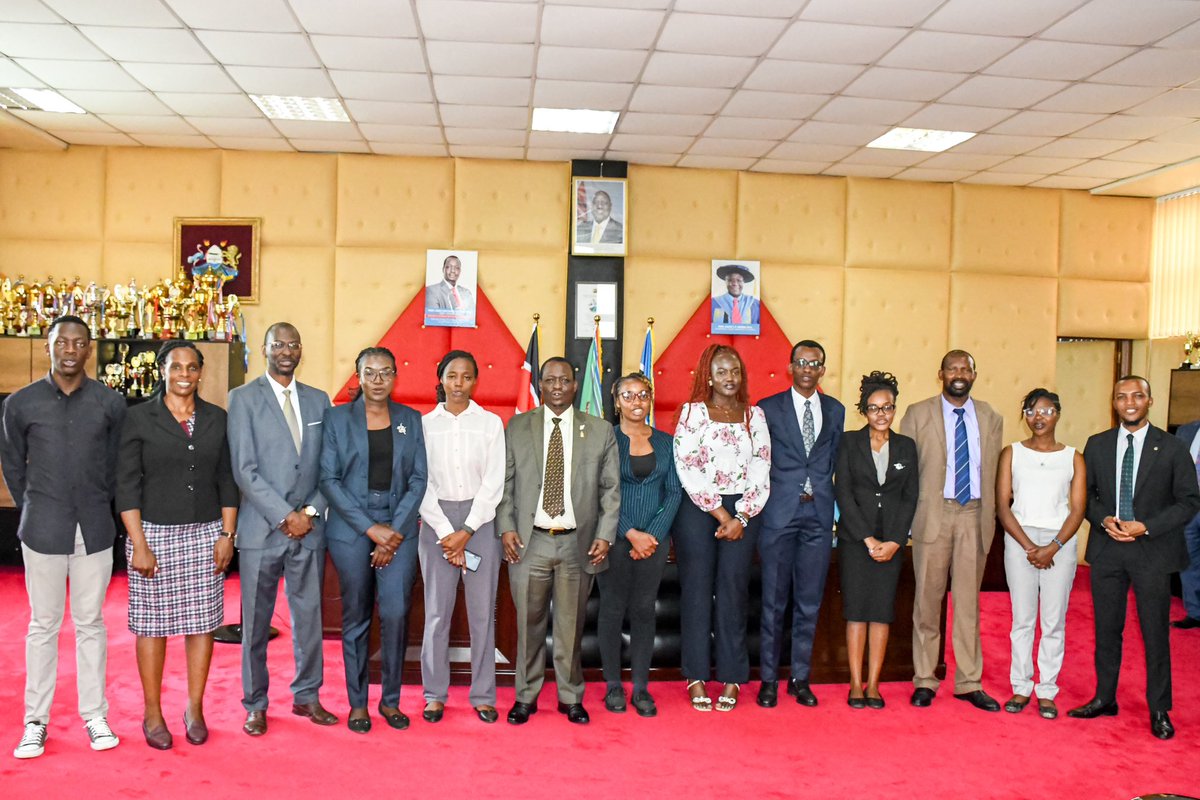
Chuka University Secures another Major Research Grant!🎉
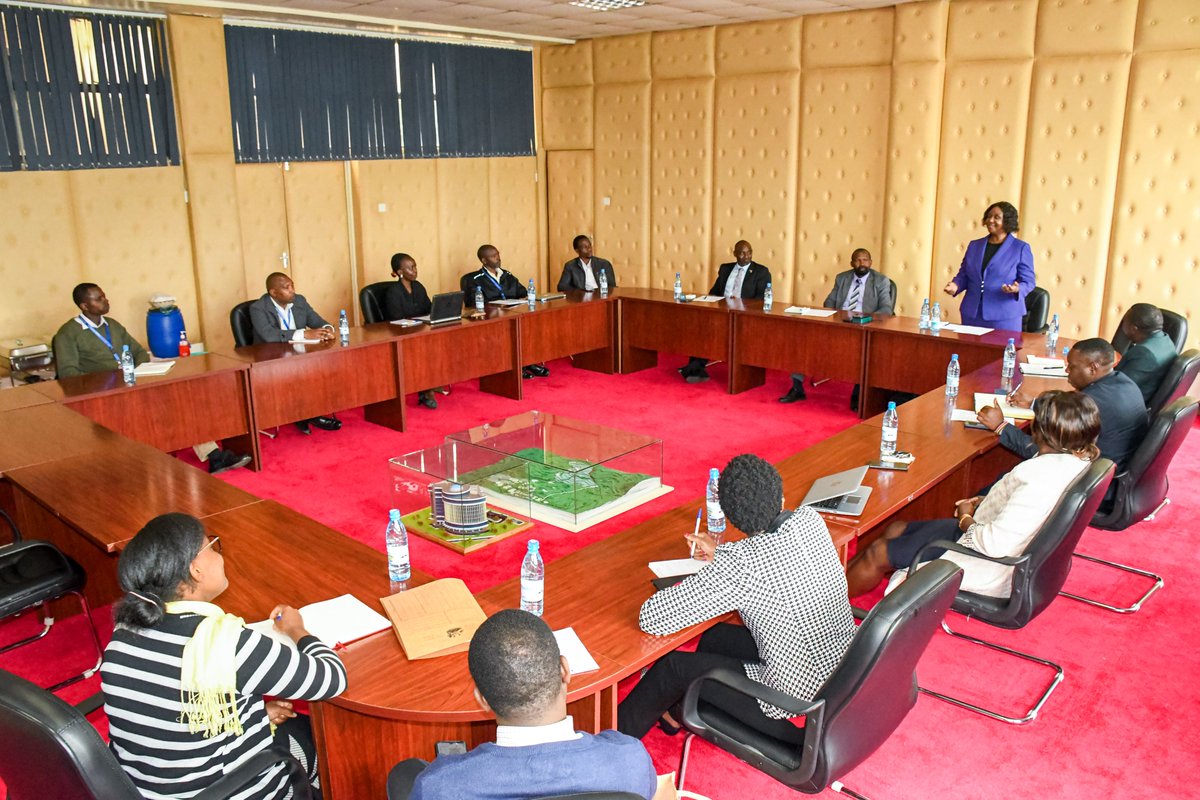
Chuka University has secured yet another major European Union research grant worth €1,299,926 under the Global Health–European & Developing Countries Clinical Trials Partnership (EDCTP) for the One Collaborative Training Program for Outbreak Preparedness and Universal Surveillance (OCTOPUS) project. The initiative seeks to strengthen public health systems and enhance outbreak preparedness across Sub-Saharan Africa.
As the Lead African Consortium Partner, Chuka University is collaborating with institutions from Kenya, Uganda, Tanzania, Rwanda, the Democratic Republic of Congo (DRC), and the Technical University of Denmark (DTU) to implement the project.
The Chuka University research team is led by Dr. Elizabeth Njoroge, the Principal Investigator, alongside Prof. Dennis Muriithi, Prof. Mark Okongo, Vice-Chancellor, Prof. Henry Mutembei, Dr. Alice Lunani, Dr. James Mwangi, Dr. Muendo Cornelius, and Dr. John Kirimi, in collaboration with the DTU team led by Dr. David Kamau.
The University extends its heartfelt congratulations to the project team and its international collaborators on this remarkable achievement, which further affirms Chuka University's growing leadership in research excellence, innovation, and global health partnerships.
#knowledgeiswealth #chukauniversity #grant https://t.co/8TwtALoGIH
As I promised yesterday, here are the results.
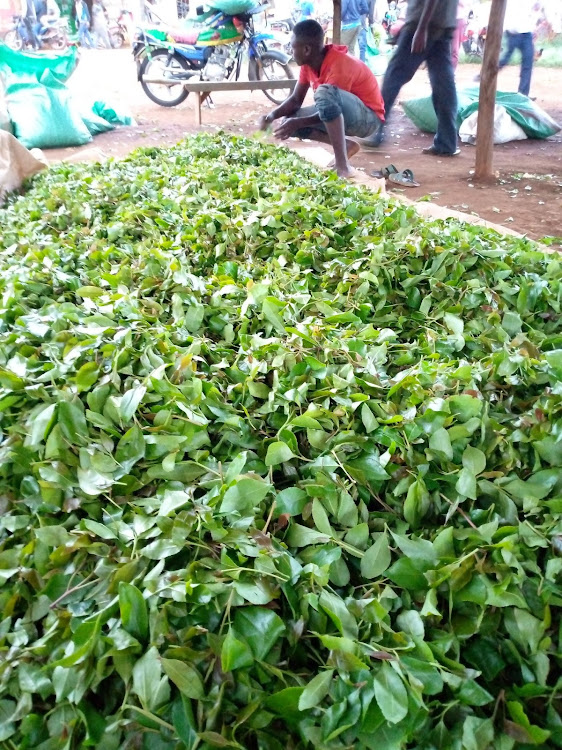
Last December, despite major obstacles and limited funds, we submitted 8 Miraa (Muguka) samples to an independent laboratory for testing of two widely used herbicides:
- Glyphosate
- Paraquat
Total cost: Over KSh 60,000
Samples were collected from Meru (majority) and Mombasa (2 samples).
All tested samples contained detectable residues.
Full laboratory reports snippets attached in replies 👇
To everyone who quietly supported this work through M-Pesa, you made this possible.
This is public-interest science.
Chuka University is gearing up for the 12th International Research Conference! 🎓📚
Have you ever come across a research topic that blew your mind?🤯
Share it with us in the comments, we’d love to hear about it!
#knowledgeiswealth#chukauniversity#12thIRC https://t.co/8TwtALoGIH
Heading to the TropenTag 2025 in Bonn?
The Hohenheim Tropics team is offering discounted accommodation from September 9–12 at Base Camp Bonn Hostel for students and PhD candidates.
Only 30 spots available — first come, first served!
More details in the flyer below.
We mourn the passing of His Holiness #popefransis. His life of service, compassion, and faith touched millions around the world. May he rest in eternal peace.
Plant protection product withdrawals
Agrochemicals association of Kenya raises concerns over product withdrawals
Calls for phased withdrawal, safer alternatives, and farmer education
#MondayReport@TrevorOmbija
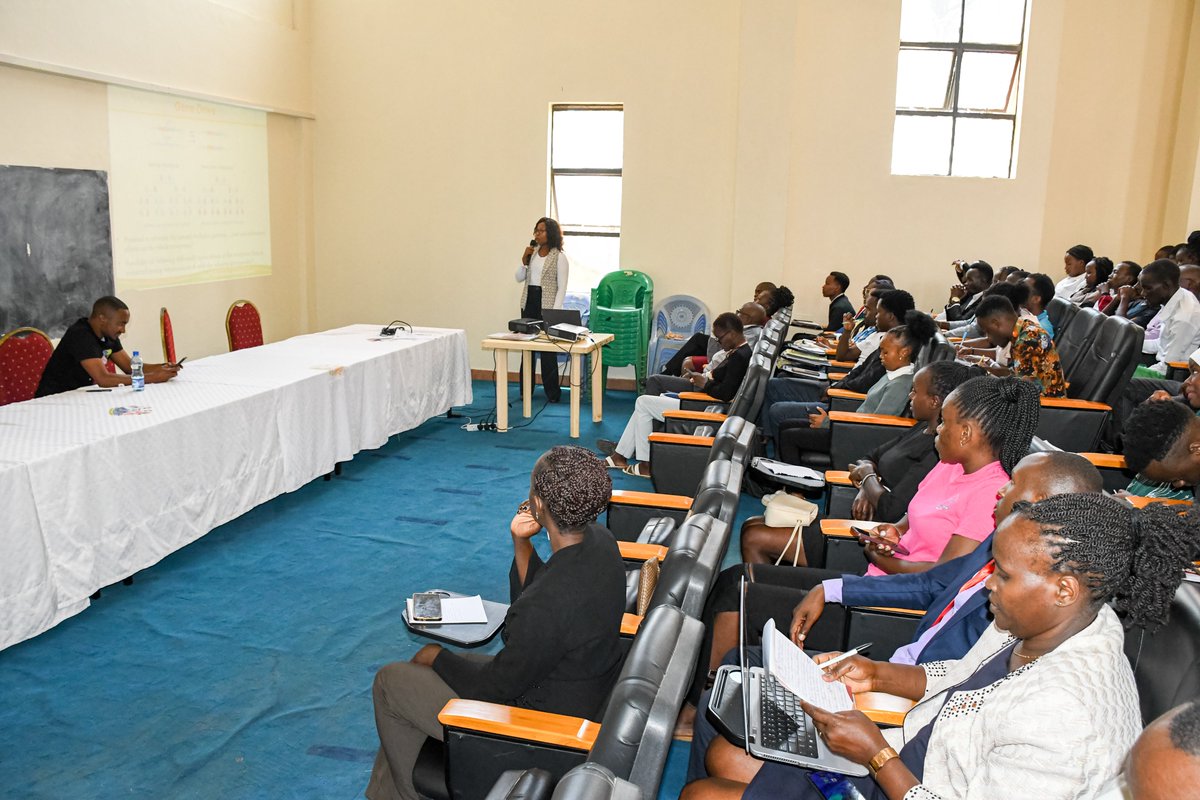
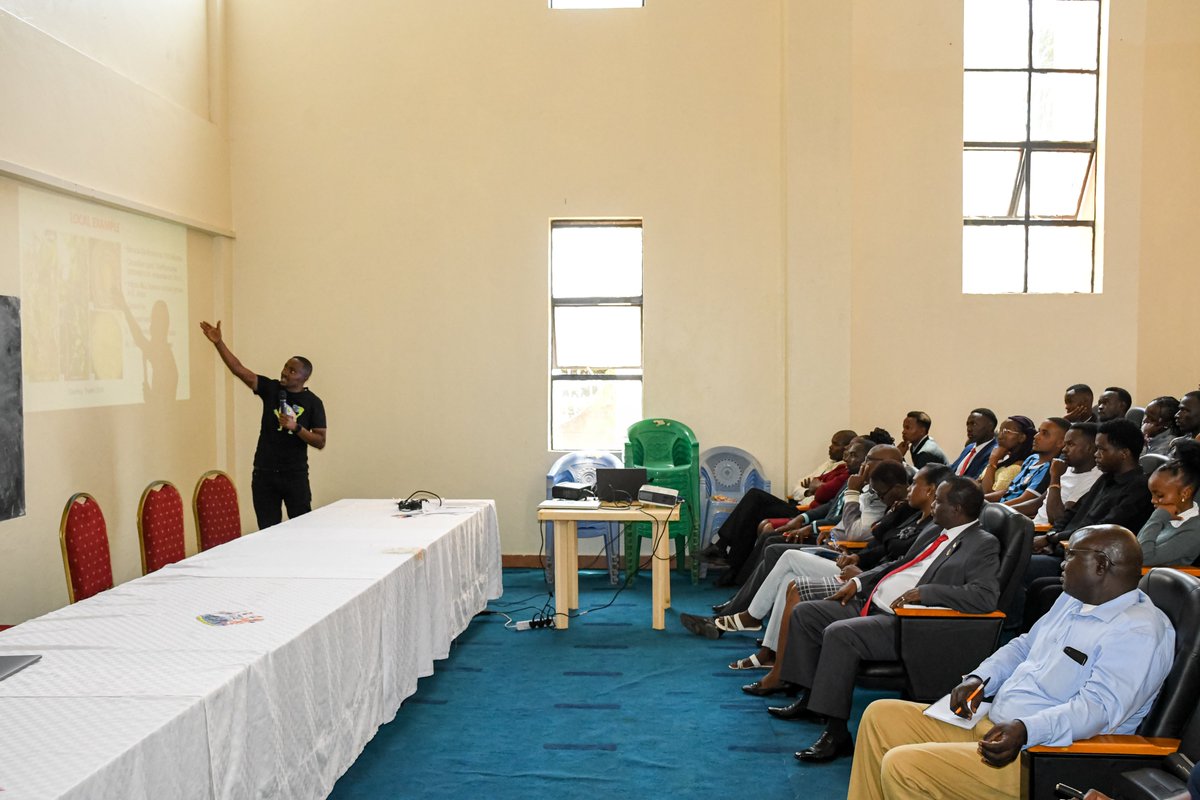
On October 17, 2024, the Faculty of Science and Technology hosted a comprehensive workshop on genetically modified organisms (GMOs) for staff and students. #knowledgeiswealth
Fifteen students from Chuka University have achieved the prestigious honor of joining the 2024 class of the UN Millennium Fellowship. Chuka University is among 280 campuses globally chosen to host the renowned program. #knowledgeiswealth
On August 28, 2024, Chuka University hosted a key meeting with Prof. Anne Osano from Bowie State University, Maryland, USA. The discussions centered on potential collaborations, with a focus on joint research initiatives. #knowledgeiswealth
@MzalendoWatch@TheStarKenya The bill does not seek to promote beekeeping (this should be the focus). Its funny that bees are classified as livestock or food producing animals
Join the Faculty of Science and Technology’s workshop on August 21 - 23, 2024, to explore ethical and innovative uses of generative AI in education. Online link: https://t.co/afrR1oCuES
Passcode: genaichuka
#knowledgeiswealth
Out today! Delighted to have been able to contribute to this 3rd edition of excellent reference book for plant parasitic nematodes. Congratulations to the editors! Plant Nematology | CABI Books https://t.co/PGPoGKYsve
Why Kenya Seed and KARLO? Where have Universities and State failed? The bigger picture, let us think about the following points as it all starts with the primary data ownership:
1. All agricultural graduate researchers in Kenyan universities must graduate with a thesis from either experimentation with animals/plants or agricultural social and economic data points such as surveys on consumption, acceptability of certain methods, etc.
2. Let us all agree on this simple fact: @KenyattaUni@uonbi@DiscoverJKUAT and all the rest of the universities dealing with primary agricultural research have no data management protocols or storage facilities. KARLO does not have them either.
I know one person who wanted to establish this system in one of the public universities above, but the politics could not allow it. Loophole 1.
3. Please remember that the primary requirement for one to graduate from graduate school with an agricultural MSc or Ph.D. degree is to complete and defend a thesis, with some universities requiring a publication in a journal. The university does not care of the data itself other than the few tables in the results section. Loophole 2.
4. Graduate students rarely can source funds, so faculty win grants from external funders (we all know NRF is dead) or affiliate with KARLO, primarily funded by outsiders. If it is a faculty who sourced funds, they have some form of independence from the foreign funders, but they need to have university protocols to handle and preserve the data collected (as far as I know, none of the current faculty in my phone book have a university or state hosted data management site).
5. If the research was initiated by foreigners (this happens a lot in seeds, plants and animals), the outsiders come with the rules of what research they want, determine objectives, and you have to brief them every now and then on the progress. This research is usually validation studies; therefore, it will result in publications about products in the market or coming soon. Loophole 3.
Whenever we have seed/plant and animal research in Kenya funded by outsiders, they take away all data. This happens a lot at KARLO (I will talk about primate research center one day), and all data collected during seed propagation in the different farms accessed by foreigners in Kenya goes abroad for remodeling. This data should strictly stay in Kenya but it does not. The outsiders do not necessarily go through university or govt as not all research is for publication. Actually, there is more data not published than is published. In a country like Canada, we sign documents biding us not to ever share our data with outsiders unless with express authority of the agencies involved. We do not have the same thing in Kenya and this is been abused by agricultural corporations that come in the name of food security.
Please note, you filling your granaries with grain is not food security, it starts with owning the data points involved along the way in labs and fields with scientists cursing and worrying under the elements as hey fuss whether the data makes sense.
A few days ago I posted about how the Global North ensures us in the Global South do not access their research easily https://t.co/dOQGwm5UEJ .
Tunajichoma mwiba alafu siku moja tuanze kulia!
#kenyaseed
#lindambegu
@shobanes@wmnjoya@AdhiamboKE