BREAKING: 50+ government, AI and cyber experts warn of nonstop cyberattacks on critical infrastructure for the next 18 months.
They say AI is making these attacks faster and harder to stop, and expect outages to become a regular part of daily life by 2027.
Thanks in part to Trump, the U.S. is now the crypto superpower and Bitcoin capital of the world. Unfortunately, that means the U.S. will lead the world in financial losses and suffer the most economic collateral damage as a result of the coming Bitcoin and crypto crash.
Data engineering project for your portfolio: migrate data from AWS S3 into Postgres with Python and SQL.
1. Grab 3 datasets from DataHub
2. Upload them to S3
3. Extract, transform and read into an in-memory buffer
4. Load into Postgres
5. Publish to GitHub
Bitcoin broke below $60K. But don't worry, HODLers. When it crashes below $10K (a decline of more than 90% from its 2025 peak,) you guys will still be able to post about how wrong I've been. You may be broke, but you will at least have the consolation of claiming I was wrong too.
🇨🇳🇺🇸🇷🇺 | Durante la cumbre trilateral en Shenzhen junto a Donald Trump y Vladímir Putin, el presidente chino, Xi Jinping, advirtió que «se acerca la tormenta» y llamó a las grandes potencias a cooperar para evitar la agitación mundial.
🚨 The Fed just issued a massive warning about the U.S. financial system.
The latest FOMC minutes reveal serious concerns about Wall Street, AI debt, inflation, banks and the risk of a much bigger market crash.
Here are the biggest warnings from the Fed:
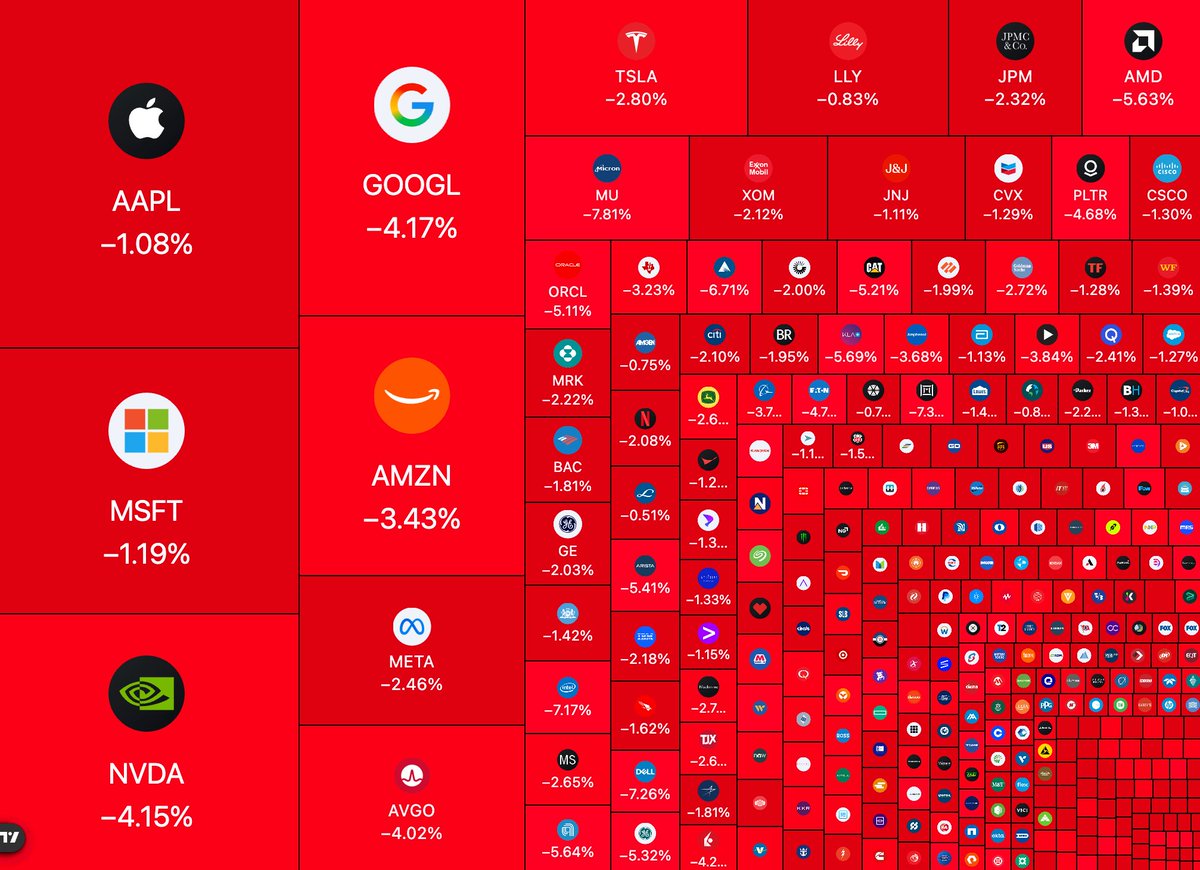
1. Stock market: Valuations remain extremely high, leaving markets vulnerable to a sharp selloff.
2. Hedge funds: High leverage could force funds to dump massive amounts of assets during a crash.
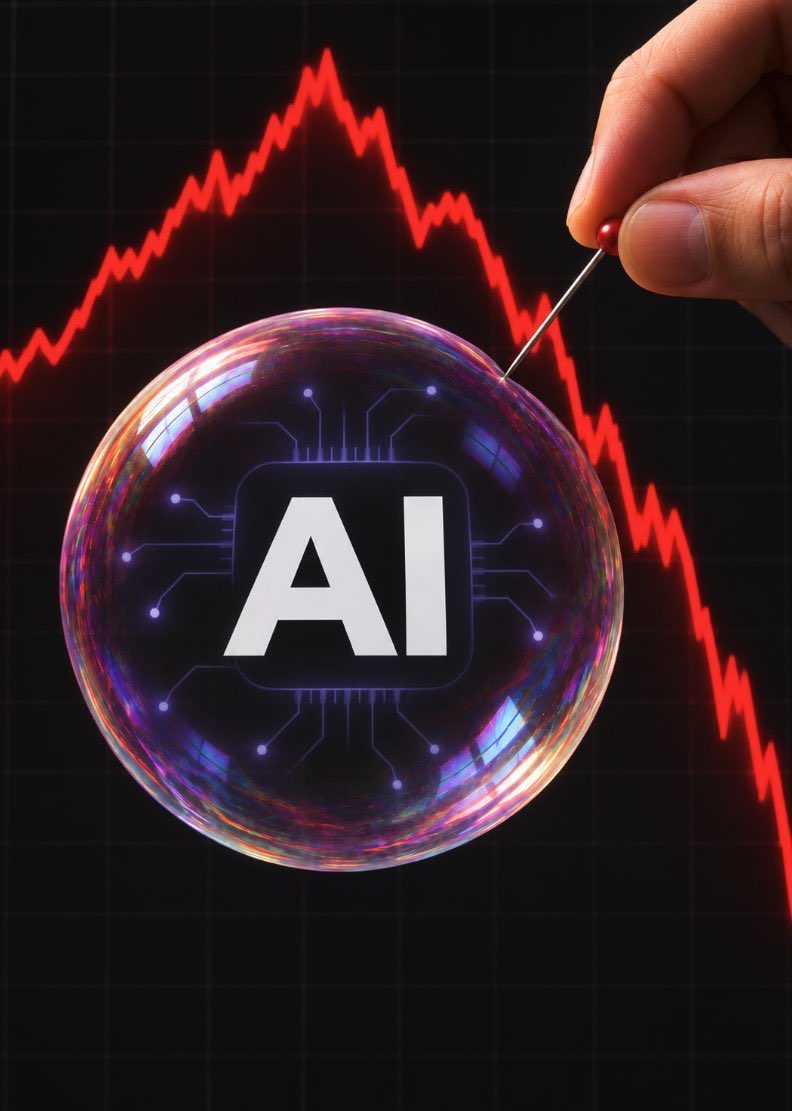
3. AI bubble: Companies are piling up debt through complicated financing deals that could make losses much worse if AI investments disappoint.
4. Banking system: Banks may have hidden exposure to private credit funds and other risky financial institutions.
5. Bond markets: Higher government debt and rising long-term yields could make financial instability harder to control.
6. Market liquidity: Forced selling by hedge funds and investment funds could become so severe that markets struggle to function properly.
7. Inflation: September PCE inflation was estimated at 3.6%, while core inflation remained at 3.1%.
8. Interest rates: Almost all Fed officials expected further rate hikes, with some discussing an increase of more than 25 basis points in December.
9. Housing: Higher mortgage rates are hurting home sales and putting more pressure on borrowers.
10. Private credit: Financial stress is growing, especially among software companies struggling with debt.
11. Global markets: France's bond market is facing serious pressure, with its yield gap against Germany reaching levels last seen during the European debt crisis.
12. Cybersecurity: Fed officials also identified cyberattacks as a major threat to financial stability.
The Fed also warned that risks from AI debt, hedge fund leverage and forced selling could make a financial shock more damaging than usual.
Stocks, bonds, banks and private credit are all connected, meaning trouble in one market could quickly spread to others.
These are serious warnings from the central bank itself, and a major market selloff could expose weaknesses that investors are currently ignoring.