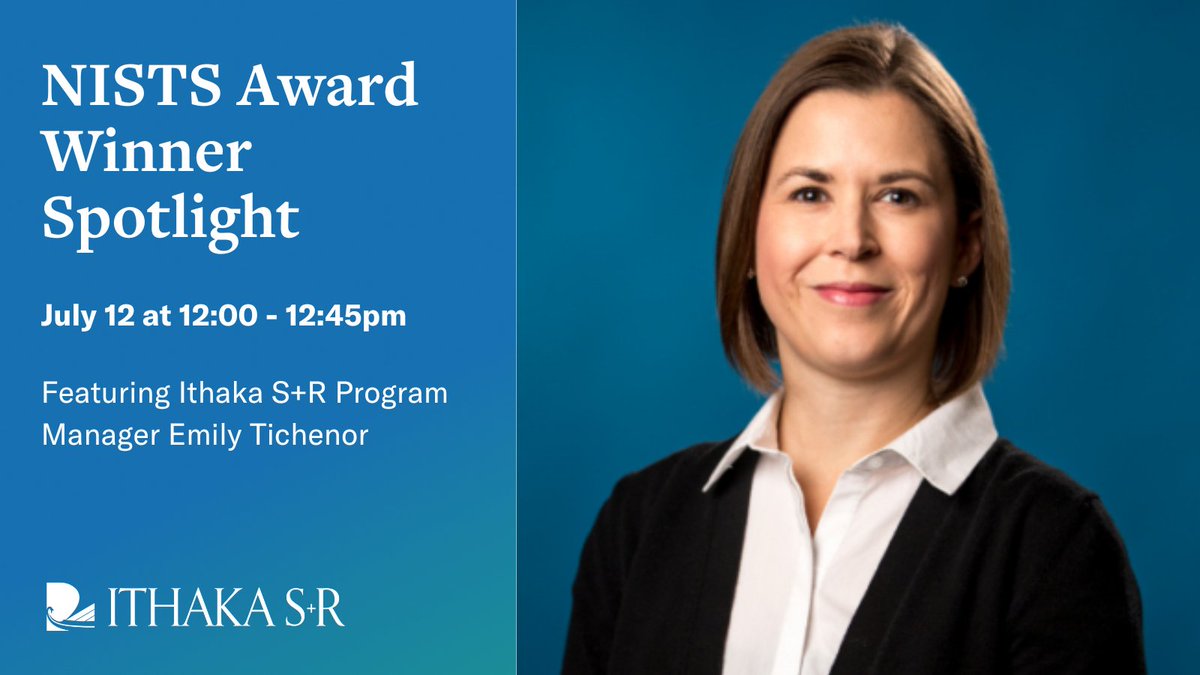
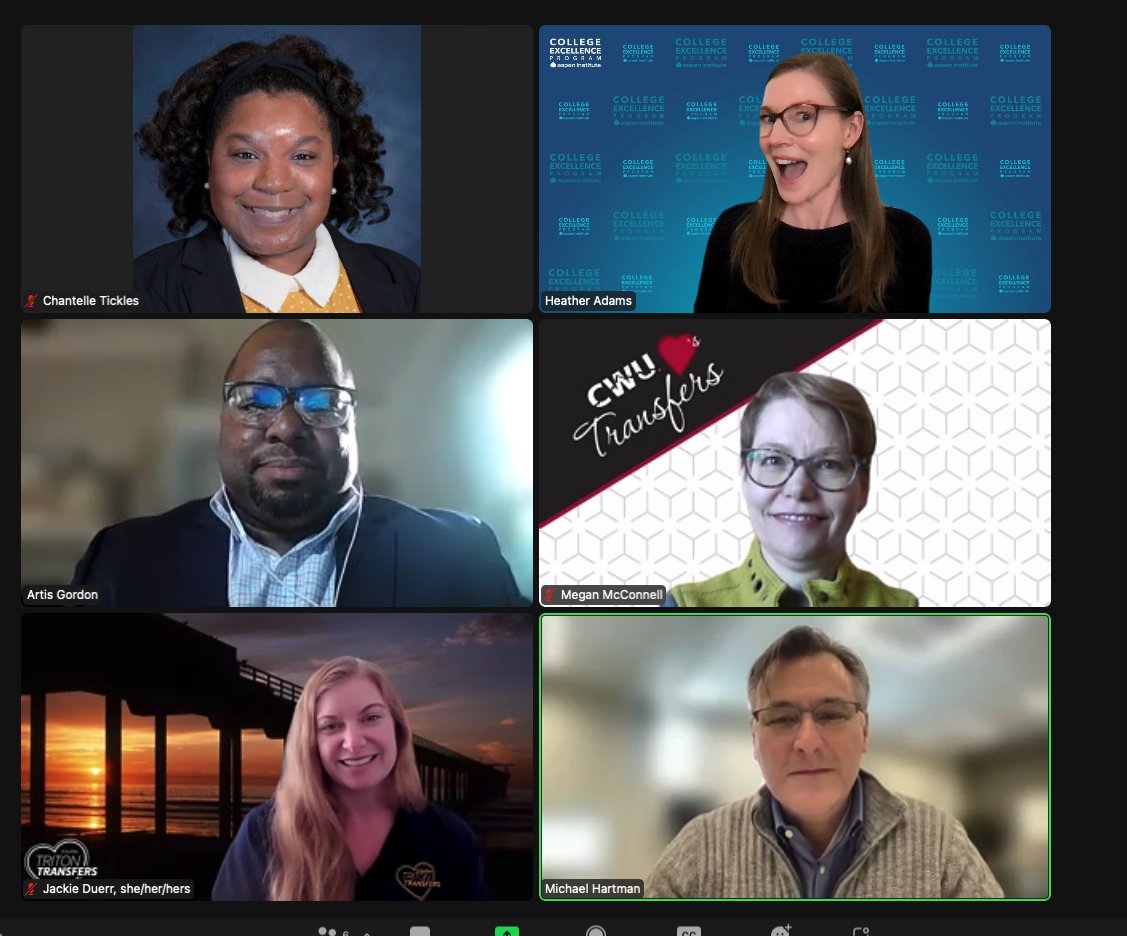
On July 12 at 12pm, a session will spotlight @transfertweet Transfer Champion-Rising Star Award winners and highlight their top strategies for influencing change, with Ithaka S+R's Emily Tichenor alongside Mayra Arroyo, @JLTDuerr, and @jacquirogersSA. https://t.co/1P2IBXgs9n
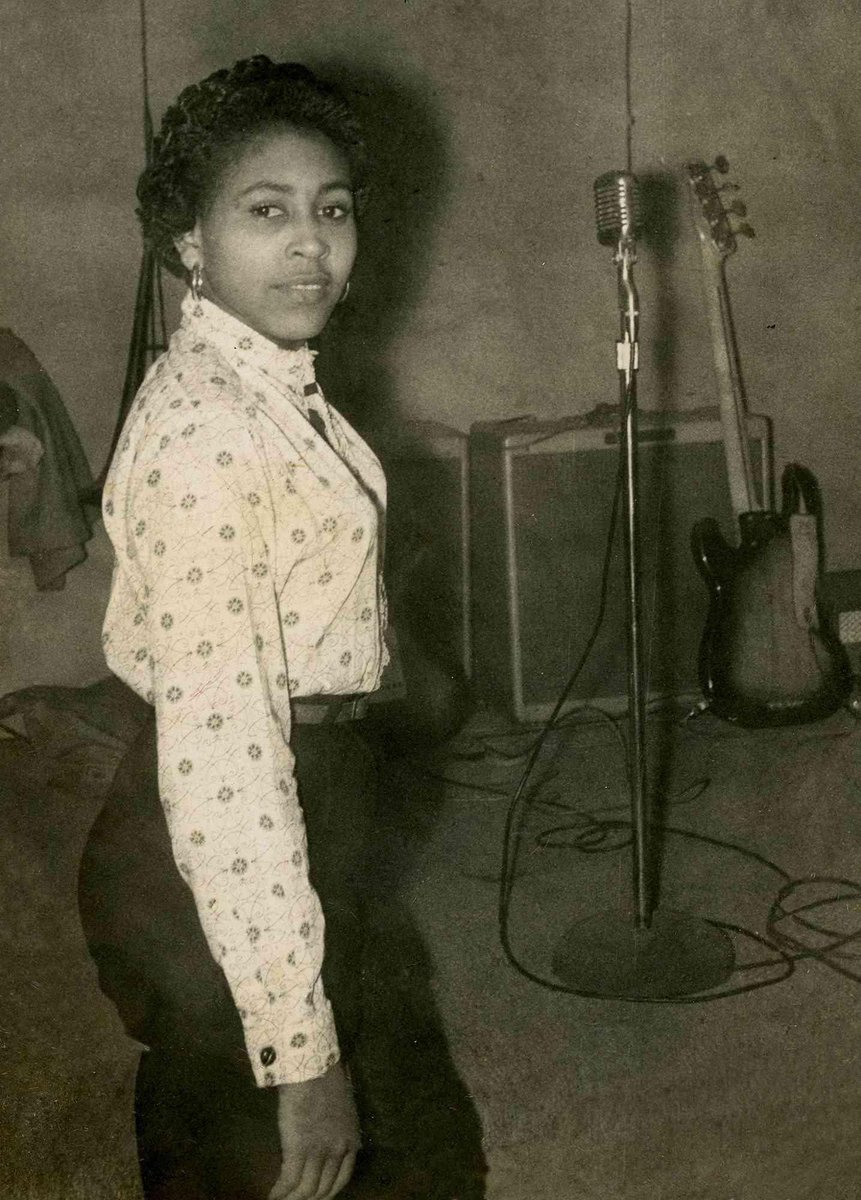
When Tina Turner left her first husband - who was also her boss, captor, and brutal tormentor - she snuck out of their Dallas hotel room with a single thought in her mind: "The way out is through the door."
From there she fled across the midnight freeway, semi-trucks careening past her, with 36 cents and a Mobil gas card in her pocket. As soon as she decided to walk out that door, she owned nothing else.
When she filed for divorce, she made an unusual request. She didn't want anything: not the song rights, not the cars, not the houses, not the money. All she wanted was the stage name he gave her - Tina - and her married name - Turner. This was the name by which the world had come to know her, and keeping it was her only chance to salvage her career.
Things could have gone a lot of ways from there. She could have labored in obscurity for decades, maybe making records on small labels to be prized by vinyl connoisseurs in Portland. She could have stayed in Vegas, where she first went to get her chops back up, and worked as a nostalgia act. And, of course, given what she had been through, she might have ... not made it.
What happened instead is that Tina Turner became the biggest global rock star of the 80s. I'm old enough to barely remember this, but if you aren't, it was like this: The Rolling Stones would headline a stadium one day, and the next day it would be Tina Turner. A middle-aged Black woman - she became a rock star at 42! - sitting atop the 1980s like it was her throne.
She managed this because of whatever rare stuff she was made of (this is a woman whose label gave her two weeks to record her solo debut, Private Dancer, which went five times platinum); because she decided to speak publicly about her abusive marriage and forge her own identity, and in doing so give hope and courage to countless women; and also because - in a perhaps unlikely twist for a girl from Nutbush, Tennessee - she had her practice of Soka Gakkai Nichiren Buddhism, to which she credited her survival. She remained devout until the end.
Tina's second marriage - to her, her only marriage - was to Edwin Bach, a Swiss music executive 16 years her junior. Of him, she said, "Erwin, who is a force of nature in his own right, has never been the least bit intimidated by my career, my talents, or my fame."
In 2016, after a barrage of health problems, Tina's kidneys began to fail. A Swiss citizen by then, she had started preparing for assisted suicide when her husband stepped in. According to Tina, he said, "He didn't want another woman, or another life."
He gave her one of his kidneys, buying her the remainder of her time on this earth and perhaps closing a cycle which took her from a man who inflicted injury upon her to a man willing to inflict injury upon himself to save her from harm.
Born into a share-cropping family as Anna Mae Bullock in 1939, she died Tina Turner in a palatial Swiss estate: the queen of rock 'n roll; a storm of a performer with a wildcat-fierce voice; a dancer of visceral, spine-tingling potency and ability; a beauty for the ages; a survivor of terrible abuse and an advocate for others in similar situations; an author and actress; a devout Buddhist; a wife and mother; a human being of rare talent and perseverance who, through her transcendent brilliance, became a legend.
Will Stenberg
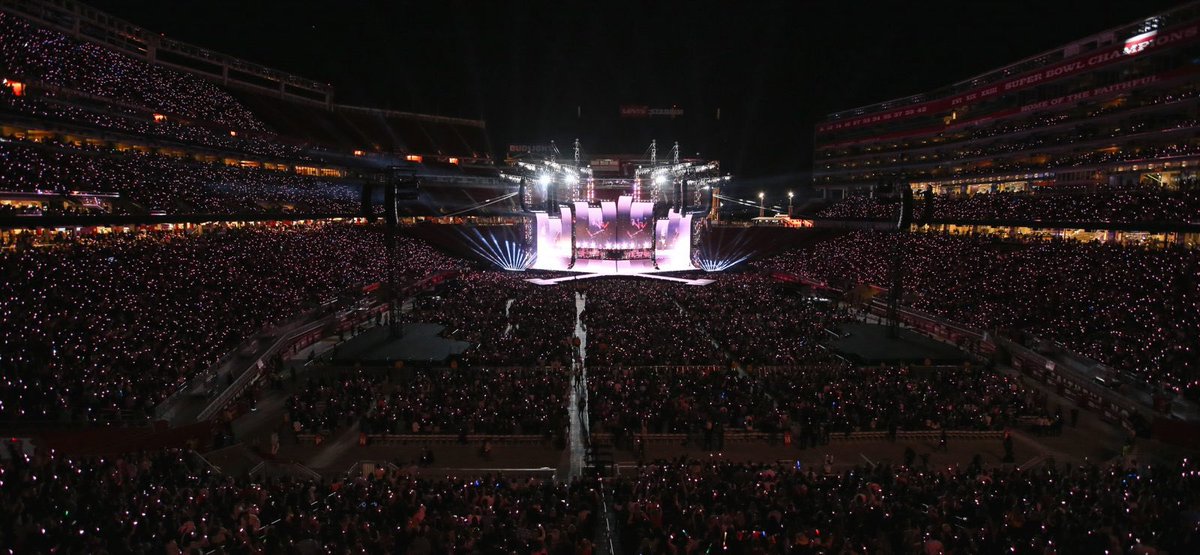
Jamie Lee Curtis wonders why artists don’t have concerts during the day rather than night:
“Why are there no matinees? I'm not gonna go see Coldplay if they start their show at 9 and there's an opening act. I want to hear Coldplay at 1 PM.”
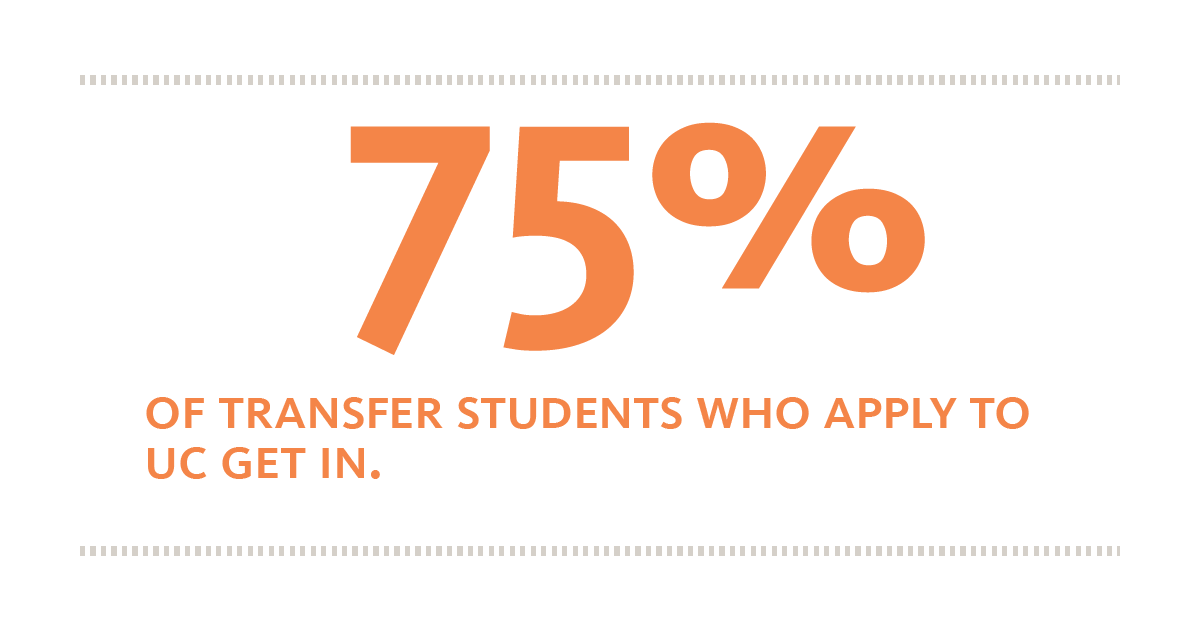
We’re building a University as bold and diverse as our state by deepening community partnerships, streamlining the transfer process, recruiting diverse students & faculty, pursuing new federal resources & more. Read more about these efforts across CA: https://t.co/eXTt3SuhY9
The most profitable skill in 2022:
Storytelling
But sadly schools never even taught us the basic of it
Today we’ll run through 7 frameworks, let’s dive in:
In celebration of National Transfer Student Week, we got to know alumna Jackie Duerr (Psychology, ’09; Master of Education, ’11), program manager for @UCSanDiego’s Transfer Student Success Program. Read Duerr's story and advice for students: https://t.co/Cz9VsGo5Ah.
It’s National #TransferStudentWeek! Transfer students are a vitally important part of the @UofCalifornia community. Curious about the process of transferring to a UC campus? Learn more and make a plan: https://t.co/aYfQUT27aU
Hear more from @JLTDuerr on her #TNTalks ep! And see some of the ways @TritonTransfers passively and actively engage transfers on their stellar website! https://t.co/VMfD57l30S @UCSanDiego Transfer Hub website: https://t.co/SBB3OwsX2G
You don't need deep analysis or film study to make your Super Bowl pick. Just take the prettiest kitty this side of the Mississippi and let the food do the work.
Claudia Jean is a smart gambler though...always hedging the bets 🙄🙄