🦉🌾 How do nocturnal birds share space in tropical landscapes?
Our study in The Gambia shows nightjars may partition space at fine scales, with strong use of rice fields for foraging.
Now published in @Ecol_Evol
Habitat use matters—even at night 🌒
📄 https://t.co/2U8BaCCfQj
#WorldZoonosesDay is coming up on July 6.
3 in 4 new or emerging infectious diseases in people come from animals. We become better prepared for disease threats when we understand the links between people & animals and take actions to protect ourselves.
https://t.co/4yLxbCEGw3
Our datapaper "Global Roadkill Data: a dataset on terrestrial vertebrate mortality caused by collision with vehicles" is now online on @ScientificData: https://t.co/nrcvizfyht #RoadEcology
Vamos a lanzar un mensaje muy claro y lo vamos a dejar fijado. La emergencia meteorológica no ha finalizado. La dana sigue sobre España. Se están produciendo tormentas muy intensas, ayer en Andalucía, hoy en Castellón. Vamos a seguir así gran parte de la semana.
ICYMI, we mapped opportunities for onshore renewables across the UK, and found that there's easily enough space to meet net zero energy targets without compromising other objectives from land: https://t.co/FoNLcomam3 Eagerly awaiting the government's Strategic Spatial Energy Plan
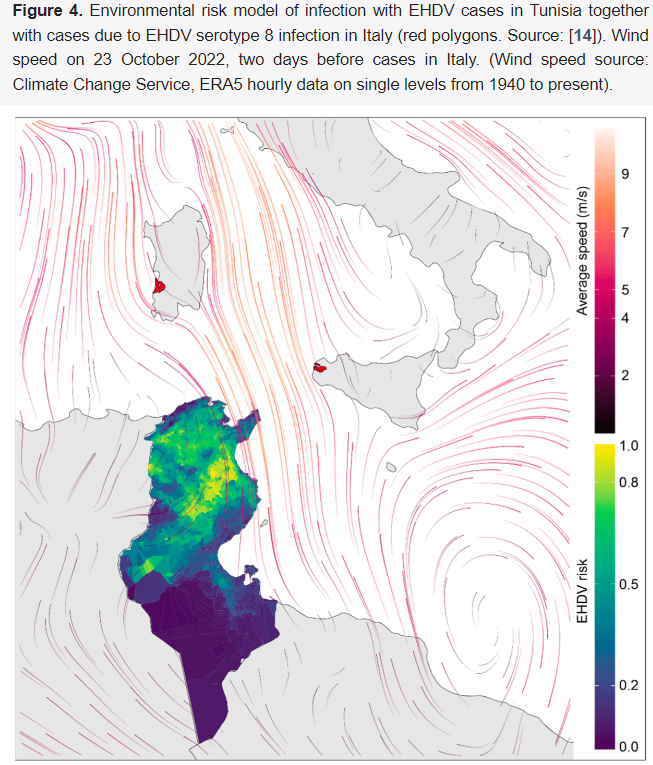
🗞️#Newpaper is out!
The risk of #EHDV cases in Tunisian livestock can cross borders and even continents. Infected vectors (#Culicoides 🦟) can be transported by wind to #Europe.
🔗https://t.co/z50Qp5sBeO
📚@VirusesMDPI
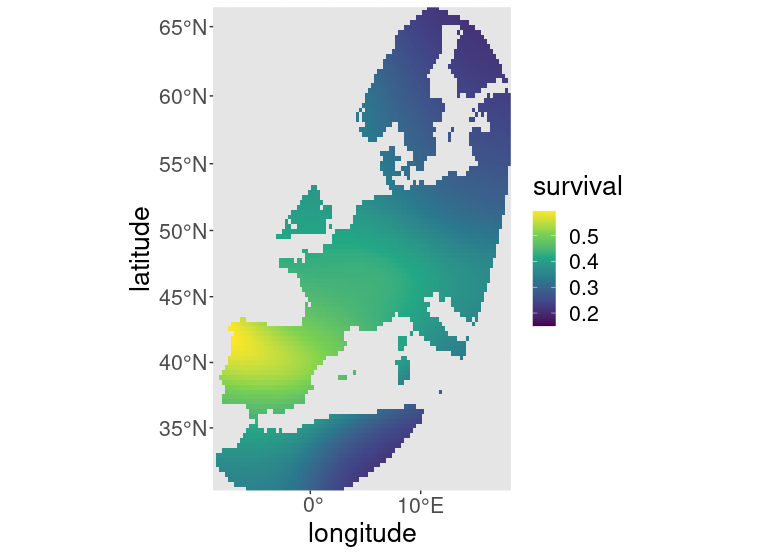
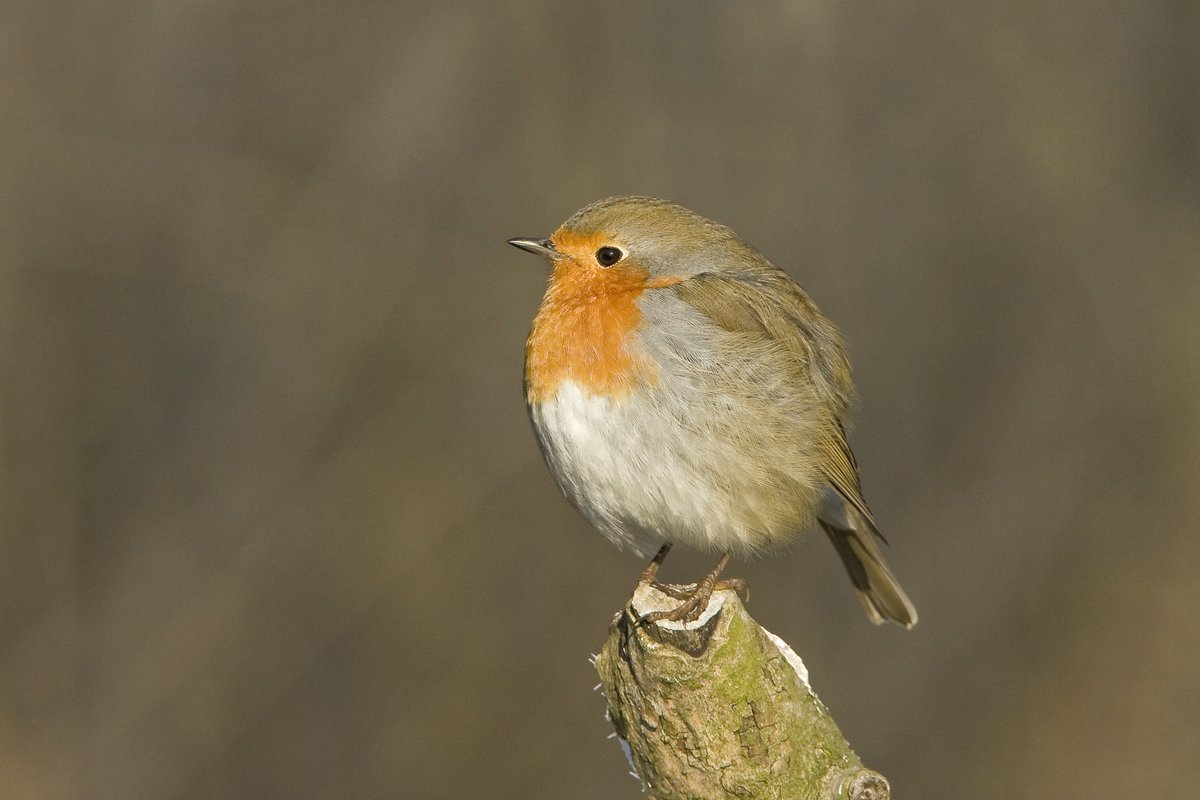
Our new study with ring recovery data show that Robins wintering in Iberia have a higher survival than individuals wintering elsewhere in Europe or North Africa. The model allows to estimate survival dependent on where the birds spend the winter using ring recovery data.
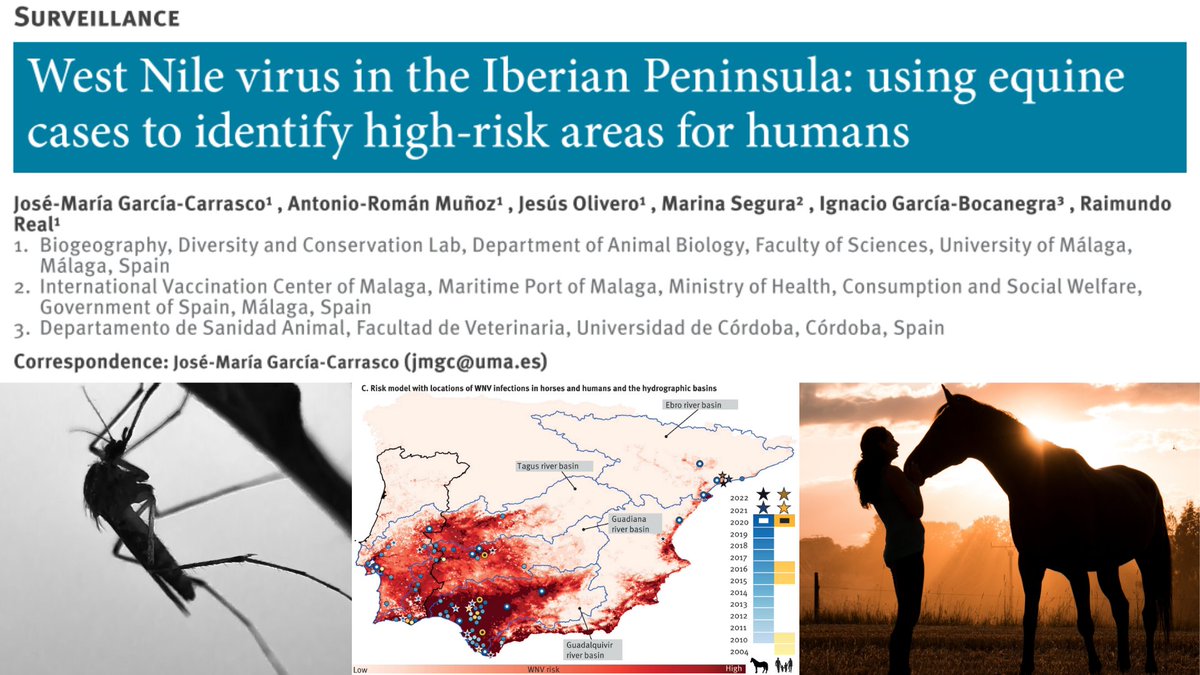
🟢Elaboran mapas que predicen el riesgo de contraer la fiebre del Nilo Occidental
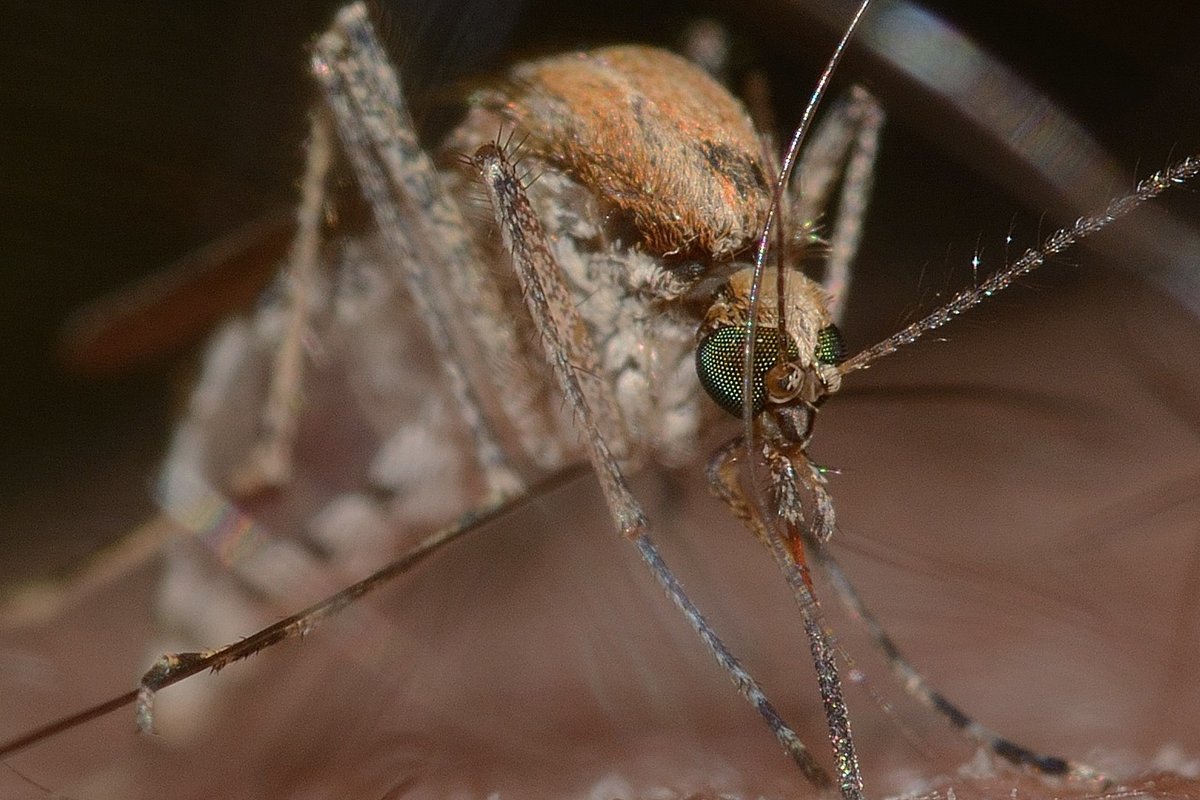
🦟➡️Se trata de un virus emergente en España que se transmite de aves a humanos a través de las picaduras de mosquitos
ℹ️https://t.co/boGjRt61kJ
Las infecciones por el virus del Nilo Occidental (#WNV) en humanos en Cataluña y en Valencia este año (2023) ya fueron susurrados por los caballos en el 2020 🐎
👇
https://t.co/I7Tk8joDjC
#VNO#OneHealth#brotes#Cataluña#Valencia#EBD
La incidencia del virus del Nilo Occidental en personas y otros mamíferos (caballos) ha aumentado en los últimos años. Se prevé que la prevalencia de este virus siga aumentando debido al aumento de las temperaturas medias anuales por el cambio climático.
https://t.co/ORvLlTkYm4
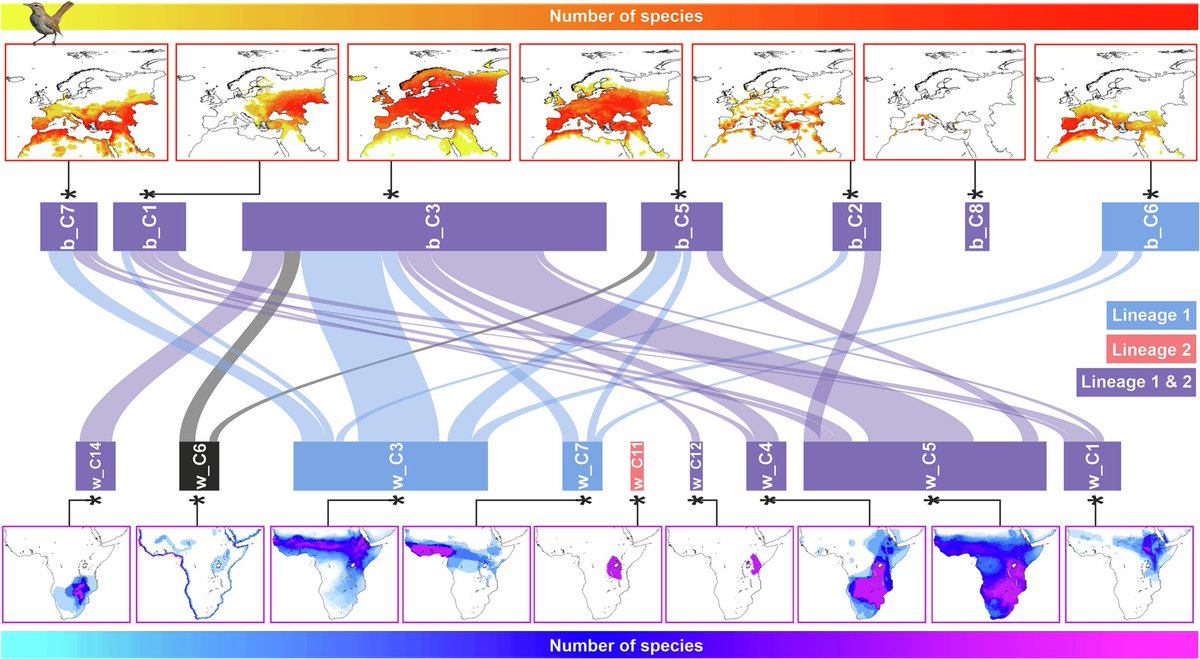
Las zonas de riesgo de infección por #WNV 🦟 en África y Europa están conectadas por aves migratorias 🦉
La salud humana y los procesos naturales que implican a los animales y los ecosistemas están íntimamente relacionados #OneHealth
🔗https://t.co/1iSj8qm4j8