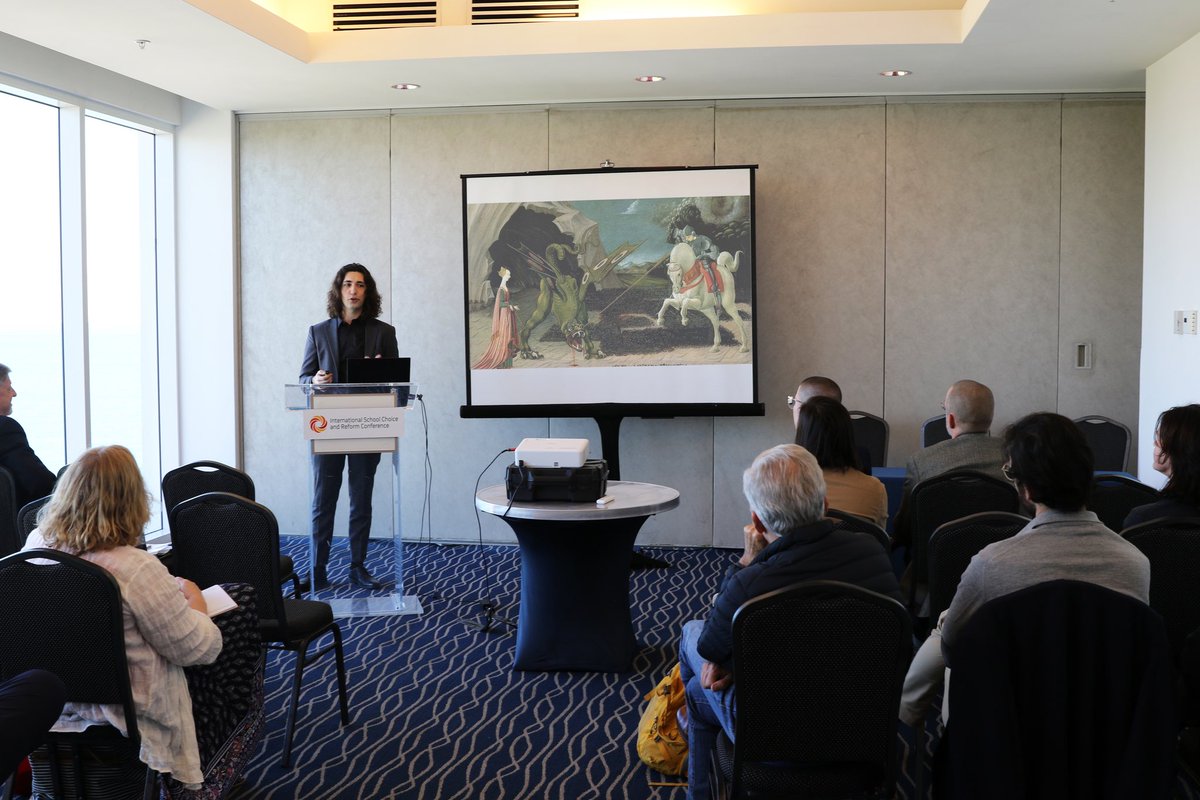
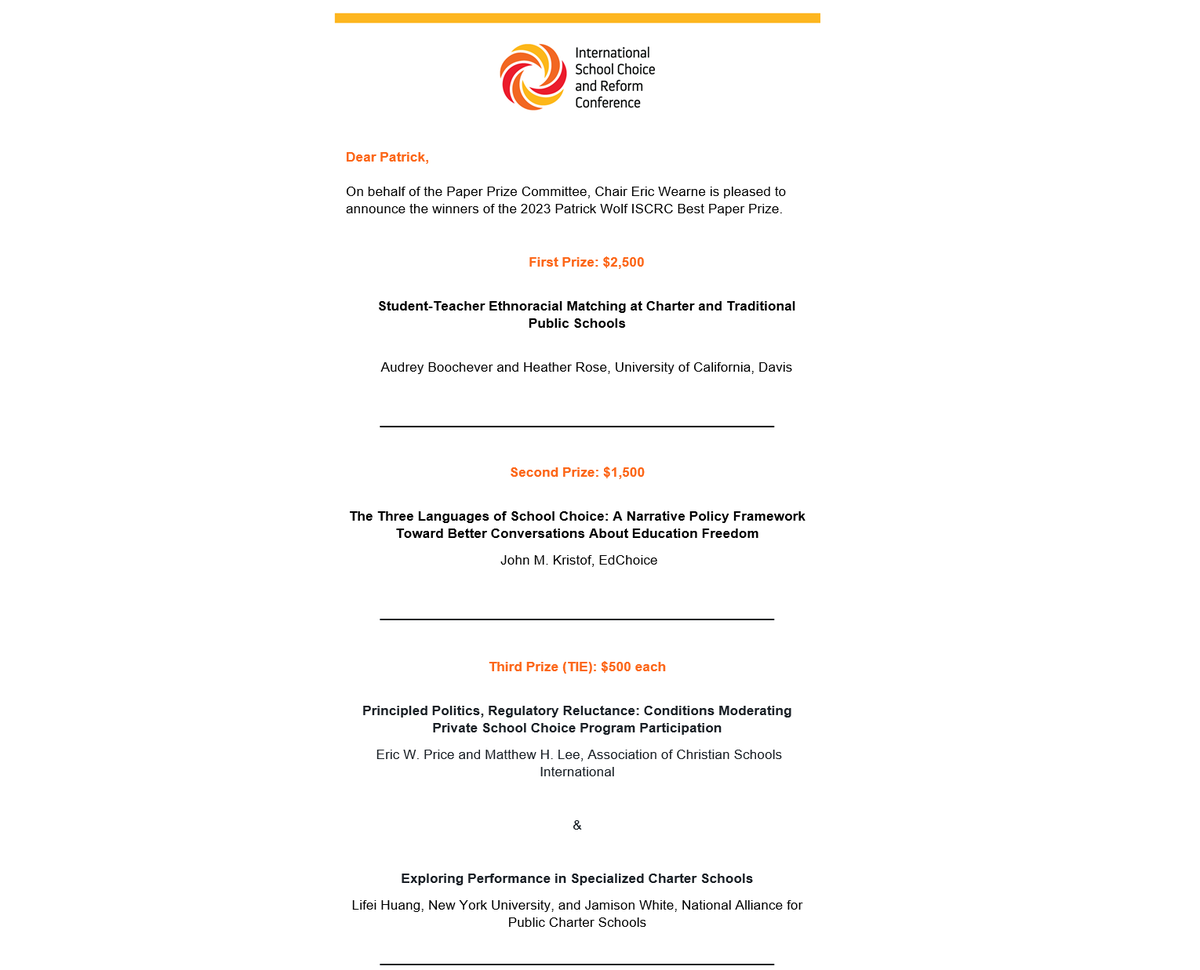
Very honored to win Second Place for the #ISCRC2023 paper prize. The feedback and enthusiasm I’ve received has been very exciting. It confirms there’s an appetite for understanding why we do what we do and how to do it together better. NPF is a great tool for that. Stay tuned!
Several recent events are making it difficult for me to remain here in good conscience. If you know me you know I try hard to be understanding and non-reactionary, so I consider it a big deal to decide this. If you care to see future tweet-y things, I'm on Bluesky, same username.
ESA support among the general public doesn’t vary much from state to state. The lowest support rating we saw this year was 65%, and there was a two-way tie for the most supportive state at 73%.
Gold star for anyone who can guess are the two states tied for first.
ESA support among the general public doesn’t vary much from state to state. The lowest support rating we saw this year was 65%, and there was a two-way tie for the most supportive state at 73%.
Gold star for anyone who can guess are the two states tied for first.
New mixed methods study of homeschoolers’ relationship with “school safety” in @josc_official. Thanks to my talented co-authors at @NCStateEEPA for their vision in this project.
This is a great post from @jmkristof. There's a lot of work to be done to inform and educate parents about K-12 choice programs and policies in their states. https://t.co/B7Xg48iGrM
Like other public programs such as SNAP or EITC, school choice has an awareness problem. For example, almost all states have some kind of open enrollment, but only half of parents from those states think their state offers it. Awareness is even lower for private choice programs.
School choice programs are here, but many families don't know about them. What's causing this awareness gap? Our Senior research analyst @jmkristof's new blog explores why there is a disconnect.
https://t.co/0puHu3TGH1
Our latest study, Can User Review Platforms Like @GreatSchools Improve Information for Schooling Choices? explores both the potential and limitations of online reviews in guiding parents’ school decisions - https://t.co/9fl6Vu7KjB
Sometimes you have to fight for what's right. The 3/5 compromise was an affront to human dignity. And sometimes it's difficult to compromise without undermining the sacredness of the thing each side is wants to protect. But humans aren't built for every conflict to be a holy war.
Nice thread on the lost notion of compromise.
America has always had political issues with binary options. One of the first things I remember noticing about politics as a kid was that these topics tended to be the most vitriolic. Now it's the way we talk about many/most issues.
This is going to a long thread on two issues I think are related, the challenge of having a national shared narrative in America and the nature of the political landscape that led to Trump's victory.
I'm 70 years old and lived in America until three years ago. I have a PhD 1/
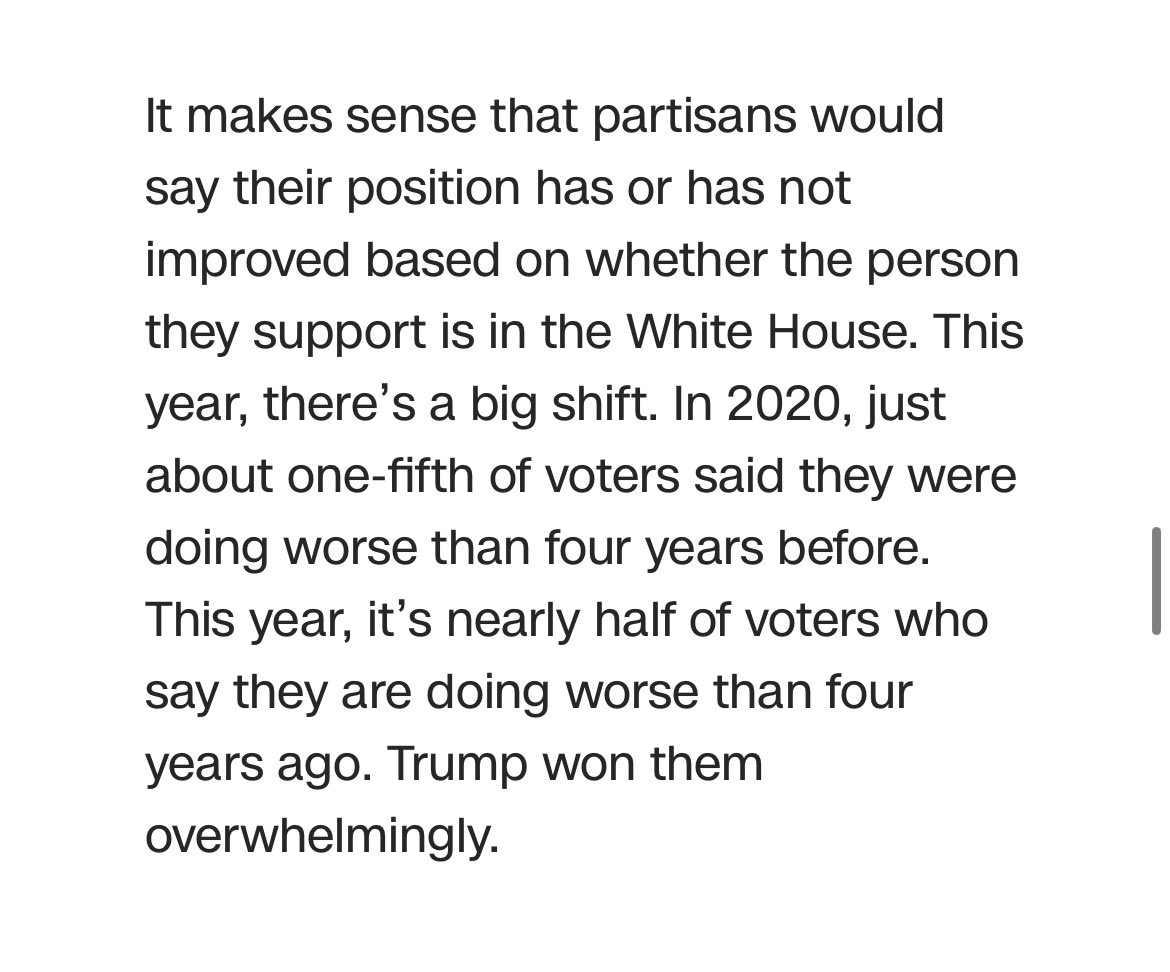
I think people unhappy with their life direction are likelier to vote
>2x voters felt worse now vs ‘20 compared to ‘20 vs ‘16
Yet total votes for both candidates are noticeably lower than in ‘20
Something brought “people who think life is fine” to vote in ‘20 but didn’t in ‘24
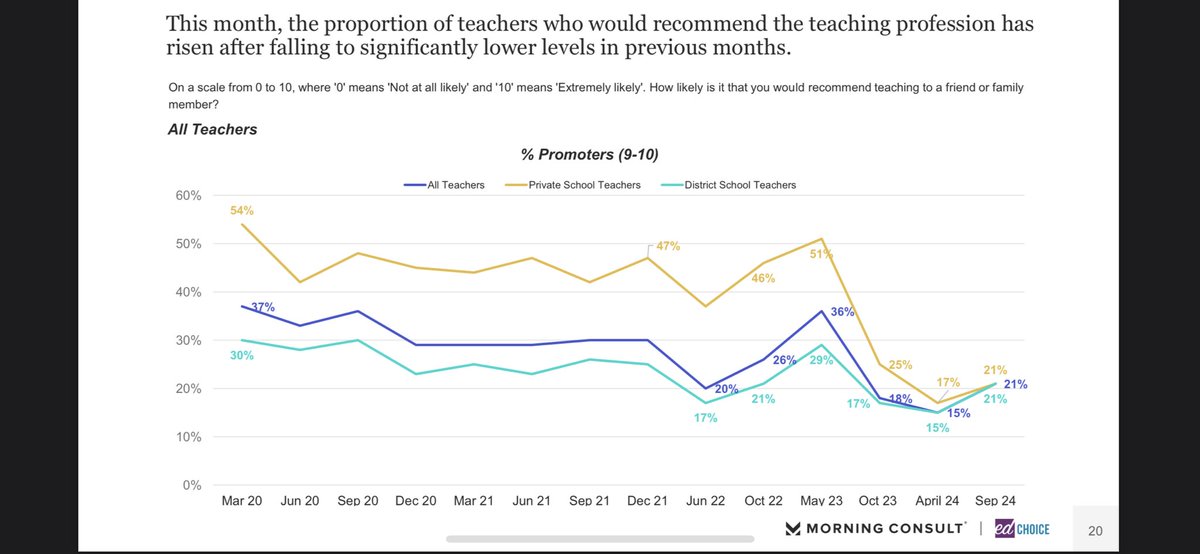
Teachers are feeling better about the field now than they were in the spring, but that’s not saying much.
Unlike previous years, private school teachers are just as unlikely to recommend the profession as public school teachers.
Parents are likelier to evaluate the success of a school year qualitatively than quantitatively. Report cards, grades, and standardized tests are much less likely to be seen as a valuable feedback tool than simple communication with their child and teacher.
However, parents tend to find testing more useful when thinking about children in general rather than their own child.
Great insight from Alli Aldis in her most recent polling roundup https://t.co/HdhGt52ZTG
Parents are likelier to evaluate the success of a school year qualitatively than quantitatively. Report cards, grades, and standardized tests are much less likely to be seen as a valuable feedback tool than simple communication with their child and teacher.
Parents are likelier to evaluate the success of a school year qualitatively than quantitatively. Report cards, grades, and standardized tests are much less likely to be seen as a valuable feedback tool than simple communication with their child and teacher.
Want to diffuse polarization and boost student learning, at the same time? Doing these three things will help. @JHUeducation@Harvard_Ed_Pub@The74
https://t.co/971ADZcyb7