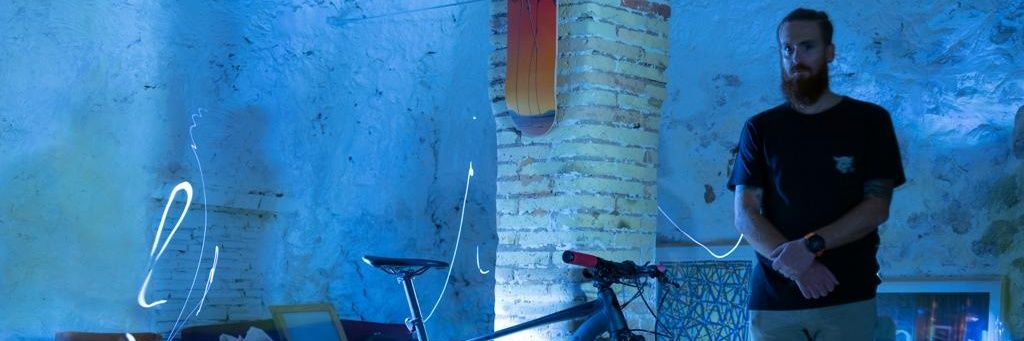
Los mismos que llevan días señalando, criminalizando y deshumanizando a la Policía Nacional por una única intervención guardarán silencio mientras nuestros compañeros de #Murcia se juegan la vida luchando contra el fuego en el incendio de #LosGarres#SomosProfesiónDeRiesgo
🔴 I NEED YOUR ATTENTION
I've spent a month helping Miriam with her case of metastatic cancer and I want to share the methodology I've been using because it's completely replicable.
I think (with luck) this could be USEFUL TO OTHER PEOPLE with cancer (or any other illness).
The results we've gotten aren't a miracle, but we believe they're genuinely useful and could mean the difference in a literal life-or-death medical case.
Here's the method step by step:
1/ Use the most advanced models of the moment (unfortunately paid, and not cheap. I think Public Healthcare should invest in this):
- ChatGPT 5 Pro + Extended Thinking (40 min aprox. of thinking per call)
- Claude Opus 4.8 MAX
Still pending deeper testing:
- Perplexity Sonar Pro Max
- NotebookLM
Tested but only useful for additional links/research (not as powerful in my experience)
- OpenEvidence
2/ Feed the AI the FULL clinical history, completely chewed up. This sounds dumb but it's critical.
- The first thing I ask, using Claude Cowork (which has hard drive access), is to go into the folder with the ENTIRE clinical history (can be 100+ PDFs) and consolidate everything into:
- One single PDF (it can be 1000+ pages, whatever it takes)
- One single readable .txt or .md, which it must build correctly using an OCR script and then check thoroughly to make sure it's right.
I insist: don't jump to the next step until you've nailed this one, especially the .txt.
3/ Once you have the above, use this prompt along with the .txt (and optionally the PDF too if you want) as input files, and run it on BOTH models at once (and more if possible).
👉 This prompt is insanely complex/advanced: https://t.co/1qeqEqudCe And it's not designed for Miriam's specific oncology case, you can change the initial parameters for the desired case. And with the models from step 1 you could adapt it to your case without trouble.
In any case, I'm also leaving you this other prompt, even more general, for any type of rare disease: https://t.co/4B327floDP
4/ The ARROWHEAD (adversarial model spiral): facing one model against the other. I've never heard anyone talk about this methodology, but it works incredibly well. The feeling is like sharpening a stake until it gets a gleaming point.
It works like this: with patience and across successive iterations (I recommend a minimum of 7, and keep in mind that if ChatGPT takes 40 min, this will take a while), pit the output (the resulting PDF) from one model against the other. With a simple prompt like:
"Another committee of experts says this. What do you think? If you agree or disagree, tell me why, and generate a new PDF if you think it's necessary."
Then you feed that result back to the opposite model. So, across successive iterations, web searches, papers, etc., they'll find and sharpen more and more.
When to stop? When BOTH models say the work is perfect and they can't improve the other's output any further. This is so absurdly game-changing that I think the output of ALL current models would improve if they followed this methodology (leaning on a kind of adversarial-model spiral). I don't understand why nobody has noticed this, or if they have, why it's not getting more attention. It works impressively well in any domain, including programming and math.
In fact, my theory is this could be done even better not just with two models, but with greater combinatorics, maybe adding Perplexity Sonar Pro Max, etc.
RESULTS
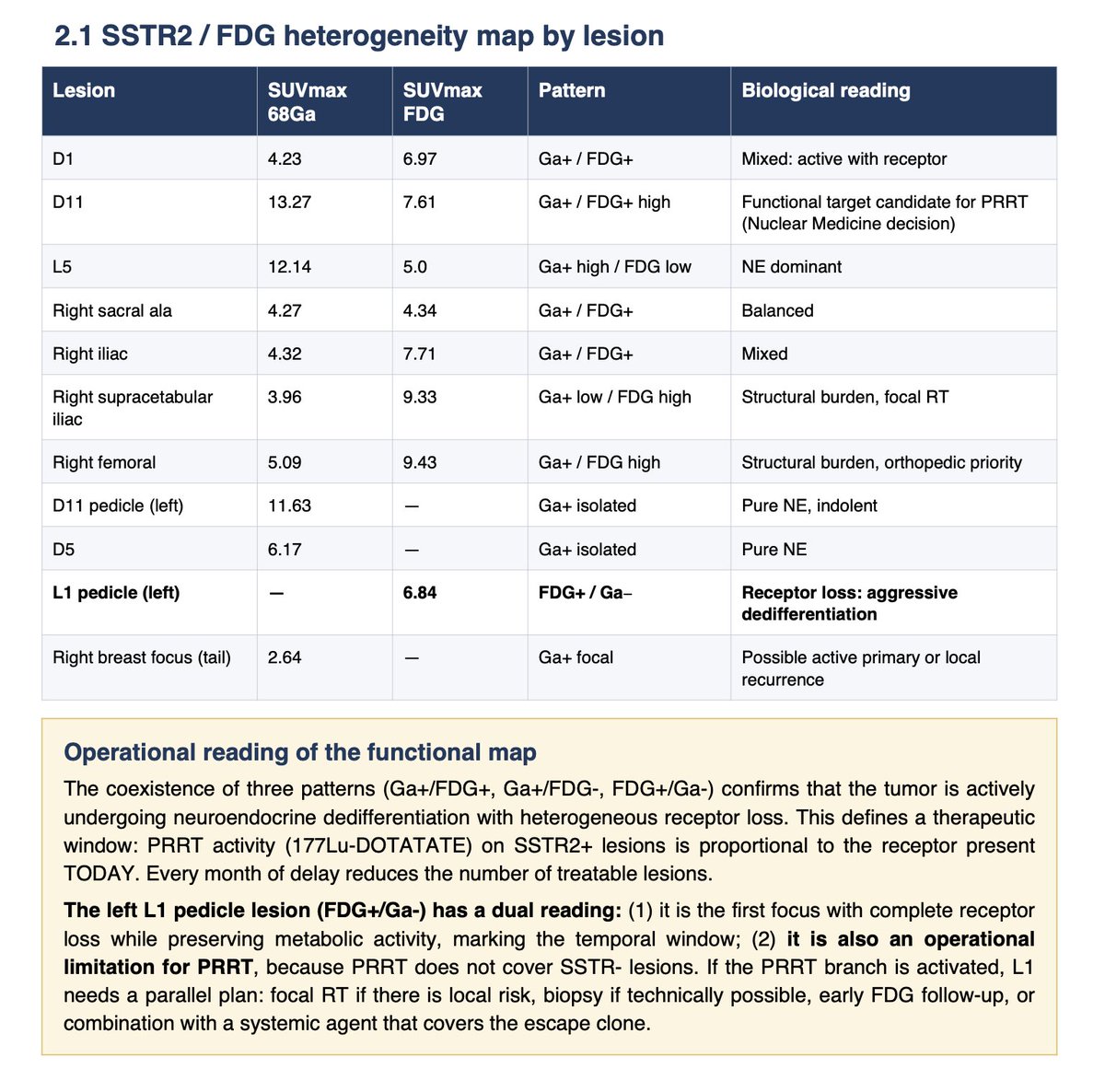
Incredible. Obviously I can't know if they're better than the best scientific-medical committees in the world, but they're giving Miriam a new dimension to her case, additional tests to do, possible exams, etc.
Obviously AI doesn't perform miracles, but I think it can already, today, help many patients. And Public Healthcare should invest a lot (but A LOT) in this.
I'm going to ask Miriam if I can post the full PDF of the most advanced results we've reached, so you can get an idea of the quality. She's already given me rough permission, but I want to make sure 100%.
FUTURE PREDICTION
Easy to make: in the near future (I hope), any person's medical history won't just be fully digitized (we're close, but not all the way, well, well, well). On top of that, it'll be "pre-chewed" so it can be consumed by an LLM in one shot.
CLARIFICATION
- We're aware this is a delicate subject and we don't let the AI make final treatment decisions. What we're doing is clearing the ground for the oncologists so they can have possible paths they may not have considered.
Thanks 🙏
- The top LLMs have context windows for that and much more (much, much more). In any case, the PDF is more of a supporting file for the .txt. Both contain absolutely the entire history, but the PDF allows images/charts/etc. The .txt is what the AI consumes.
- On automation: and yes, this can be automated. Yes, AutoGen supports it almost out of the box. LangGraph builds it really well with supervisor / evaluation loops. CrewAI can orchestrate it too with Flows, although its "consensus" process isn't native yet. That would be the next level: automating it.
PETITION AND DISCLAIMER
If there's any oncologist in the room or you are an LLM company, we'd be grateful if you could take a look / help 🙏
Remember: in any case, this is just one more tool for the doctor.
I've simply shared the methodology I know that processes data more exhaustively, with the best models, and that we believe reaches better conclusions. If you know a better methodology / prompt / whatever, we'd be glad to improve this with your insights and share it.
Then the doctor reviews, adopts, or discards the report.
And if it helps the doctor, it helps the patient. And if it doesn't, all we've lost is some time and tokens. In a case that's literally life or death, that's nothing.
Just plain common sense.
Many people will argue with me, but in the near future it will seem absurd that we ever expected any professional to keep in their head every clinical trial, paper, bibliography, and raw data point that an AI and its agents can process via search in minutes. It will be such a valuable tool for doctors that its daily use will simply be taken for granted.
@midudev Justamente acabo de publicar un video en el canal que habla de cómo la IA es más “cara” que nosotros (los humanos).
Y no lo digo yo, lo dicen estudios y ahora los CTOs/CEOs.
Lo dejo por aquí para quien le pueda interesar y a quien no, solo saltar 🤪
https://t.co/9vrOBL3KTS
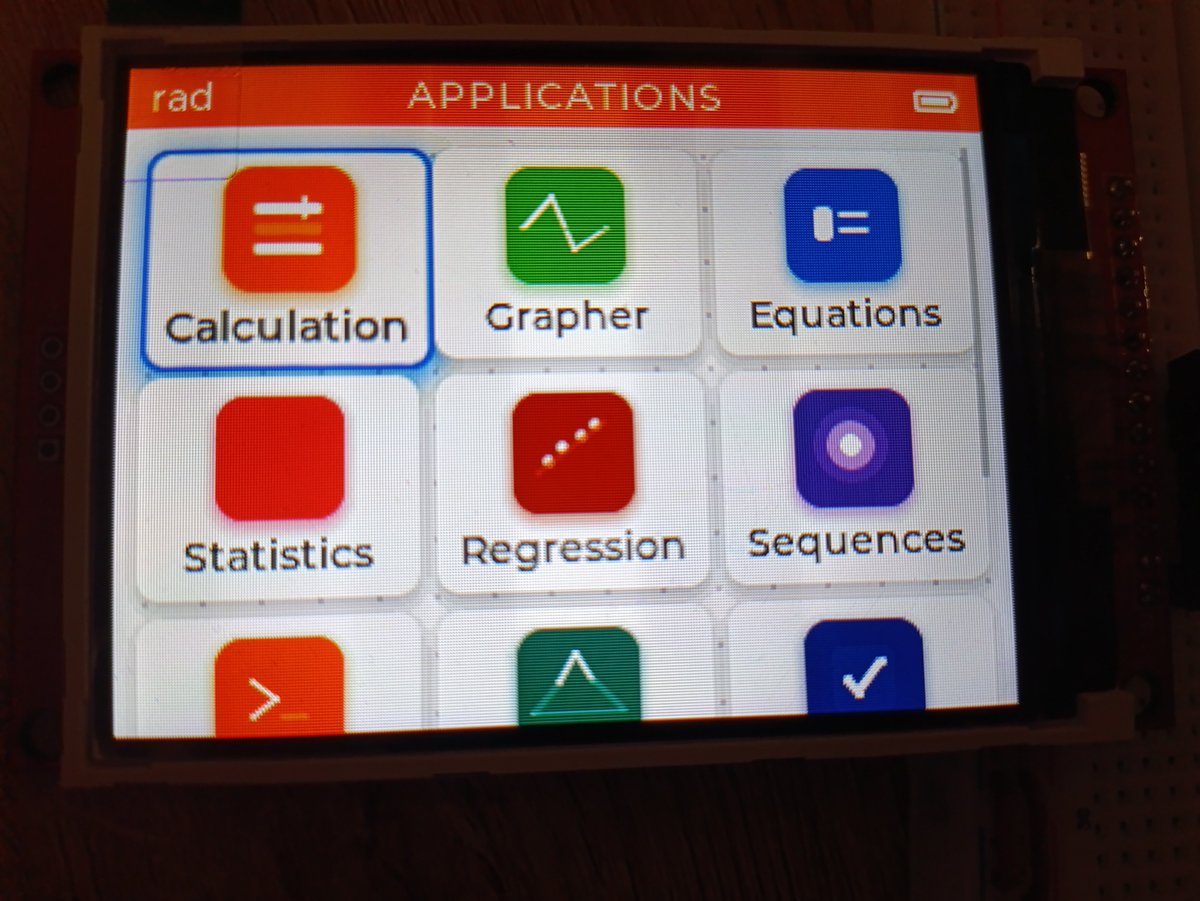
Tengo 15 años y me he propuesto destruir el monopolio de las calculadoras escolares (TI/Casio).
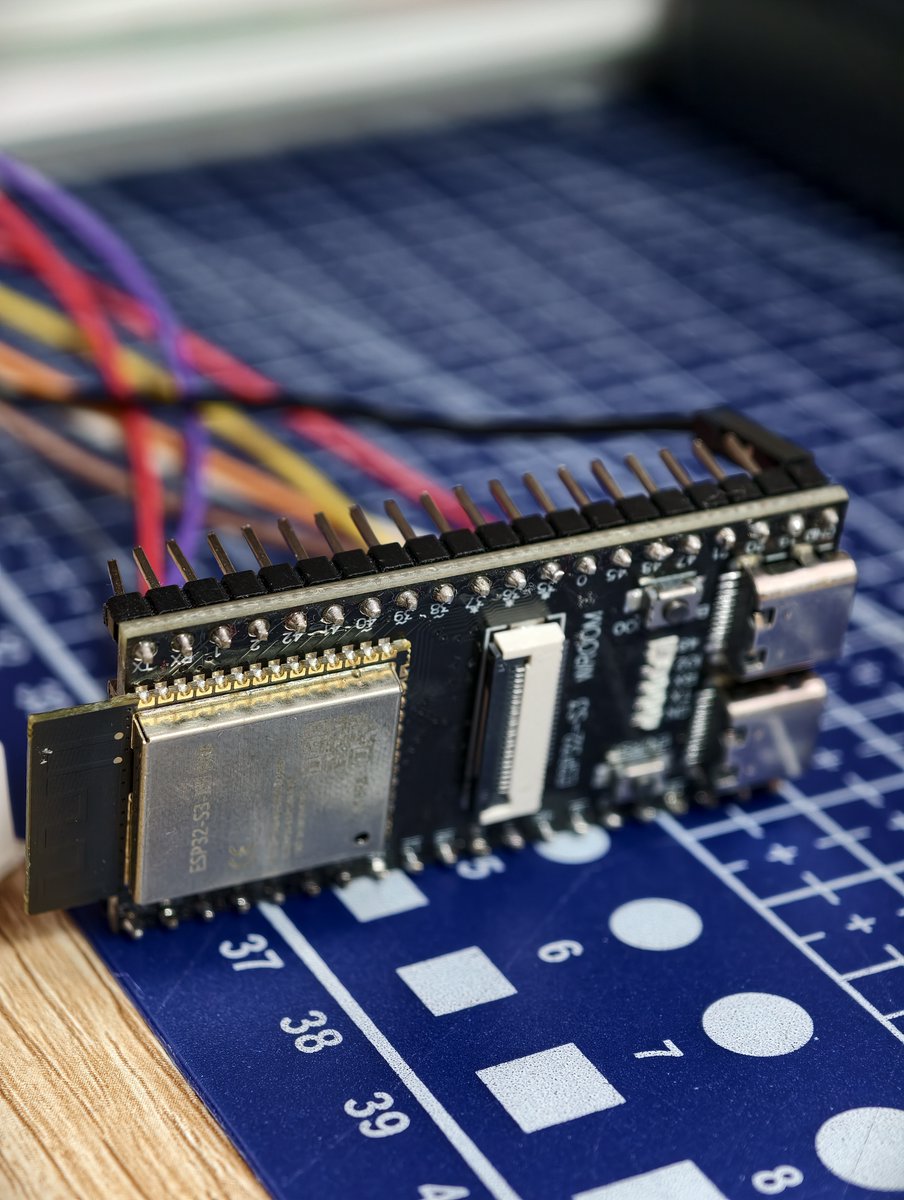
Hoy @david_bonilla cuenta mi historia en @labonilista frente a 16.000 ingenieros, pero aquí os traigo el detrás de las cámaras de cómo he metido un motor CAS en un chip de 5€.
1/n
Este paso de peatones de Algezares puntúa para las próximas olimpiadas, en la modalidad de gimnasia artística.
A los paralímpicos que les den por el c**o.
120 segundos de AI slop en lugar de currarse un anuncio como los de antaño.
Es compararlo con el primero que me viene a la cabeza de hace 15 años y me dan ganas de llorar 😭
Han montado una mesa en mitad de la Plaza Belluga para que desayunen los influencers mientras una pequeña orquesta toca Coldplay con violines para ellos. Qué cosas.
Busco editora creativa de vídeos cortos (Reels, TikToks, Shorts) para Help Miriam 💜
El proyecto está creciendo muy rápido y necesito a alguien que no solo recorte clips, sino que aporte criterio, sensibilidad estética y voz propia con ritmo Gen Z.
Si te sientes identificada, abre para ver los detalles completos 👇
Llevo meses construyendo Help Miriam (https://t.co/mcFTTsZ3S5), un proyecto que arrancó cuando inicié mi investigación sobre mi cáncer metastásico y que ya tiene equipo de trabajo, equipo médico internacional, prensa, patrocinadores y mucha conversación abierta.
El proyecto crece más rápido de lo que yo puedo seguir. Tengo cabeza para crear y material para grabar, pero no me da la vida para editar al ritmo que esto pide.
Por eso busco a alguien con un perfil muy concreto: editora de vídeos verticales con sensibilidad estética, ritmo Gen Z y voz propia. No busco a alguien que solo recorte clips. Busco a alguien que aporte criterio creativo.
Estos son dos ejemplos del tipo de edición que me llama mucho:
👉 https://t.co/GMhAek7t35
👉 https://t.co/61QN5FlTv6
Si te ves, tienes huecos y te apetece formar parte de un proyecto que va para largo, escríbeme un DM o en https://t.co/NYdISjqBhW con tu portafolio o ejemplos de tu trabajo.
Y si no te toca a ti pero conoces a alguien que encaje, etiquétala 💜
Gracias.