This has never made Africans consume less alcohol; it simply risks making cheaper illicit and unregulated alcohol more attractive.
When legal alcohol becomes unaffordable, some heavy drinkers do not simply stop drinking; they may move to cheaper alternatives, including dangerous illicit brews whose contents and alcohol levels are not properly regulated.
Pricing policies must therefore be accompanied by serious measures to address alcohol abuse, addiction and the illicit alcohol market. When someone is dependent on alcohol, increasing the price does not automatically make the addiction disappear.
Some people will instead divert money from essential household expenses such as food, healthcare, education and rent, while others may turn to cheaper illicit alcohol.
This concern about household spending is not imaginary. Research on what economists call the “crowding-out effect” has examined how spending on addictive products can displace spending on essential household needs.
South African research using National Income Dynamics Study data, for example, found that low-income households in which the household head smoked spent less on their children’s education, with poorer households more vulnerable to this substitution effect.
Poor households have limited budgets, and continued spending on addictive substances can crowd out essential expenditure.
So simply making alcohol more expensive is not a complete solution. If government wants to reduce harmful drinking, higher prices must be accompanied by accessible addiction treatment, education, enforcement against illicit alcohol producers and measures that address the social and economic conditions that drive harmful drinking in the first place.
Good afternoon to everyone who has joined our dieting and weight loss program.
Your first meal of the day should be between 12 pm and 2 pm to avoid eating your last meal too late. This schedule ensures a fasting period of at least 16 hours.
During the fast, please do not consume any food only water and unsweetened tea. Green tea is preferred if you have it. Many Chinese shops carry green tea; I bought the one shown here for $2.50.
Remember, this is a no-carb diet program.
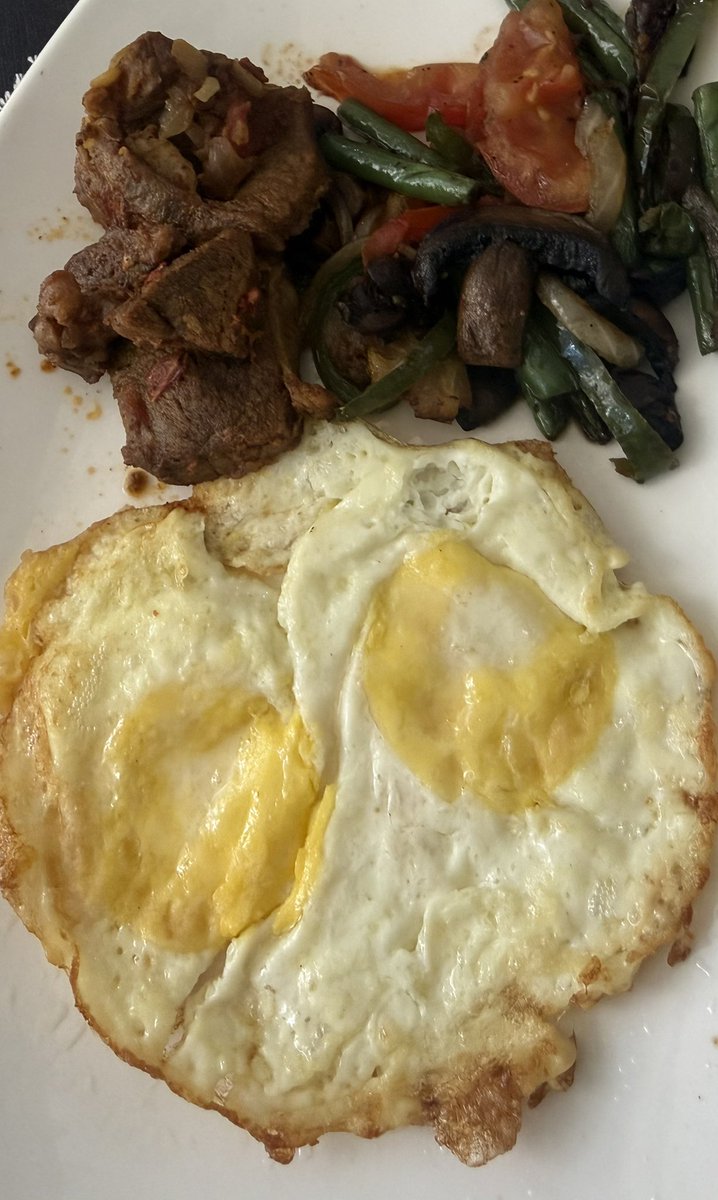
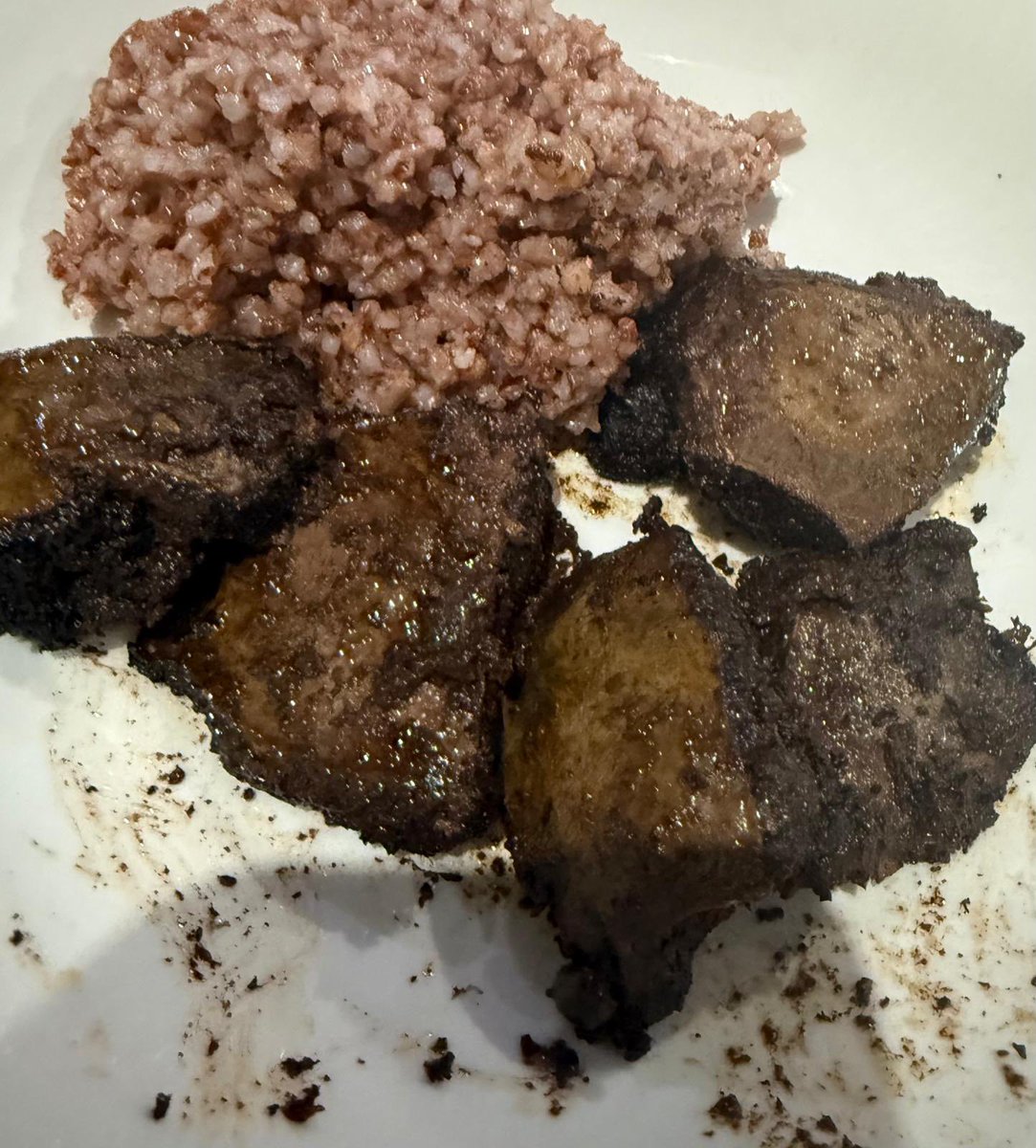
For lunch today, I am eating:
· 3 eggs ($0.30)
· 300g beef ($2.50)
· Greens ($0.70)
Portion control is always very important.
If you have a rural home (kumusha) like me, my eggs are organic, and so are my greens I only use organic fertilizer from my pigs’ bio-digester.
This lunch would cost about $3.50 if you’re buying everything, but much less if you grow your own food.
My dinner will be at 8 pm, and that will be my last meal of the day.
Yesterday, some friends of mine decided to join my diet program after seeing how it transformed me—I went from 125kg down to 102kg. Since starting, the fatty liver I was developing has completely healed, and my blood pressure has been normal for a year (though I still take my BP medication).
If you want to lose weight drastically without injecting anything into your body, you’re welcome to join us. You’ll need to stop eating the following immediately:
· Sadza
· Rice
· Potatoes
· Bread
· Sugar
· Any soft drinks or sugary drinks (including “zero sugar” drinks)
· All fruits except avocado
· No beer or whisky (only 2 glasses of red wine per day allowed)
Drink lots of water—at least 3.5L per day. We also fast for 16 hours daily: your first meal should be at 12 PM and your last meal at 8 PM.
Tomorrow, I’ll share a list of budget-friendly foods you can eat, especially suited for civil servants.
One of our biggest undoing as a pple is neglecting the small things in pursuit of Grandiose Mega Ideas.
There was a blueprint for road maintenance in Zimbabwe probably carried over from colonialism. If you look at Beitbridge-Chirundu road, every district it passes thru had a "Roadpartment" whose duty was to maintain the fences, cut grass and fix potholes. KwaChivi it was just before Dhibha rekwaMafenga.
Every 10 yrs, there would be resurfacing of the road. This was stopped just after ESAP. The road deteriorated and now we need billions of $ to build anew.
This is the case with Parirenyatwa and all hospitals in the country. We neglect maintenance waiting for things to be totalled before we are seen running around ullulating for "Major refurbishments"
Small things matter!
We should never sink from the political gutter that Mugabe left us in and end up in the sewer of hate.
Robert Mugabe was never Malawian, and Emmerson Mnangagwa is not Zambian — they are Zimbabwean.
When we lower our bar of engagement to crude xenophobic insults, we become no different from the people we are critiquing.
There are so many things we can say about Mugabe and Mnangagwa without resorting to xenophobic slurs.
Mugabe was born in 1924 at Kutama in Zimbabwe, he was not Malawian. Zimbabwe became a self-governing state on 1 October 1923; before that, there were no borders as we know them today, just traditional communities.
To insult someone born in 1924 at Kutama as Malawian is not only untrue, it sows seeds of tribalism and division. Judge Mugabe on his actions, abilities, and failures, not on the imagined origins of his ancestors.
The same applies to Mnangagwa. He was born in Rhodesia, and his father was born in Rhodesia. How then does he become Zambian? These careless claims only empower the very figures we are criticising, allowing them to point to our discourse as evidence of political immaturity.
Kenneth Kaunda’s father was Malawian, yet Kaunda became the founding president of Zambia. Anyone born in Africa is an African. Using colonial borders to define identity is not only historically flawed — it reveals how deeply colonised the African mind still is.
Zimbabwe could easily have become part of South Africa had the whites in Rhodesia voted differently in the 1923 referendum.
If that had happened, some of you would be South African today, hurling the same shallow insults at Zambians and Malawians — trapped in the same colonial mindset.
Liberation begins in the mind, and until we free ourselves from colonial ways of thinking, we will remain prisoners of the very borders drawn to divide us.
There is nothing wrong in saying Joshua Nkomo would have been a better leader than Mugabe, because there is plenty of evidence to support that — but do not kill that important point with xenophobic slurs.
Calling Mugabe Malawian based on imagined roots is as absurd and hurtful as calling Joshua Nkomo South African. Such words cut deep, fuel division, and betray the unity we desperately need.
All right-thinking Africans should reject this kind of xenophobia, for it wounds not only individuals but the very soul of our continent.
1/ the argument of who is better at running businesses; accountants, consultants, lawyers, engineers, actuaries or former professors is unhelpful & actual evidence is at best spurious.
emphasis is on acumen, leadership, resourcing talent, building teams & allocating resources…
This is were most guys lose it, you follow production, I advocate for productivity instead, productivity is mathematically computed by measuring output per unit of input, give it 5min to sink in 😅
"If large numbers of people believe in freedom of speech, there will be freedom of speech, even if the law forbids it. But if public opinion is sluggish, inconvenient minorities will be persecuted, even if laws exist to protect them."
- George Orwell
@daddyhope "Political leaders who have the gift of listening succeed tremendously, case in point was Ronald Reagan.
He was a very average B-list Hollywood actor who went on to become one of America’s iconic presidents, dealing with the Cold War to its finality."
@daddyhope Degrees dnt reflect one's governing capacity,integrity&humbleness do,Mugabe had multiple degrees,kamuzu Banda was a Dr,they produced disasters of epic proportions,There's nothing wrong with a hairdresser being minister of ICT if she accepts her limitations&listens to advisors
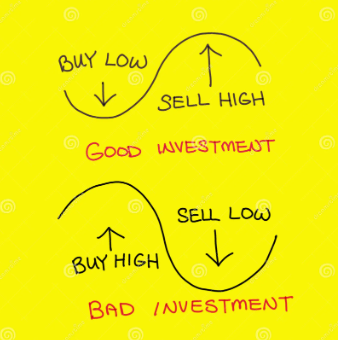
Believe you me, im sick of saying this but i will reiterate and say it anyhow, ndo mari yacho pa stock exchange, "Buy low, sell High", if you find yourself out of this matrix, haaaa, siyana nazvo, no point buying high and selling low...
1. Company loyalty will make you poor.
F*ck those 3% cost of living raises. Want to make *real* money? Start switching companies.
I switched employers every 3 to 4 years and got 20% raises each time.
If you like money, switch companies.
This is a new book by Magatte Wade @magattew called The Heart of a Cheetah; How We Have Been Lied To About African Poverty.
It was released yesterday.
We always encourage Africans to write and document their stories, but how many of us support them?
I am now challenging all of us to show the world that we support each other by simply RETWEETING this post so that many people both in Africa and abroad can see the Amazon link and buy the book.
Are Africans jealousy of each other, NOT always.
Let us support the sister, a RETWEET doesn’t cost you a penny, but it will help give more visibility to the book.
https://t.co/CRtaq7jw6y
@daddyhope 1) Thank you for the mention. It’s much appreacited. For those asking, the wines are available in Zimbabwe at @SuppliesLiquor. I’m SA you can find at @Makro_SA . We are also available in Kenya. In the USA we are in 30 different State and a quick google search wil locate the wine.