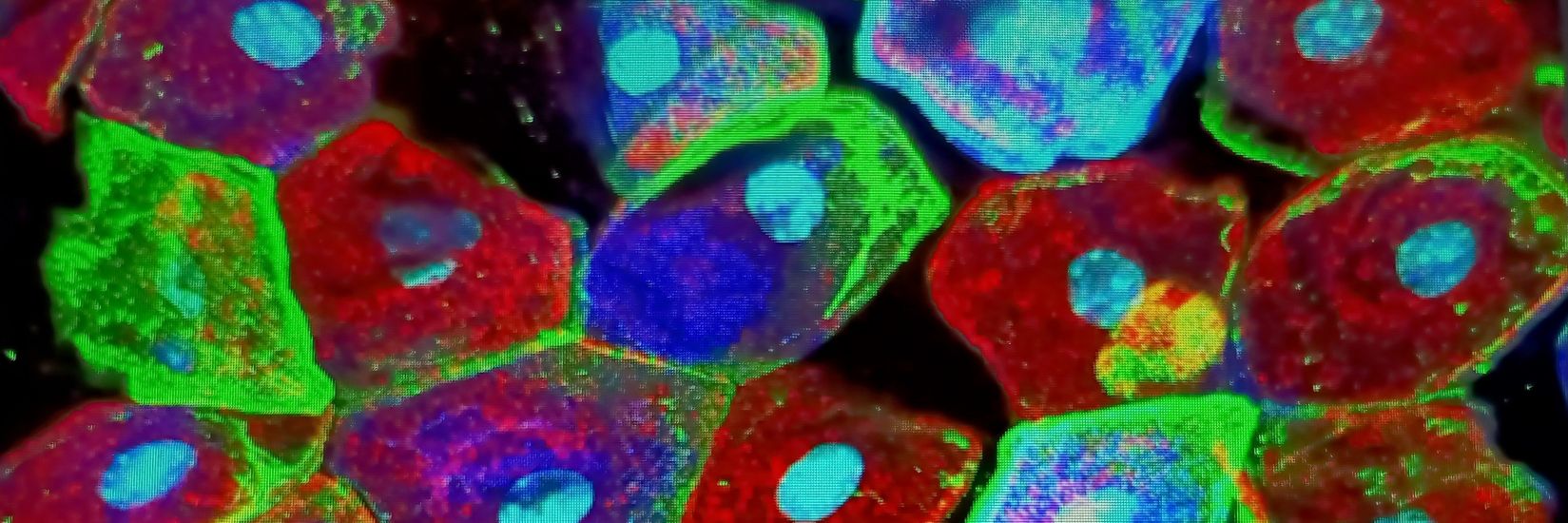
How do mechanical cues at wounds reprogram skin cells?
Our new study shows that actin remodeling regulates ERK1/2 signaling to allow DNMT3a nuclear entry, linking mechanotransduction to epigenetic control in early wound healing.
#Mechanobiology#Epigenetics#WoundHealing#bioRxiv
Actin-dependent mechanotransduction controls nucleocytoplasmic partitioning of DNMT3a through ERK1/2 signaling during cutaneous ... https://t.co/F3YRvSzHMT #biorxiv_cellbio
I am grateful to my co-authors, collaborators, and mentors for their support throughout this project. It was a privilege to contribute as the second author to this work.
📄 𝗣𝗮𝗽𝗲𝗿: https://t.co/ApeaMwGdDf
5/5: As I explore postdoctoral opportunities in translational research — bridging mechanobiology, epigenetics, and tissue regeneration — I wanted a space that reflects both my science and how I think about it.
Website: https://t.co/ffEtwzPWng
#AcademicCareers#mechanobiology
4/5: More than learning HTML & CSS, the process forced me to clarify my scientific identity.
How do I describe my work clearly?
What story does my research tell?
What should a future mentor grasp in 30 seconds?
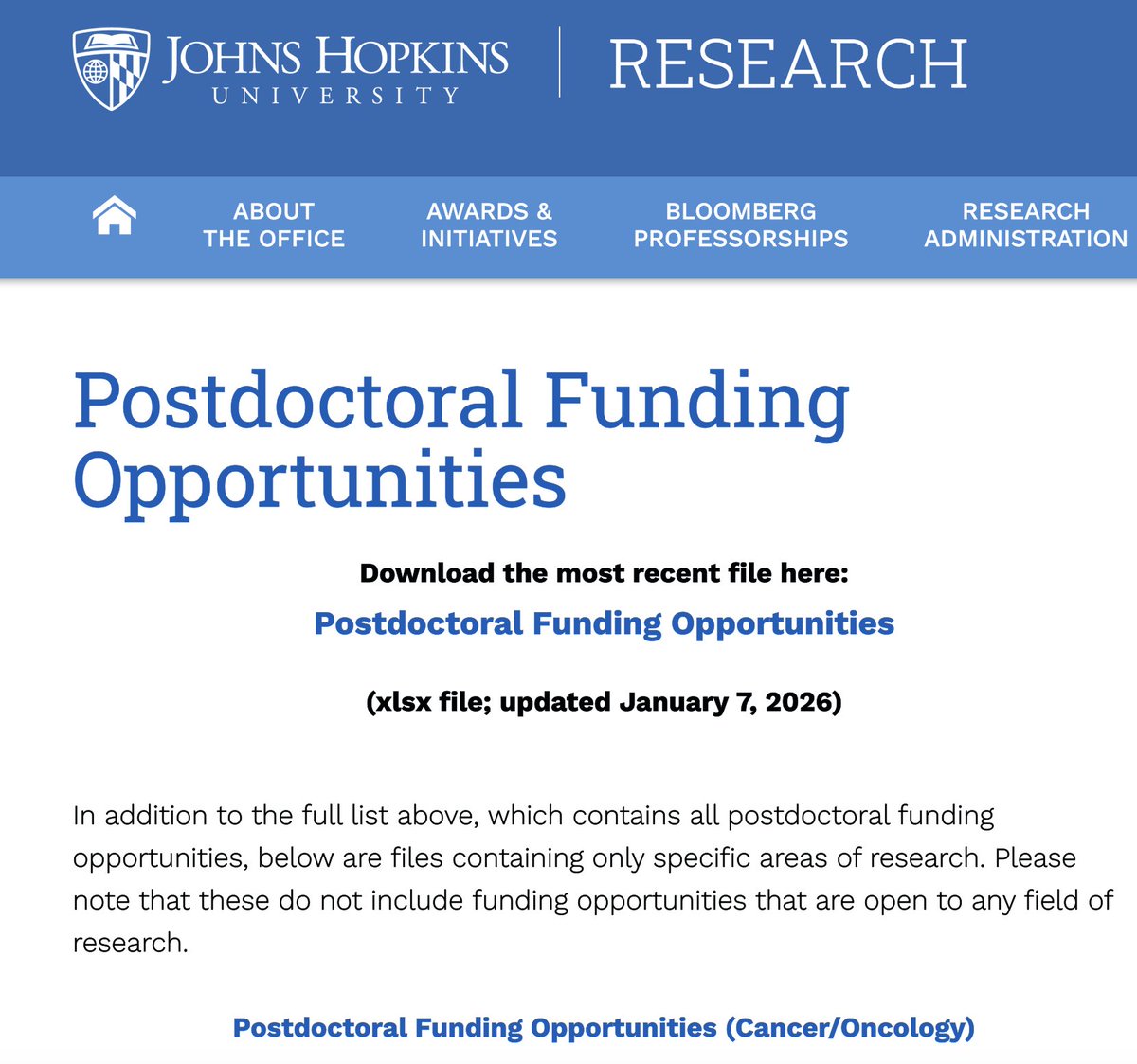
279 postdoctoral fellowships!
Download freely our database of postdoctoral fellowships and grants. For each entry, we provide eligibility criteria, $ amount, deadline, etc.
We also provide separate databases for oncology and neuroX.
Good luck!
Here: https://t.co/EbTahdzbkp
Actin-dependent mechanotransduction controls nucleocytoplasmic partitioning of DNMT3a through ERK1/2 signaling during cutaneous wound healing
Ajnabi, J., Dam, B., Gupta, E., Saha, T., Dutta, A., Kumar, S., Gupta, A., Palakodeti, D., Jamora, C.
https://t.co/ZwIpxYKdGm
Everyone talks about the same geniuses like:
Einstein, Tesla, or Hawking.
But for me, there's one man who stands head and shoulder above all.
His work laid the foundation for Isaac Newton's theories. Here's the untold story: 🧵
Strong evidence showing that getting a PhD is extremely bad for your mental health.
A new paper uses Swedish medical records and matches them to the full population of PhD students for which the authors could get gender and birth year data from 2006 to 2017. After some exclusion criteria, they end up with a sample size of 20,085 individuals.
The paper compares PhD students to those who have masters degrees and don't start a PhD program.
Before starting a PhD program, people who stop at a masters and those who go on to seek a PhD have similar rates of psychiatric medication use and hospitalization.
A few years into a PhD program, however, 40% more individuals are on psychiatric medications, before the number falls off as people leave or finish their studies.
You see the same pattern with psychiatric hospitalizations. PhD students are up to 150-175% more likely to be hospitalized after starting a program!
These are incredible numbers, too massive to be the result of chance or a flaw in the methodology. This is comparing the same people over time.
If you're considering a PhD program, and the terrible job prospects and waste of time aren't enough, here's yet another reason to stay away.