Introducing the Orca Mobile Emulator.
AI agents can now use mobile apps inside Orca ADE.
Each worktree gets its own emulator — so you and your agents can build, test, debug, and validate mobile flows right where the code lives.
Works with Codex, Claude Code, OpenCode, or any agent.
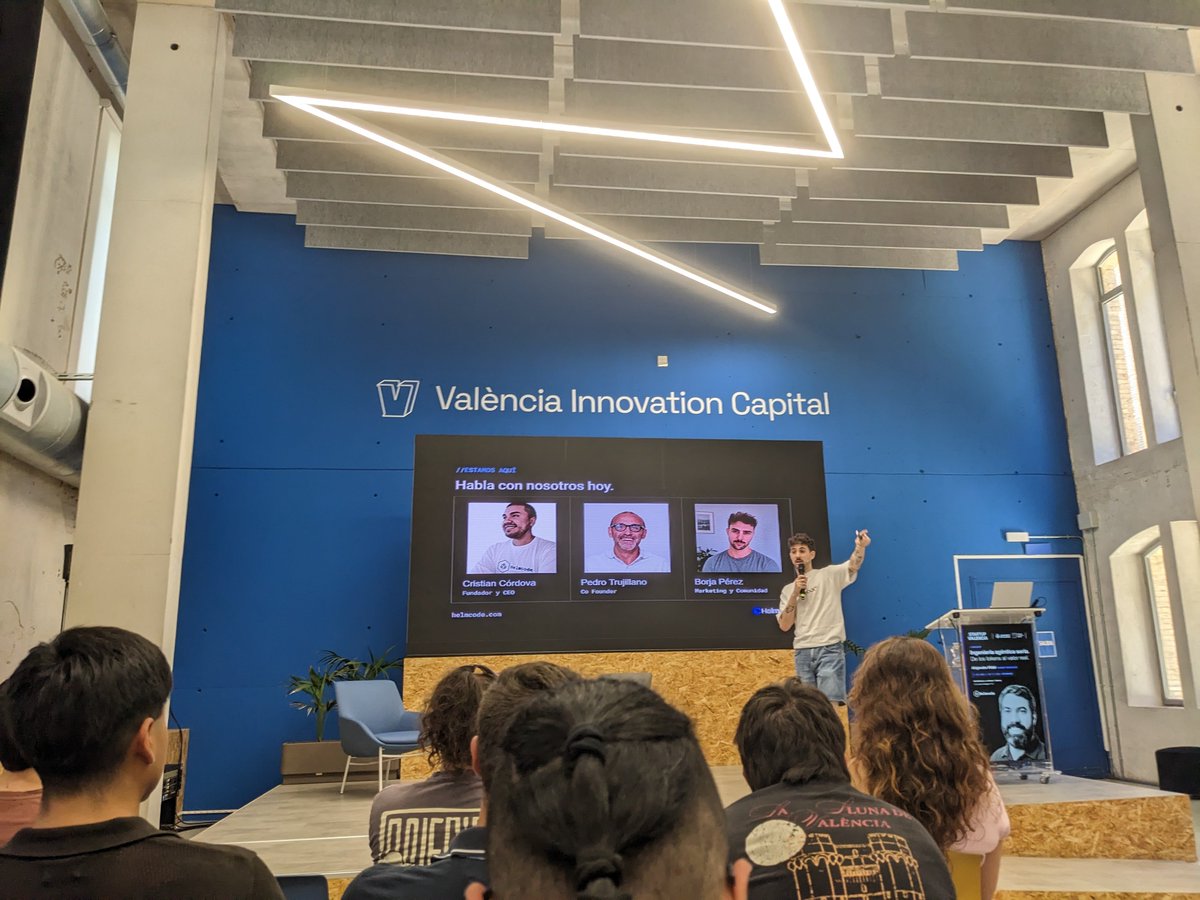
¿Nos vamos a traer a @dobleio a Valencia? 🥳 Nos vamos a traer a Álex a VLC a que de su workshop de IA agéntica! ¡Vente!
📆6 de julio. De 17 a 20h
📍La Harinera, Valencia
🪧 "Ingeniería agéntica seria. De los tokens al valor real"
Un taller increíble. Si estás trabajando con agentes en tu día a día, lo necesitas.
Apúntate: https://t.co/0kH3UUsScX
Ok so this Teenage Engineering microphone has quickly become my favourite way to talk to Claude, especially in loud offices. Love how tactile it is, and I feel like a radio operator talking to my agents 😂
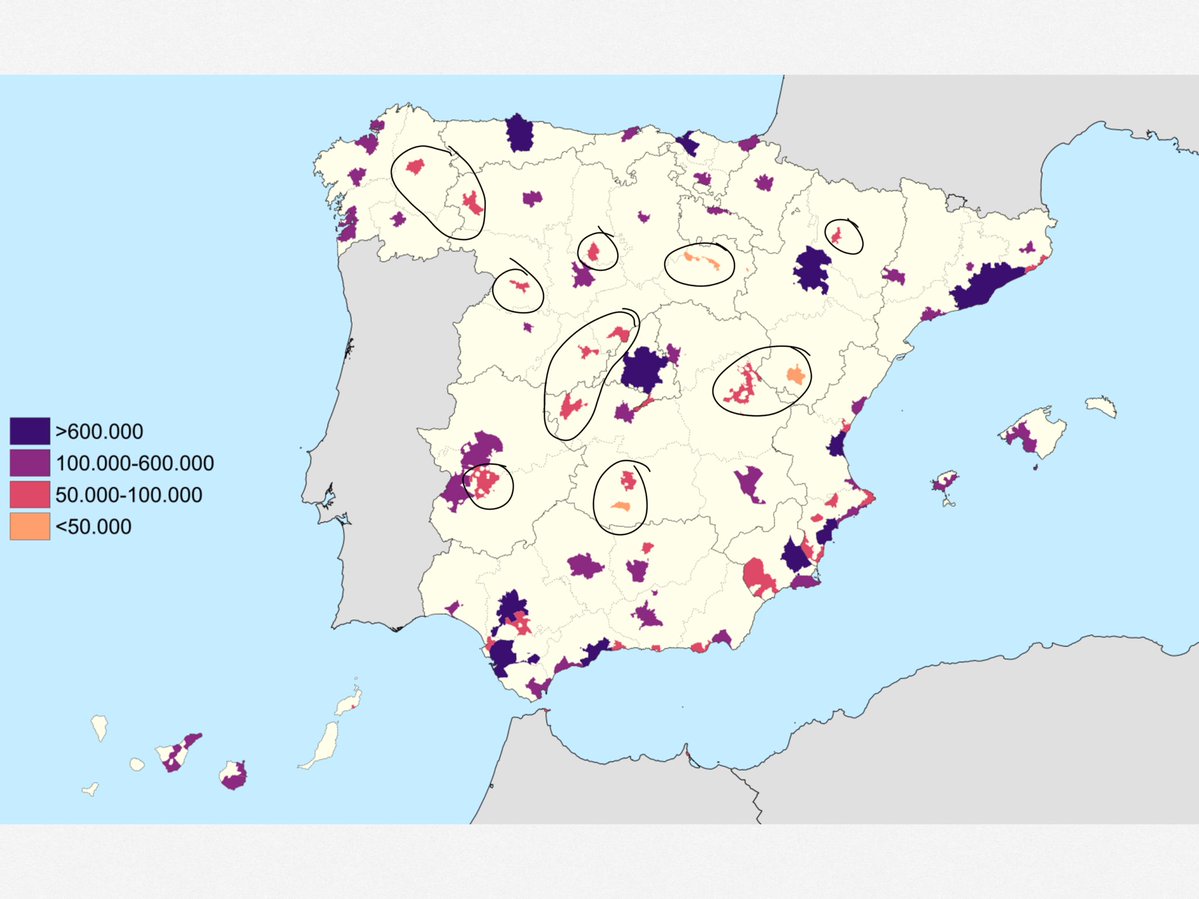
-Es hora de hacer crecer las áreas metropolitanas menores de 100k de interior.
-Es hora de Lugo, Ponferrada, Zamora, Palencia, Soria, Huesca, Ávila, Segovia, Talavera de la Reina, Cuenca, Teruel, Puertollano, Ciudad Real y Mérida.
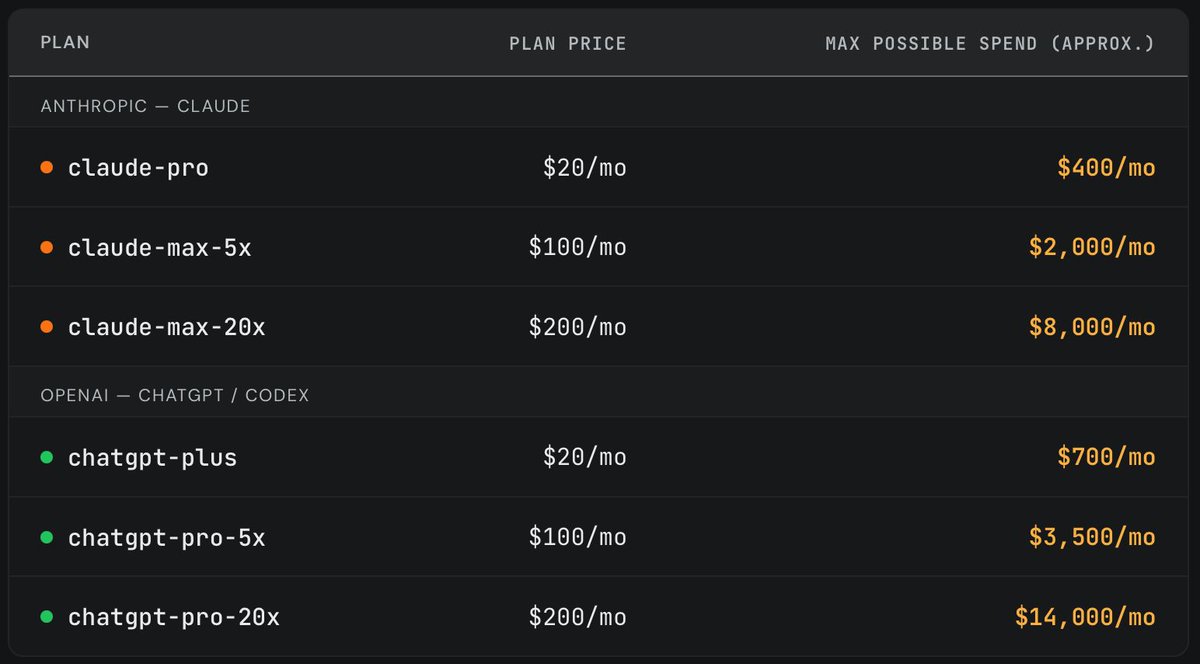
Recently, we purchased one of each Anthropic/OpenAI subscription plan and randomly ran long horizon coding tasks until we exhausted the weekly limit. It's widely believed that a $200/month plan maxes out at ~$2000/month worth of tokens (assuming API pricing). However, we found that the subscriptions are actually far more generous. (2/4)
Introducing text-to-lottie: an open source skill and harness for generating production ready Lottie animations with codex/claude code.
$ npx skills add diffusionstudio/lottie
Prompts guide and repo in the comments.
how I’m building an agent company inside my agency.
the structure looks like this:
Agency gBrain
→ Orchestrator Hermes Agent
→ Department verticals
→ Specialist agents
→ Scoped sub-agents
gBrain is the company brain.
It gets ingested with the data and experience we already have:
> transcripts
> chats
> previous campaigns
> client learnings
> strategy docs
> internal workflows
> examples of what good looks like
That brain is maintained by a human champion plus an orchestrator Hermes Agent.
Under the orchestrator, we have different department verticals inside the agency.
Each vertical has its own specialist agents.
Some of those specialist agents have even narrower scoped agents underneath them.
I’ve found that narrow scope improves output quality and reduces drift.
> a general “marketing agent” is too vague.
> a lifecycle email agent with access to the right campaigns, voice rules, approval gates, and examples can get very good.
> a technical SEO agent with its own tools, checklists, and source standards can get very good.
> a content research agent with narrow inputs and a clear definition of done can get very good.
The narrower the job, the easier it is to improve the agent.
I use different harnesses for this.
Mostly Hermes Agent, but also CLI harnesses like Codex and Claude Code depending on the job.
I’m still looking for a good bare-bones harness for model routers to run on.
To keep track, I maintain an org chart inside the company gBrain.
The org chart shows:
> top-level orchestrator
> department verticals
> specialist agents
> scoped sub-agents
> which brain each agent reads from
> which tools each agent is allowed to use
> where human approval is required
For clients, I do downstream pods.
Think of them as new agent companies that are isolated from the agency brain, but can still communicate with our agency agents when needed.
A client pod has its own:
> client gBrain
> client orchestrator
> client specialist agents
> client-specific workflows
> client-specific approvals
> client-specific memory
This is important.
You do not want client context bleeding across accounts.
You do not want one agent with every client’s data, every tool, and every permission.
Scope is what keeps the system useful.
The powerful part is that once you build one vertical agent well, you can fork it.
Not copy-paste blindly.
You still need to customize the context, examples, approvals, voice, tools, and workflows.
But you are not starting from zero.
You might have 75% of the agent already done.
That changes the agency model.
You no longer need a full traditional department for every function before you can deliver a well-rounded marketing service.
One or two strong marketing engineers can run an output surface that used to require a much larger team.
But this only works if the agents are actually good.
It takes iteration, taste, source material, QA, workflow design, and real marketing experience.
Bad agents do not become good because you connected more tools.
Vague agents just create vague output faster.
TLDR:
> turn the agency’s knowledge into a brain
> turn repeated work into scoped agents
> turn each client into an isolated pod
> let skilled operators run the system