The final AI api only has two parameters: outcome and budget. It has a signing for who made the request.
Then everything is just built by the AI as needed.
And what’s left are the human things: 1) what to do; 2) how much it’s worth; 3) and who is accountable
🧵 Great read from @AnthropicAI engineering blog: "Harness design for long-running application development". Showcases how an agent's performance can be much improved by its harness (ie. the system around the raw model itself)
8/ "The space of interesting harness combinations doesn't shrink as models improve. It moves." The ceiling keeps rising. The architecture challenge isn't going away, it's getting more interesting and dynamic.
For enterprises, agents replace coordination costs with tireless directed workers. Not just cost savings. Top-line growth. That's why every hyperscaler says demand exceeds supply.
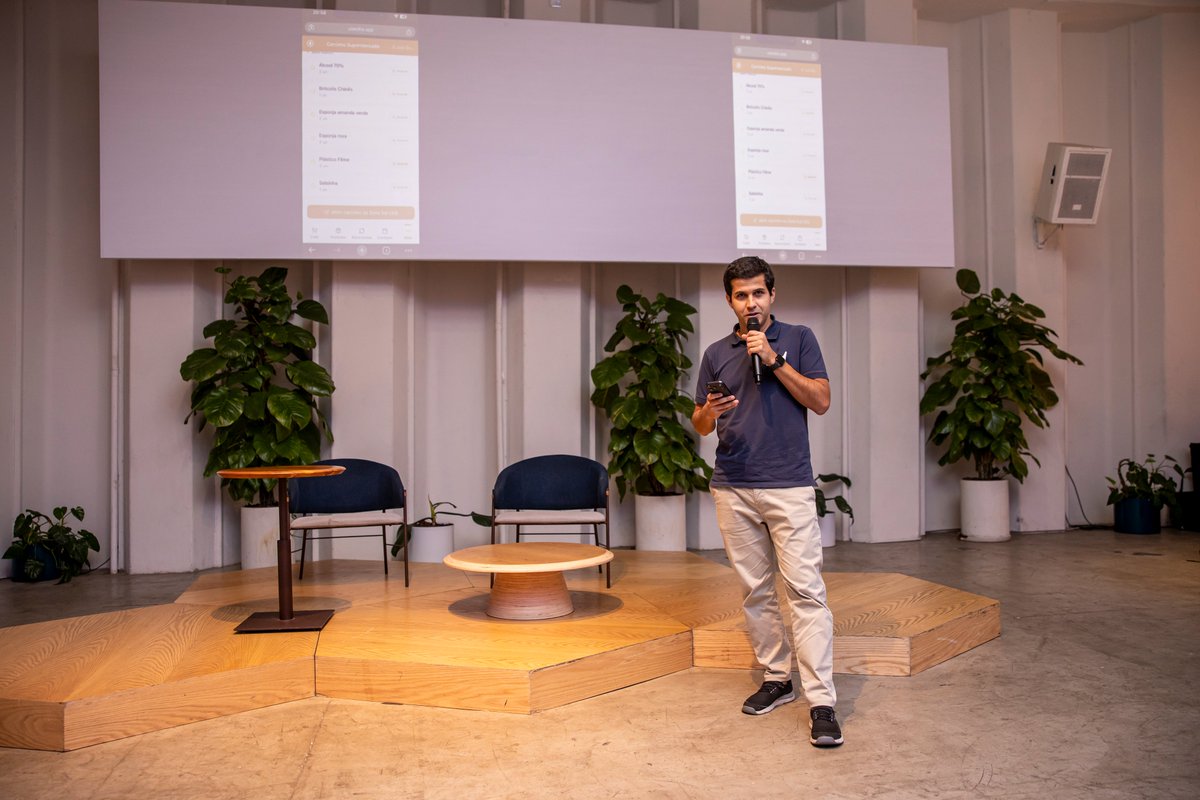
8/ Luiz Guilherme Gama (@LGGama), my non-technical co-founder, built a web app for his household's weekly groceries. Tracks recurring items, preferred brands, quantities, weekly menus decomposed into ingredients. Then links the supermarket API, taking you straight to checkout!
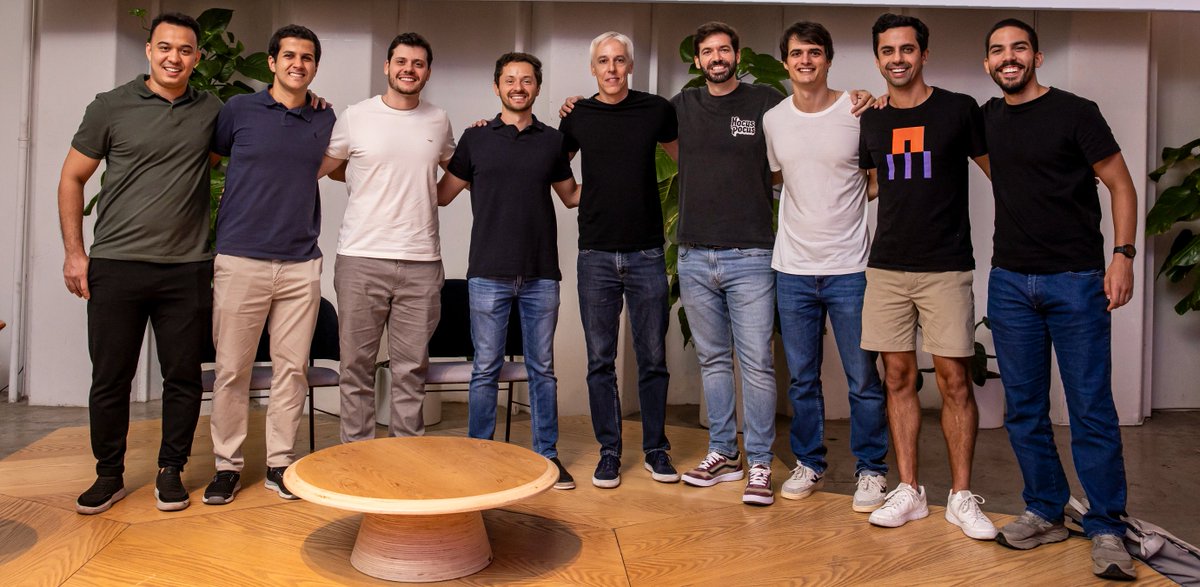
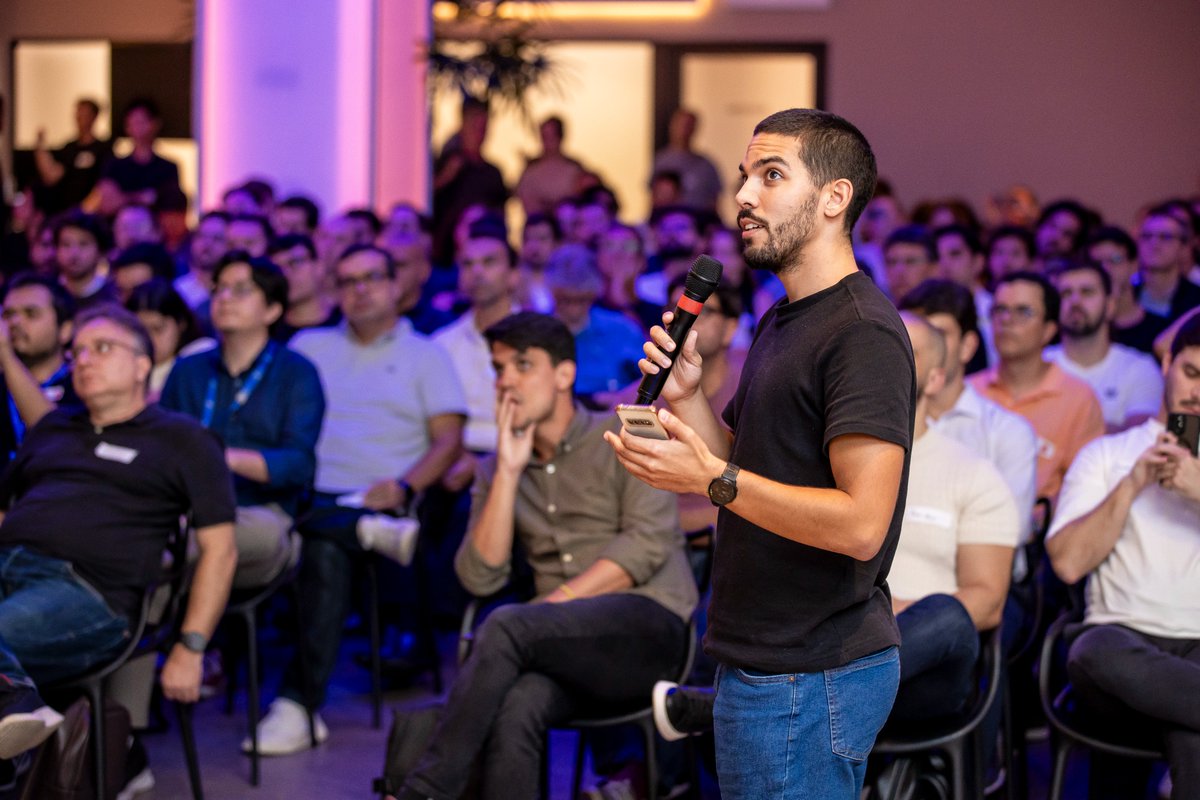
🧵 Demos from yesterday's Claude Code for Everyone event in Rio de Janeiro. Notice who built these demos: a prosecutor, a craft beer founder, a farm manager, non-technical entrepreneurs. Claude Code is for everyone @claudeai
7/ Vinicius Saraiva (@featvinicius), PM at Stone Co, changed his entire workflow after our last meetup. As a non-coder, he used to wait for devs to explain how their apps worked before he could design prototypes. Now he uses Claude as an instant dev collaborator. No more waiting