In our new @Wyss_for_Nature project on leverage points along the gold value chains from Madre de Dios #Peru, @KaiGehring1 and I are looking for a Postdoc in Development or Env Economics! https://t.co/8LSPwzGlO3
New publication led by Scott Ford on the sociopolitical drivers and environmental outcomes of protected area downgrading and degazettement in Cambodia just published in Regional Environmental Change. Access it here: https://t.co/JO7FOaOOvW
Telecoupling as a framework to support a more nuanced understanding of causality in land system science. Don't miss it (open accesss)! Work led by Louise Busck-Lumholt @ICTA_UAB@CoupledITN#telecoupling#causality#landusescience
https://t.co/2ph48Xyujd
Finally out!! So happy to share another article from the @R4Telecoupling project, and very last output from my PhD!! (after >2 years after the viva...)
📑"Mixed impacts of protected areas and a cash crop boom on human well-being in North-Eastern
Madagascar" @PaN_BES
Little 🧵
Post-disturbance reorganization in forest ecosystems in a changing world. New paper out in @PNASNews with @MonicaGTurner, highlighting the importance of early vegetation development after disturbance. A thread. https://t.co/ouewrMjwMh
🙌Postdoc job offer!
2 years to work on cocoa supply chains & sustainability in West Africa,
with a great team at @ELI_UCLouvain & @TraseEarth & colleagues from SUSTAIN-COCOA project https://t.co/SWAUYm9H2W
incl. @erasmuszu @GoedeleVdBroeck
https://t.co/1HlleVQQG0
Still time to apply to work with us research teams at @Wyss_for_Nature as a Postdoc/ Senior Researcher in an interdisciplinary project on Modelling Regional Pathways towards Sustainable Food Systems! The deadline will be extended to June 6: https://t.co/qvASTUUKsK
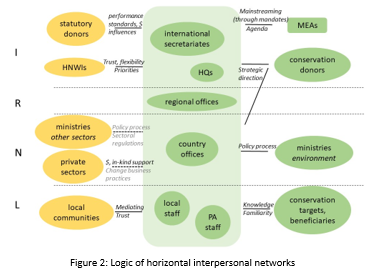
We argue it is critical to understand the social worlds and institutions that conservation practitioners are embedded in to grasp the networked dimensions that shape conservation in different parts of the world.
To read more, follow the link: https://t.co/LH27e0EaVk
4/4
We all know that social networks matter in conservation. But just how important are they for shaping transnational practices of conservation NGOs? Well, surprisingly so, as we show in a new article.
https://t.co/LH27e0EaVk
@SiyuQ@julie_gwen@CoupledITN
1/4
Available now ahead of print: Patterning Conservation Flows: How Formal and Informal Networks Shape Transnational Conservation Practice by Joel Persson (@joel_perss), Siyu Qin (@SiyuQ) and Julie G Zaehringer (@julie_gwen) #consocsci#openaccess | https://t.co/PK0hk1AFYR
Whether to plug into informational flows, which allows an organisation to respond to unforeseen events, or to quickly mobilise an existing network in response to a funding opportunity, such social networks, scaled up, contribute to an uneven geography of conservation.
3/4
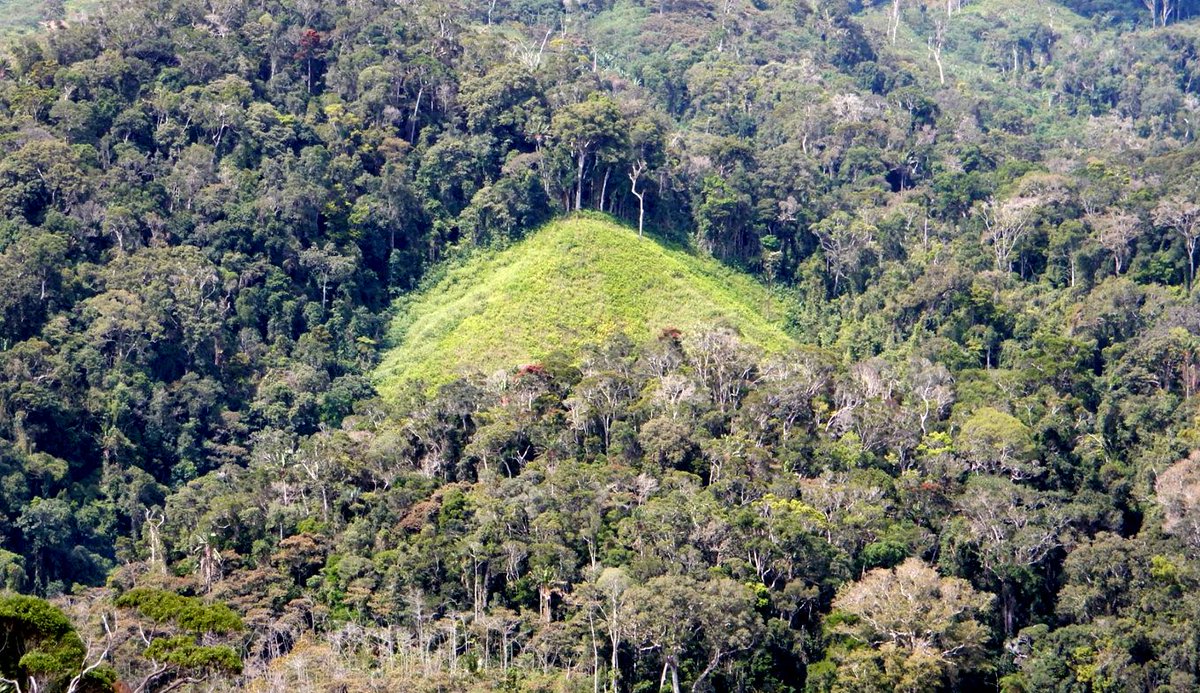
Do you know of evidence of pre-emptive forest clearing under env. policy introduction? E.g. deforestation increases before implementation of regulation restricting forest use, as forest stakeholders rush to secure resources before it’s not possible once the policy is in place🌴⁉️
Very rewarding work led by Maja Schlüter, and @GuidoCaniglia, @hcaro_llirik
https://t.co/9ARY0Bqn2f
We highlight the variety of purposes that diverse kinds of theories can serve for sustainability science...
@OrjanBodin@nickmags13@BelindaReyers
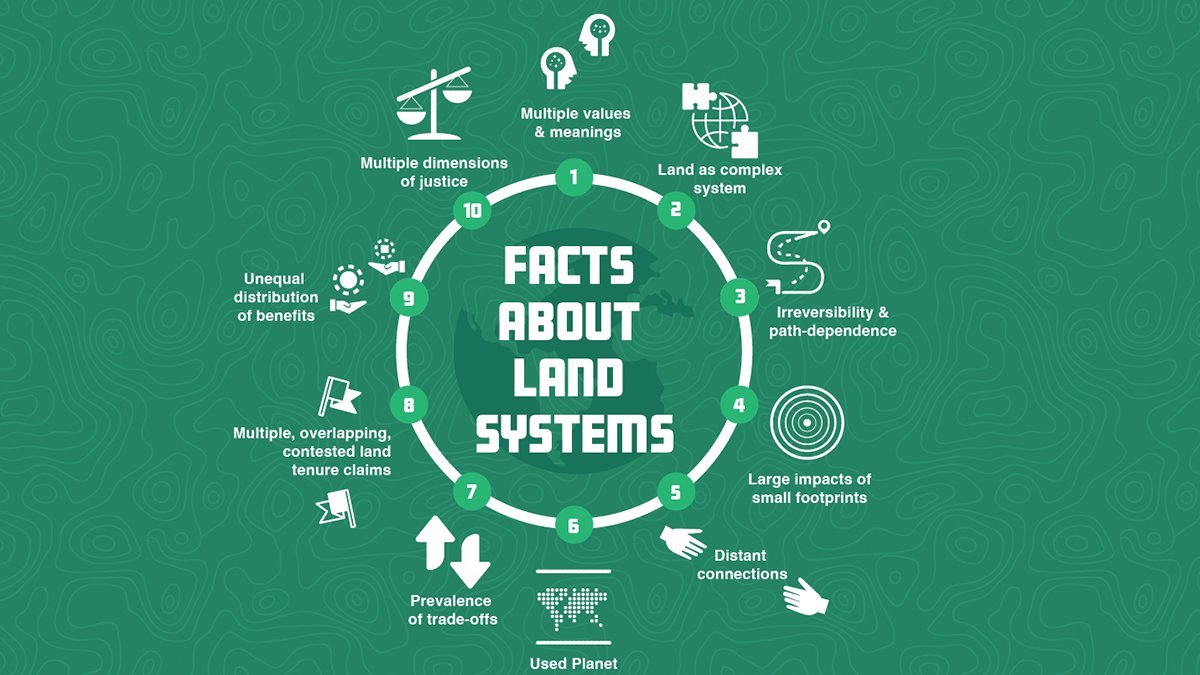
“Ten Facts about Land Systems for Sustainability” is a call to action for policymakers seeking sustainable and equitable solutions to urgent global challenges. 50 co-authors from 20 countries. https://t.co/0grjSP2j5V #10Facts#LandUse@PNASNews
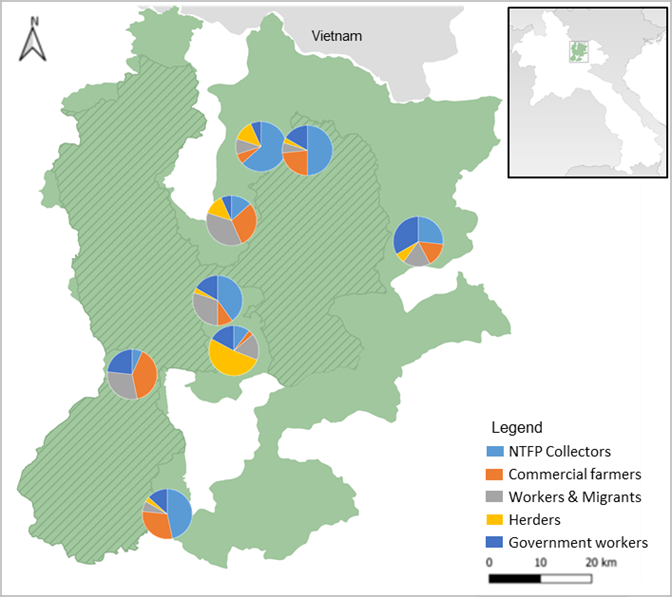
Check out our new mixed methods paper on the livelihood impacts of a protected area in Lao PDR published in Human Ecology. Access the paper directly on: https://t.co/tAqWzqxJGv
@CoupledITN
5.
Implications:
-Even for HHs w/ diversified LHs, NTFP income & rice self-sufficiency is key
-Because of diffs in market development, HHs have highly diverse capacities to adapt&diversify
-Tailoring conservation interventions to village conditions & LHs is crucial
#FLARETC20
1/5
People in protected areas are increasingly expected to⚖️livelihoods (LHs) and🌲🐯conservation, while interventions often result in uneven distribution of costs & benefits. We study how households (HHs) in a park in Laos navigate associated LH dilemmas
#FLARETC20@CoupledITN
4.
Strong spatial distribution of LHs
e.g. villages A & B have v. diff LH conditions & conservation exp. B established earlier➡️claim paddy land➡️invest in livestock; A came after➡️other LH options
LHs depend on market linkages, histories, geographical conditions
#FLARETC20