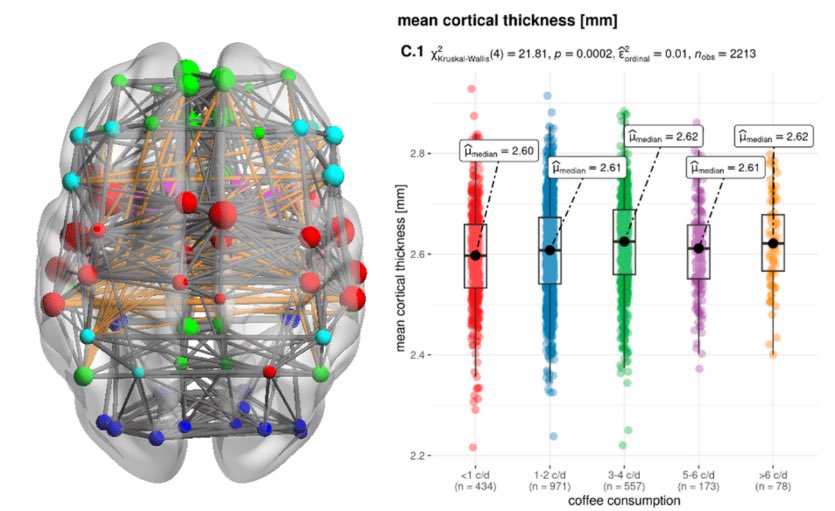
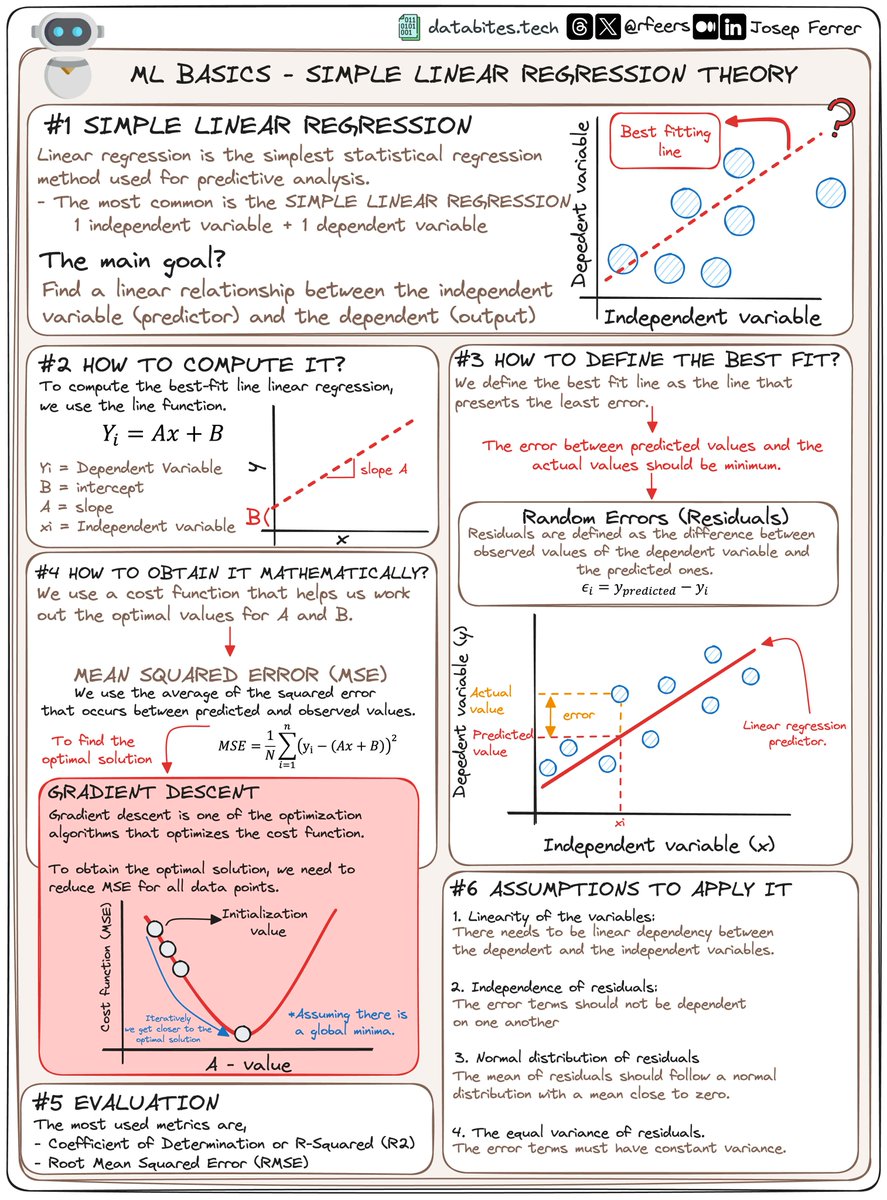
The most dangerous addiction today isn't a substance.
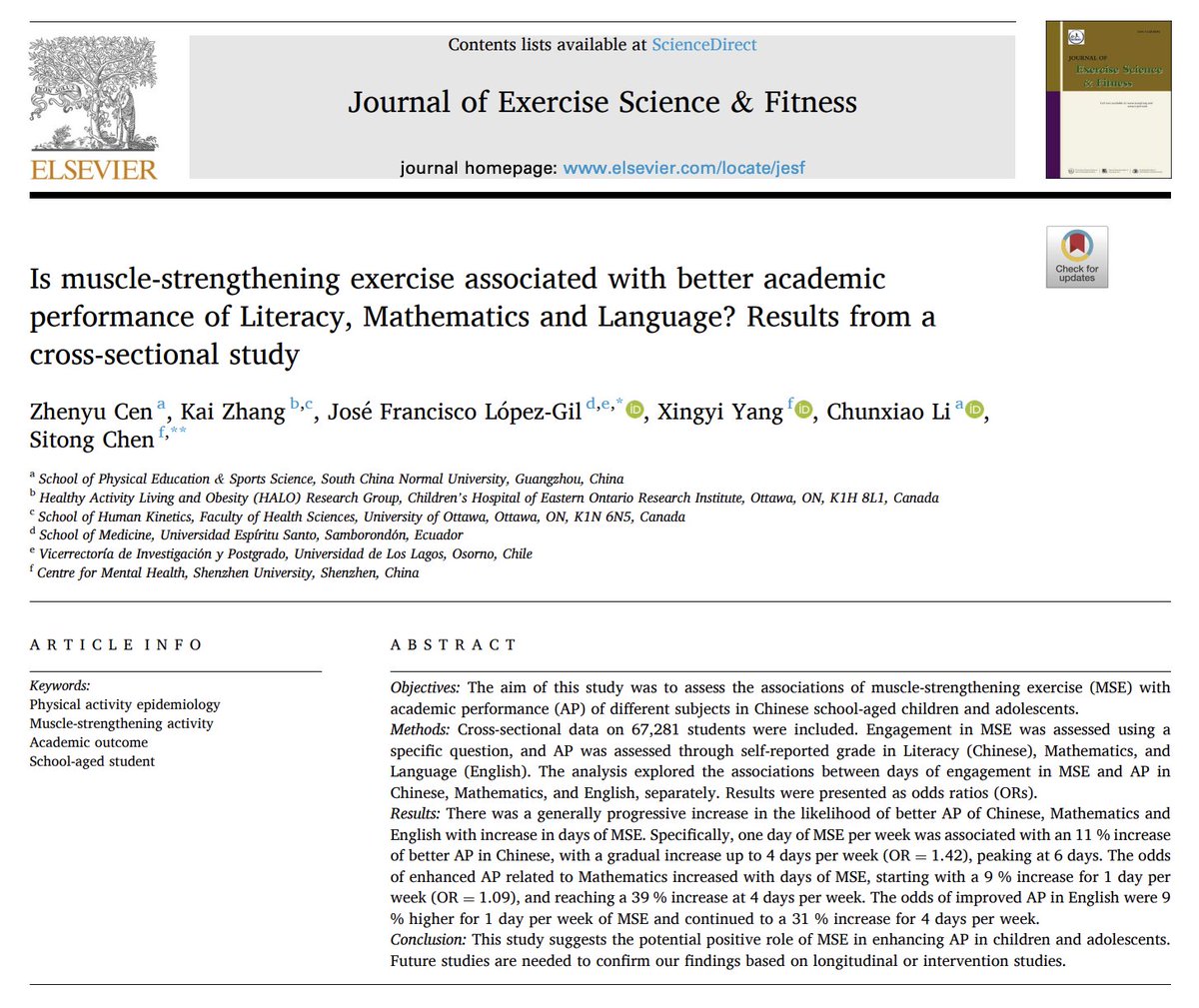
Research on 100,000 people confirms that heavy short-form video use is just voluntary cognitive decline. We are actively training our brains to fail at hard tasks.
If you can simply sit with a problem for 10 minutes without swiping, you have a massive competitive advantage.
Basically, boredom is the new IQ.
Introducing quickarXiv
Papers are often written in convoluted language that is hard to understand. We're fixing that.
Swap arxiv → quickarxiv on any paper URL to get an instant blog with figures, insights, and explanations. Now extracted with DeepSeek OCR ���
A new technique called ‘mind captioning’ generates descriptive sentences of what a person is seeing or picturing in their mind using a read-out of their brain activity
https://t.co/AyhnpPMk1m
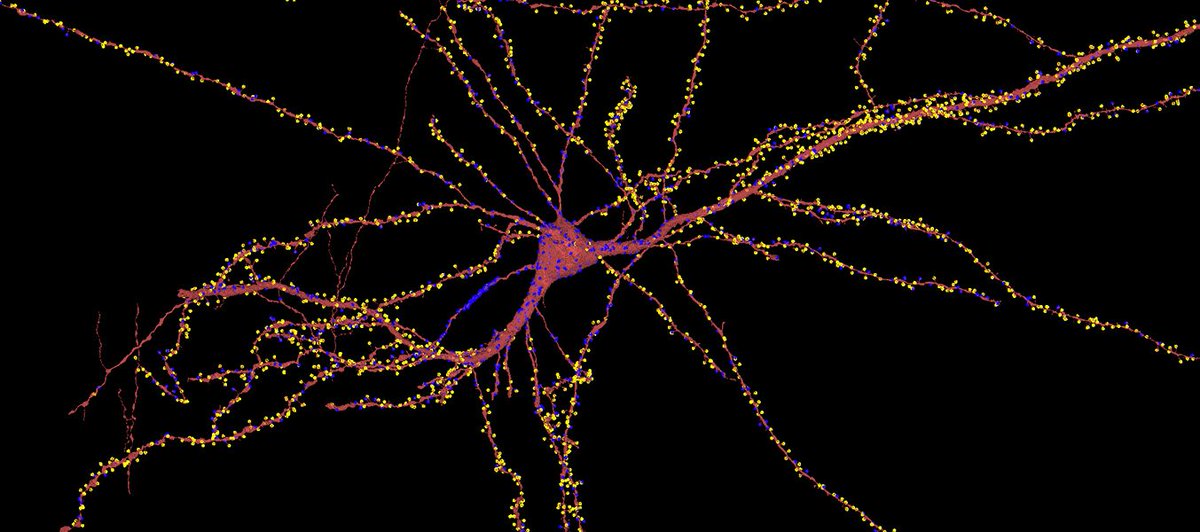
Your brain is rewiring itself right now.
What you’re seeing
This video captures neuroplasticity, the process where neurons form, strengthen, or prune their connections in real time. Electrical signals and calcium bursts act as guides, showing how experience physically reshapes the brain.
🟡 Strengthens active connections to form memories
🟡 Removes weaker ones to refine performance
🟡 Keeps neural networks balanced and efficient
These microscopic adjustments happen constantly, turning every thought, habit, and challenge into a structural change.
💡 The bigger picture
Neuroplasticity is how learning, adaptation, and recovery take shape. It is the biological record of your experiences; the brain building itself, one connection at a time.
Credit: Nicholas Fabiano
AI Turns Brain Activity Into Sentences
Researchers have created a “mind-captioning” AI that translates brain activity into full descriptive sentences, not just keywords.
Using fMRI scans and deep-language models, the system decodes what people see or imagine with surprising detail, effectively narrating mental scenes. Beyond its sci-fi appeal, the technology could unlock new ways to understand perception and help those with speech loss regain communication.
A new technique called ‘mind captioning’ generates descriptive sentences of what a person is seeing or picturing in their mind using a read-out of their brain activity, with impressive accuracy.
https://t.co/RcPIYm2t0F
Today, we can actually watch the brain at work.
Through #neuroimaging - #MRI and #CT scans - scientists can see how blood, energy, and activity move through living tissue, revealing the regions that come alive as we read, imagine, or feel.
LLMs can get "Brain Rot"!
Continual pretraining on junk, high-engagement web text causes lasting "cognitive decline" in LLMs, reducing reasoning, long-context, and safety performance.
The main failure mode is thought-skipping, where models skip reasoning steps and adopt “dark” personality traits like narcissism and low agreeableness.
Even strong mitigations such as reflection or further fine-tuning only partially reverse the damage, making data curation a critical safety concern for AI training.
Introducing NotebookLM for arXiv papers 🚀
Transform dense AI research into an engaging conversation
With context across thousands of related papers, it captures motivations, draws connections to SOTA, and explains key insights like a professor who's read the entire field
ai scientists are here - and they’re already publishing research.
there’s a new AI system called AI Scientist-v2 - and it doesn’t just answer questions. it comes up with the questions itself. it forms hypotheses, runs experiments, analyzes the results, and then writes full scientific papers based on what it finds.
and here’s the part that should make you stop scrolling: one of those papers was submitted for peer review (the same process real scientists use) and it was accepted at the same rate as human-written research. no human steering the wheel. no shortcuts. it did the whole process alone.
this isn’t “ai helping scientists.” this is the scientist. it’s not a tool sitting quietly in the corner - it’s doing the thinking, the testing, the writing. it’s stepping into a role we thought only humans could fill.
think about what that means. hundreds of these AIs could be unleashed on physics, biology, medicine… proposing bold new ideas around the clock and running experiments faster than any human lab ever could. discoveries that might have taken decades could now happen in months.
and maybe the biggest shift isn’t technical - it’s philosophical. if machines can now generate new knowledge, if they can discover things… then what does it mean to be a scientist? what becomes of “human discovery” when intelligence itself is something we can scale like code?
this isn’t the future. this is happening right now.
Urgent things shout. Important things whisper. 🌿
The urgent keeps the world spinning — but the important keeps you centered. 💜
☕ https://t.co/OE8QA9bCCB
🌿 https://t.co/JpdPm6Wp2A
#FaithfulMotherhood#FruitfulFig#IntentionalLiving