@drbennisahmed@JACCJournals Long back Dressler syndrome was the only association of inflammation and myocardial infarction. Now there are so many aspects! But Dressler syndrome became rather rare after early reperfusion strategies took over.
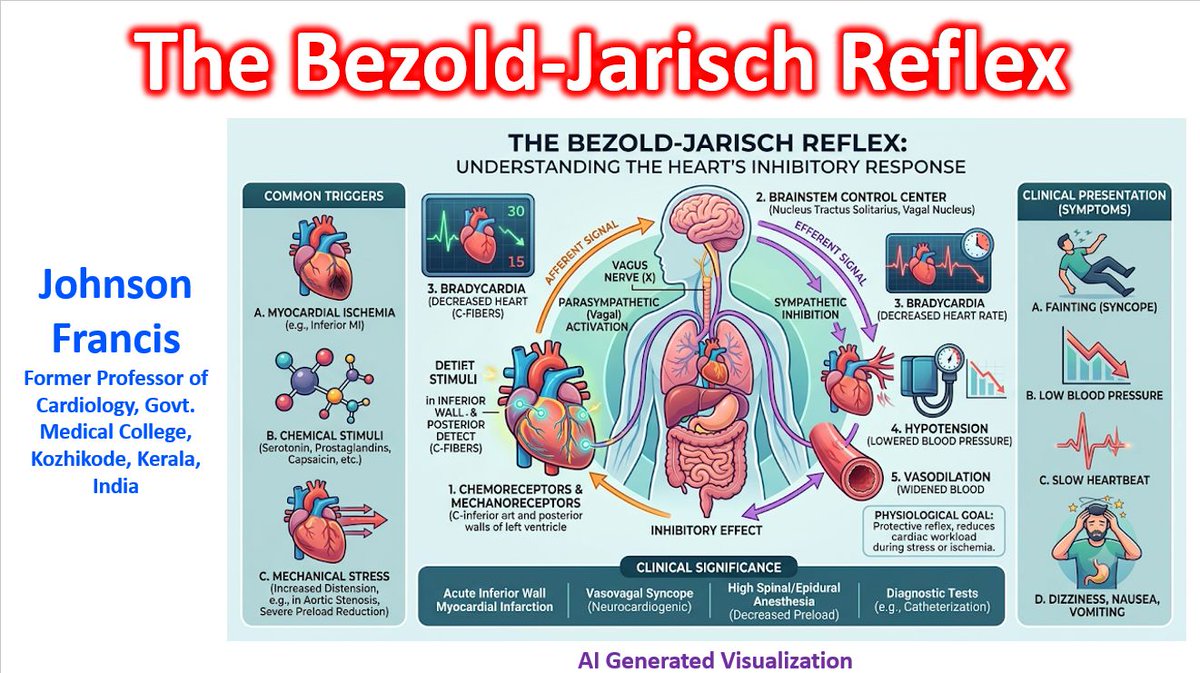
The Bezold-Jarisch reflex is an inhibitory cardiovascular reflex originating from receptors within the heart itself. When triggered, it causes a classic triad of bradycardia, hypotension, and peripheral vasodilation...https://t.co/5xCs9MQhVx
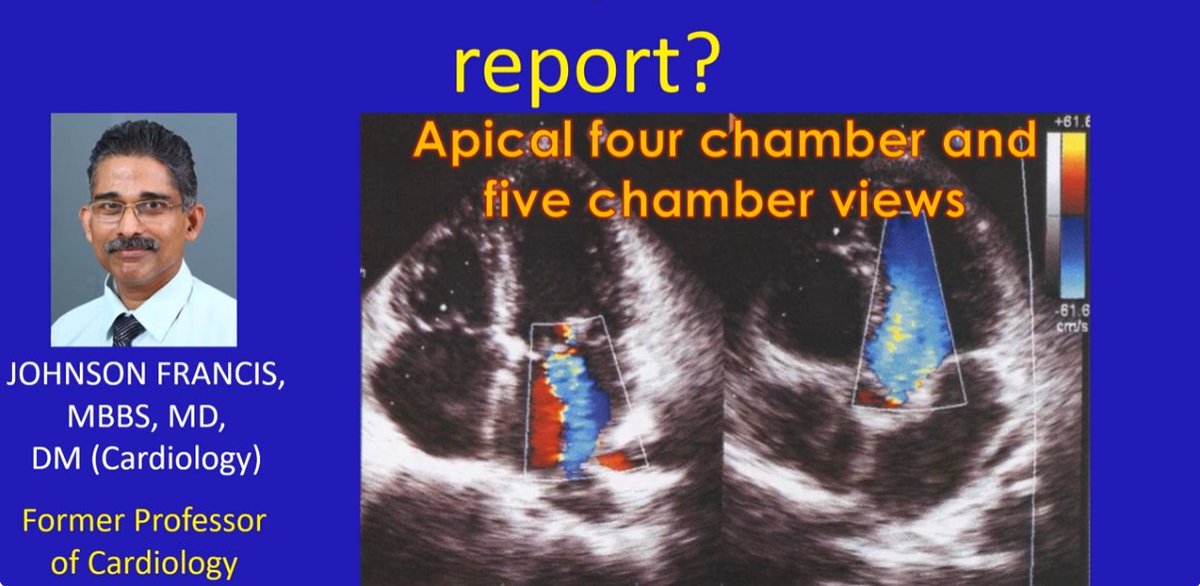
Echocardiogram, often called just echo in short is ultrasound imaging of the heart. Though the actual types of details mentioned in echo report may vary between institutions and even persons reporting it, in general there are several common aspects. https://t.co/R7QIakCsyR
@nadig_cardio You are absolutely right. Had the chance to assist CMV in late 1980s as an intern when I was posted in Cardiothoracic Surgery. That was the only opportunity to touch a beating heart! There was no MCh CVTS program at our center then (or DM). Professor used to take duty in the ICU!
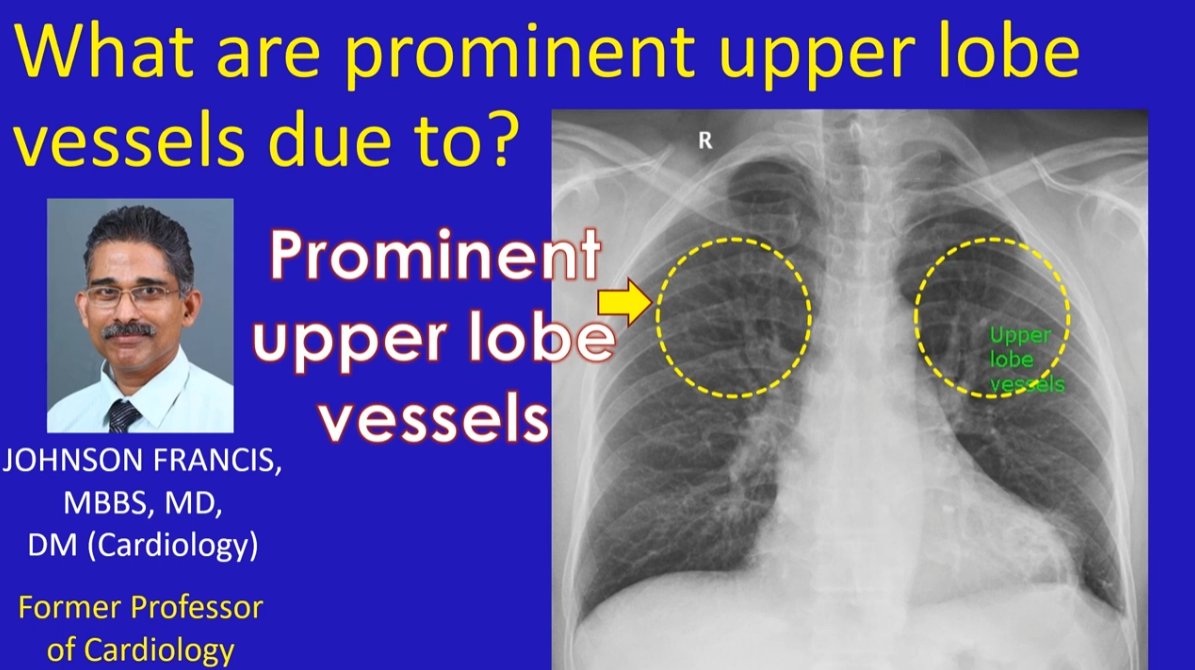
Prominent upper lobe vascular markings on CXR suggest pulmonary venous hypertension. Actually, they are dilated pulmonary veins, though it is not easy to differentiate between veins and arteries on CXR, hence the term prominent upper lobe vessels. https://t.co/nIKYqOR0sc
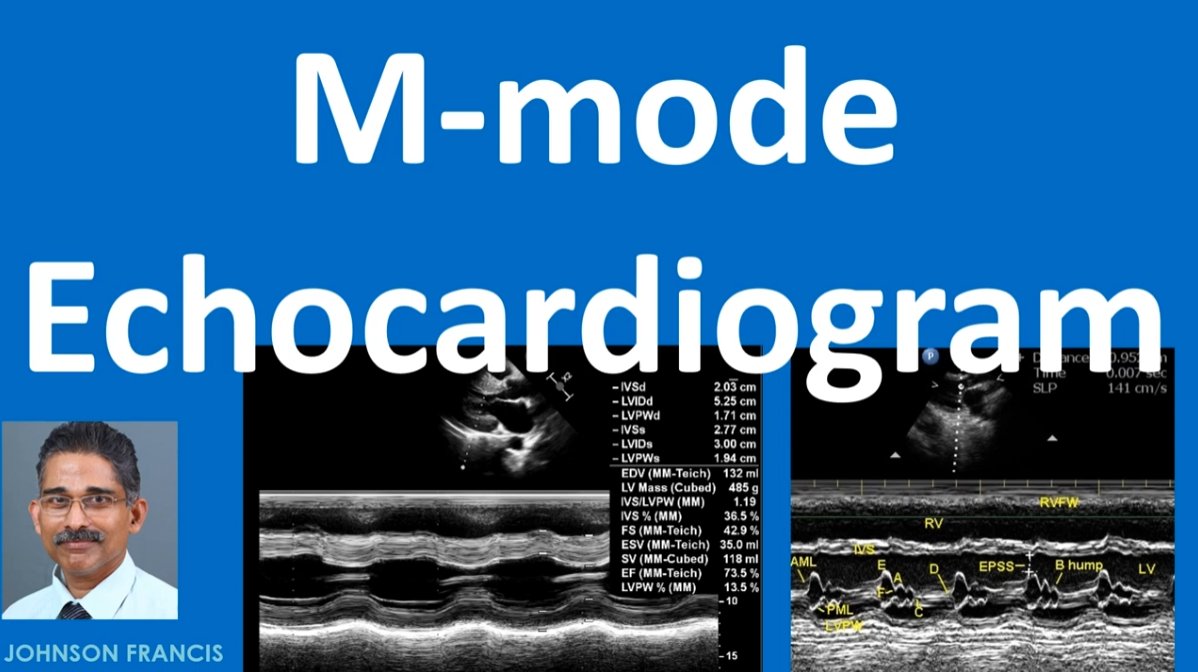
M-Mode echocardiogram is short form for Time-Motion Mode echocardiography. It was one of the earliest modes of echocardiography. There was also a B-Mode or brightness mode along with it.https://t.co/kX3jBBK9za
@KostekMilan Accompanying editorial is also worth reading (A Shock to the System: Risk of Sudden Cardiac Death After Pulsed Field Ablation https://t.co/Ezxqi3uo1R). Looks like: Hemolysis ➔ Free Radicals ➔ Endothelial Injury ➔ ⬆Endothelin-1, ⬇Nitric oxide ➔ Coronary Vasospasm
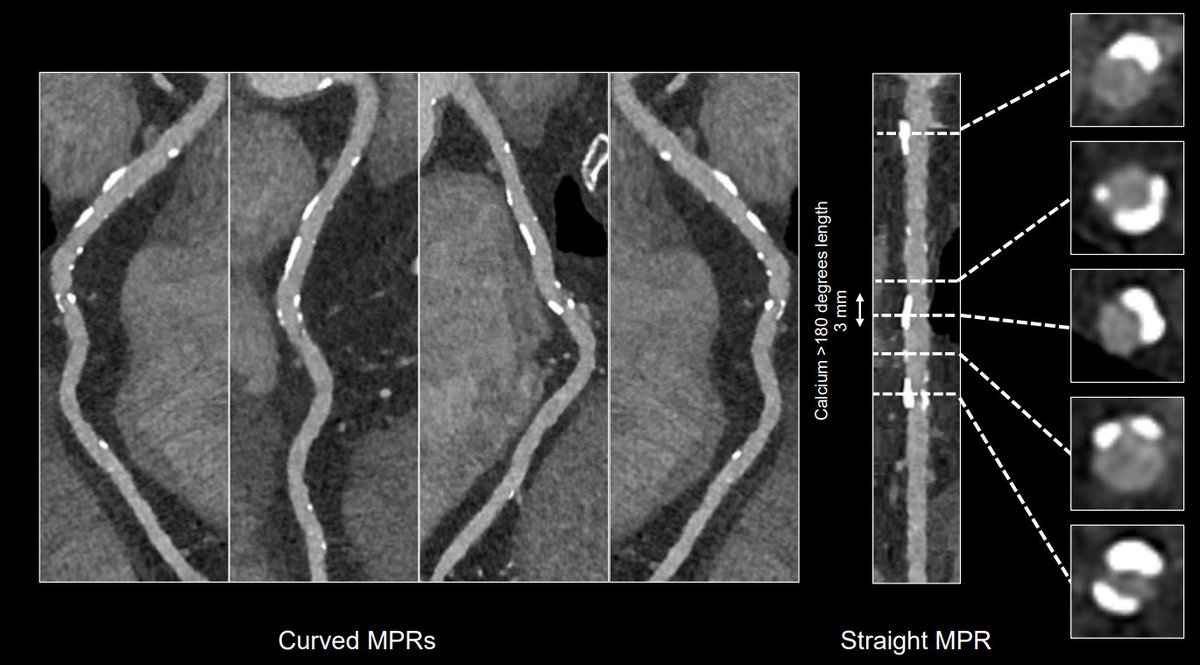
Great supplement for my last year's post (What is the advantage of Photon-counting CT over conventional CT in cardiology? https://t.co/U1EMwNA0l6)! Thanks for sharing these excellent images.
It is remarkable how quickly photon-counting CT #PCCT is transforming clinical practice. We now use CT to characterize coronary calcium before #PCI, enabling more precise lesion preparation. I believe PCCT will become the standard for coronary CT within the next five years.
@KostekMilan Good info. Conventionally we think of P mitrale for notched P wave. Authors suggest atrial conduction delay. That is why many feel that left atrial abnormality is a better term than left atrial overload or enlargement for a wide notched P wave.
@KostekMilan Happy to note that the first author is a friend of mine and had the opportunity to listen to the last author during his visit to my state long back! That was a wonderful authoritative discussion. First author is current Editor-in-Chief of IPEJ which I founded way back in 2001!
@OGdukeneurosurg I have noted my neuro colleagues doing mechanical thrombectomy for stroke. But never went inside the cathlab at that time! Never seen this demo and hence I thought it was a new procedure!
@OnlyEcg1@Arron_Pearce_ Thanks for highlighting Bix Rule! For those unfamiliar: The Bix Rule is a high-yield diagnostic principle in electrocardiography used to unmask atrial flutter or atrial tachycardia with 2:1 AV block, named after Dr. Harold Bix, a Viennese cardiologist...https://t.co/Ylqk4YmevI