Happy to report I'm still at it. ❤️
Family life took over the last 3 mths in wonderful ways and I'm still building @JoinQuda late at nights.
My 2024 goal is to serve up fresh, insightful Q&As daily.
It's a hard task, but I love a challenge!
Awesome new guest on soon. 👀
New episode of @CodeConquerPod online 🚀
From songwriter to no-code founder, @JustinQuda talks about building learning platform @askquda
✅ Transitioning from music to edtech
✅ Monetization strategies for Quda
✅ Overcoming perfectionism
Find the links below 👇
Excited for @JoinQuda in 2024 🎉
Now I've added video Q&A, I'm pitching some phenomenal educators & startup founders to share their learnings
Emails out this week to @noahkagan@stephsmithio@asmartbear - shooting for the best :)
Who else should I invite?? Ideas pls 🙏
I am in an endless cycle of being a beginner.
No shame there.
Even things I thought I already knew, I have to re-learn.
But that's the beautiful thing.
Each incremental learning leads to incremental growth, and the journey can be beautiful if you embrace it.
How does starting a family impact the time you have on your business and what you prioritize?
Super helpful tips from @MeetKevon on ways to manage this transition.
https://t.co/wlLsKHOBd3
Imagine teaching guitar without putting an instrument in someone’s hands.
Or teaching ceramics without having people work with clay.
Or teaching tennis without swinging the racket and hitting balls.
I’m sure there’s some way to teach those things without doing those things, but come on, we all know you have to do those things to really learn those things.
I believe business is in the same category. It’s much closer to learning an art, sport, or instrument than it is to learning history, political science, or another subject primarily taught through written texts, lectures, or observing without doing.
Yet how many entrepreneurship programs out there require their students to start a real business? They may exist, but I’ve been around and haven’t seen one yet. It can be the simplest damn business — buying and selling on eBay, for example — but it’s got to be a business with costs, products or services, and sales to customers. And it should start on day one, class one, and go at least as long as the course allows. The businesses that are started, and the struggles and successes that ensue, should be the subject matter, period.
Instead, there’s a lot of talk. There’s a lot of abstraction. There’s a lot of strategizing. There’s a lot of business plan writing. There’s a lot of game play. There’s a lot of theorizing. And there are plenty of case studies.
But there’s very little guitar being played, clay being formed, and balls being hit.
Imagine learning guitar by planning how you’re going to play. Or learning how to throw a pot on a wheel by presenting a Powerpoint on it. Or learning how to keep the ball in the lines by studying how the lines were painted.
We’d roll our eyes. And rightfully so.
Yet this is how entrepreneurship is taught.
Heads should roll. And rightfully so.
Give me two people — Person A has spent two years in business school studying how to start a business that doesn’t yet exist. Person B has never set foot in business school, but has been running their own business for two years.
Who’s learned more about entrepreneurship along the way? Who has the advantage in year three?
I know who I’m picking. You?
To learn business, do business.
Scrolling video feeds are the fast food of the internet.
Luckily, there's something else on the menu.
Learning is the internet's best feature, a nutritious salad to keep your brain sustained.
Whatever you're interested to learn, you can find it online. 😊 #learning
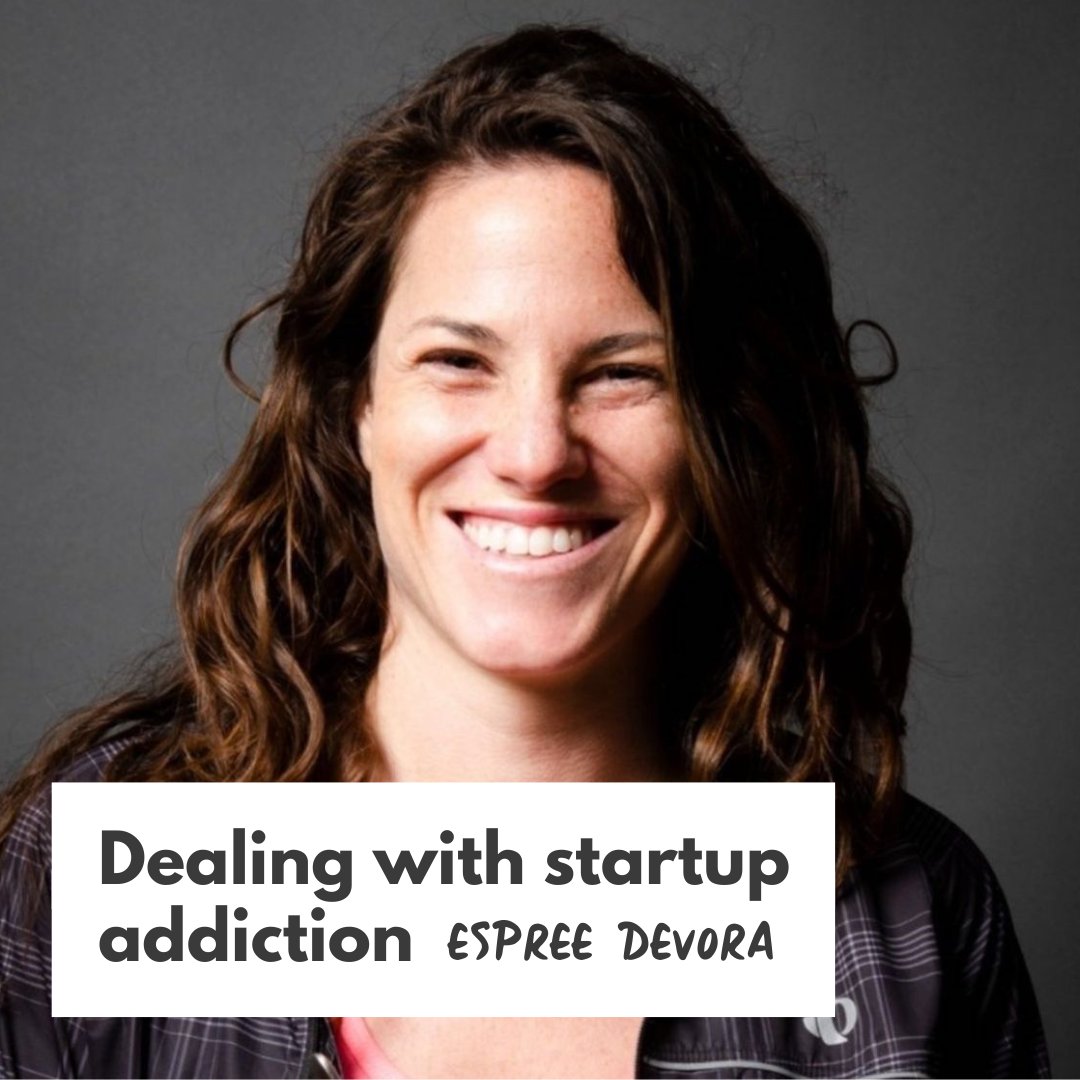
Is startup addiction a real thing?
Can you hustle too far at the expense of personal relationships?
Awesome wisdom from @EspreeDevora on how working too hard can lead you to recalibrate and get back on track to health and happiness. ❤️
https://t.co/pZ1N0AepN9
#WorkLifeBalance
How do you describe the feeling of learning something new? A spark goes off in your brain, you're invigorated, a little bit more alive. 💡
Living without learning is a static condition. Living with learning is dynamic.
#LearningJourney
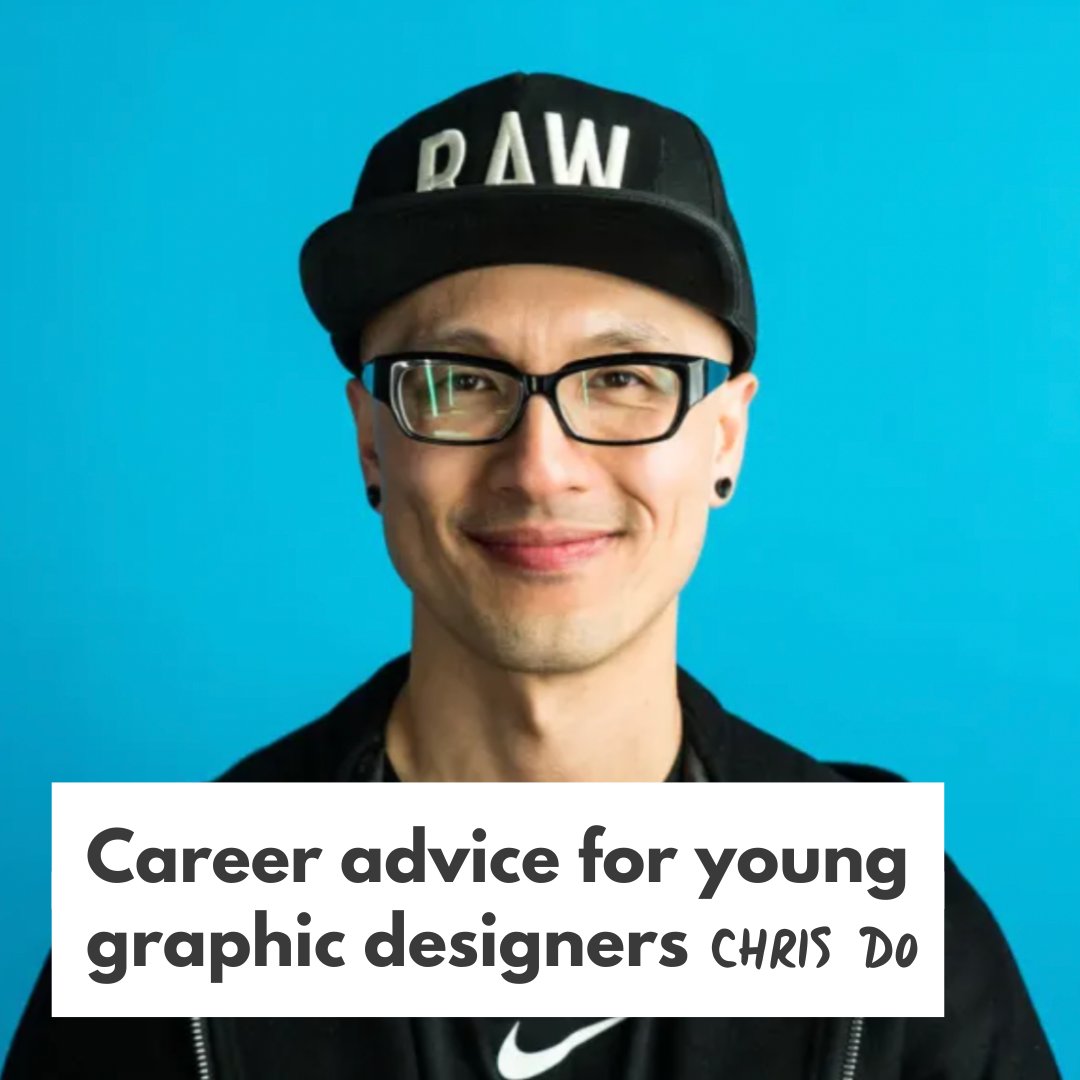
🎨 New to design? Here's a tip from @theChrisDo@thefuturishere: master typography first!
Focus on honing your craft, share your work, and watch your audience grow. :)
https://t.co/GrXiUrX2Xs
When a student asks a teacher a question, it's easy to think the answer is just for the student's benefit.
But thoughtful questions prompt the teacher to uncover fresh thinking for their own benefit too.
Q&A is the atom of learning for student and teacher equally. :)
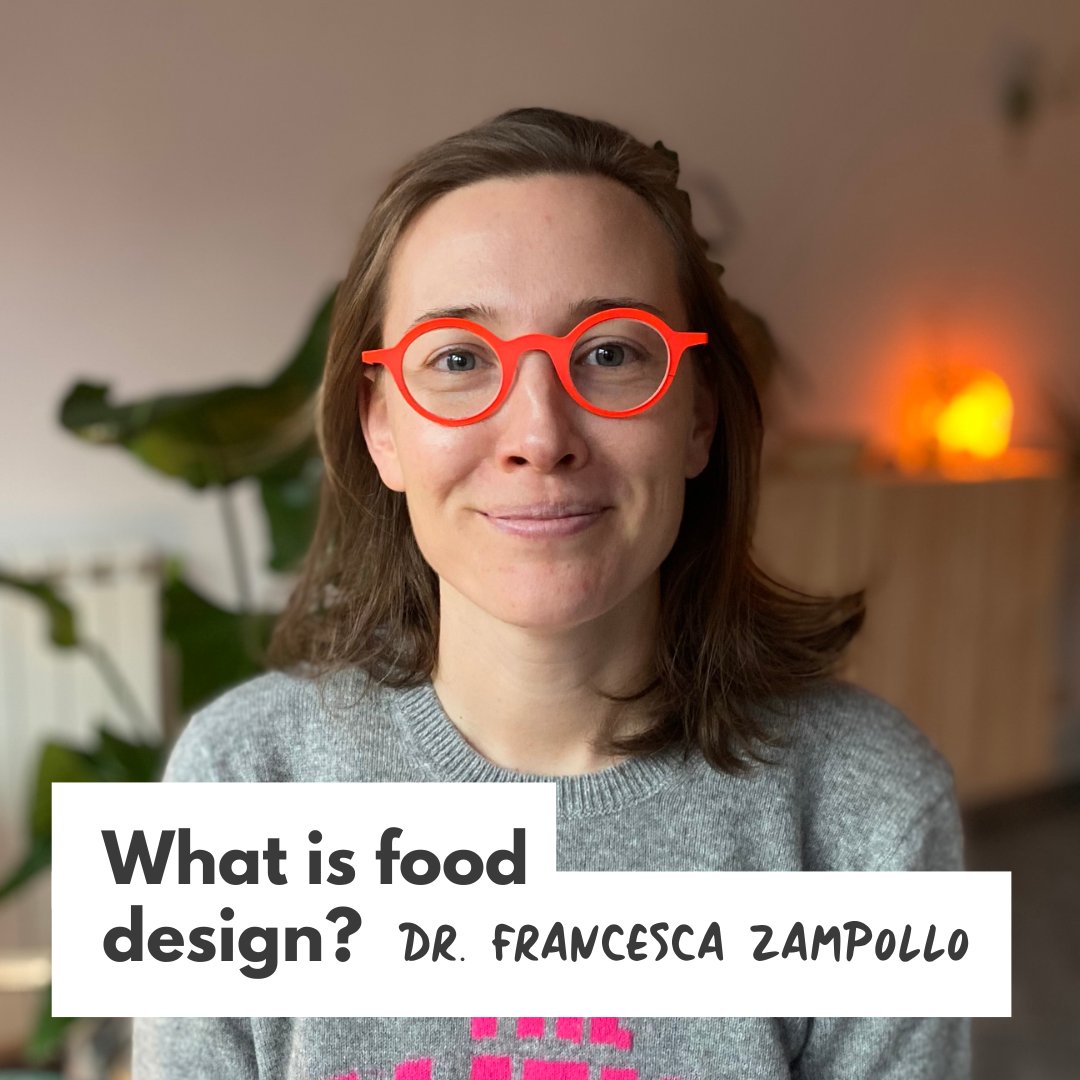
Think you know what food design is?
Think again!
@FraZampollo elucidates the diverse sub-disciplines within this dynamic field. 🍽
https://t.co/WmCrQiF6LH
🎉 Introducing: Founder Video AMAs on @joinquda
First up @jasonfried of @37signals :)
Jason shares super helpful takes on product dev, recruitment, launching & lots more.
All in 1 place searchable by topic:
https://t.co/vLgl1UdLrx
Got a new question for Jason? Ask away. 🤩
Loved building a shuffle play feature ♥️
You can now skip or play Q&As like radio
2024 is going to be the year of Content for @JoinQuda!
Really looking fwd to sharing insights from remarkable people across tech, design and science :)
Learning is not a passive absorption of information, but an active engagement with ideas
Challenge what you read, connect it to what you know, and chat about it with others
Active learning turns information into understanding
Whoop 🎉
In between selling my home and getting kids' xmas presents, I've built video answers!
Makes sharing knowledge even more personal.
You now have a choice between answering in text, audio or video.
Excited to get more educators on to @joinquda to try :)
#buildinpublic
Q: I often get stuck with copywriting for my startup and newsletter. How do you make writing easier?
@jasonfried's answer on this is vintage @37signals:
— Do what you enjoy ❤️
— Treat it as play
— Things flow when you’re into it
— In writing, drawing contrasts with what you’re not is a great way of identifying who you are
— Enjoy the process and you’ll have no regrets even if the outcome is failure
Here’s Jason’s full answer on Quda @joinquda:
“I think it's a skill; like pretty much everything in life is a skill, you can get better at it the more you work at it, the more time and attention you have, hopefully the better you'll be. But I do think it's important to enjoy it. It's hard to get better at something if you don't like it.
And so, writing for enjoyment is a big part of this. Find something you can write about that you care about. Plus I always like to point out contrasts in writing. I think if you can find contrast, it's easier to write about things because you have a little bit of an enemy. But you’ve got to enjoy it. If you're going to sustain it, you have to ultimately enjoy it. Everything's easier when you're having a good time.
Look, business is hard and all this stuff's hard. We know that's the case. How can we, you put things a little bit more in our favor? How can we increase our odds? Or how can we get through it? Hopefully, you find something that you enjoy. It tickles you in some way.
Let's say this Once thing we’re launching doesn't pan out. It totally might not. I don't know what's going to happen. At least I enjoyed writing about the launch, and I'm going to enjoy writing the next thing and the next thing and the next thing because I enjoy writing about these kinds of things and these are points of view that I believe in and I have whether or not the market responds. The market will tell me. I have some ideas. I think it's going to work, but I don't know. But at the very least, I enjoy the process and I enjoyed the work. That's key. Otherwise, it's really hard to sustain things for a long period of time.
I've picked up the guitar ten times in my life to try to learn, and I can play okay, but I just don't enjoy it as much as I enjoy drums. I just enjoy drums. Whenever I get behind a kit, I just enjoy that way more.
And I just can't fake it; I just love drums more than guitar. That's just the way it is. So I should lean more into that. It's fine to find something that just feels more natural and do that. I think you're gonna at least have a better shot and enjoy the process.”
I am not anti-formal education. I’m anti crippling student debt, outdated teaching methods, training for 20th century jobs, bloated administrations, low accountability, and rubber stamped degrees that aren’t reflective of knowledge demonstrated.
Just wanted to clear that up.
If you don't go a day without thinking about the future of humans and AI, you're in good company with @JustinQuda and I. Check out the convo: https://t.co/4IK3uKrcMG
Q: What's your copywriting process for launching new products?
Loved talking with @jasonfried (ceo @37signals) on @JoinQuda recently. Got a lot of insights from his answer on this:
Great copy enthralls the reader. How words are laid out on the page matters. Let it flow rather than be forced. Approach writing like you’re molding clay, it's play...and if it hasn’t come in 10 mins, come back later!
Here’s Jason:
“So I just wait until I feel a certain spark and then I start to write. And I’ll typically write the whole thing in 5 to 10 minutes, and I don’t edit as I go. That’s never going to be the final version. But it’s the first version. If it takes me longer than that, I don’t carry on writing because then I find myself struggling to write something. I need to feel like it’s flowing out of me effortlessly for it to be good.
If I don’t get there early, then I just stop and maybe I’ll start again tomorrow or something like that. But that’s how it starts for me. Then I read it back, then I edit, then I tweak, I play with the intro, I play with the ending, you know, I do all the editing. It’s playing. For me, it’s playing. It’s like molding clay. I’ll pick a word, I’ll look at a line, sometimes I’ll have a paragraph and I go, this would be better with this final sentence on its own line, you know?
So I may put in the cursor and hit return twice, get it on its own line, and it gives it more of a punch, more energy. So I’m always thinking about rhythm, energy, what it’s like to read something, to stop, to move your eye down to the next line, read something, see that it’s gonna be short, anticipating that it’s probably gonna be punchy because it’s short, and then deliver on that.
So it’s those kinds of things. For me, it’s a very poetic musical experience, to write and to read and to edit.”