Am Jol, a thinker, a staunch believer of refined thought process, an Egalitarian. I believe that the world is ripe for a 21st century ideology
#Jol'sAngle.
Bill Ackman went on a fishing trip in the Tierra del Fuego, Argentina.
His guide was so impressive that Ackman offered him a job at Pershing Square — one of the world's most powerful hedge funds.
The only condition: read 12 books before your first day.
Here are those 12 books. And why Ackman swears by them. 🧵
Real books change your very psyche. Not the self-help books. The long, difficult, soul-altering books. The Brothers Karamazov. One Hundred Years of Solitude. The Stranger. The Old Man and the Sea. Crime and Punishment. In Search of Lost Time. Writers who understood loneliness. Meaning. Human suffering. The quiet chaos inside the mind. Writers who sat alone for years and pulled something true out of their inner darkness and put it on a page so that one day you could read it and feel less alone in your own. They change the way you see people. They expand your perception. They upgrade your consciousness. That's what real books do.
They alter you.
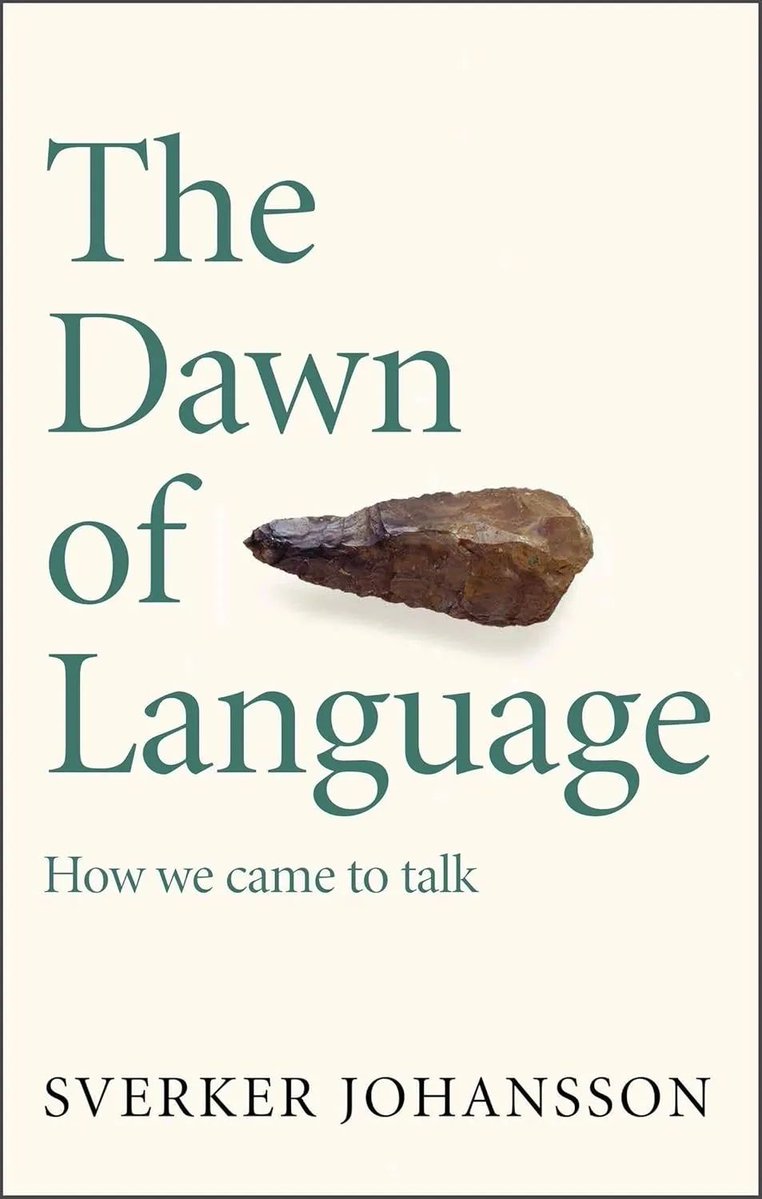
This is my favorite book on the evolution of language. What I love about it is that, while it does discuss both nativist (generativist) and functionalist approaches to language, I think it makes it pretty clear that only the functionalist approach really comports with all the genetic and paleontological evidence we have about the evolution of language.
“And once the storm is over, you won’t remember how you made it through, how you managed to survive. You won’t even be sure, whether the storm is really over. But one thing is certain. When you come out of the storm, you won’t be the same person who walked in. That’s what this storm’s all about.”
— Haruki Murakami
Naval Ravikant never ran a hedge fund
He never managed billions
But Warren Buffett, Ray Dalio, and Sam Altman all read the same books he recommends
He reads 1 to 2 hours every day. He says that alone accounts for any material success he's had in his life
Here are his most recommended books 🧵
a founder has three jobs. everything else is serious amounts of noise.
1. you have to tell the story. roughly in three registers. first investors need inevitability. customers need to *feel* what you do/stand for. & your team needs a mission worth their best years.
2. you must secure the capital before you need it. running out of money is running out of options. you have to be relentless about it.
3. you must obsess over the product. product is the story made accessible for everyone. every shipped detail is a sentence back into the narrative in point number one.
this is the entire job.
everything else you either delegate or kill. early on with a really small team, delegation is a huge tax so you have to learn to kill more than you delegate.
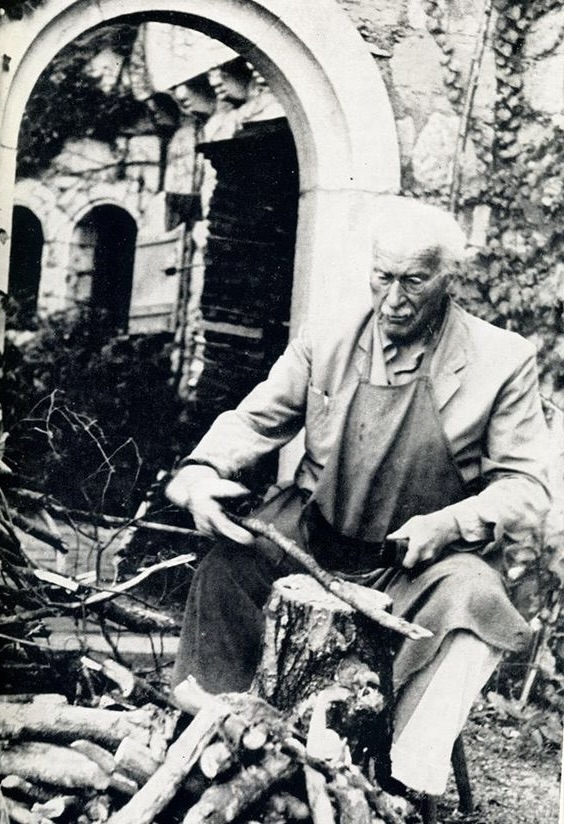
Churchill and Jung understood something modern psychology forgets:
Depression feeds on abstraction.
It weakens when your hands touch something real.
Here are 7 cheat codes to shift your nervous system from depression into momentum:
1. Use your hands to build something.
Game theory explains why people suddenly respect you after you stop needing them. Dependence distorts negotiation. The side that fears loss more accepts worse treatment, weaker terms, and lower standards just to preserve access. The moment you become capable of walking away calmly, the entire balance of the interaction changes.
How to master any skill fast:
- stop studying
- outline a project
- start building it
- hit a roadblock
- figure out how to overcome it
- repeat 4 and 5 for the rest of your life
Most people don't get past 1, the rest spiral into complacency after 4.
I love this idea from @jasonfried
"Your only competition is your costs."
Keep costs low, keep the team small, make stuff you want to use. You don't need the whole world:
“A business is very simple. You got to make more than you spend. If you're making more than you spend, then your competition is your cost.
That's what you're really in business against, how much it costs you to stay in business.
It's not all the other alternatives that are on the market.
You can't control what they're going to put out there, what they're going to price it at, all the things they're going to do. They're going to do what they're going to do.
What I can control is how much it costs me to run my business, how much I sell my product for, and as long as I make more than I spend, I get to stay in business.
And isn't that what this is all about, staying in business?
That's what it's all about because I like this. I want to keep doing this. I can't keep doing it if I don't stay in business.
I can't keep doing it if I make less than it costs me to make the things that I make.
So I'm always thinking about the only competition I really have on an annual basis is to make sure that we make more as a company than it costs us to run the company.
That's my real competition.”