We have a new paper out today diving into the architectural facets unique to Hot Jupiter systems:
Hot Jupiters Have Giant Companions: Evidence for Coplanar High-Eccentricity Migration
https://t.co/V1p1efzVxr
My new paper is on arxiv! We surveyed ~110K stars and found a metallicity "cliff" in super-Earth formation. This one has been in the works for a while. Check it out here: https://t.co/9tAx5n0W6d
Yesterday was my last official day as a professional astronomer. It’s been a good run and I have made amazing friendships along the way. Looking forward to the next chapter of my career at Google.
@AlexNeedsSpace I don’t know of a formal function for magnitude. But, I highly doubt we are anywhere near that complete with TESS. Maybe for >4 Earth radius and V< 9, completeness might be close to unity.
We have a new paper out today diving into the architectural facets unique to Hot Jupiter systems:
Hot Jupiters Have Giant Companions: Evidence for Coplanar High-Eccentricity Migration
https://t.co/V1p1efzVxr
We have a new paper out today diving into the architectural facets unique to Hot Jupiter systems:
Hot Jupiters Have Giant Companions: Evidence for Coplanar High-Eccentricity Migration
https://t.co/V1p1efzVxr
Putting all of these features together we favor coplanar high-eccentricity migration ---which predicted a >3X mass correlation for HJ outer companions--- as the dominant mechanism for hot Jupiter formation.
We have a new paper out today diving into the architectural facets unique to Hot Jupiter systems:
Hot Jupiters Have Giant Companions: Evidence for Coplanar High-Eccentricity Migration
https://t.co/V1p1efzVxr
🌟Characteristic 3: Eccentricity Unveils Secrets🌟 In Hot Jupiter (HJ) systems, outer companions tend to have mid-range eccentricities, while comparable non-HJ outer companions appear more circular. This suggest a rich dynamic history between HJs and their outer companions.
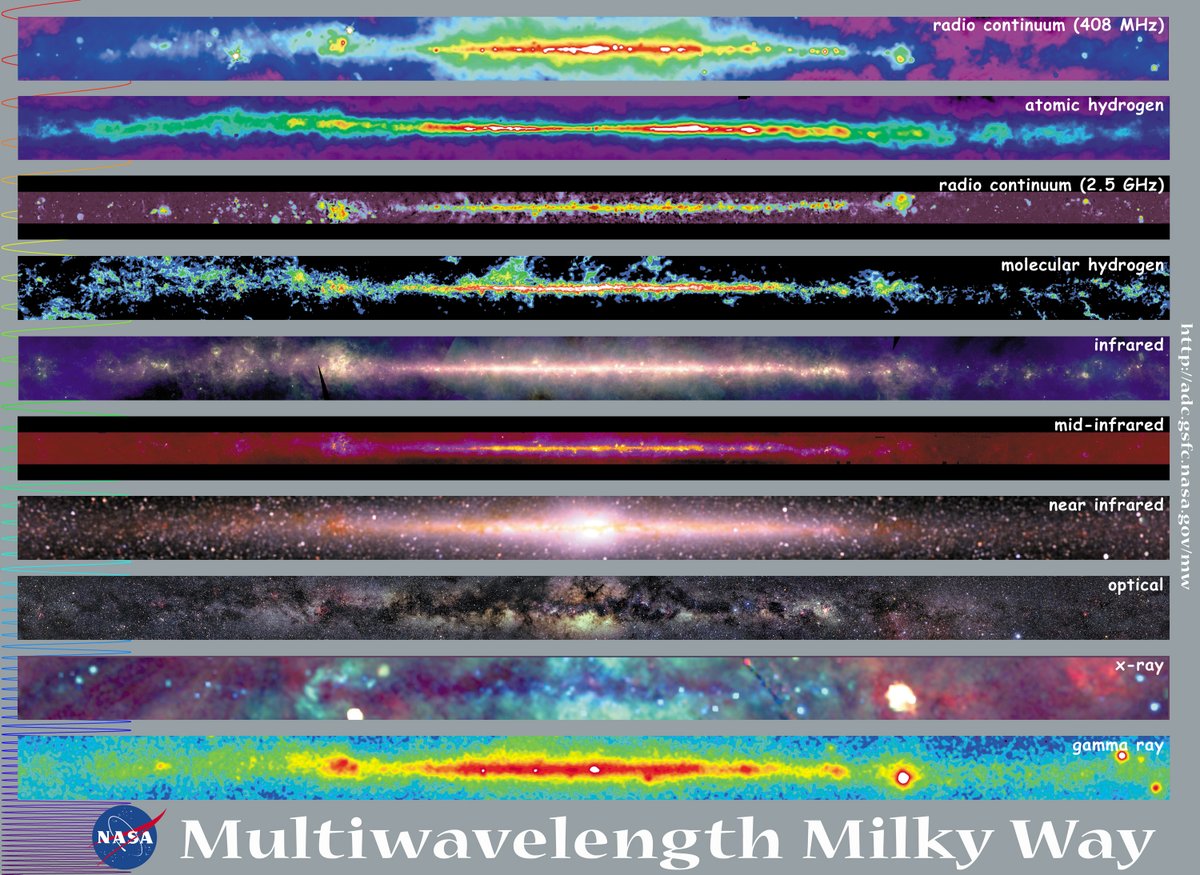
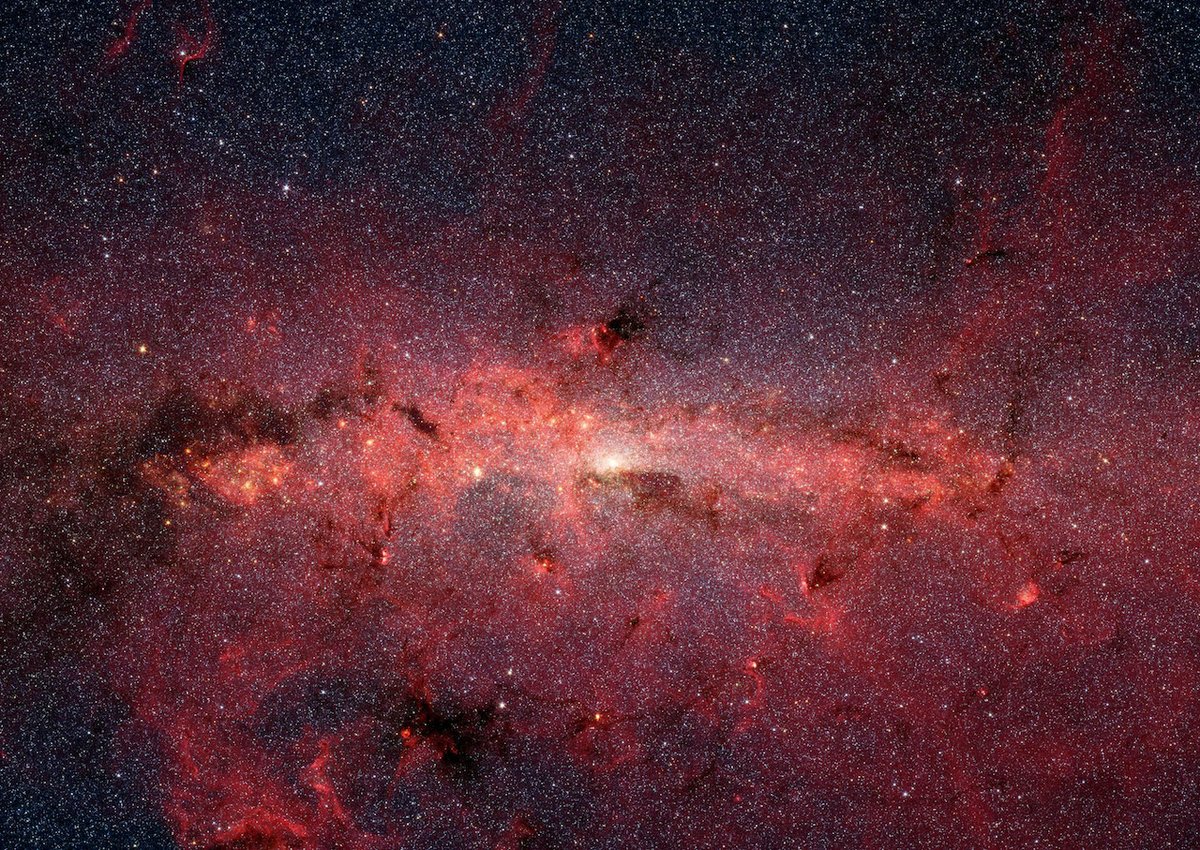
Stars that travel high above the galactic plane, shown here in many wavelengths, may have fewer small, hot planets than those nearer the plane, according to a new study. Planet formation might differ from one galactic neighborhood to the next! https://t.co/mXXq8TKLlH
Discovery Alert! 📣
A meticulous study finds that stars on the fringes of the Milky Way possess fewer of the most common planet types. Planet formation – and the resulting families of planets – might differ from one galactic neighborhood to the next! https://t.co/mXXq8TKdw9
I am looking to do some talks this fall about exoplanets and their interactions with galaxy itself.
If you run a colloquium/coffee/group-meeting and are interested please email or DM me.